What a Large Drive Pulley Does
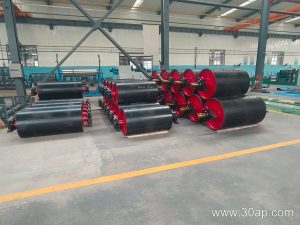
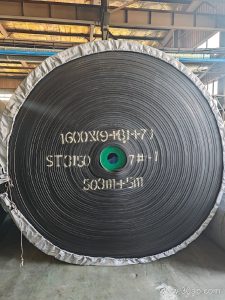
A large drive pulley is the powered drum at the head of a conveyor that transfers torque from the gearbox to the belt and keeps the whole line moving. In bulk handling plants it is often simply called the head pulley or main drive drum, but its job is specific: grip the belt, deliver traction, and survive the tension that comes with long, heavily loaded conveyors. Whether the line carries Steel Cord Conveyor Belt at a mine or a fabric belt in a cement plant, the drive drum is the component that decides how much pull the system can actually deliver.
Drive, tail, and bend pulleys are not interchangeable. A tail pulley returns the belt at the loading end, and a bend pulley only changes belt direction. The drive pulley is the one linked to the motor and reducer, and it is the only one expected to transmit full working torque.
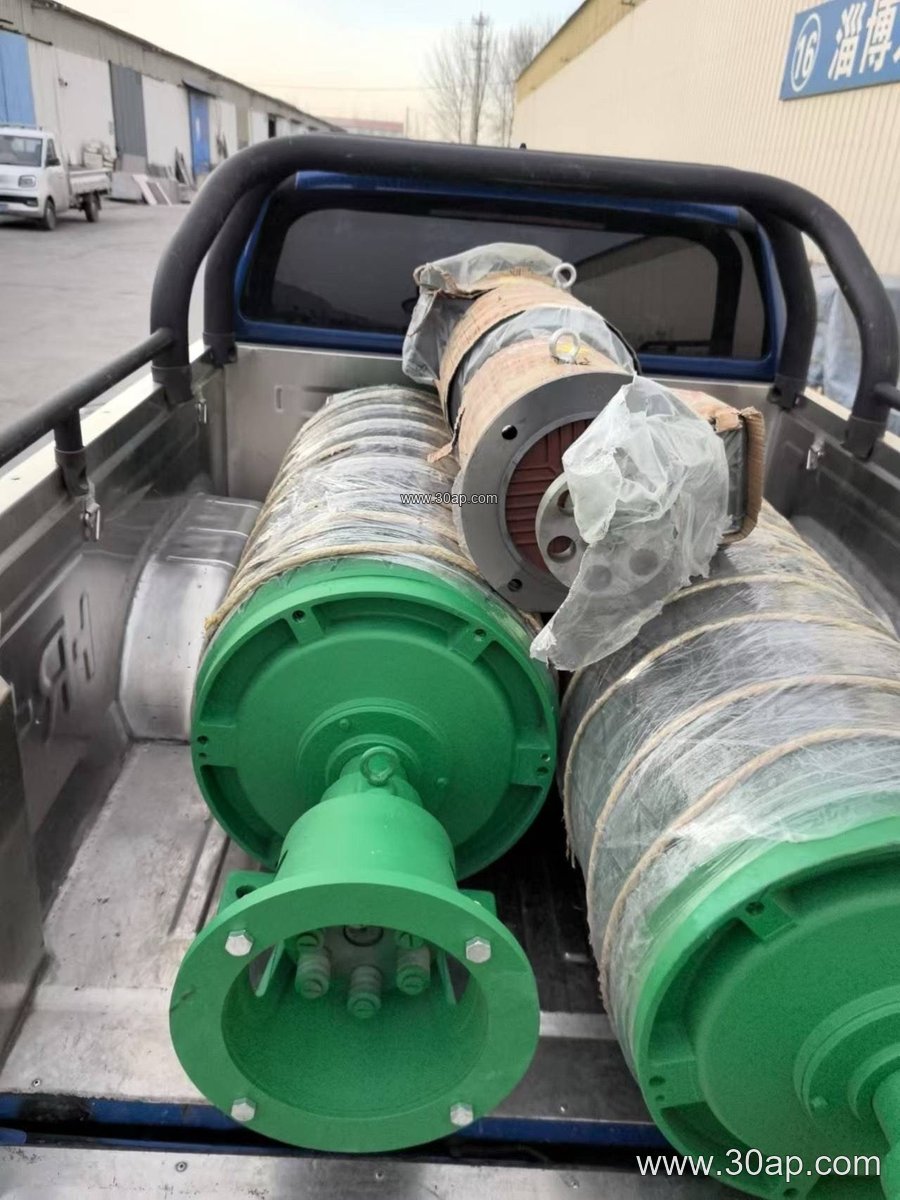
Construction and Surface Options
The core is usually a welded steel cylinder with dished or flat end plates, machined hubs, and a shaft sized by torque and load rather than by belt width alone. Common shaft diameters run from Ø50 up to Ø200 and beyond, while drum diameters for large drives often fall between Ø630 and Ø1600 depending on belt tension and wrap angle.
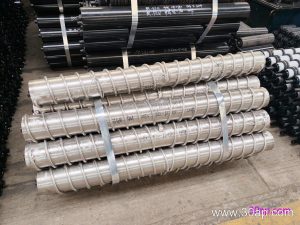
The surface form matters as much as the shell. Plain finish is used where grip is adequate; rubber lagging improves friction; diamond or herringbone grooving helps shed water and fines; ceramic lagging suits abrasive, wet duty. Lagging thickness is commonly 8, 10, 12, 15, or 20 mm. On a quarry line moving damp aggregate, a grooved rubber surface often outperforms a plain one, while a coal handling drive may call for flame retardant lagging to match a Flame Retardant Conveyor Belt.
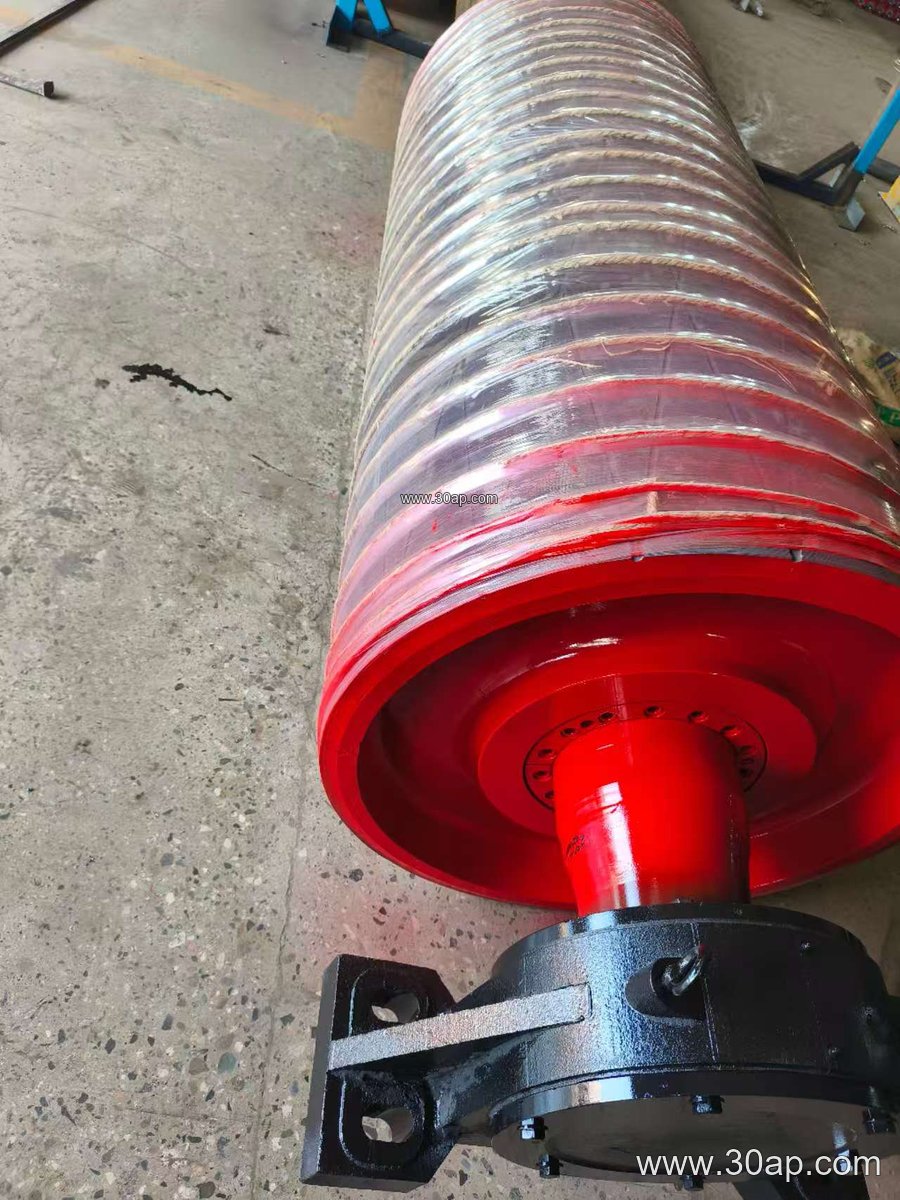
Typical Sizes and Matching to the Belt
The pulley face width is normally wider than the belt so the belt stays supported during minor misalignment. Reference combinations such as B800 × Ø500, B1200 × Ø1000, and B1400 × Ø800 appear in project designs, but no single belt width locks a drive pulley to one diameter. Tension, wrap angle, belt type, and required torque all influence the final choice.
| Belt width | Typical pulley face width | Example drive drum diameter |
|---|---|---|
| B500 | about 600 mm | Ø400 to Ø500 |
| B800 | about 950 mm | Ø500 to Ø630 |
| B1000 | about 1150 mm | Ø630 to Ø800 |
| B1200 | about 1400 mm | Ø800 to Ø1000 |
| B1400 | about 1600 mm | Ø1000 to Ø1250 |
| B1600 | about 1800 mm | Ø1250 to Ø1400 |
These are reference ranges, not fixed pairings. A short conveyor with a high wrap angle may use a smaller drum, while a long incline with a Heat Resistant Conveyor Belt may need a larger one to limit belt bending stress.
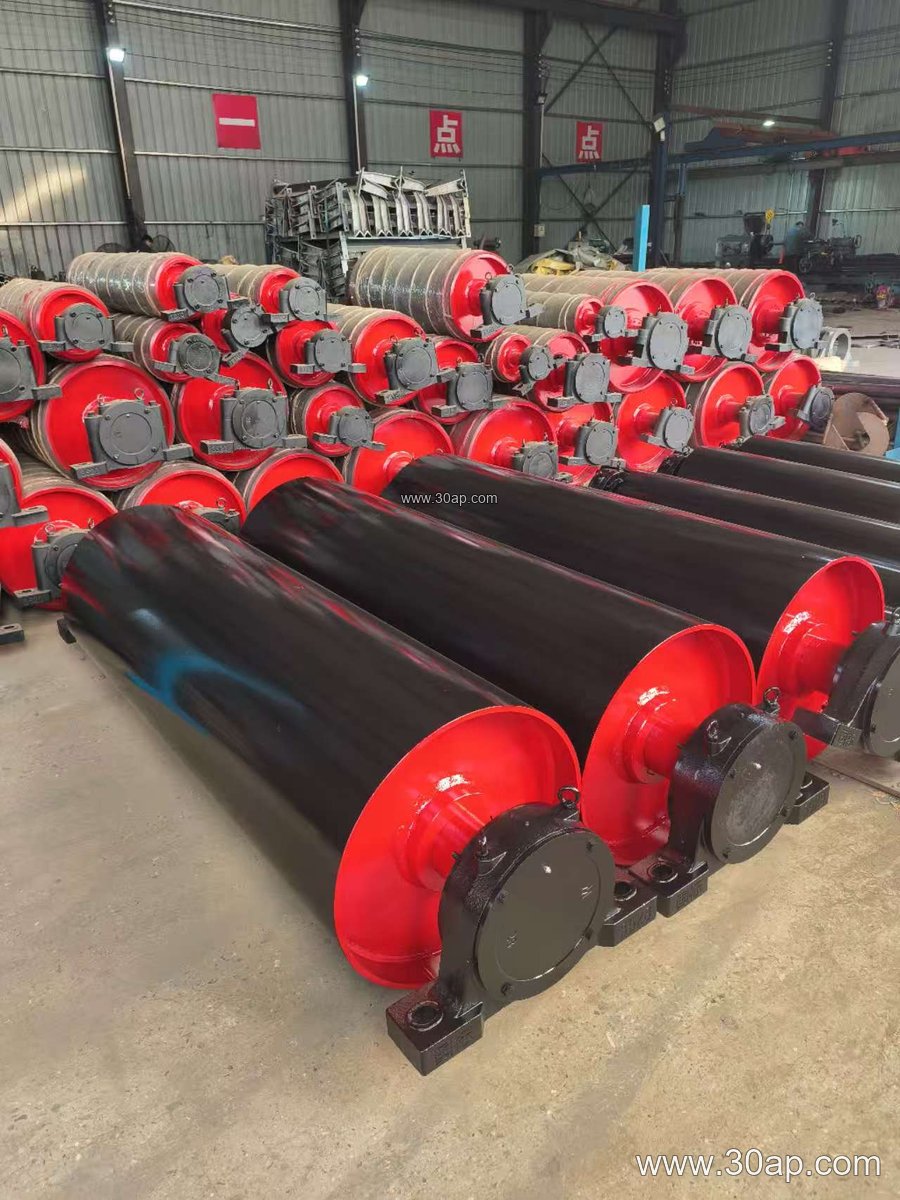
Where Large Drive Pulleys Are Used
You will see them at the discharge end of overland conveyors in iron ore and copper ore operations, on plant belts in cement works, and in coal handling systems at power stations. In a crushing and screening circuit, the drive drum on the primary discharge belt takes shock loads that a tail pulley never sees, so its bearing housings and lagging are built heavier. Port bulk terminals also rely on large head drums to keep ship loading rates steady.
Around the drive station, the conveyor pulley works with the conveyor belt, idler roller sets, and conveyor bracket assemblies. Misalignment at any of these points shortens lagging life.
Buyer Checklist
- Confirm the actual duty: belt type, belt width, speed, and peak tension.
- State the shaft diameter and hub connection required by the gearbox, not just the drum size.
- Choose lagging by environment: abrasive, wet, oily, or hot. A Abrasion Resistant Conveyor Belt in a sand plant usually pairs with rubber or ceramic lagging.
- Ask for dynamic balance and inspection records on large diameters.
- Plan access for lagging replacement, since a large drive pulley is difficult to remove once installed.
Getting the drive drum right at the design stage is cheaper than rebuilding a head station after the belt starts slipping.