What an EP1250 Conveyor Belt Is
An EP1250 Conveyor Belt is a fabric-core rubber belt built around polyester-polyamide (EP) plies, with a nominal tensile strength of 1250 N/mm per ply. In practice, buyers often call it an EP Conveyor Belt or an EP rubber conveyor belt, and it sits above EP1000 but below EP1500 in the common EP strength ladder that also includes EP200, EP315, EP400, EP500, EP630, EP800, EP1600 and EP2000. The EP carcass combines low elongation with good resistance to fatigue, which makes this class a practical choice for long runs, high-tonnage transfer points and inclined haulage in mining, coal, cement, power and quarry work.
The product is not a single fixed recipe. An EP1250 belt can be supplied with different cover grades, ply counts and edge constructions, so the same strength designation may appear in several configurations depending on the duty.
How the Belt Is Built
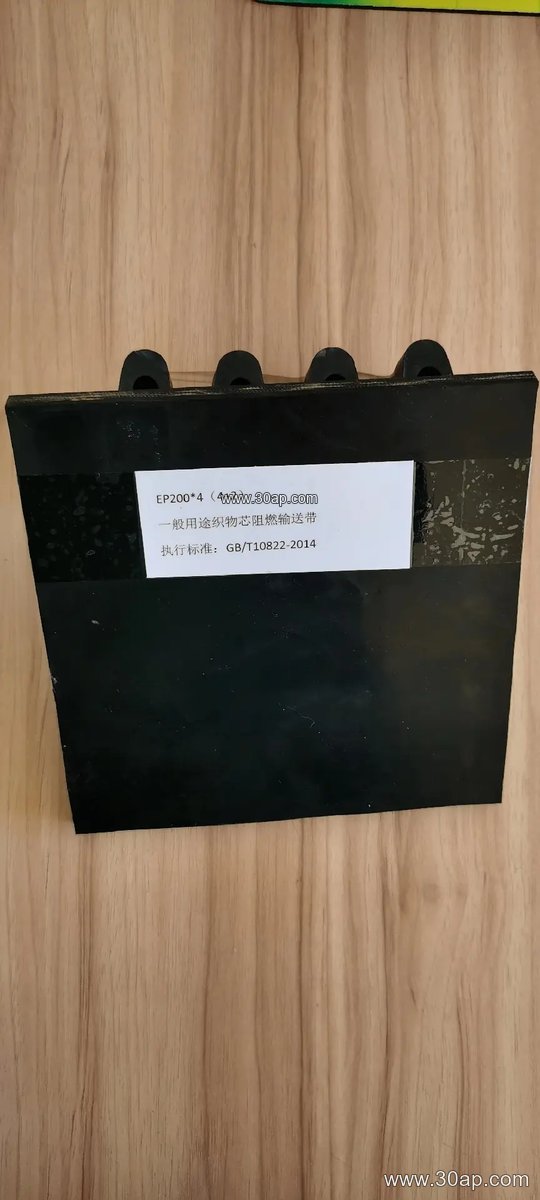
The carcass usually consists of two to six EP fabric plies bonded with rubber skim compound. Top and bottom covers protect the plies from abrasion, impact and moisture. Common cover combinations include 3+1.5 mm, 4+2 mm, 5+2 mm, 6+2 mm and 8+3 mm, with thicker covers generally used where sharp rock, ore or aggregate is loaded.
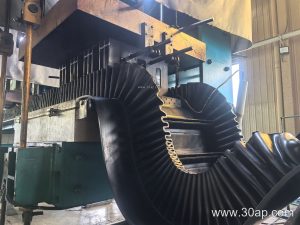
Edge treatment matters as much as the centre of the belt. Cut edges suit general service, while moulded edges help where edge fraying is a concern. For special duties, the same EP carcass may be combined with a chevron profile, corrugated sidewalls, or a flame retardant, heat resistant, oil resistant or abrasion resistant cover. These variants are options on the platform, not replacements for the base product.
Typical Service Conditions
This strength class is often specified for main haulage and plant feed lines rather than for short light-duty runs. Typical users include:
- Mines and coal preparation plants moving run-of-mine material
- Cement works handling clinker, limestone and additives
- Power stations conveying coal and ash
- Quarries and sand and gravel plants feeding crushers and screens
- Ports and stockyards working with bulk cargo
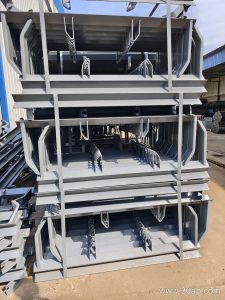
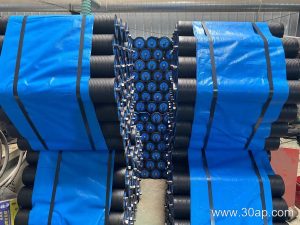
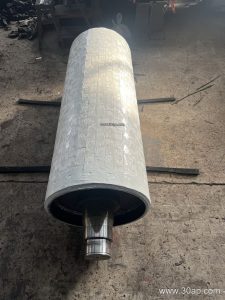
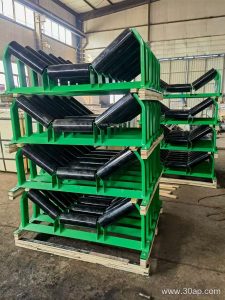
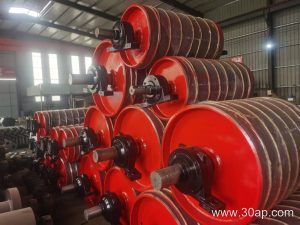
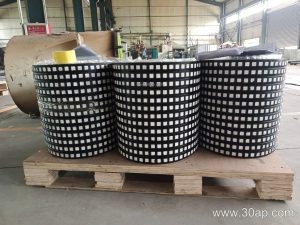
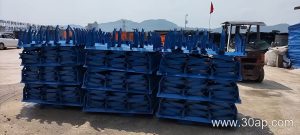
In these settings the belt runs over idler rollers, wraps drive, tail and bend pulleys, and is held in line by conveyor brackets and frames. Each of those components has its own selection logic; a bend pulley, for example, is not a substitute for a drive pulley, and idler spacing should follow the belt and load design rather than a rule of thumb.
Reference Dimensions and Configurations
The table below shows common reference values. They are indicative only, and actual supply should be confirmed against the conveyor design.
| Parameter | Common Reference Range |
|---|---|
| Strength designation | EP1250 (1250 N/mm per ply) |
| Belt width | B500, B650, B800, B1000, B1200, B1400, B1600, B1800, B2000 |
| Number of plies | 2 to 6 |
| Cover thickness | 3+1.5, 4+2, 5+2, 6+2, 8+3 mm |
| Cover grades | Abrasion resistant, heat resistant, oil resistant, flame retardant, anti-static, cold resistant |
| Edge type | Cut edge or moulded edge |
A 1200 mm or 1400 mm width is frequent in plant conveyors, while 1800 mm and 2000 mm belts appear in high-capacity main lines. Width and strength are separate decisions: a given belt width does not dictate one pulley diameter, and shaft sizing must come from the conveyor designer’s load calculation.
Selection Points for Buyers
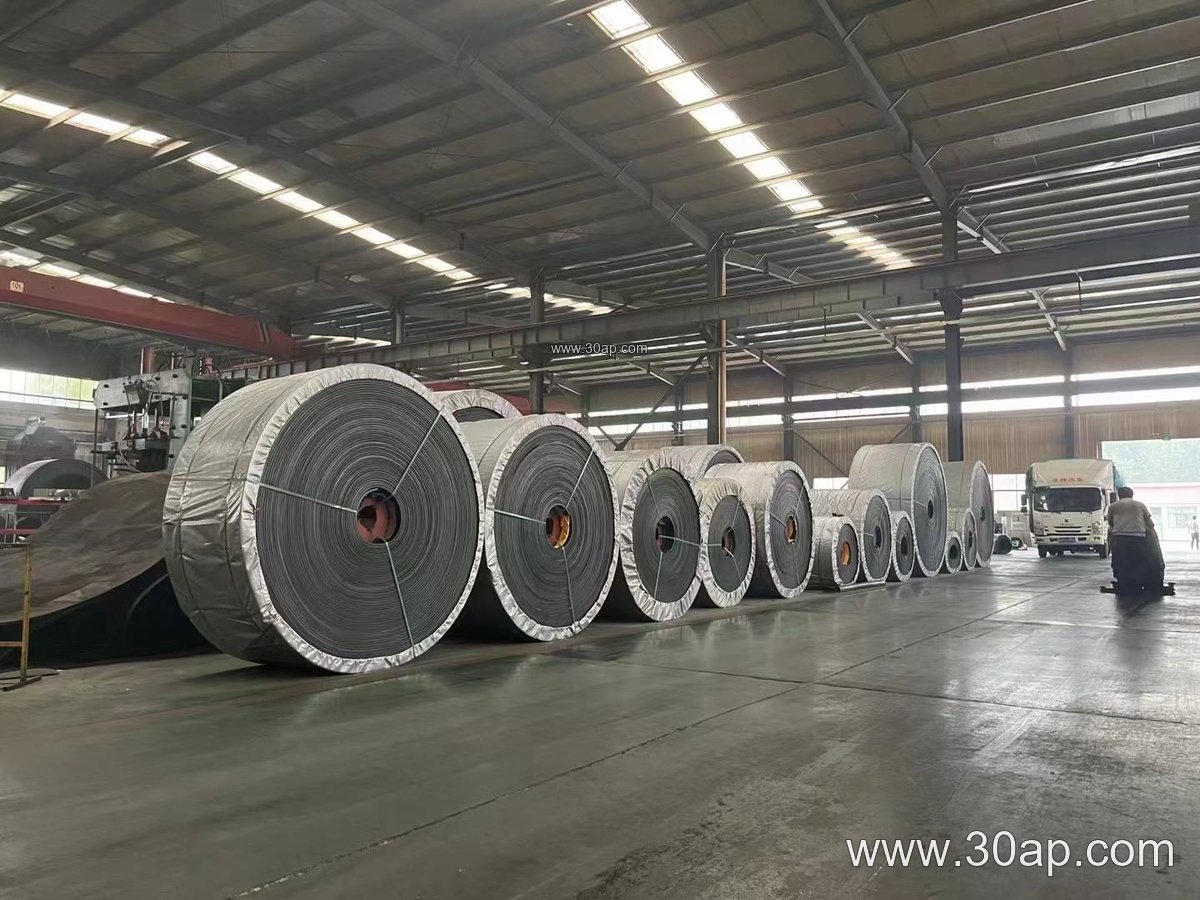
Start with the actual duty rather than the strength number alone. Confirm the material being carried, lump size, drop height, belt speed, trough angle and ambient temperature. A high abrasion resistant cover is worthwhile where sharp ore or crushed rock is loaded, while a flame retardant grade is typically required in underground coal mining and enclosed coal handling. Heat resistant covers suit clinker and sinter, and oil resistant grades fit handling of oily scrap or certain mineral feeds.
Ask for the ply count, cover thickness, total belt thickness and mass per square metre, because take-up travel and pulley loads depend on them. Check whether the belt will be supplied as an endless conveyor belt or in open lengths for mechanical splicing, and confirm the splice method the supplier recommends.
Installation and Maintenance Notes
Correct alignment at the tail and bend pulleys prevents edge damage, and well-chosen impact idlers under the loading point reduce cover gouging. Keep the belt tracking straight, maintain skirt rubber so material does not spill, and avoid over-tensioning. Inspect covers and edges regularly; small cuts repaired early are cheaper than a full replacement. Store spare rolls in a dry, shaded place and rotate stock so the rubber does not take a permanent set.
For comparable duties, an NN conveyor belt may be considered where higher elongation is acceptable, while a steel cord conveyor belt is chosen for very long, high-tension routes. Within the fabric-core family, the EP1250 Conveyor Belt remains a balanced choice for medium-to-heavy bulk handling where strength, low stretch and cover durability all matter.