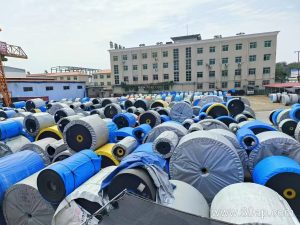
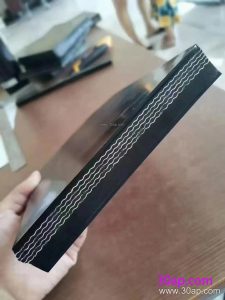
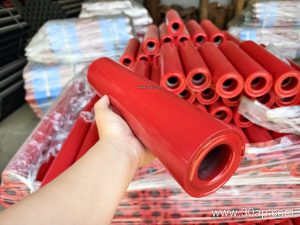
What a Stone Conveyor Pulley Does in a Crushing Circuit
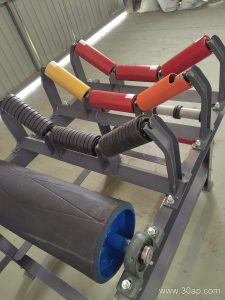
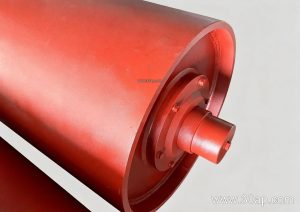
A stone conveyor pulley is the cylindrical drum that turns a conveyor belt, carries the belt tension, and transfers drive torque at the head of the conveyor. In a quarry or aggregate line, it sits at the discharge point of a crusher conveyor belt or at the tail of a stockpile conveyor, and its condition directly affects belt tracking, belt life, and how cleanly crushed rock leaves the chute. While the pulley looks like a simple steel drum, the shell, shaft, hubs, lagging, and bearing arrangement all need to match the duty of the line.
Do not confuse the stone conveyor pulley with the other rotating parts on the same frame. A drive pulley, a tail pulley and a bend pulley have different jobs and are not interchangeable. The drive or head pulley transmits power through the belt, the tail pulley returns the belt and often carries a tensioning function, and a bend pulley only changes belt direction. Getting that distinction right at the specification stage prevents costly rework later.
How the Drum Is Built
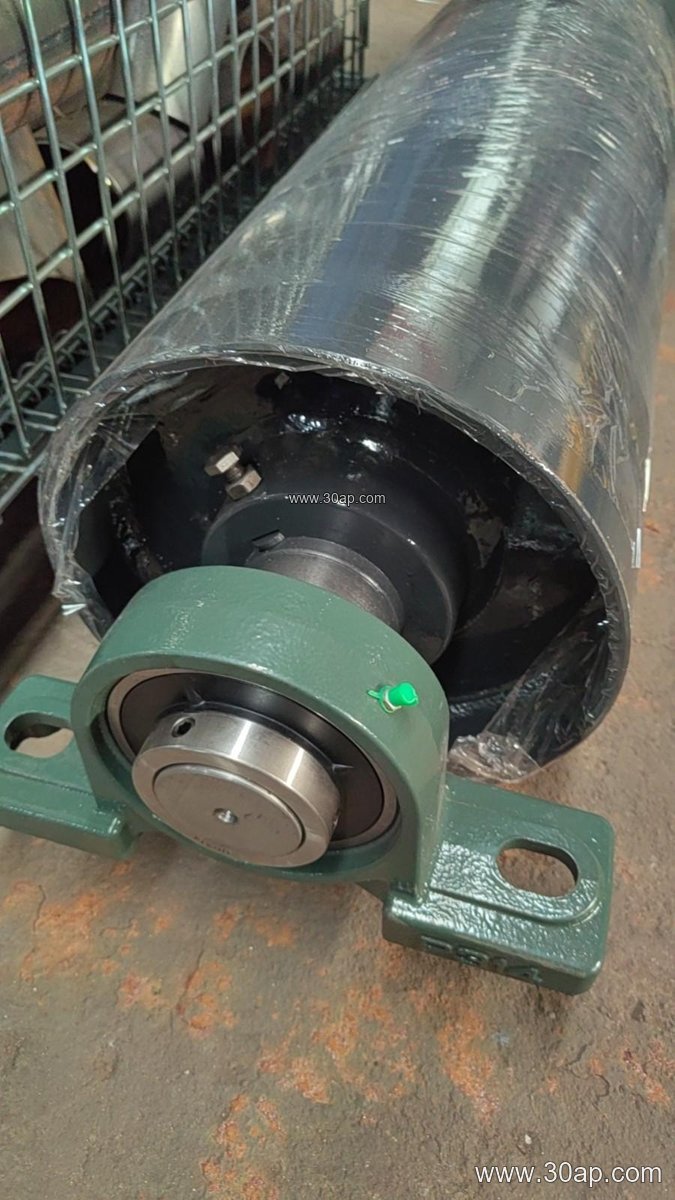
Most stone conveyor pulleys are fabricated from a rolled steel shell welded to end discs, with a shaft running through the center on keyed or shrink-fit hubs. For heavier loads on a primary crushing conveyor, the shell wall and end disc thickness increase, and the weld procedure becomes more important than the raw steel grade. The shaft is sized from torque and radial load, not from belt width alone, so a B800 drum may carry a shaft in the Ø80 to Ø100 range on one conveyor and a larger shaft on another with a longer span and heavier belt pull.
Bearing housings are usually bolted to the conveyor bracket on each side, with self-aligning bearing types common where frame deflection is expected. Surface finish matters too. A rough shell wears the belt cover quickly, so shell roundness and runout should be checked before lagging is applied.
Lagging Options and Where They Fit
Lagging protects the shell and raises friction between drum and belt. The choice depends on the material and the position on the conveyor:
- Plain surface — low cost, used where traction demand is modest and the belt is not heavily loaded.
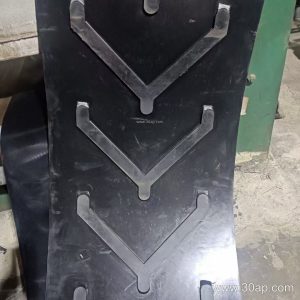
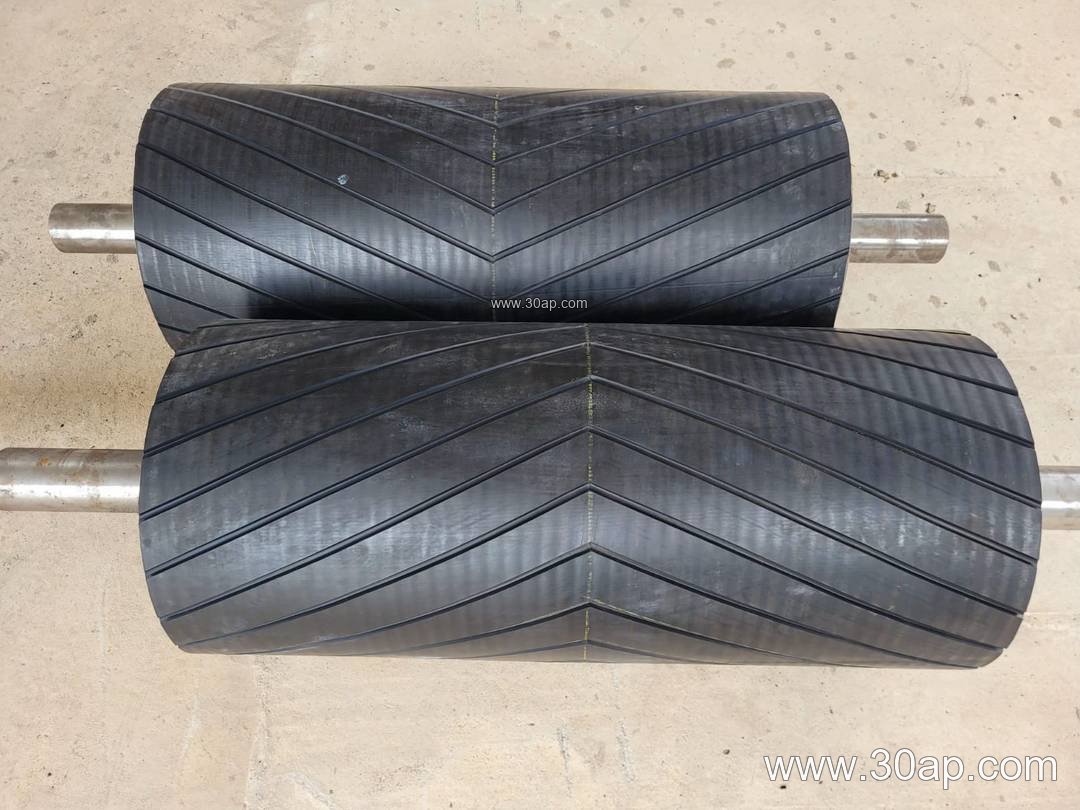
- Diamond or chevron rubber lagging — good for general aggregate duty, helping water and fines escape from the nip point.
- Cold-bonded or hot-vulcanized rubber — the vulcanized version bonds more strongly and suits continuous duty on a heavy-duty mining conveyor belt.
- Ceramic lagging — used on drive pulleys in wet or muddy conditions, such as a wash plant or a tunnel spoil line, where slip is a real risk.
Common lagging thicknesses are 8, 10, 12, 15 and 20 mm. Thicker lagging is not automatically better; it adds weight and cost, and it must be matched to the belt cover and the expected slip.
Sizing by Belt Width and Duty
Shell width is normally a little wider than the belt. Typical references include B400 with a shell around 500 mm, B650 around 750 mm, B800 around 950 mm, B1000 around 1150 mm, B1200 around 1400 mm, and B1400 around 1600 mm. Diameter is set by belt tension, wrap angle, and the space available. Combinations such as B800 × Ø500, B1200 × Ø1000 and B1400 × Ø800 are all seen in practice, but no single belt width locks the pulley to one diameter.
| Belt width | Typical shell width | Diameter range often used |
|---|---|---|
| B500 | about 600 mm | Ø250 to Ø400 |
| B650 | about 750 mm | Ø315 to Ø500 |
| B800 | about 950 mm | Ø400 to Ø630 |
| B1000 | about 1150 mm | Ø500 to Ø800 |
| B1200 | about 1400 mm | Ø630 to Ø1000 |
| B1400 | about 1600 mm | Ø800 to Ø1250 |
| B1600 | about 1800 mm | Ø1000 to Ø1400 |
These are reference ranges, not fixed pairings. Shaft diameters commonly fall between Ø50 and Ø200, but the final value comes from the torque and load calculation for that conveyor.
Where These Drums Are Used
In a limestone quarry, a stone conveyor pulley at the crusher discharge handles sharp, abrasive rock and benefits from abrasion resistant lagging and a robust shell. In a coal handling plant or power station coal yard, flame retardant conveyor belting is usually specified, and the pulley lagging should be selected to avoid static build-up. A sand and gravel line may use a smaller B650 or B800 head pulley, while a port ship-loading conveyor may need a B1800 or B2000 drum with a heavy shaft and large bearings. In each case, the drum is matched to the belt, the idler roller set, and the frame layout rather than chosen from a catalog alone.
What a Buyer Should Confirm
Before ordering, confirm the belt width, the belt type (for example EP conveyor belt, NN conveyor belt, or steel cord conveyor belt), the maximum belt tension, the wrap angle at the drive, and the mounting dimensions of the existing conveyor bracket. Ask for the lagging material and thickness, the shaft material and diameter, the bearing type, and the balancing grade. A drum that is correct in diameter but wrong in shaft size or lagging will still cause slip, vibration or premature belt wear.
Finally, plan for inspection. Check lagging wear, shell runout and bearing condition at each shutdown, and keep a spare tail or bend drum on hand for critical lines. For more on matching drums with belts and rollers, see the conveyor pulley and conveyor belt pages at www.yourdomain.com, and compare drum options alongside your idler roller and conveyor bracket drawings.