What a Conveyor Bracket Does on a Belt System
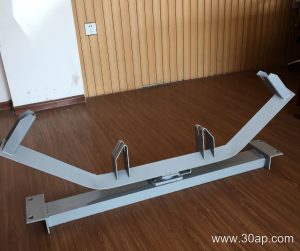
When you set out to buy a conveyor bracket, you are sourcing the structural support that holds the idler roller in place and sets the belt’s trough profile. This component is often called a troughing bracket or idler support frame, and it is the interface between the conveyor belt, the idler roller, and the main conveyor frame. A conveyor bracket procurement decision therefore affects belt tracking, material spillage, and the service life of the rollers themselves.
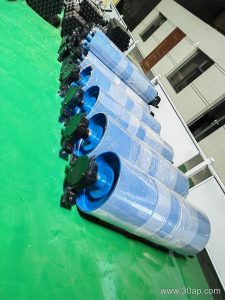
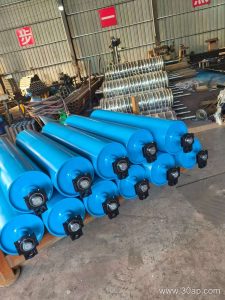
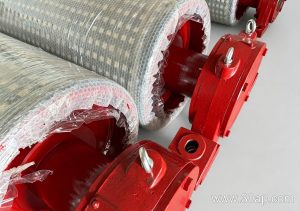
The bracket is not a pulley. A drive pulley, tail pulley, or bend pulley transmits motion or changes belt direction, while a bracket only carries and positions the idlers. That distinction matters during procurement because a supplier may offer both categories, and the drawings are not interchangeable.
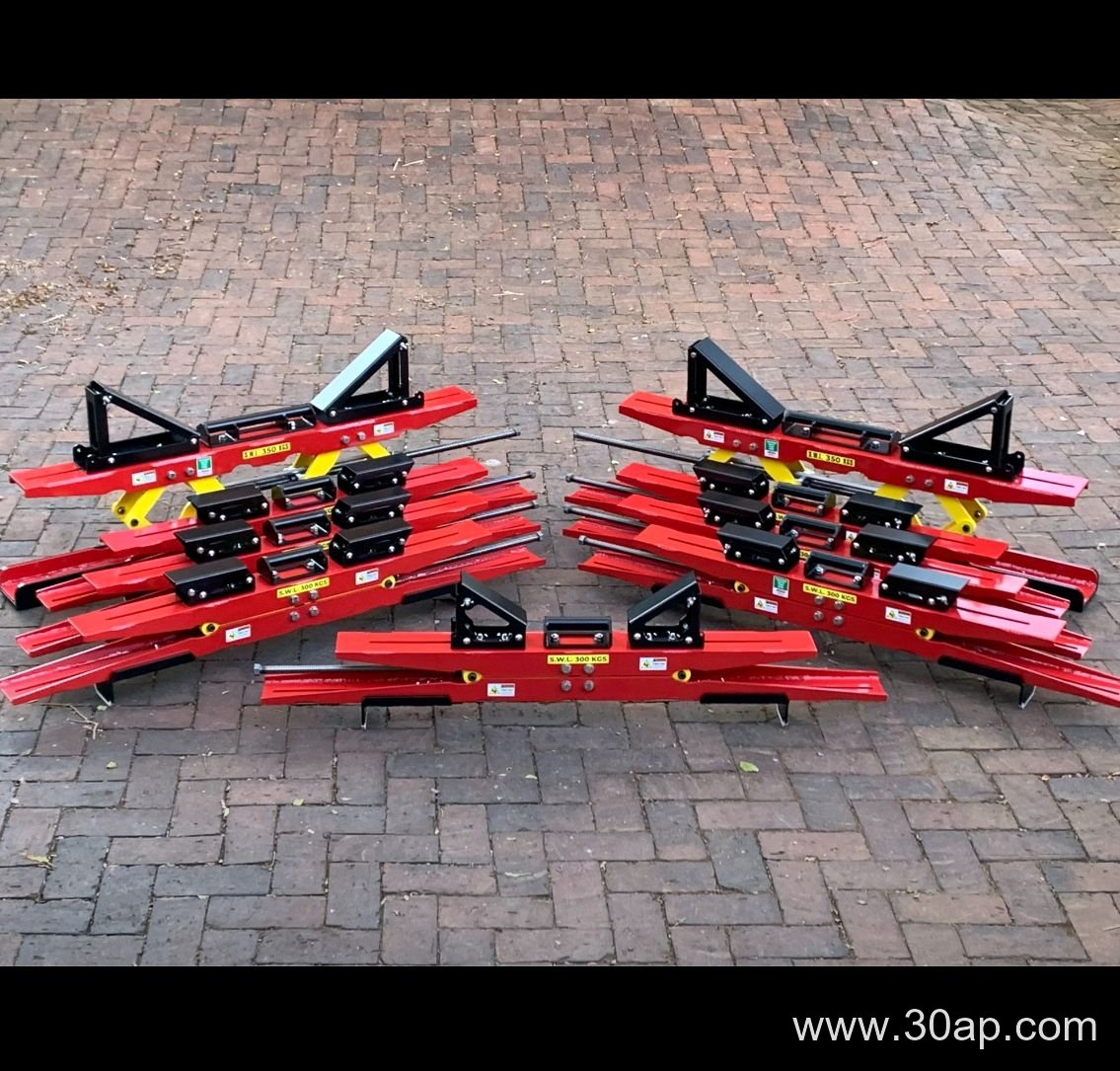
How a Troughing Bracket Is Built
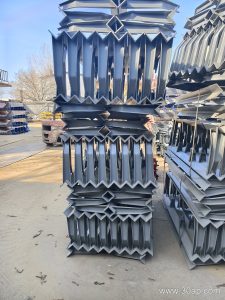
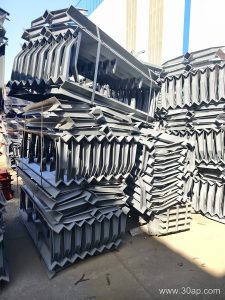
Most troughing brackets are fabricated from angle steel, channel steel, or folded steel plate. The fabrication method determines stiffness, mounting hole positions, and how well the bracket resists vibration. A typical bracket includes a crossbeam, two or three idler mounting slots, and bolt holes that align with the conveyor frame.
Common trough angles include 20 degrees, 30 degrees, 35 degrees, and 45 degrees. Adjustable brackets allow the user to change the trough angle within a range, while fixed brackets lock one angle. Forward-leaning brackets, often set at about 1.5 to 2 degrees, are used to help center the belt. The bracket may also be designed for a specific roller diameter, such as Ø89, Ø108, Ø133, Ø159, or Ø194, but the belt width and roller diameter are not locked into a single combination.
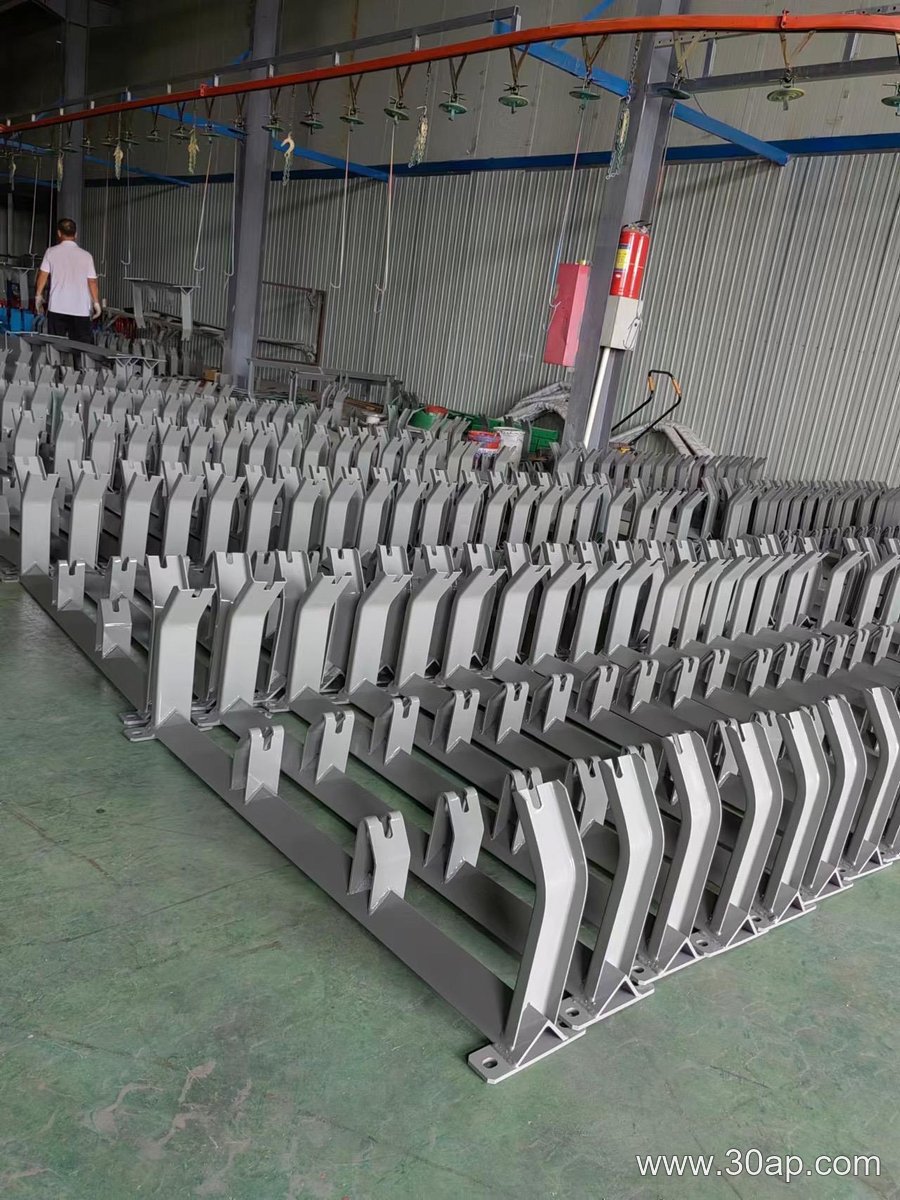
Where These Brackets Are Used
You will find troughing brackets in a limestone quarry, a coal washing plant, a crushing and screening line, and a cement plant. In each location, the bracket supports the loaded side of the conveyor belt and keeps the material centered. A return bracket, by comparison, supports the empty side of the belt and may use a flat or V-shaped arrangement. The troughing bracket is the main subject here, but knowing the return bracket helps a buyer separate line items in a mixed inquiry.
Brackets also appear in ports, power plant coal handling, steel mills, and tunnel muck removal. The environment influences material choice: a dusty quarry may favor a heavier folded plate, while a food or fertilizer application may require a different surface treatment. The bracket itself does not change the belt speed or the pulley diameter, so procurement should focus on fit, strength, and roller compatibility.
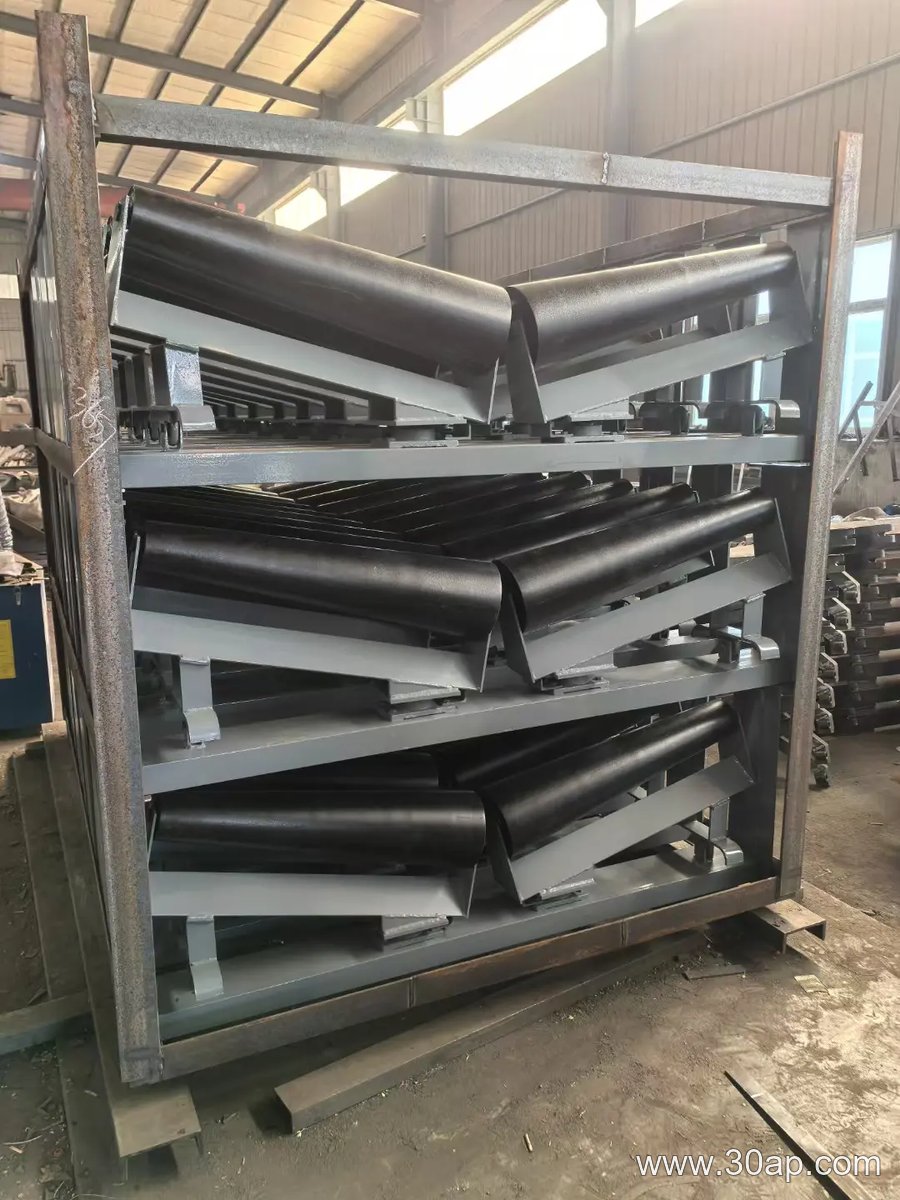
Key Parameters for a Procurement Inquiry
When requesting quotes, provide the belt width, trough angle, roller diameter, and mounting hole pattern. The table below lists common reference values; these are not universal fixed combinations, and the final dimensions should be confirmed by the conveyor design.
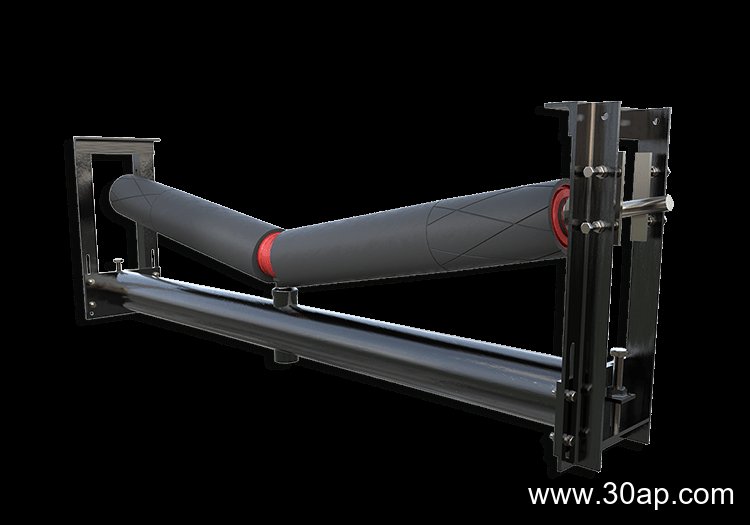
| Parameter | Common reference values |
|---|---|
| Belt width | B500, B650, B800, B1000, B1200, B1400, B1600, B1800, B2000, B2200 |
| Trough angle | 20°, 30°, 35°, 45° |
| Roller diameter | Ø89, Ø108, Ø133, Ø159, Ø194 |
| Material | Angle steel, channel steel, folded steel plate |
Do not assume that a B800 belt must use a 35-degree trough angle or a Ø108 roller. A B1200 system may run a 45-degree trough angle with Ø133 rollers, while a B650 line may use a 30-degree angle with Ø89 rollers. The bracket’s crossbeam length and hole spacing change with the belt width and trough angle, so they should be treated as design outputs, not catalog constants.
Adjustable Versus Fixed Brackets
An adjustable bracket lets maintenance staff fine-tune the trough angle after installation. This can be useful when the belt is running empty or when the material load changes. A fixed bracket is simpler and often more rigid, but it cannot be re-angled without replacement. Forward-leaning brackets are a separate subtype used for belt training, and they should not be confused with a standard troughing bracket.
For a conveyor bracket procurement project, ask the supplier to confirm the mounting hole distance, the roller slot width, and the finish. If the bracket will be used with a conveyor belt that has a high tension, the bracket stiffness becomes more important. If the bracket will sit near a drive pulley or tail pulley, check that the frame does not interfere with the pulley’s rotation. The bracket does not replace the pulley; it only supports the idlers that carry the belt.
Buyer Checklist Before Ordering
- Confirm the belt width and the required trough angle.
- Match the bracket slot to the idler roller shaft diameter.
- Decide between fixed and adjustable construction.
- Check the mounting hole pattern against the conveyor frame.
- Specify the material and surface treatment for the site conditions.
- Separate troughing brackets from return brackets and pulley items in the inquiry.
A clear inquiry helps the supplier quote the right support frame without mixing it with drive, tail, or bend pulley components. The goal is a bracket that fits the frame, holds the idler roller securely, and keeps the conveyor belt running true.