Introduction to Heavy-Duty EP1500 Conveyor Belt Systems
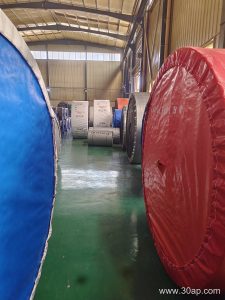
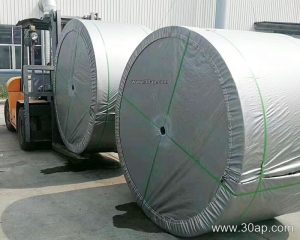
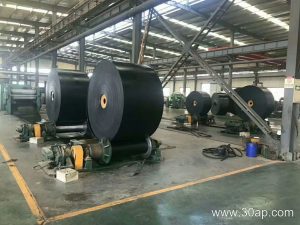
In demanding industrial environments such as underground coal mining, massive aggregate operations, and heavy cement processing plants, material handling infrastructure must withstand extreme operational pressure. The EP1500 Conveyor Belt represents a high-tensile fabric core solution engineered specifically for high-load, long-distance transportation. Unlike standard Rubber Conveyor Belt options, this high-strength grade utilizes polyester warp and polyamide weft yarns to deliver exceptional dimensional stability, low elongation, and superior troughability across rugged terrain.
Structural Composition and Core Specifications
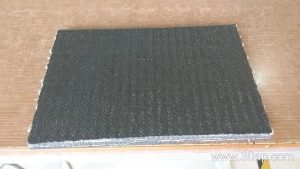
The internal skeleton of an EP Conveyor Belt dictates its overall tensile rating and load capacity. For heavy applications, manufacturers construct the belt body using multiple fabric plies combined with robust top and bottom rubber covers. When planning a bulk material transport line, engineers evaluate parameters carefully to ensure smooth interaction with the drive conveyor pulley and matching idler roller assemblies.
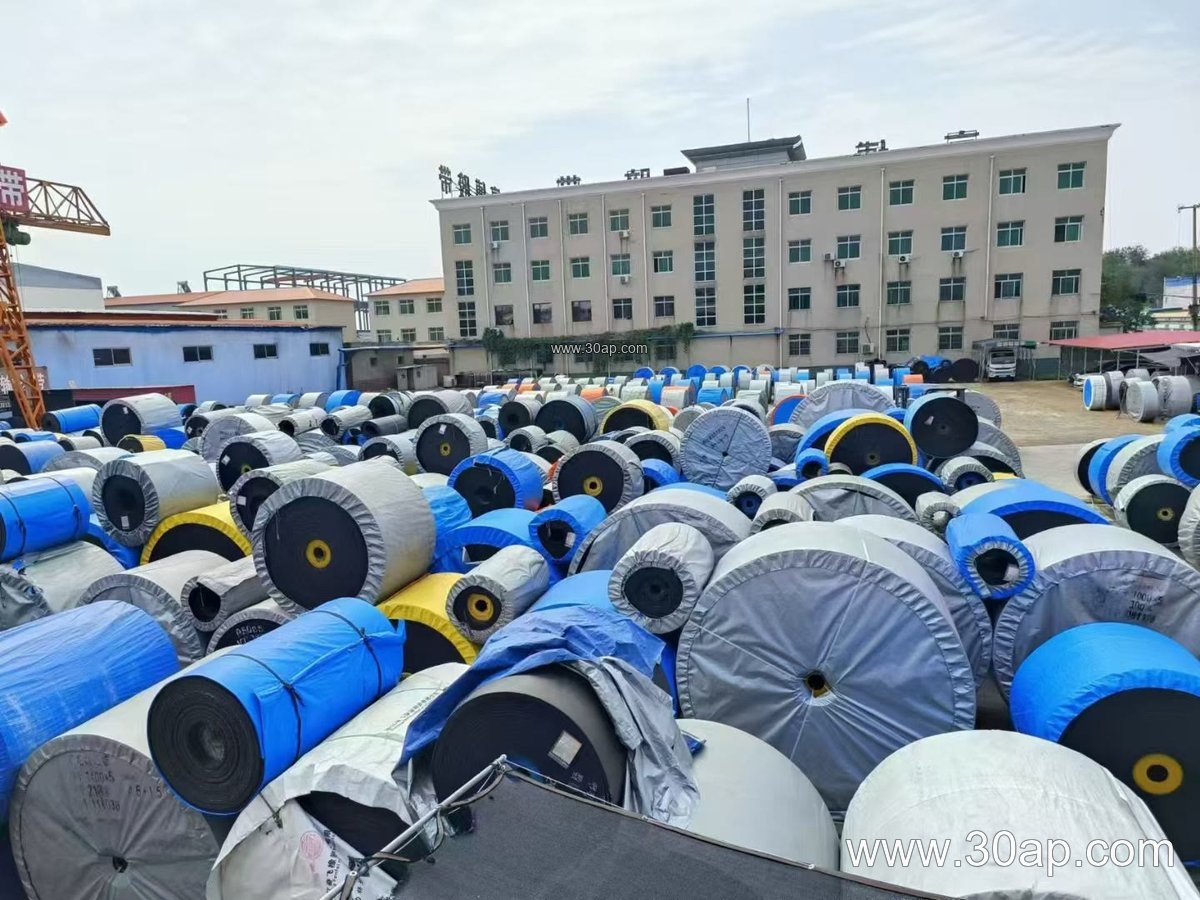
The table below outlines common technical parameters associated with heavy-duty fabric tension ratings and structural ranges found in industrial installations:
| Parameter Category | Common Specification Range |
|---|---|
| Tensile Strength Class | Up to EP1500 (along with lower grades like EP1000 and EP1250) |
| Standard Belt Widths (B) | B800, B1000, B1200, B1400, B1600, B1800, B2000 mm |
| Ply Count Options | Usually 3 to 6 plies depending on total thickness design |
| Top Cover Thickness | 3.0 mm to 8.0 mm (varies by application requirement) |
| Bottom Cover Thickness | 1.5 mm to 3.0 mm |
Operational Applications in Heavy Industries
High-capacity material transport networks rely heavily on robust Mining Conveyor Belt loops to maintain continuous throughput. In ore processing plants, iron ore mining sites, and large Quarry Conveyor Belt circuits, the EP1500 Conveyor Belt manages sharp, abrasive rock feeds without premature carcass failure. The low stretch property of the polyester warp ensures that take-up travel remains minimal even on long overland conveyors.
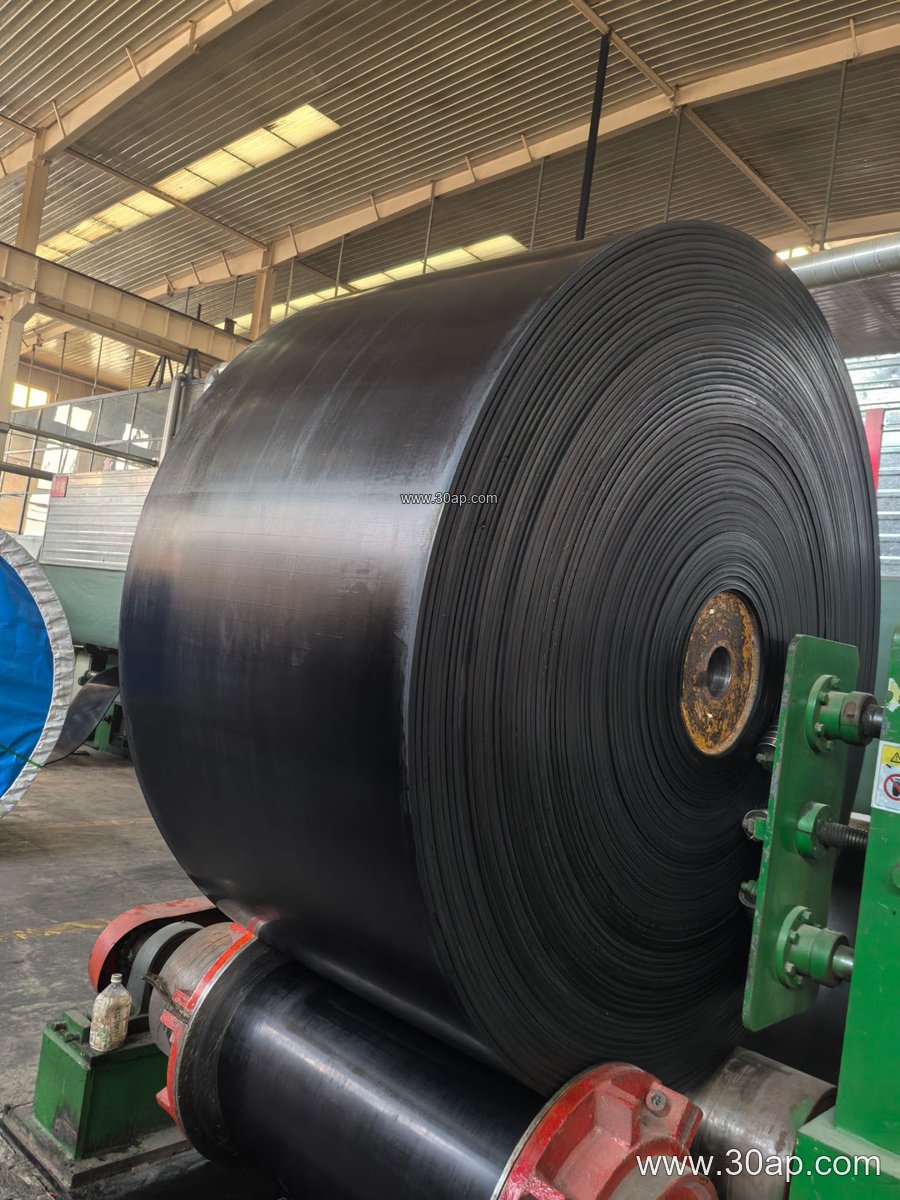
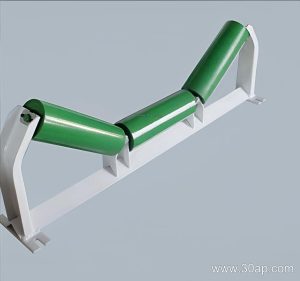
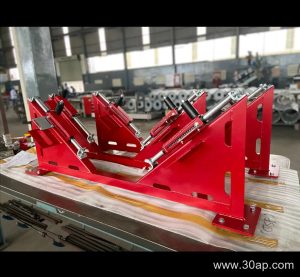
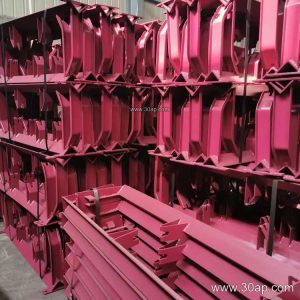
During installation, alignment is critical. Every conveyor bracket must securely hold its respective idler roller set at proper angles to prevent mistracking. Furthermore, engineers must select appropriate tail and bend pulleys matching the specific tension requirements to avoid excessive bending stress on the fabric carcass.
Selection and Maintenance Guidelines
Choosing the correct Multi-Ply Fabric Core Conveyor Belt requires analyzing peak startup tension, material weight, drop heights at transfer points, and environmental exposure. Facilities handling sharp materials often pair high-strength carcass designs with specialized abrasion-resistant or impact-resistant rubber covers. Routine inspections should focus on cover wear, edge damage, splice integrity, and proper rotation of every rotating conveyor pulley component across the entire system layout.