Where the Ø108 Conveyor Idler Fits
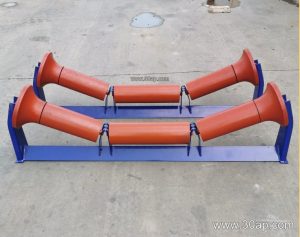
The Ø108 conveyor idler is a carrying roller with a nominal shell diameter of 108 mm. It sits under the belt in troughing stations, usually in a three-roll arrangement, and supports the load between the head and tail of the conveyor. In a limestone quarry or a crushing and screening line, the 108 mm size is a common middle ground: large enough to take a reasonable bearing and shell wall, small enough to keep the belt line low and the frame compact.
Because it is a carrying idler, it should not be confused with the drive pulley, tail pulley or bend pulley. Those are conveyor pulley components that transmit power or change belt direction. The Ø108 conveyor idler only supports the belt; it does not drive it.
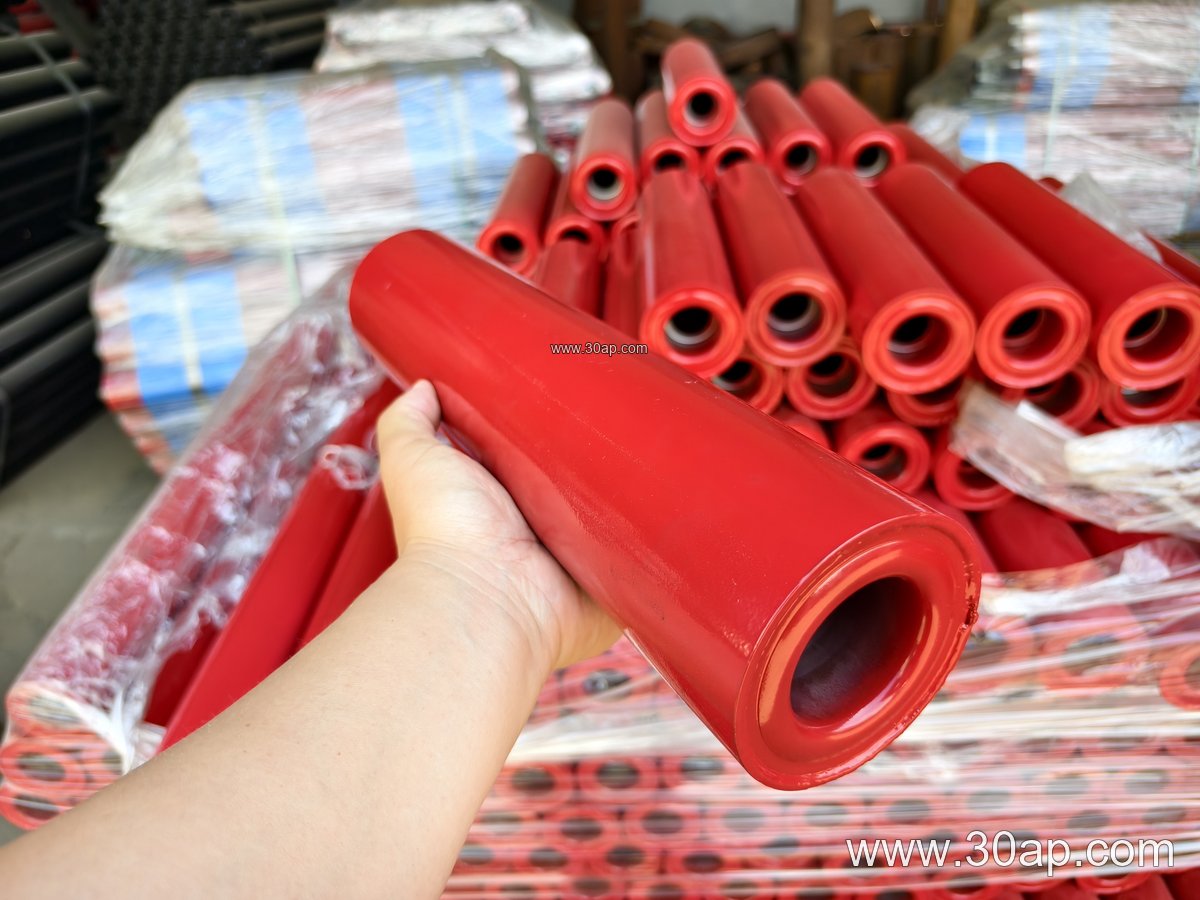
Construction and Key Dimensions
A typical Ø108 idler roller is built from a steel tube shell, welded end discs, a shaft, bearing housings, and a sealing arrangement. Roller surfaces may be plain steel, nylon, rubber ring or ceramic, depending on whether the station needs extra grip, cushioning or wear resistance. Bearing size is matched to the load and speed rather than to the diameter alone, so common bearings such as 6205, 6305 or 6306 can appear in this diameter class.
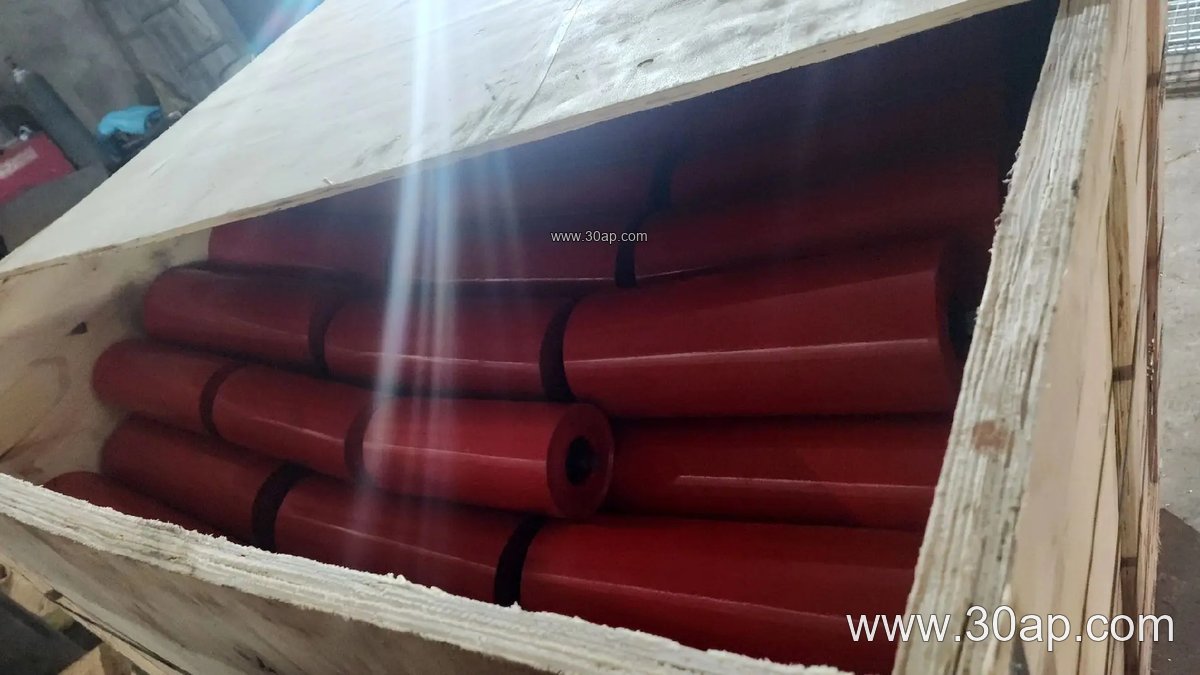
Roller length follows belt width, trough angle and station type. The values below are common examples, not fixed pairings. Side rollers and the centre roller can differ within the same station.
| Belt width | Typical roller length (three-roll trough) | Common trough angles |
|---|---|---|
| B500 | about 200 mm | 20°, 30°, 35° |
| B650 | about 250 mm | 20°, 30°, 35° |
| B800 | about 315 mm | 30°, 35°, 45° |
| B1000 | about 380 mm | 30°, 35°, 45° |
| B1200 | about 465 mm | 30°, 35°, 45° |
| B1400 | about 530 mm | 30°, 35°, 45° |
| B1600 | about 600 mm | 30°, 35°, 45° |
Shaft diameter is determined by the load calculation and the bracket design, not by belt width alone. A Ø108 shell can be supplied on several shaft sizes to suit different conveyor bracket slots.
Applications in Bulk Handling
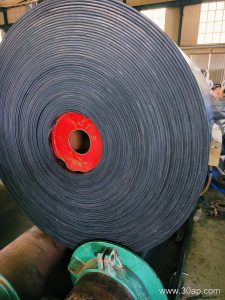
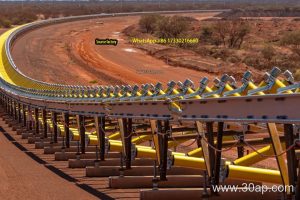
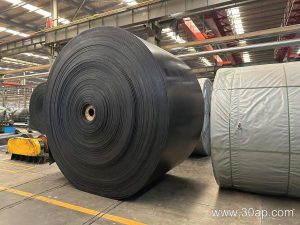
This diameter is frequently seen in cement plants on clinker and raw meal lines, in power plant coal handling, and in aggregate conveyors moving crushed stone. It also appears in smaller iron ore and copper ore circuits where belt widths are moderate. The belt itself may be an EP conveyor belt, a steel cord belt on longer runs, or a heat resistant belt near kiln discharge.
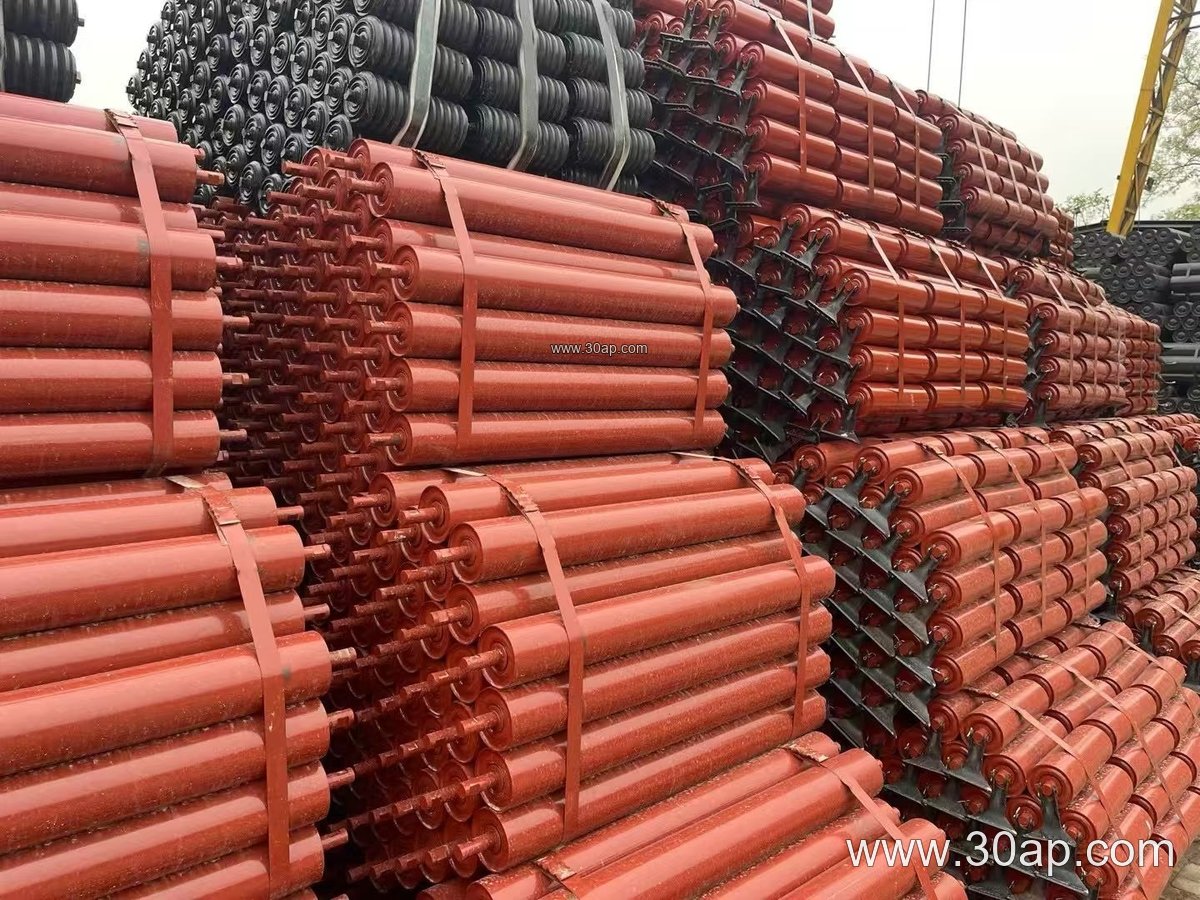
Where material is dropped onto the belt, cushion idlers with rubber rings are often used instead of plain steel rolls. That is a comparison, not a substitute: the cushion type still follows the same diameter and mounting logic, but adds impact absorption at the loading point.
What Buyers Should Check
- Station type: confirm whether the idler goes into a single-roll, two-roll or three-roll troughing set, and whether it is a carrying, transition or return position.
- Roller length and trough angle: match these to the actual belt width and frame; do not assume one belt width locks to one diameter.
- Sealing and bearing: dusty sites such as a coal preparation plant or a quarry need effective labyrinth seals and suitable grease retention.
- Surface form: plain steel for general service, rubber rings for impact zones, ceramic or nylon where wear or build-up is a concern.
- Belt compatibility: a heavy-duty mining conveyor belt and a lighter fabric core belt place different loads on the same idler size.
For a replacement programme, record the shell diameter, roller length, shaft end shape and bracket spacing before ordering. A Ø108 conveyor idler that fits one frame may not fit another, even when the diameter matches.
Maintenance Notes
Check for seized bearings, worn shells and damaged seals during routine walk-downs. A roller that stops turning will wear the belt cover quickly, especially on abrasive service such as a quarry conveyor belt line. Keep spare units for the most heavily loaded stations so that a failed idler can be changed without long downtime.