What a Friction Idler Does on a Conveying Line
A friction idler is a self-aligning roller that uses the friction between the moving conveyor belt and the roller surface to bring a drifting belt back toward the center of the structure. Instead of relying only on gravity or fixed brackets, it reacts to belt misalignment and turns slightly to steer the belt. In a quarry, a limestone mine, or a crusher discharge line, this small correction can prevent spillage, edge damage, and uneven wear on an expensive rubber conveyor belt.
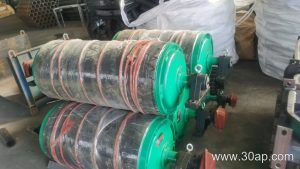
The natural equivalent name is a friction self-aligning idler, sometimes shortened to friction aligning roller. It is a distinct idler type, not a replacement for a drive pulley, tail pulley, or bend pulley. Those pulleys transmit power or change belt direction, while the friction idler works on belt tracking along the carrying or return run.
How the Roller Is Built
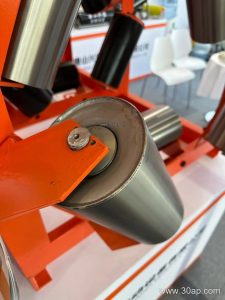
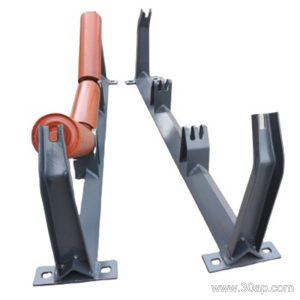
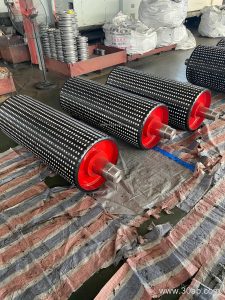
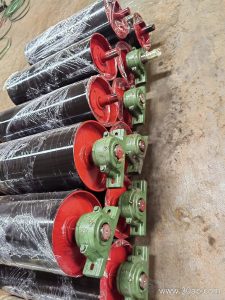
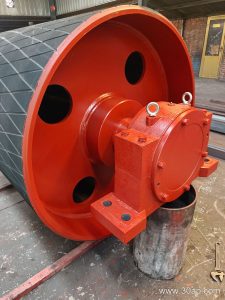
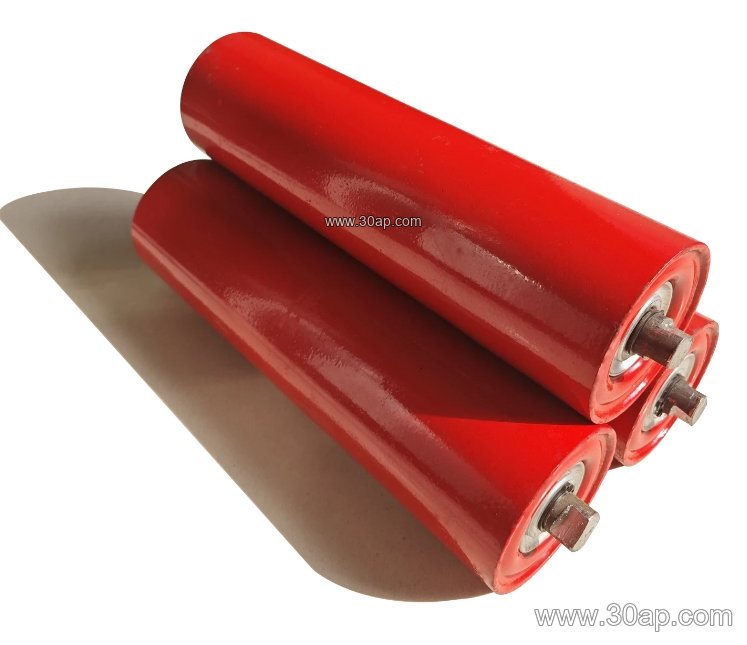
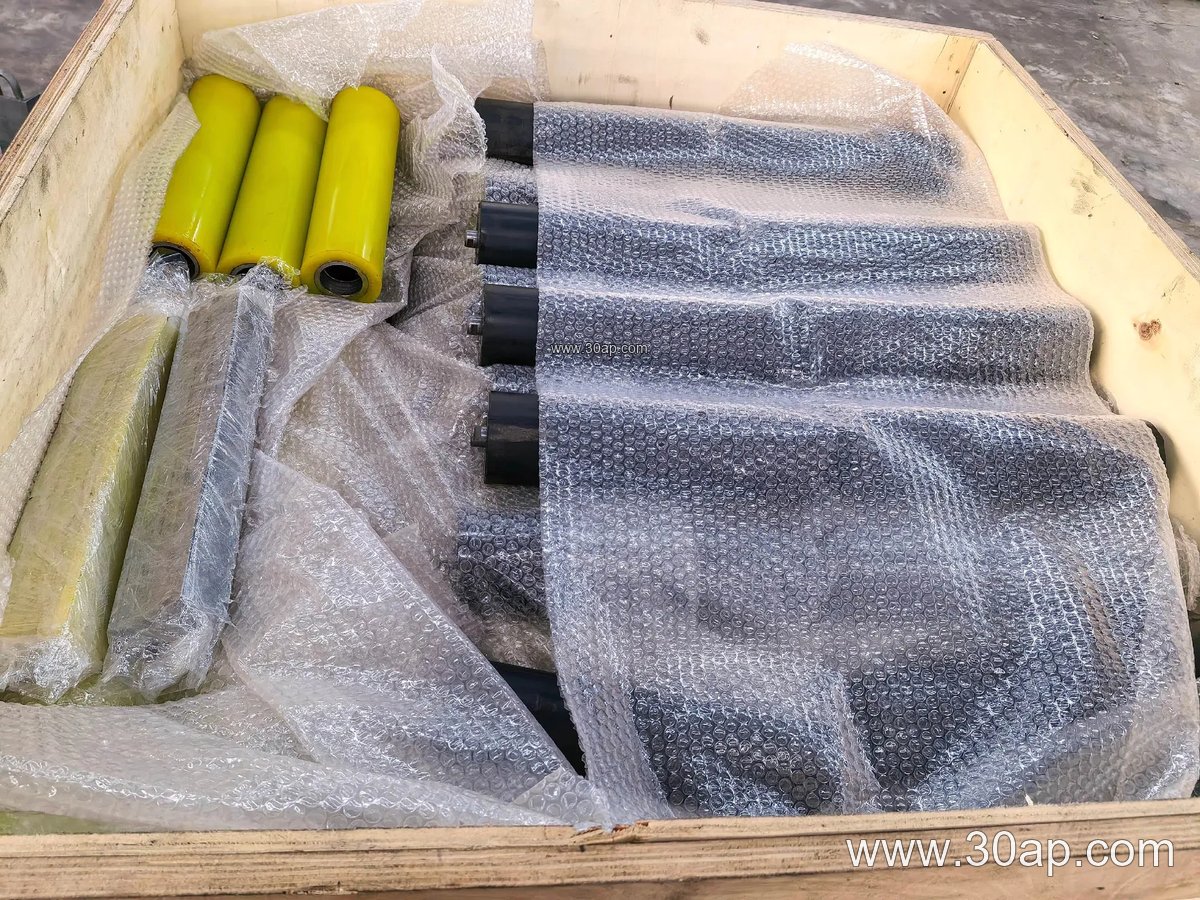
A typical friction idler combines a steel tube shell, bearing housings, a shaft, and a pivoting support that allows the roller or roller set to swing. The friction surface may be plain steel, but rubber rings or polyurethane can be added for better grip and quieter running. Sealed bearings are common in dusty plants, with sizes such as 6205, 6305, or 6308 chosen according to load and shaft design rather than a single fixed rule.
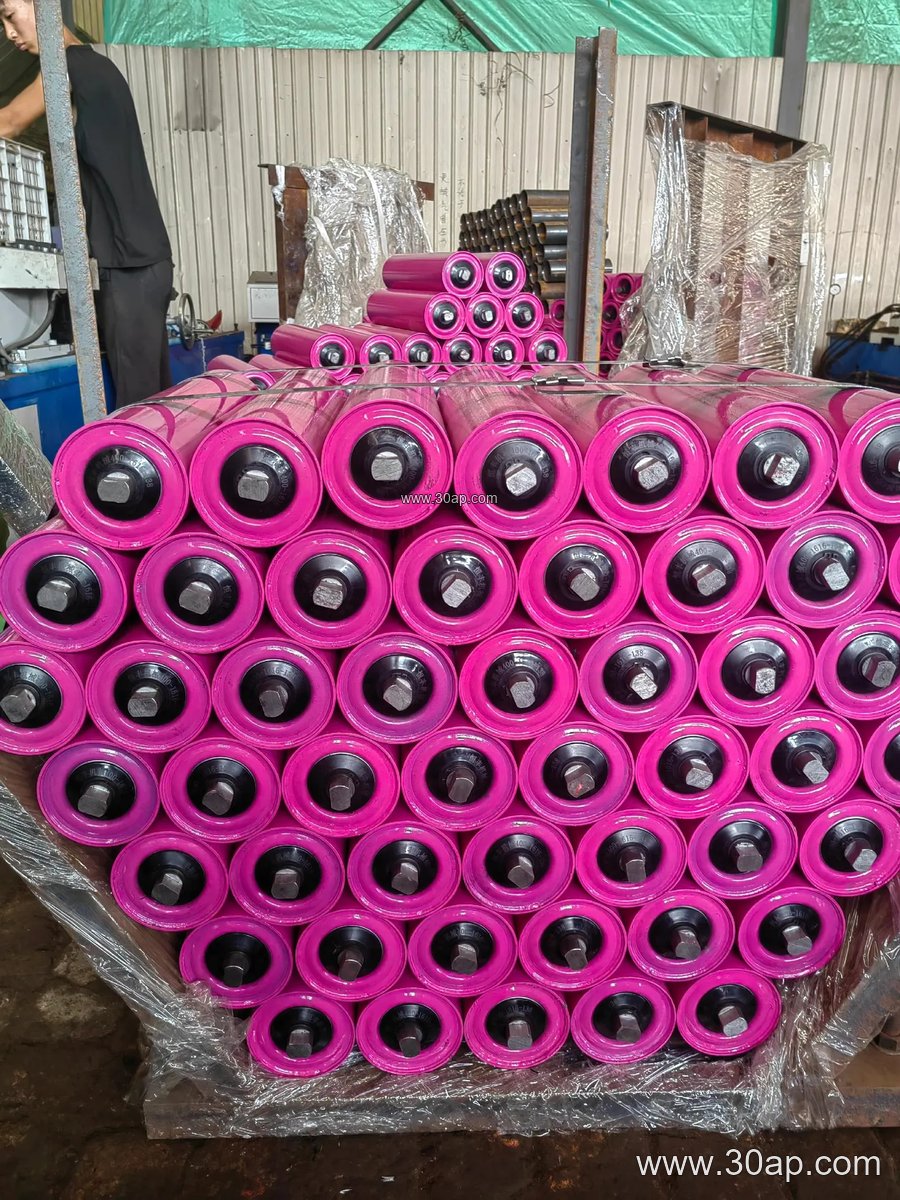
The roller diameter usually follows the conveyor scale. Common sizes include Ø89, Ø108, Ø127, Ø133, and Ø159 mm, while lighter lines may use Ø63 or Ø76 mm. Belt width and idler group form determine roller length. For a three-roll troughing set, a B800 belt often uses rollers around 315 mm long and a B1200 belt around 465 mm, but these are design examples, not fixed pairings.
Where It Fits and Why Tracking Matters
Friction idlers are frequently installed on the carrying side near loading points, on long straight sections, and on return runs where the belt tends to wander. In a coal washing plant or a power plant coal handling system, a flame retardant conveyor belt may run at high speed, and a small tracking error becomes visible quickly. A friction self-aligning roller helps keep the belt centered without constant manual adjustment.
They are also useful in sand and gravel plants, cement plants, and port loading systems handling bulk material conveyor belts. On a steep or curved route, a chevron conveyor belt or a corrugated sidewall conveyor belt can be more sensitive to edge contact, so correct alignment protects the cleats and sidewalls as well as the carcass. Where fine dust and moisture are present, sealed friction rollers reduce the risk of seizure and belt scuffing.
Selection Points for Buyers
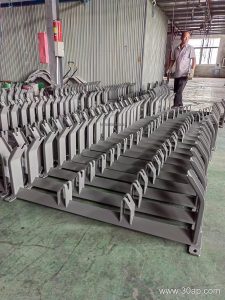
Buyers should match the friction idler to the conveyor bracket, belt width, and load rather than choosing by roller diameter alone. A 500mm conveyor belt and a 2000mm conveyor belt need different roller lengths and support spacing. The table below shows common reference ranges; final values should be confirmed by the conveyor designer.
| Parameter | Common Reference | Notes |
|---|---|---|
| Roller diameter | Ø63 to Ø219 mm | Ø89, Ø108, Ø127, Ø133, Ø159 are common |
| Belt width | B400 to B2400 | B650, B800, B1000, B1200, B1400, B1800 often used |
| Roller length | About 200 to 750 mm | Depends on belt width and troughing form |
| Trough angle | 20, 30, 35, 45 degrees | Selected by material and belt type |
| Bearing | 6204, 6205, 6305, 6306, 6308, 6310 | Matched to load and shaft, not to one diameter |
| Surface form | Steel, nylon, ceramic, rubber ring | Rubber rings improve grip in wet or dusty service |
Also check the mounting bracket height, the clearance around the pivoting frame, and the belt speed. A friction aligning roller on a short transfer may need a different setting from one on a long overland run. For abrasive ore, an abrasion resistant conveyor belt paired with well-sealed idlers lasts longer; for hot clinker or sinter, a heat resistant conveyor belt and heat-rated bearings are more suitable. In underground coal mining, a fire resistant conveyor belt and flame retardant components are normally specified.
Installation and Maintenance Basics
Install the friction idler square to the belt centerline and allow the pivoting parts to move freely. Keep the roller surface clean, because caked material can stop the friction response and turn the idler into a fixed roller. Check bearing play, seal condition, and roller rotation during routine inspections. Replace a worn rubber ring or damaged shell before it cuts into the belt edge.
Used together with a properly tensioned conveyor belt, a straight conveyor pulley, and sturdy conveyor brackets, the friction idler supports stable operation in mining, cement, power, and aggregate service. It is a small component, but its contribution to belt life and plant uptime is practical and measurable in reduced downtime.