What a 6206 Bearing Idler Is
A 6206 bearing idler is a carrying or return roller whose end bearings are the 6206 deep groove ball bearing. In everyday plant language it is often simply called a 6206 bearing roller or a 6206 idler roller. The bearing sits inside the roller shell at each end, supports the shaft, and lets the shell rotate freely while the shaft stays fixed in the conveyor bracket. Because the 6206 is a common metric bearing size, this idler is easy to source, rebuild and interchange in many bulk handling lines.
The 6206 bearing is not tied to one roller diameter or one belt width. It appears across several roller sizes and troughing arrangements, so buyers should always confirm the full roller drawing rather than ordering by bearing number alone.
How the Roller Is Built
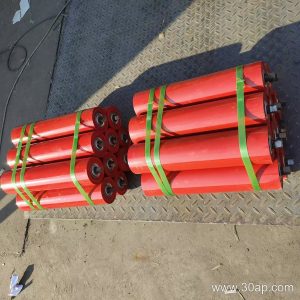
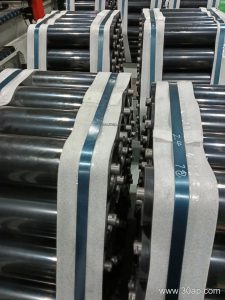
A typical 6206 bearing idler combines a steel tube shell, a through shaft, two bearing housings, seals and a lubrication path. The shell surface may be plain steel, nylon, ceramic or fitted with rubber rings, depending on whether the roller carries abrasive material or absorbs impact.
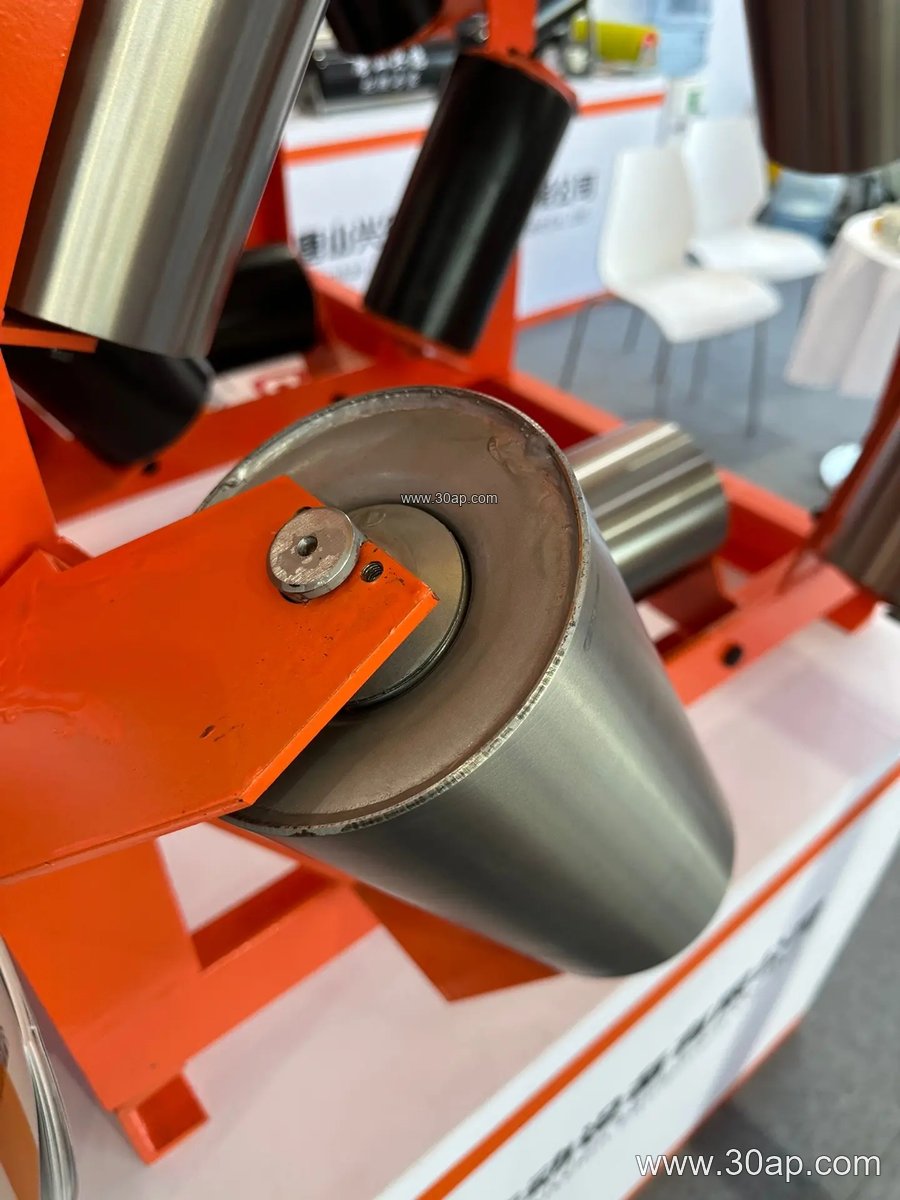
Sealing matters as much as the bearing itself. Dust, grit and water ingress shorten bearing life quickly, especially in a quarry, a coal preparation plant or a cement mill. Labyrinth seals and good grease retention are worth checking on any quotation.
- Shell tube with machined bearing seats at both ends
- 6206 deep groove ball bearings, one per end
- Shaft sized to the bracket and roller assembly
- Seal set selected for the dust and moisture level on site
Where It Fits on the Conveyor
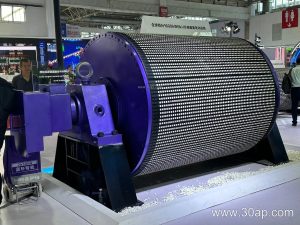
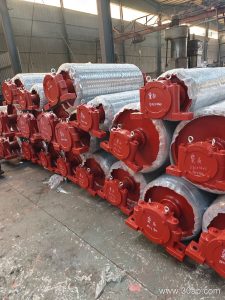
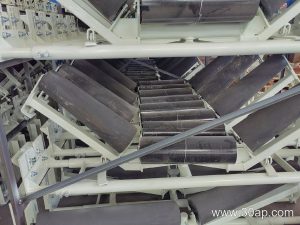
A 6206 bearing idler can serve in troughing sets, transition positions, flat return runs or impact zones, provided the roller drawing calls for that bearing. It is not a substitute for a drive pulley or a tail pulley, and it should not be confused with a bend pulley. Those are conveyor pulleys that transmit or redirect belt tension, while an idler roller only supports the belt and the load.
Common locations include:
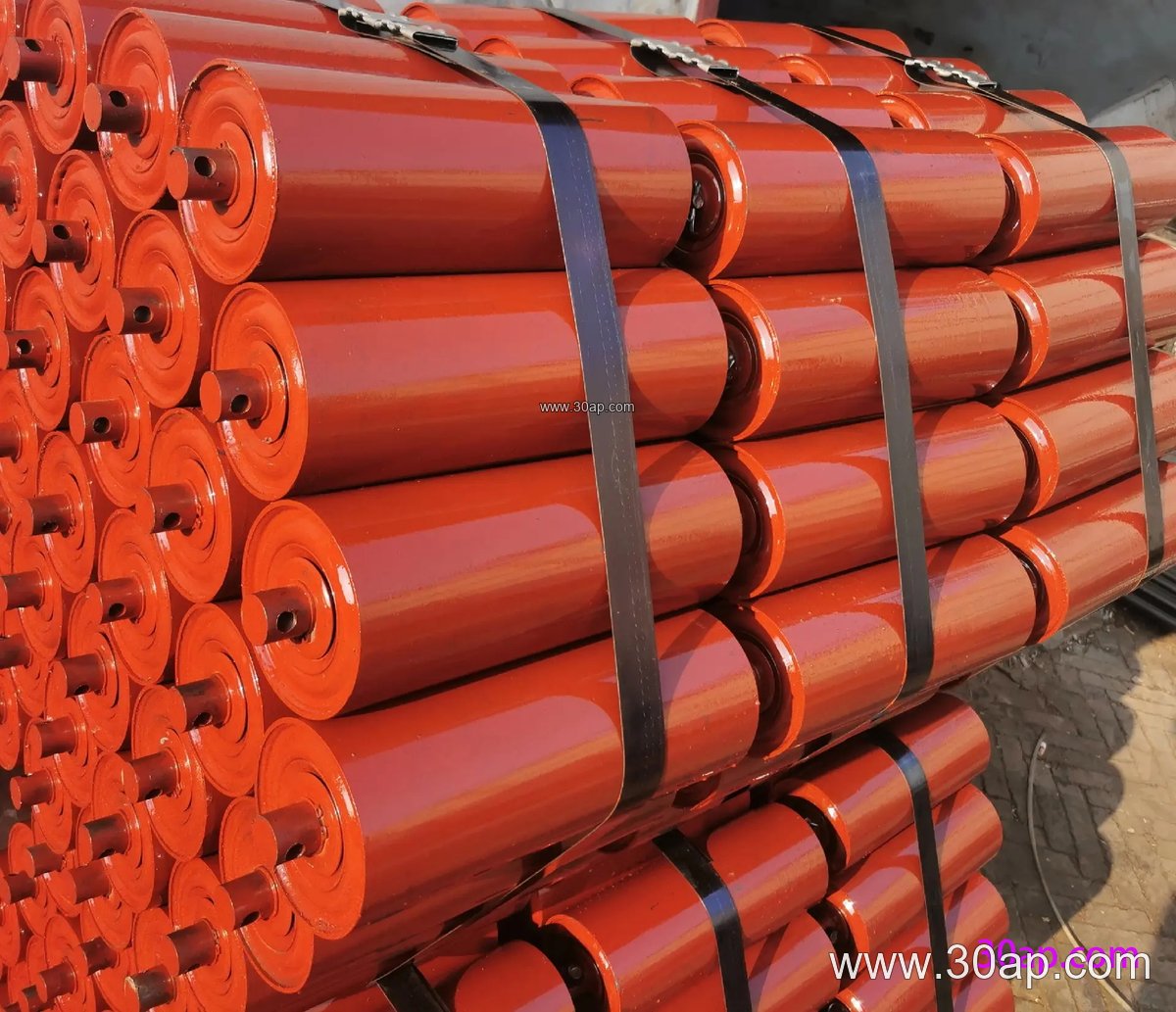
- Troughing idler sets under a loaded Rubber Conveyor Belt
- Return runs using flat or V-return rollers
- Transition zones near a conveyor pulley where belt shape changes
- Impact sections under a crusher discharge or transfer chute
In a limestone quarry, a 6206 bearing idler may sit on a medium-width gathering conveyor. In a power plant coal yard, the same bearing size can appear on a return roller under a Flame Retardant Conveyor Belt. The surrounding equipment changes, but the bearing duty is similar: smooth rotation under dust and load.
Matching Roller Size and Belt Width
Roller diameter, roller length, trough angle and belt width are chosen together during conveyor design. A 6206 bearing idler might use a shell diameter from the smaller end of the range, such as Ø76, Ø89 or Ø102, but the final choice depends on load, speed and the roller manufacturer’s drawing. The table below shows common reference values only; it is not a fixed matching rule.
| Reference item | Common values |
|---|---|
| Bearing | 6206 |
| Roller diameter | Ø76, Ø89, Ø102, Ø108, Ø127 |
| Belt width | B500, B650, B800, B1000, B1200 |
| Trough angle | 20°, 30°, 35°, 45° |
| Troughing set | Two-roll or three-roll |
| Roller surface | Steel, nylon, ceramic, rubber ring |
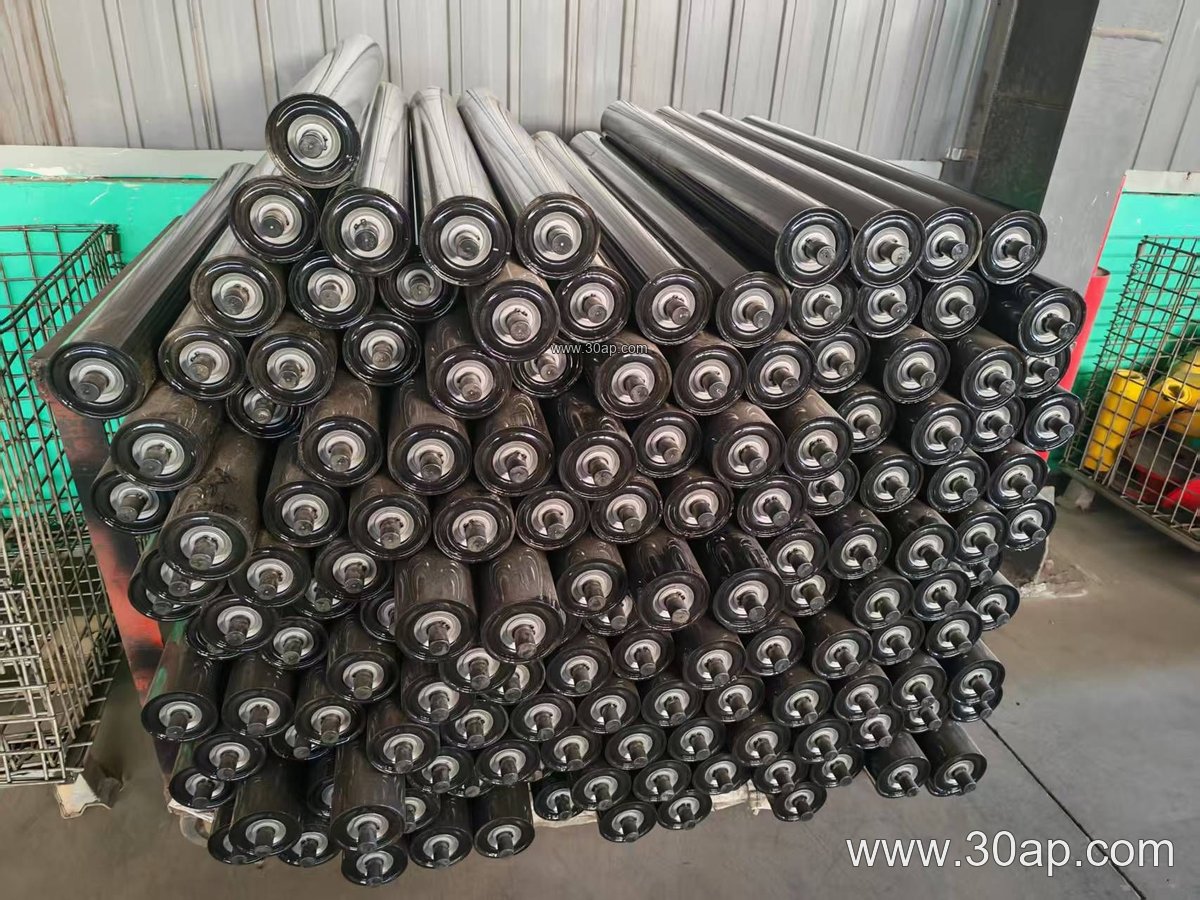
For a three-roll troughing set, common roller lengths are roughly 200 mm at B500, 250 mm at B650, 315 mm at B800, 380 mm at B1000 and 465 mm at B1200. Side rollers and centre rollers can differ, so these figures must be checked against the actual assembly drawing. No belt width should be assumed to fit only one pulley diameter.
Selection Points for Buyers
When requesting a 6206 bearing idler, give the conveyor duty first: material type, belt speed, load per roller and ambient conditions. Then confirm shell diameter, roller length, shaft ends, bracket type and seal class. A roller intended for a Steel Cord Conveyor Belt on a long overland run may need different balance and sealing than one under an Abrasion Resistant Conveyor Belt in a stone crushing line.
Also state the environment. A 6206 bearing idler used in a tunnel spoil line, a fertiliser store or a concrete batching plant faces different contamination risks. In wet or washdown areas, sealed bearing housings and corrosion protection deserve extra attention. In high-temperature zones near a clinker cooler or sinter strand, a standard grease fill may not be suitable.
Installation and Maintenance Notes
Align the conveyor bracket before tightening, and check that the roller rotates without binding. Keep spare 6206 bearing idlers on the shelf for critical runs, and record the roller drawing number so replacements match the original. Inspect for seized shells, grease leakage and worn seals during routine stops. A noisy or dragging roller should be replaced before it damages the belt cover.
For a full conveyor package, the idler works alongside the conveyor pulley, the conveyor bracket and the belt itself. Matching those parts correctly keeps the whole line running quietly. More roller and belt references are available at mysite.example/6206-bearing-idler and mysite.example/conveyor-idler-roller.