What a Conveyor Idler Price Really Covers
When a maintenance planner at a limestone quarry or a coal handling team at a power plant asks about conveyor idler price, the answer is rarely a single number. An idler roller is a small assembly, but its cost reflects steel tube quality, bearing selection, sealing arrangement, shaft machining, and the surface form chosen for the duty. Buyers comparing quotes should look at the specification behind each figure rather than the figure alone.
In practice, the idler price usually moves with the quantity ordered, the roller diameter, the belt width it serves, and whether the item is a standard carrying idler or a specialized variant such as an impact or self-aligning type. A quotation for a B800 three-roll troughing set is not directly comparable with one for a single return roll on the same conveyor belt.
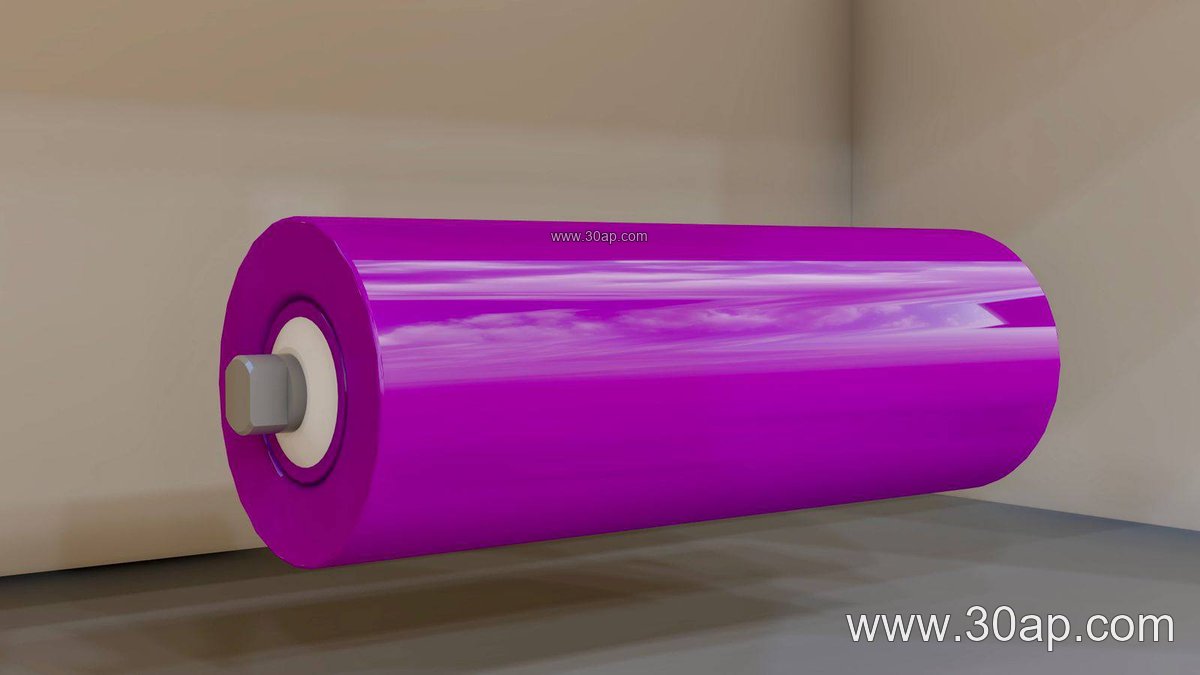
How an Idler Roller Is Built and Why It Matters to Cost
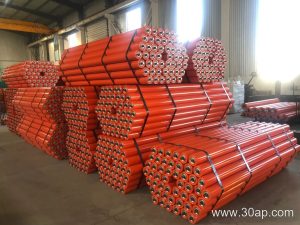
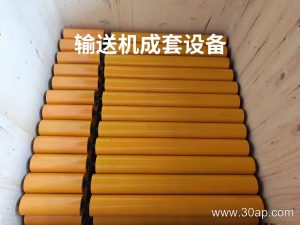
A typical idler roller consists of a steel tube shell, two bearing housings, a through shaft, labyrinth or contact seals, and end caps. The tube wall thickness, straightness, and dynamic balance affect how long the roller runs smoothly under a loaded conveyor belt. Bearings such as 6204, 6205, 6305, 6306, 6308, and 6310 appear across different roller sizes, and the bearing chosen should match the radial load and speed of the application rather than a single fixed rule.
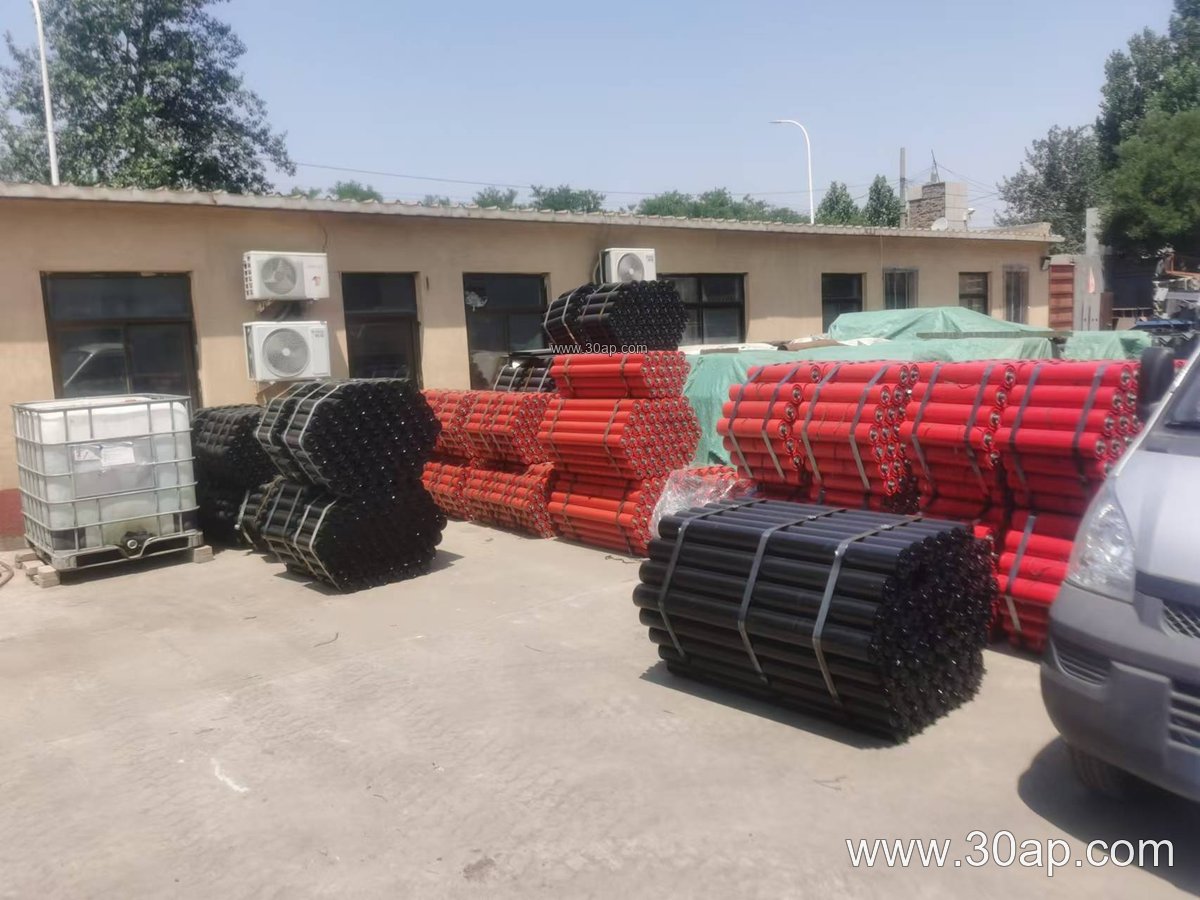
Surface form also influences price. A plain steel shell is the baseline. Nylon, ceramic, or rubber-ring surfaces add cost but can reduce wear or belt slip in specific conditions. Rubber-ring impact rollers, for example, are used at transfer points where falling material would damage a standard shell. The price difference is justified by the added elastomer and the heavier end construction.
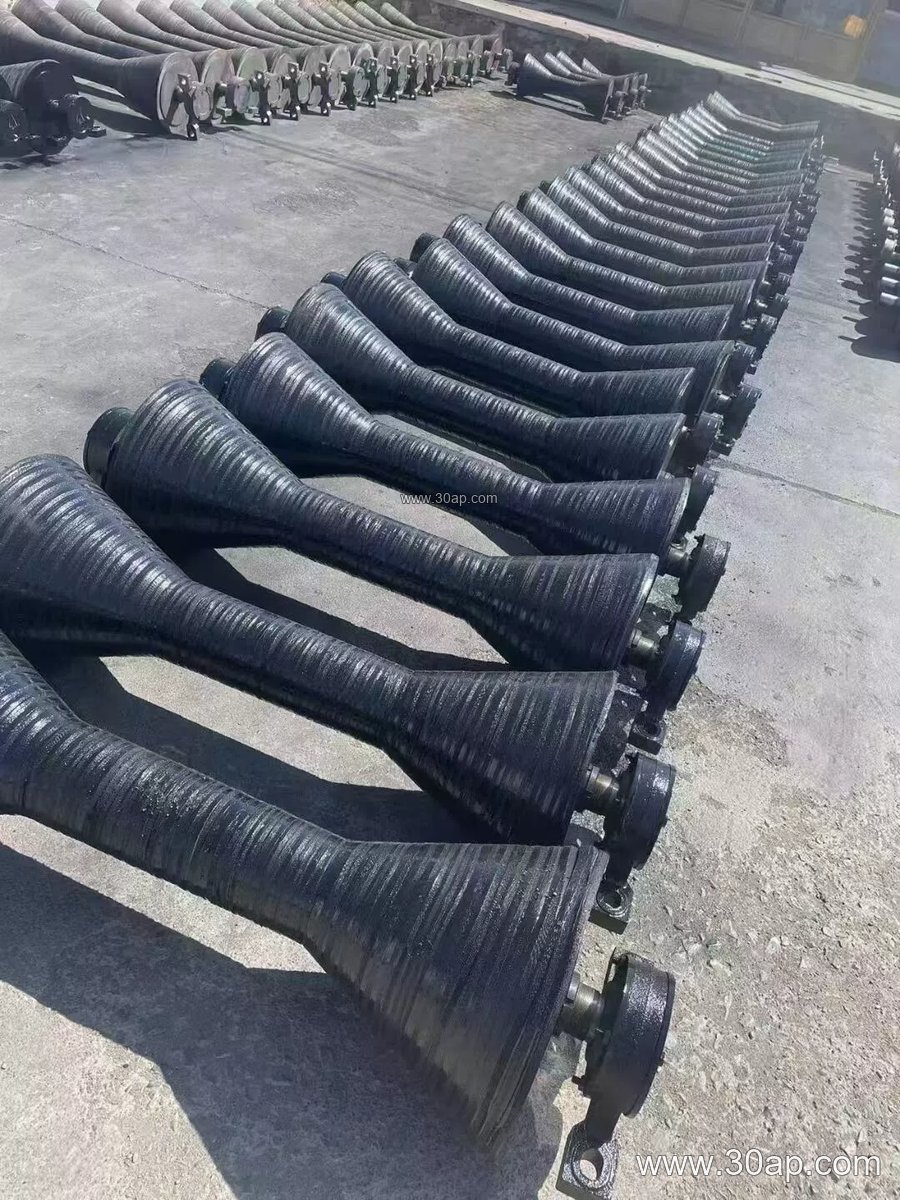
Common Sizes and Reference Data
The table below collects typical reference values. These are examples for orientation, not universal specifications or a supplier’s guaranteed stock list. Final dimensions follow the conveyor design.
| Parameter | Common reference values |
|---|---|
| Roller diameter | Ø63, Ø76, Ø89, Ø102, Ø108, Ø127, Ø133, Ø159, Ø178, Ø194, Ø219 |
| Belt width | B400, B500, B650, B800, B1000, B1200, B1400, B1600, B1800, B2000, B2200, B2400 |
| Trough angle | 20°, 30°, 35°, 45° |
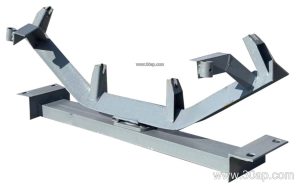
| Idler set form | Single roll, two-roll, three-roll troughing |
| Roller length example (three-roll troughing) | B500 about 200 mm; B650 about 250 mm; B800 about 315 mm; B1000 about 380 mm; B1200 about 465 mm; B1400 about 530 mm; B1600 about 600 mm; B1800 about 670 mm; B2000 about 750 mm |
| Bearing reference | 6204, 6205, 6305, 6306, 6308, 6310 |
Side rollers and center rollers in the same set can differ in length, so the figures above are indicative only. A larger belt width does not lock a conveyor to one roller diameter; the engineer selects the combination based on load, speed, and space.
Where Idlers Sit and Which Types Affect Price
On a crushing and screening line in an aggregate plant, carrying idlers support the loaded strand, while return idlers hold up the empty belt. Troughing idlers with 20°, 30°, 35°, or 45° angles shape the belt into a trough and keep material centered. Transition idlers ease the belt from flat to troughed near a conveyor pulley. Self-aligning types, including friction and tapered designs, correct belt drift on long runs.
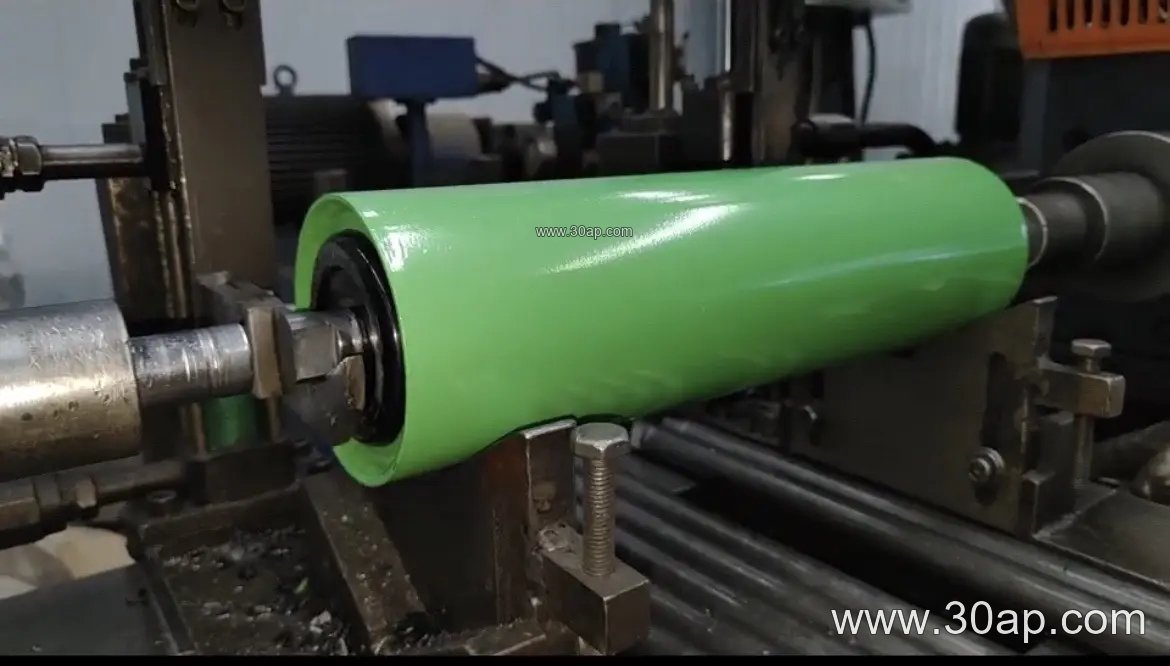
Each of these duties changes the construction and therefore the price. A standard troughing idler is usually the least expensive per unit. Impact rollers with rubber rings, spiral rollers for sticky material, and comb rollers for fine wet loads cost more because of their added components. Return types such as the V-shaped return roller and the flat lower roller also differ in frame and roll count.
What a Buyer Should Check Before Comparing Prices
- Confirm the roller diameter, shell length, and trough angle required for the specific conveyor, not just the belt width.
- Ask which bearing and seal arrangement is quoted, since this is a major cost driver and a maintenance factor.
- Clarify the surface form: plain steel, nylon, ceramic, or rubber ring.
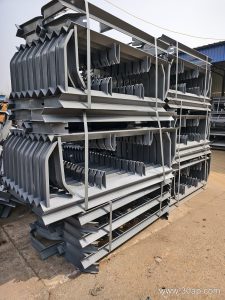
- Check whether the price covers the roller alone, a complete idler set, or the conveyor bracket and frame.
- For impact or transition positions, state the duty so the supplier quotes the correct subtype.
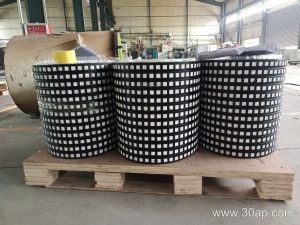
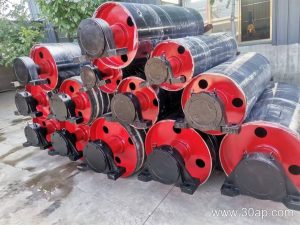
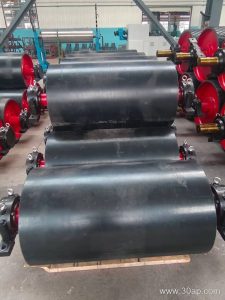
- Remember that conveyor pulley pricing is separate from idler pricing; drive, tail, and bend pulleys are different products and not interchangeable with idlers.
A well-specified inquiry produces a meaningful conveyor idler price. A vague request for “idlers for a B1000 belt” invites guesses. Supplying the trough angle, roll count, diameter, bearing preference, and operating environment helps the buyer compare like with like and avoid surprises at installation.