What a Trough Idler Bracket Does
A trough idler bracket, also called a troughing idler bracket or conveyor bracket, is the structural support that holds the troughing idlers in a belt conveyor. It keeps the idlers at the correct trough angle so the conveyor belt forms a stable channel for bulk material. In a quarry, coal washing plant, cement kiln feed line, or power station coal yard, these brackets are the interface between the idler roller and the conveyor frame. They are not drive pulleys, tail pulleys, or bend pulleys, and they do not replace those components.
Construction and Common Forms
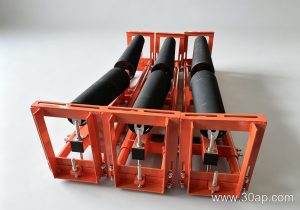
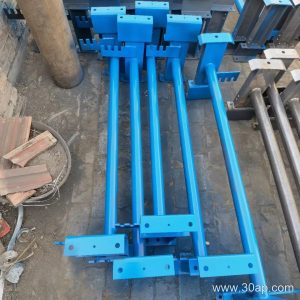
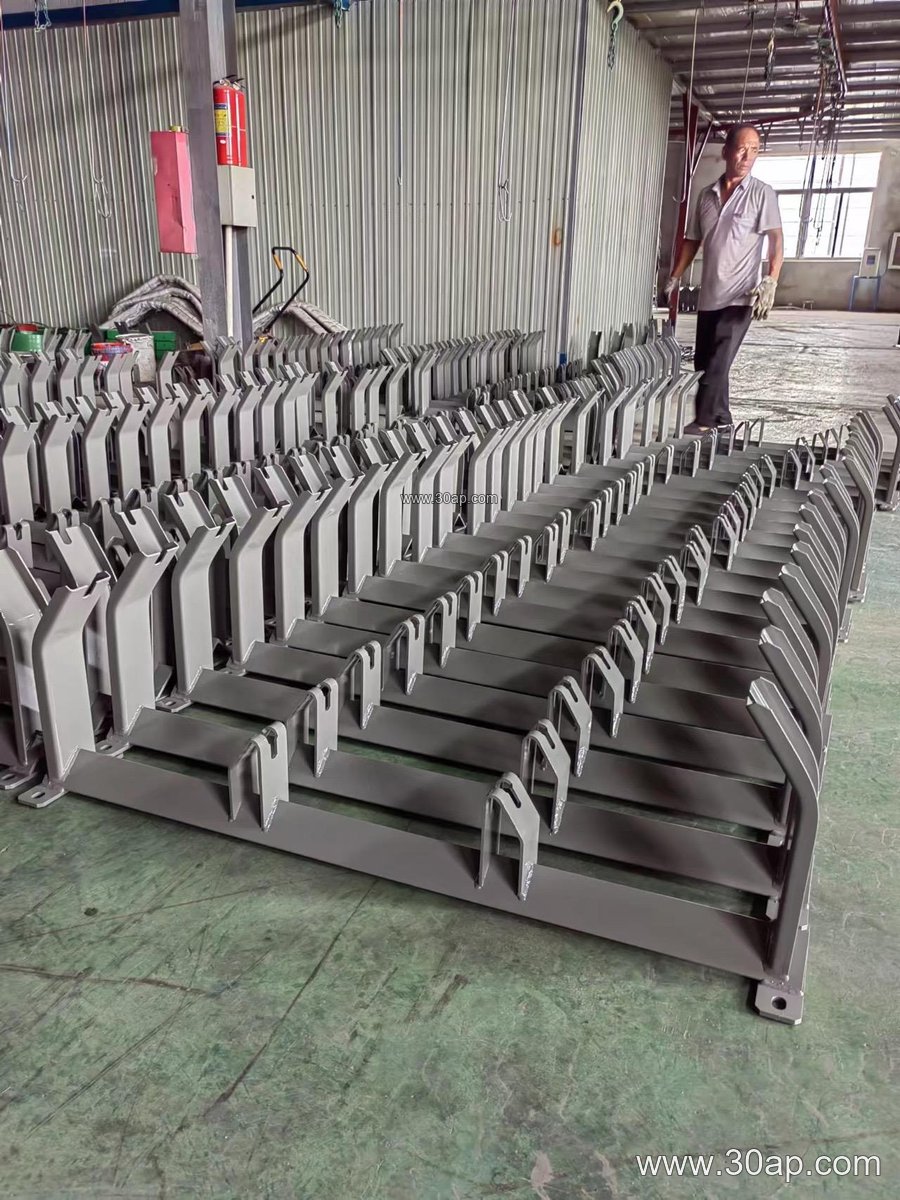
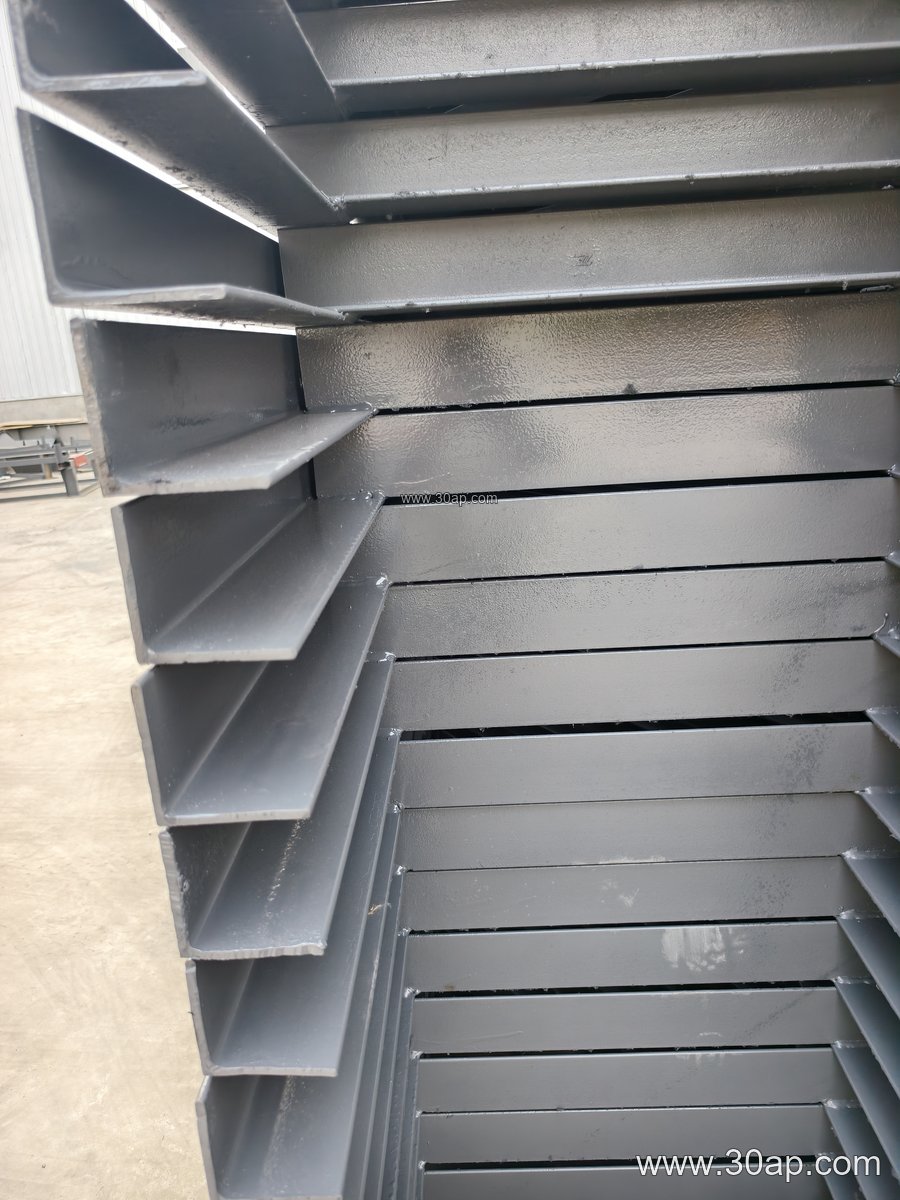
Most trough idler brackets are fabricated from angle steel, channel steel, or folded steel plate. The bracket usually has mounting slots or holes that align with the conveyor stringer, and it positions two or three idler rollers at a set trough angle. Common configurations include fixed trough brackets, transition brackets near the loading point, and adjustable brackets that allow the trough angle to be changed. For comparison, a return bracket supports the belt on the return side, but it is a different subtype and not a substitute for the trough idler bracket.
Surface treatment varies by environment. In dusty or wet conditions such as a limestone mine or a port bulk terminal, buyers often specify painted or galvanized finishes, but the exact coating should be confirmed with the supplier.
Where It Fits in the Conveyor
The bracket sits on the carrying side of the conveyor frame, under the conveyor belt, and holds the troughing idlers that support the material load. It is used in primary and secondary crushing circuits, screening plants, tunnel spoil handling, and fertilizer or grain silo conveying. The bracket must match the conveyor width, the idler diameter, and the selected trough angle. A typical selection might be B800, 35 degree, Ø108, or B1200, 45 degree, Ø133, but no single belt width is limited to one trough angle or one idler diameter.
Key Parameters to Confirm
When specifying a trough idler bracket, confirm the following with the conveyor design. Values below are common references, not universal fixed specifications.
- Belt width: B500, B650, B800, B1000, B1200, B1400, B1600, B1800, B2000, B2200
- Trough angle: 20 degrees, 30 degrees, 35 degrees, 45 degrees
- Idler diameter: Ø89, Ø108, Ø133, Ø159, Ø194
- Bracket material: angle steel, channel steel, folded steel plate
- Mounting hole spacing and crossbeam length: determined by belt width and trough angle, not fixed
Adjustable brackets can be set between the listed trough angles. Forward-leaning brackets commonly use about 1.5 to 2 degrees of tilt to help belt tracking, but this is a design choice rather than a rule.
Buyer Checklist
Before ordering, check that the bracket geometry matches the existing conveyor bracket mounting pattern and the idler roller shaft ends. Confirm whether the application needs a fixed bracket, an adjustable bracket, or a transition bracket near the feed point. In a steel plant sinter line or a mixing plant, dust and spillage may call for heavier plate or better drainage. Ask for the bracket drawing with hole spacing and crossbeam length, since these change with belt width and trough angle. Do not assume a shaft diameter from belt width alone, and do not treat one bracket size as mandatory for every conveyor. The right trough idler bracket keeps the conveyor belt, idler roller, and conveyor pulley working together without unnecessary wear.