What a V-Type Idler Bracket Does
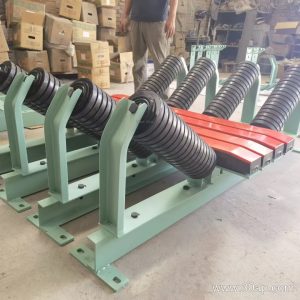
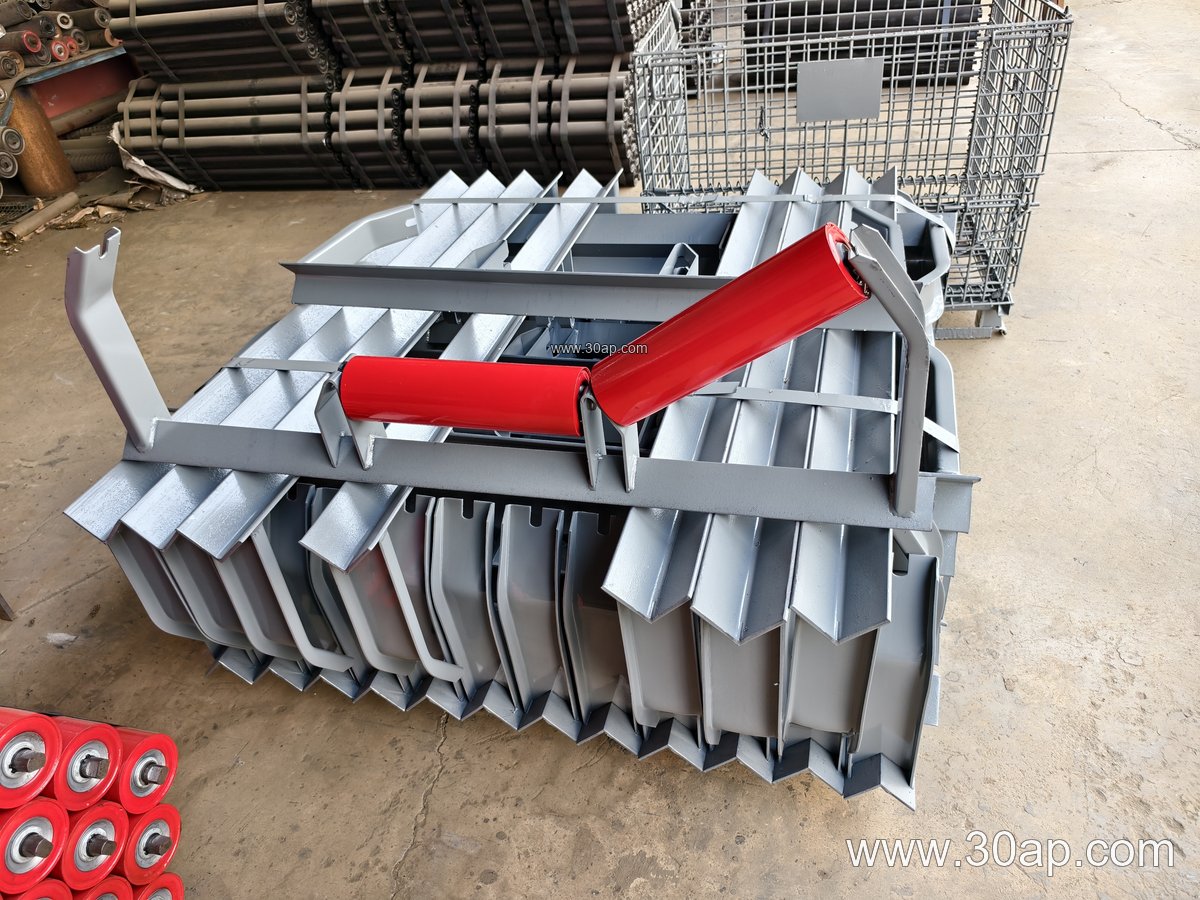
A V-Type Idler Bracket is the support frame that holds two idler rollers in a V shape under the return strand of a conveyor belt. Instead of letting the belt run flat on a single return roller, this bracket tilts the rollers inward so the belt settles into a shallow trough. That simple geometry keeps the belt centred, sheds loose material, and reduces the chance of mistracking on long runs. In a quarry or a cement plant, a well-set V-type return bracket is often the quietest fix for a belt that wanders at the tail end.
The bracket is part of the broader conveyor bracket family, but it should not be confused with troughing brackets on the carrying side or with transition brackets near the pulleys. Each has its own job, and mixing them up leads to poor belt training.
How the Bracket Is Built
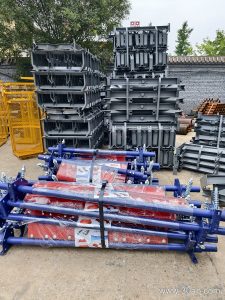
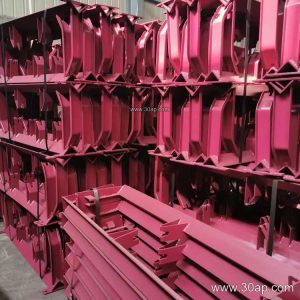
Most units are fabricated from angle steel, channel steel, or folded steel plate. The two arms are set at a fixed V angle, and the idler shafts drop into slots or bolt-on seats. Depending on the design, the bracket may be fixed or adjustable, and the adjustable version lets maintenance crews fine-tune the V angle to suit belt tracking.
Typical build details include:
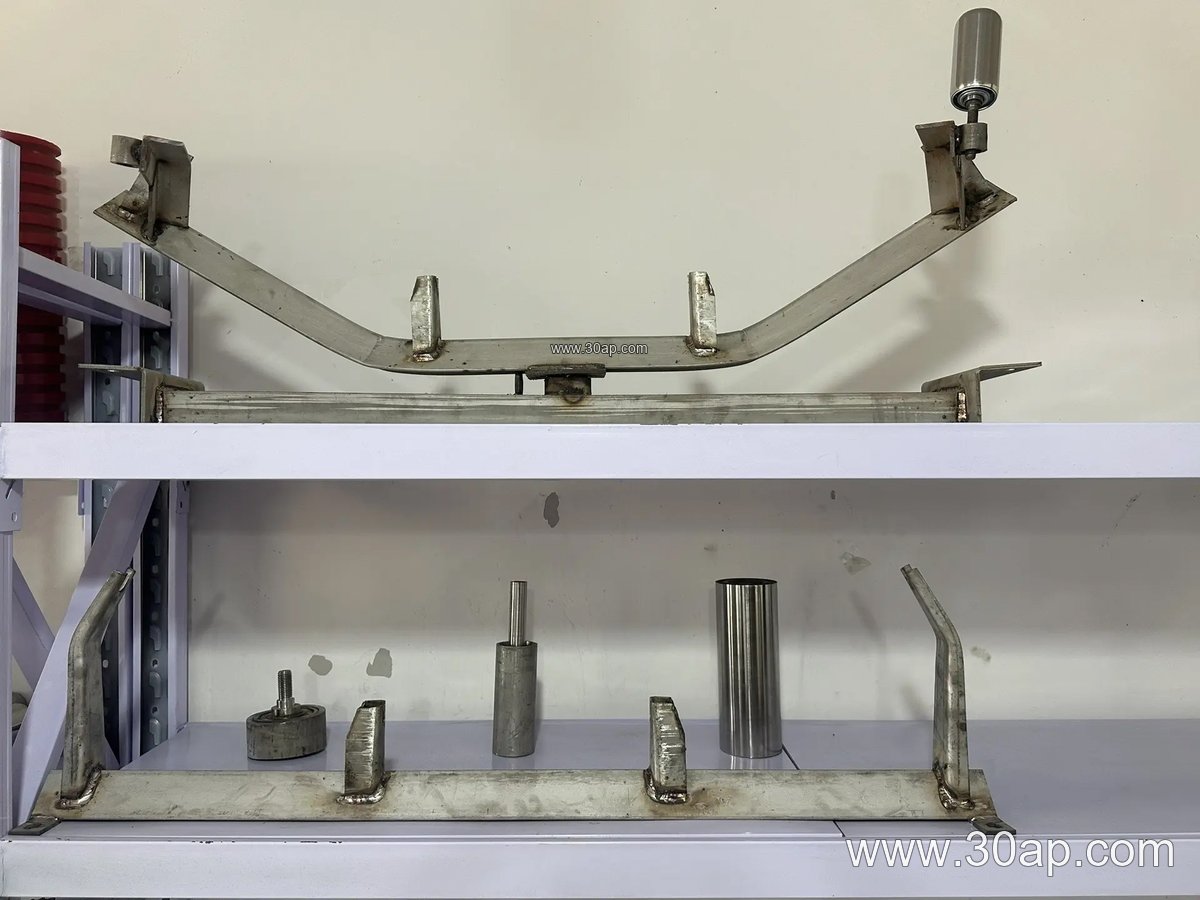
- Welded or bolted frame with two inclined idler seats
- Mounting holes sized to the conveyor stringer spacing
- Optional rubber or polymer pads to cushion vibration
- Galvanised or painted finish for dusty, damp sites
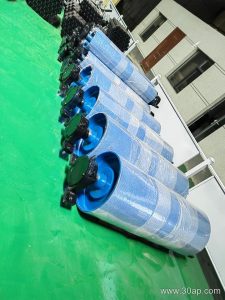
Because the frame carries the return strand, it works together with the idler roller and the conveyor belt rather than on its own. A worn roller or an overloaded belt will quickly show up as poor tracking, even if the bracket itself is sound.
Where It Fits on the Conveyor
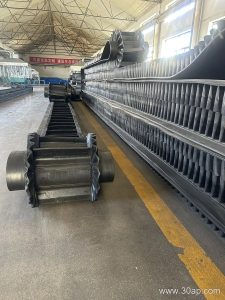
The V-type return bracket sits on the return run, usually spaced at regular intervals between the head and tail. It is common in mines, coal preparation plants, power station coal handling, sand and gravel lines, and crushing and screening circuits. In a limestone quarry or an iron ore plant, the return side often carries fine dust and spillage, and the V shape helps keep that material from building up on flat return rollers.
It is not a substitute for a bend pulley or a tail pulley. Those are conveyor pulley components that change belt direction, while the V bracket only supports and guides the return strand. Keeping that distinction clear helps buyers order the right part the first time.
Common Sizes and Matching
Bracket dimensions follow belt width and idler diameter. The table below shows typical reference combinations; actual mounting hole spacing and beam length are set by the conveyor design, not by a single fixed rule.
| Belt Width | Typical Idler Diameter | Common V Angle |
|---|---|---|
| B500 | Ø89 | 20° |
| B650 | Ø89 / Ø108 | 20°–30° |
| B800 | Ø108 / Ø133 | 30° |
| B1000 | Ø108 / Ø133 | 30°–35° |
| B1200 | Ø133 / Ø159 | 35° |
| B1400 | Ø133 / Ø159 | 35°–45° |
| B1600 | Ø159 / Ø194 | 35°–45° |
| B1800 | Ø159 / Ø194 | 35°–45° |
These figures are common ranges, not universal specifications. A B800 belt can run with more than one roller diameter, and the V angle depends on belt stiffness, load, and the training behaviour of the whole line.
What Buyers Should Check
Before ordering, confirm the belt width, the return idler diameter, and the stringer hole spacing. Ask whether the bracket is fixed or adjustable, and whether the finish suits the environment — a wash-down plant or a coastal port may need better corrosion protection than a dry inland silo. Check that the bracket matches the return roller seats and that the V angle is compatible with the belt construction; a stiff steel cord belt may behave differently from a flexible fabric core belt.
Also consider the material being carried. Abrasive ore or wet coal can wear roller shells and bracket seats, so inspect the assembly as a unit during maintenance. If the belt is a heavy-duty mining belt or a flame retardant belt for underground work, keep spare brackets and rollers on hand to avoid long shutdowns.
Maintenance Notes
Inspect the V bracket for bent arms, loose bolts, and worn seats. Clean spillage from the V so the return rollers turn freely, and replace seized rollers before they wear the belt edge. On adjustable units, recheck the angle after any belt re-tensioning. A small correction at the bracket often prevents a much larger tracking problem downstream.