What This Belt Is and Why It Matters Underground
An underground coal mining conveyor belt is the load-carrying element of a continuous haulage system that moves raw coal from the face area, transfer points, and development headings to the shaft or drift. Unlike a surface yard belt, it works in confined roadways with limited ventilation, persistent moisture, and the constant presence of coal dust and methane. That environment shapes both the construction of the belt and the way it is specified, installed, and inspected. In practice the same product is often called a coal mining conveyor belt or an underground mining conveyor belt, and those terms describe the same heavy-duty article rather than different equipment.
Construction and Common Constructions
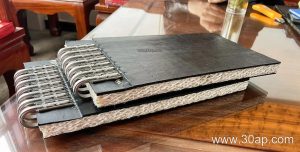
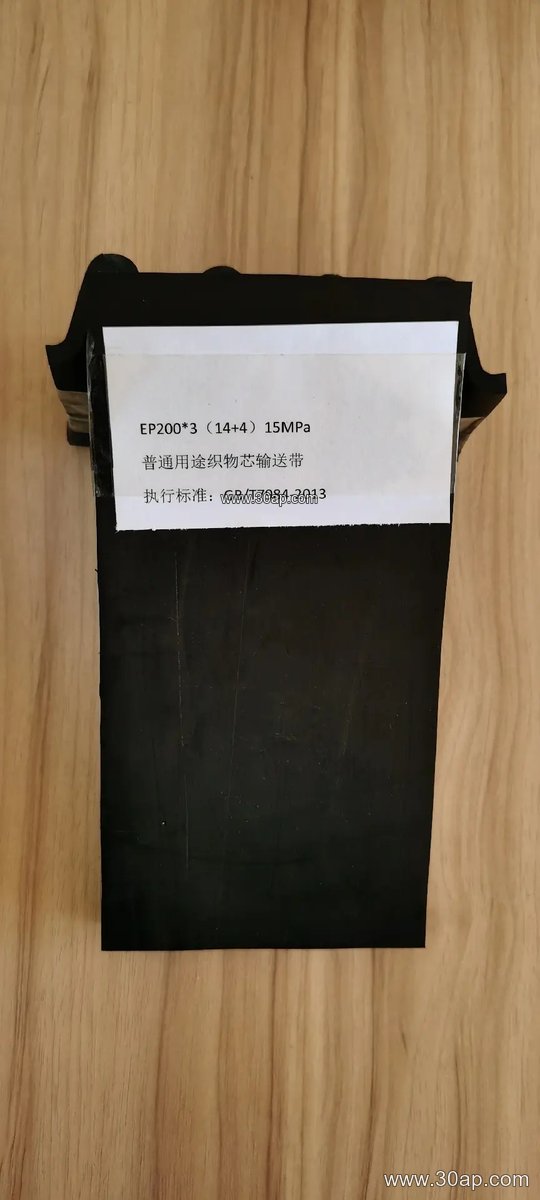
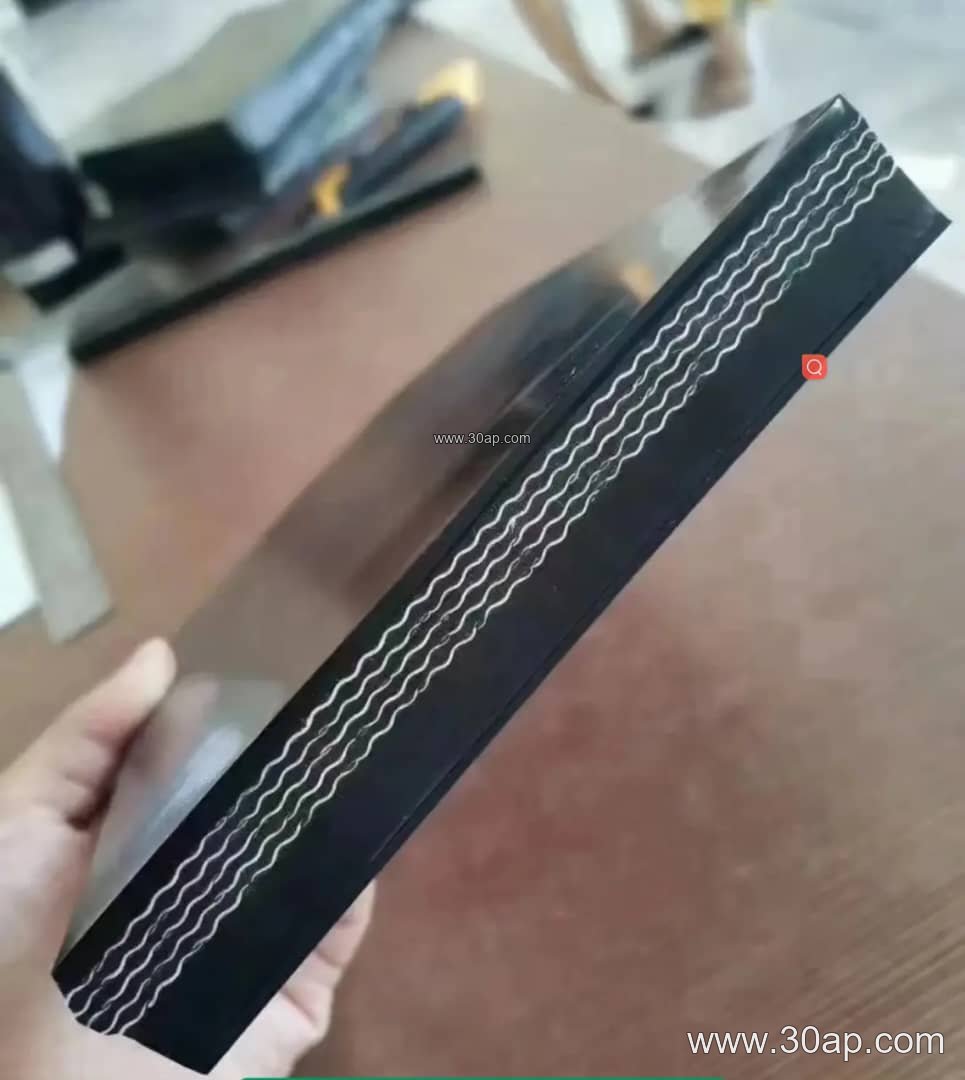
The carcass carries tension; the covers protect it. For most underground roadways the carcass is a fabric core, typically EP (polyester-nylon) or NN (nylon-nylon), built as a multi-ply fabric core conveyor belt with two to six plies depending on duty. Steel cord conveyor belt is used where centers are long and tension is high, though its splice discipline is stricter. Solid-woven PVC and PVG conveyor belts remain common in gassy seams because they combine flame resistance with good troughing.
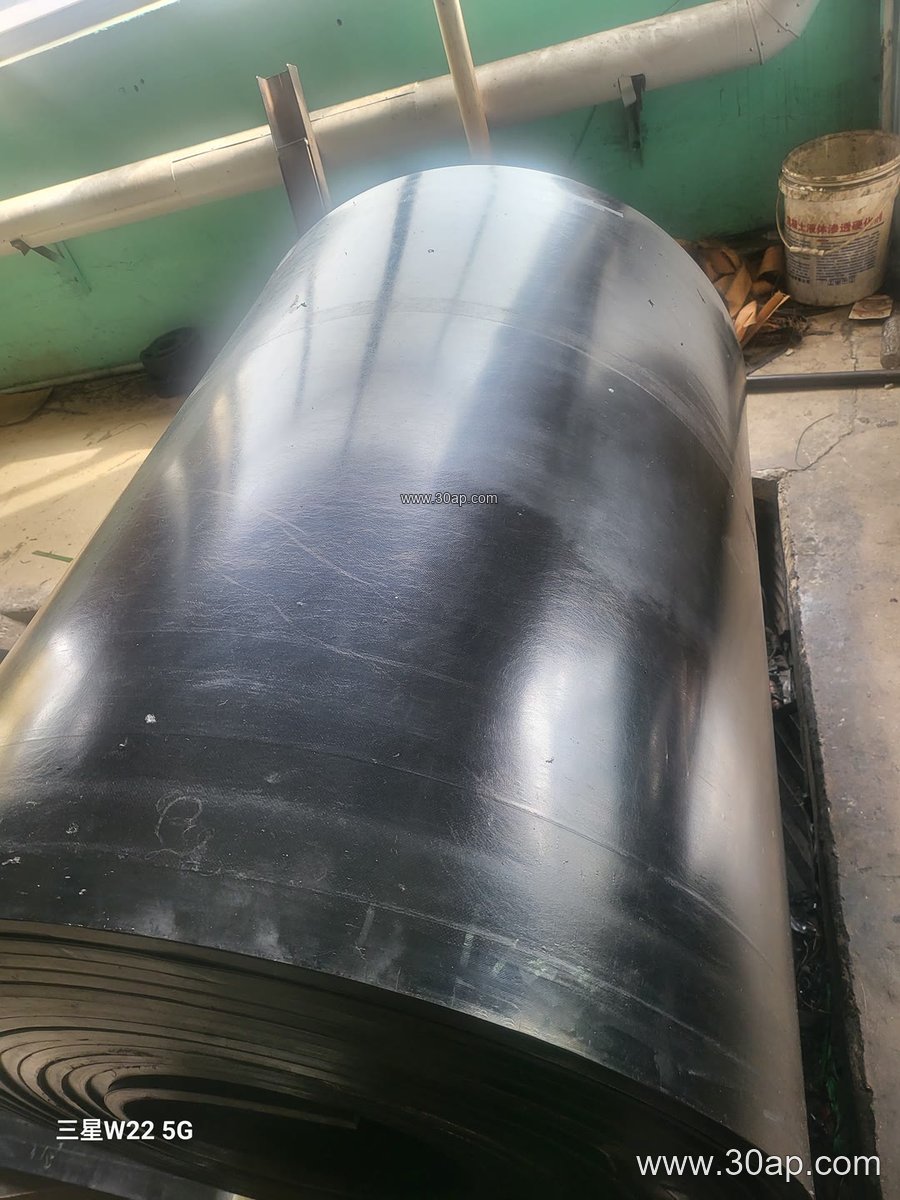
Cover compounds are selected for the roadway, not the brochure. Flame retardant and anti-static grades are usual for coal, and abrasion resistant covers handle lumpy feed at transfer points. Where water is acidic, an acid and chemical resistant cover helps; in cold shafts a cold resistant grade keeps the belt flexible at start-up.
Reference Construction Data
| Item | Typical options |
|---|---|
| Carcass type | EP, NN, PVC, PVG, steel cord |
| Strength grades (EP) | EP200, EP315, EP400, EP500, EP630, EP800, EP1000, EP1250 |
| Belt width | B500, B650, B800, B1000, B1200, B1400, B1600, B1800 |
| Cover thickness (top + bottom) | 3+1.5, 4+2, 5+2, 6+2, 8+3 mm |
| Ply count | 2 to 6 plies, per design |
These figures are common reference values. Final construction is set by the conveyor design, and different manufacturers offer different combinations.
Where It Runs in the Mine
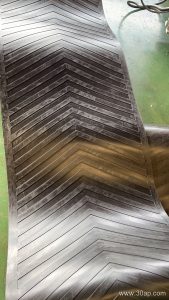
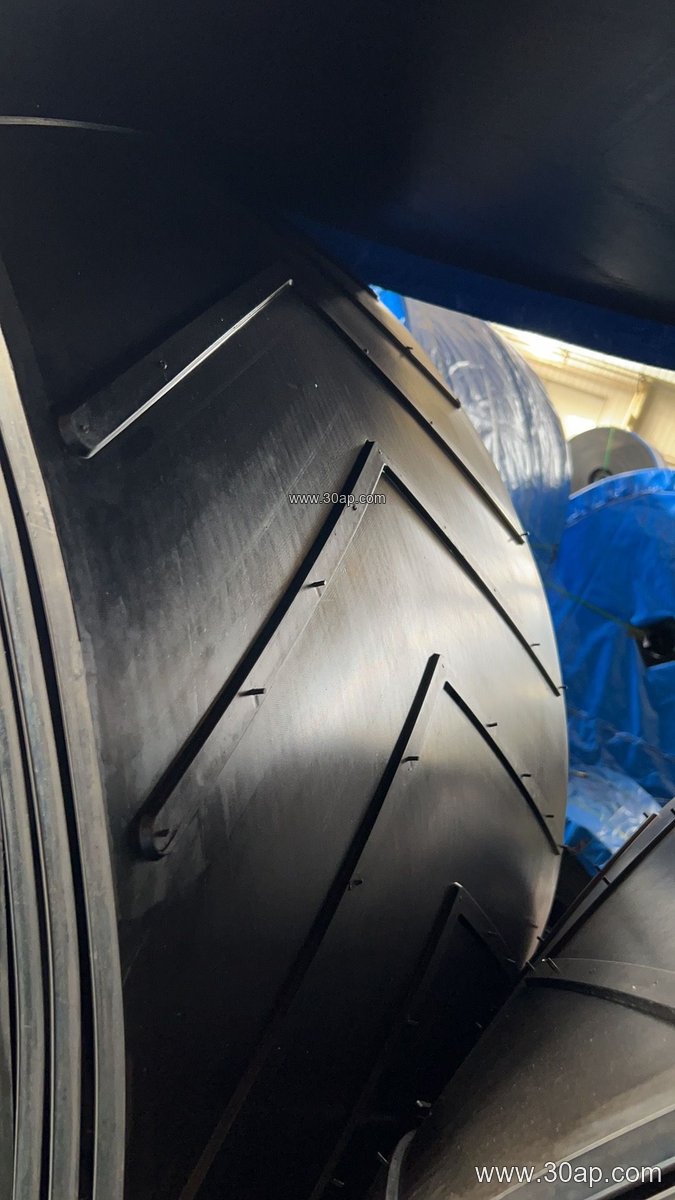
Main trunk conveyors, gate road belts, and panel belts all use the same family of product but at different tensions and widths. A narrow B800 or B1000 belt may serve a development heading, while a B1400 or B1600 main line carries the combined output. Transfer chutes are the hardest point: impact resistant covers and, where needed, a corrugated sidewall conveyor belt or skirted conveyor belt keep material centered on steep or confined sections. Chevron conveyor belt is occasionally chosen for inclined drifts, but plain surface belts dominate horizontal roadways.
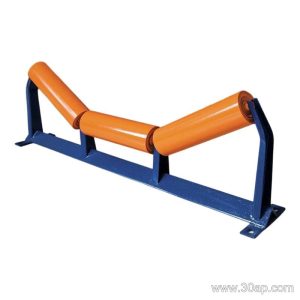
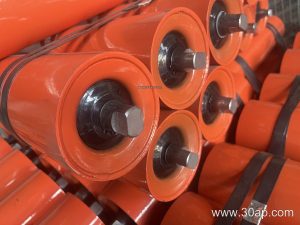
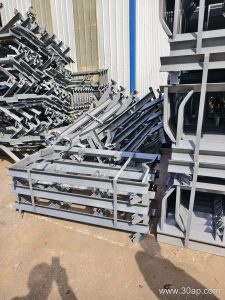
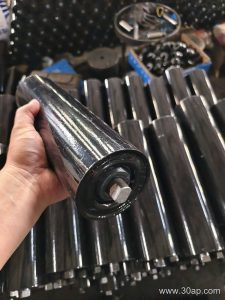
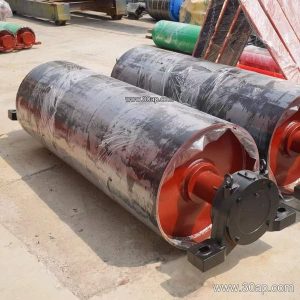
The belt does not work alone. It runs on idler roller sets spaced to control sag, turns over a conveyor pulley at each end, and is held by a conveyor bracket and frame that must stay aligned as the floor heaves. Drive, tail, and bend pulleys each do a different job and are not interchangeable; a bend pulley only redirects, while the drive pulley transmits torque.
Buyer Checklist Before Ordering
- Confirm the actual running tension and center distance; do not size from belt width alone.
- State the flame retardant and anti-static requirement for the seam classification.
- Match cover grade to the feed: abrasion resistant for raw coal with rock, oil resistant only where oil is present.
- Check pulley diameters against belt thickness and ply count with the conveyor designer.
- Agree splice method and whether an endless conveyor belt is required on site.
- Ask for the cover thickness in millimeters, not only a grade name.
For a wider plant view, see the selection notes at www.example.com/underground-coal-mining-conveyor-belt, and compare cover options at www.example.com/abrasion-resistant-conveyor-belt. Pulley and idler coordination is covered at www.example.com/conveyor-pulley.
Installation, Splicing, and Care
Store rolls on a clean, dry floor and keep them out of direct sunlight. Pull the belt squarely; twisting a fabric core during installation creates edge stress that shows up months later. Vulcanized splices are usual for main lines, mechanical fasteners for temporary runs. After start-up, recheck take-up tension and idler alignment, because a misaligned frame wears the belt edge faster than any cover compound can resist.
Routine checks should cover cover wear depth, edge condition, splice integrity, and material buildup on return idlers. In coal roadways, also watch for smoldering debris around transfer points. A belt that is correctly matched to its tension, covers, and pulley geometry will usually deliver the expected service life; one that is oversized on width but undersized on cover will not.