What a 1400mm Diameter Conveyor Pulley Is
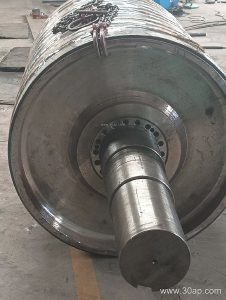
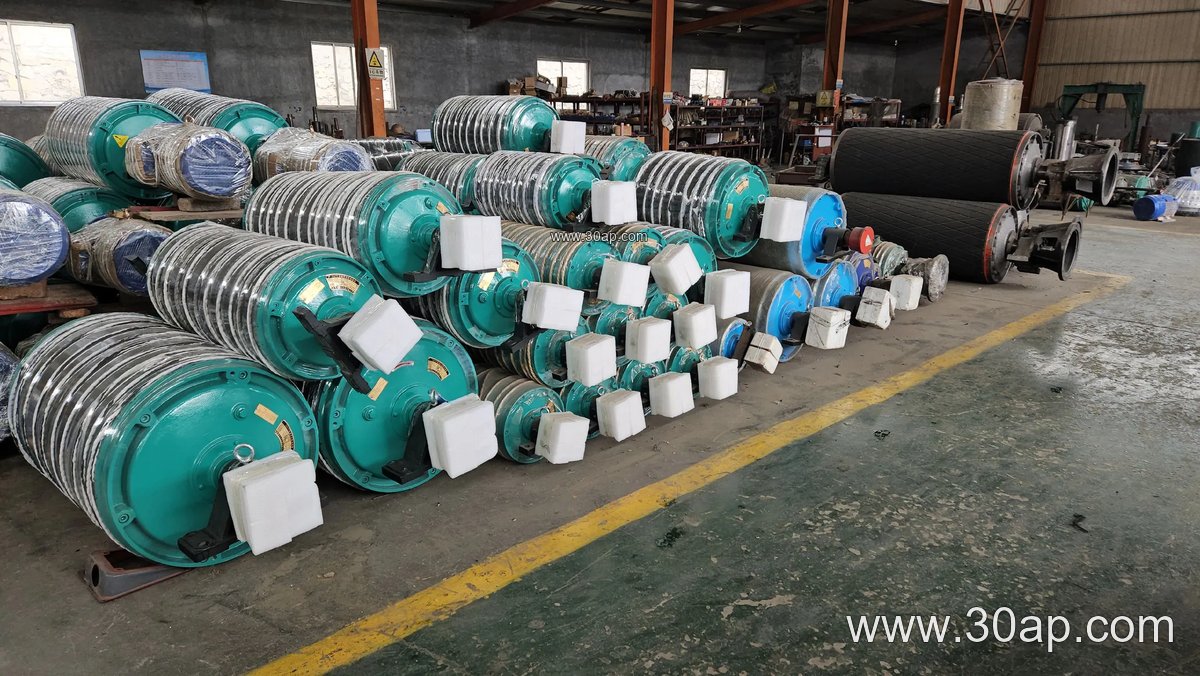
A 1400mm diameter conveyor pulley is a large-diameter drum used at the head, tail or tensioning point of a heavy-duty belt conveyor. At this size, the pulley is normally a welded steel drum with a machined shell, end discs, a hub and a shaft, and it is built to carry high belt tensions without excessive deflection. In practice, engineers often call it a Ø1400 conveyor drum or a 1.4 m head pulley, depending on where it sits in the conveyor layout. It is not a substitute name for a drive pulley or a tail pulley; the position and duty decide which one you need.
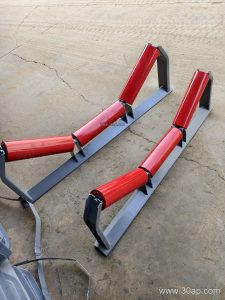
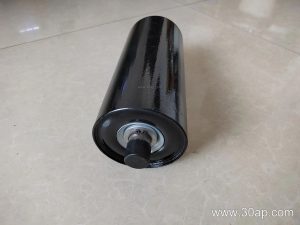
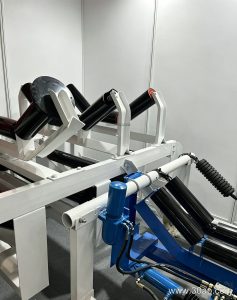
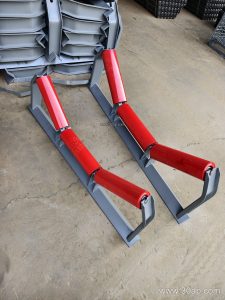
Because of its size, a 1400mm diameter drum is usually found on wide belts and long conveyors in quarries, iron ore plants, coal preparation facilities and port bulk terminals. It works together with the conveyor belt, the idler roller set and the conveyor bracket system to keep the belt tracking and running smoothly.
How the Drum Is Built
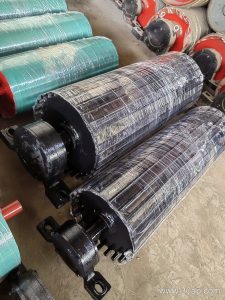
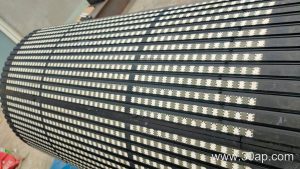
The shell is typically rolled from steel plate and welded to end discs, with the shaft fitted through a hub or shrink-fitted connection. Large pulleys are often stress-relieved before machining so the shell stays round under load. The surface may be plain, or it may carry rubber lagging applied by cold bonding or hot vulcanizing. Diamond lagging and ceramic lagging are common choices where grip and wear life matter.
Typical reference data for this size class looks like this:
- Nominal diameter: Ø1400 mm
- Common belt width range: B1400 to B2000, with shell width usually wider than the belt
- Lagging thickness: 8, 10, 12, 15 or 20 mm
- Shaft diameter: selected by torque and load, often in the Ø120 to Ø200 range for heavy duties
- Surface options: plain, plain rubber, diamond lagging, ceramic lagging
These values are reference points, not fixed rules. A B1400 belt does not automatically dictate one shaft size, and one belt width can be paired with more than one pulley diameter depending on tension and wrap angle.
Where It Fits in the Conveyor
The same 1400mm drum can serve several positions, and each position changes the design emphasis. As a head or discharge pulley, it must handle the full belt tension and resist abrasive carry-over. As a tail pulley, it needs good self-cleaning behaviour and protection from material build-up. As a tension or bend pulley, the wrap angle and lagging choice matter more than raw grip. Drive pulleys add torque transmission to the list, so the shaft, hub and keyway are usually heavier.
In a limestone quarry or a copper ore concentrator, a large head drum often runs with a heavy-duty mining conveyor belt and a dense idler roller arrangement. In a power plant coal handling line, a flame retardant conveyor belt may be specified, and the pulley lagging should be selected to suit the same environment. The pulley does not work alone; it depends on correct alignment of the conveyor bracket and frame.
Matching the Pulley to the Belt
Belt construction affects pulley choice. A steel cord conveyor belt is stiff and needs a larger diameter to limit bending stress, which is one reason Ø1400 pulleys appear on long overland lines. A multi-ply fabric core belt such as an EP conveyor belt or NN conveyor belt is more flexible, but heavy loading still calls for a generous drum diameter. High abrasion resistant conveyor belt and heat resistant conveyor belt grades may run on the same drum size but demand different lagging compounds.
Buyers should confirm the belt type, the working tension, the wrap angle and the duty cycle before ordering. A drum sized for a B1200 belt at moderate tension is not automatically right for a B1800 belt on a crusher discharge. Ask for the shell width, lagging pattern and shaft drawing rather than relying on diameter alone.
Buyer Checklist
- Confirm the pulley position: drive, tail, bend, take-up or snub
- State the belt width and belt type, including fabric core or steel cord construction
- Provide the calculated belt tension and shaft load
- Choose lagging: plain, diamond, ceramic or rubber with a stated thickness
- Check balancing, run-out and bearing fit before installation
- Plan lifting points and access space, since a Ø1400 drum is heavy
Routine checks on bearing temperature, lagging wear and shell run-out prevent most failures. For a large drum, small alignment errors show up quickly as belt edge wear or tracking drift.
Related belt and component information is available at www.beltconveyorsystem.com, covering conveyor belt, idler roller and conveyor pulley selection topics.