What Is a Conveyor Vertical Roller?
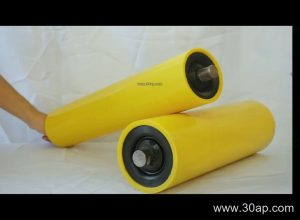
A conveyor vertical roller is a specialized idler used to support and guide the conveyor belt along vertical curves or transitions in a conveyor system. Unlike standard carrying idlers that form a trough, this roller is mounted vertically to keep the belt aligned and prevent material spillage when the conveyor path changes elevation or direction. In industries such as mining, coal preparation, cement plants, and power generation, the conveyor vertical roller plays a critical role in maintaining smooth operation and extending belt life. When paired with quality conveyor belts like EP Conveyor Belt or Steel Cord Conveyor Belt, it ensures reliable performance in demanding conditions.
Construction and Design Features
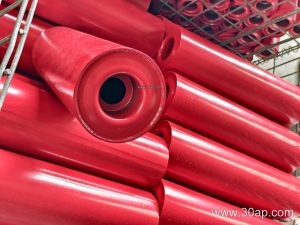
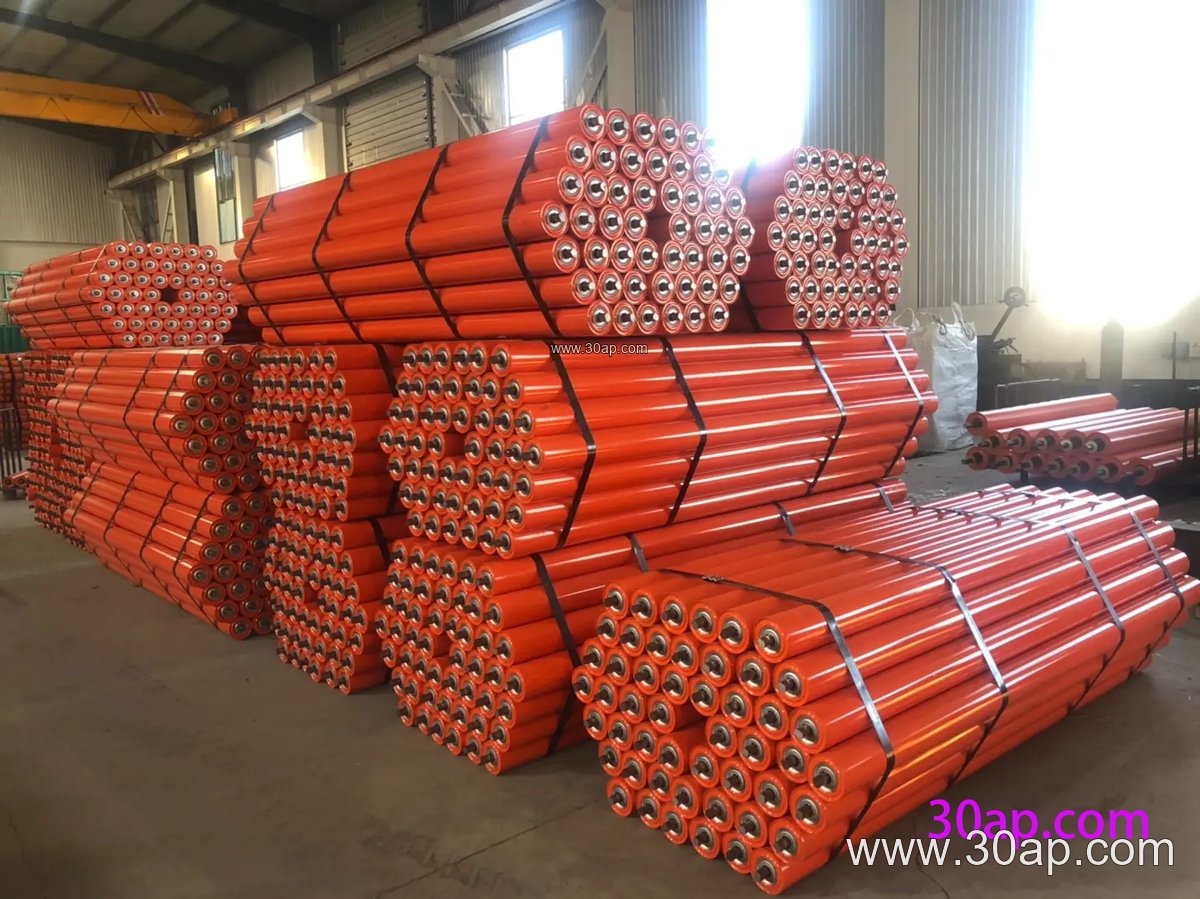
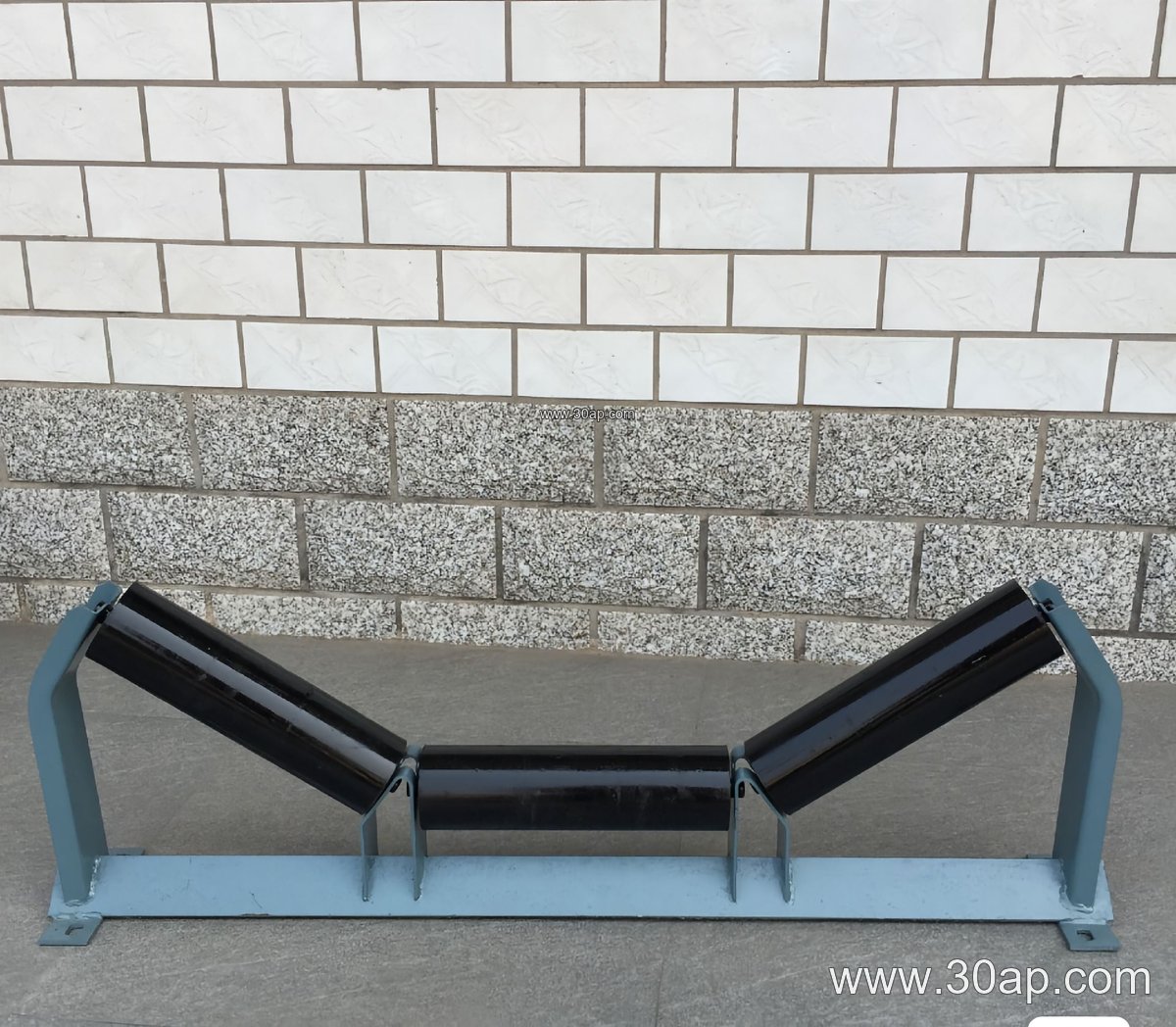
The vertical roller typically consists of a steel tube shell, bearing housings, and a shaft, with options for different surface materials. Common roller diameters range from Ø63 to Ø219 mm, and the roller length is determined by the belt width and the specific application. For example, in a three-roller trough set on a B1000 belt, the side roller might be around 380 mm long, but vertical rollers are often custom-designed to match the transition geometry. Bearings such as 6204, 6205, 6305, and 6306 are frequently used, selected based on load and speed requirements. Surface options include steel, nylon, rubber rings, or ceramic coatings to suit abrasive or corrosive environments. The design must account for axial and radial loads, especially in vertical curves where the belt exerts side forces.
Where It Is Used
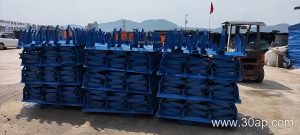
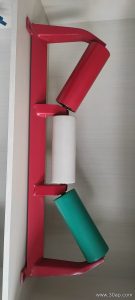
You will find conveyor vertical rollers in bulk material handling systems at quarries, limestone mines, iron ore operations, and aggregate plants. They are also common in coal mining conveyor belts, cement plant conveyor belts, and power plant coal handling systems. In these settings, the vertical roller helps navigate steep inclines, declines, or horizontal curves where the belt would otherwise drift. For instance, in a ship loading conveyor belt system, vertical rollers guide the belt through a curved path to the loading point. They are often used alongside conveyor brackets and idler rollers to form a complete support structure. The choice of roller must consider the belt type, such as Abrasion Resistant Conveyor Belt or Heat Resistant Conveyor Belt, to ensure compatibility.
Key Specifications and Selection Tips
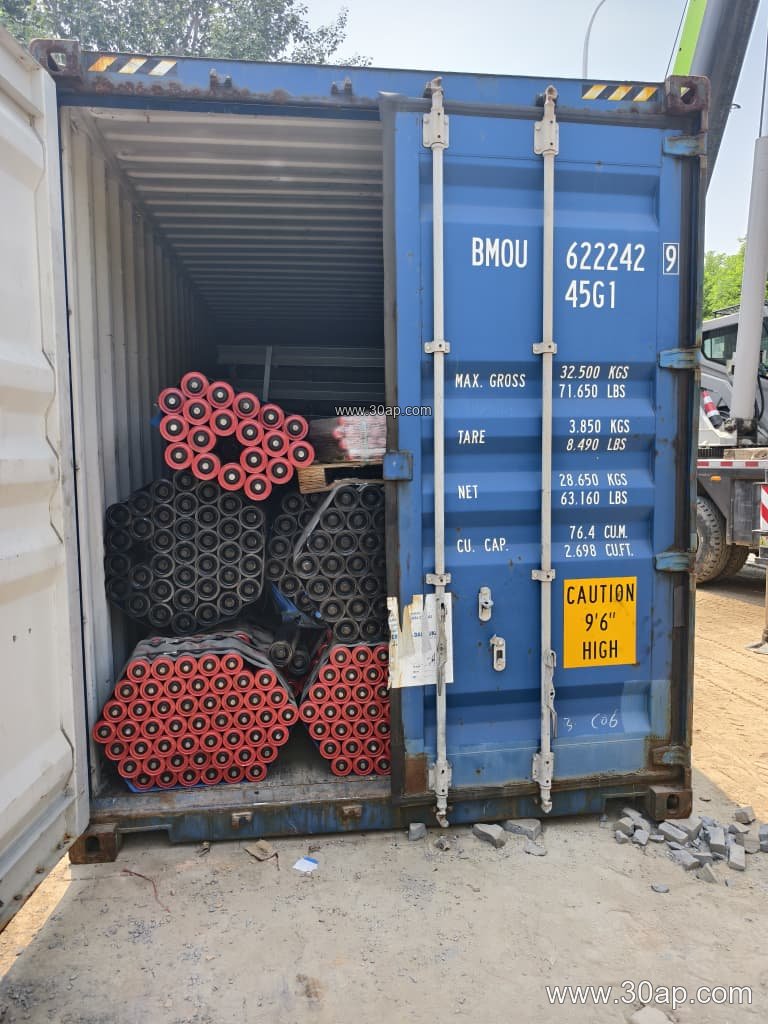
When selecting a conveyor vertical roller, buyers should consider the belt width, roller diameter, bearing type, and surface material. The table below outlines common reference values for roller diameters and belt widths, but these are not fixed pairings—actual selection depends on the conveyor design and load conditions.
| Parameter | Common Range |
|---|---|
| Roller Diameter | Ø63, Ø76, Ø89, Ø102, Ø108, Ø127, Ø133, Ø159, Ø178, Ø194, Ø219 mm |
| Belt Width | B400 to B2400 mm |
| Bearing | 6204, 6205, 6305, 6306, 6308, 6310 |
| Surface | Steel, nylon, rubber ring, ceramic |
It is important not to assume that a specific belt width automatically dictates a certain roller diameter or shaft size. Always consult the conveyor design and load calculations. For heavy-duty applications, such as those using Heavy-Duty Mining Conveyor Belt or ST2000 Steel Cord Conveyor Belt, larger diameter rollers with robust bearings are often necessary. Also, consider environmental factors: in cold climates, a Cold Resistant Conveyor Belt may be used, and the roller should be suitable for low temperatures.
Maintenance and Troubleshooting
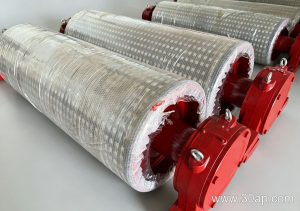
Regular inspection of conveyor vertical rollers is essential to prevent belt misalignment and premature wear. Check for bearing noise, roller rotation, and surface wear. In abrasive environments like quarry conveyor belt systems, rubber or ceramic-covered rollers can extend service life. Ensure that the roller is properly aligned with the belt path and that the conveyor bracket is secure. Lubricate bearings as recommended, and replace any roller that shows signs of seizing or excessive play. When replacing, use the same specification or consult the manufacturer for an equivalent. Remember that drive pulleys, tail pulleys, and bend pulleys are not interchangeable with vertical rollers; each has a distinct function in the conveyor system.
For further information on conveyor components, visit our website at https://www.example.com/conveyor-vertical-roller.