What a Conveyor Frame Does
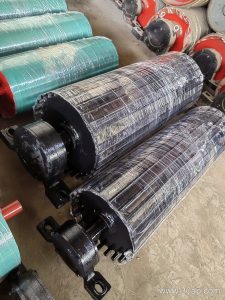
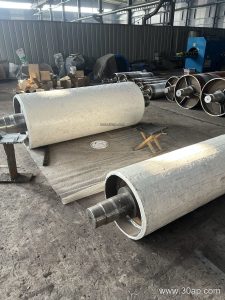
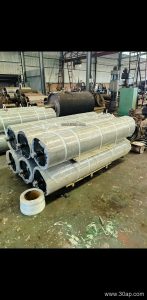
A conveyor frame is the structural backbone that holds a belt conveyor together. It carries the idler roller sets, the conveyor pulley assemblies at each end, and the belt itself, keeping everything aligned along the transport path. In a quarry, a cement plant, or a power plant coal yard, the frame is the part that turns a collection of components into a working conveyor line. Without a rigid, well-aligned frame, even a high-quality abrasion resistant conveyor belt will track poorly and wear unevenly.
How the Frame Is Built
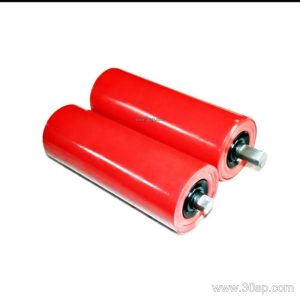
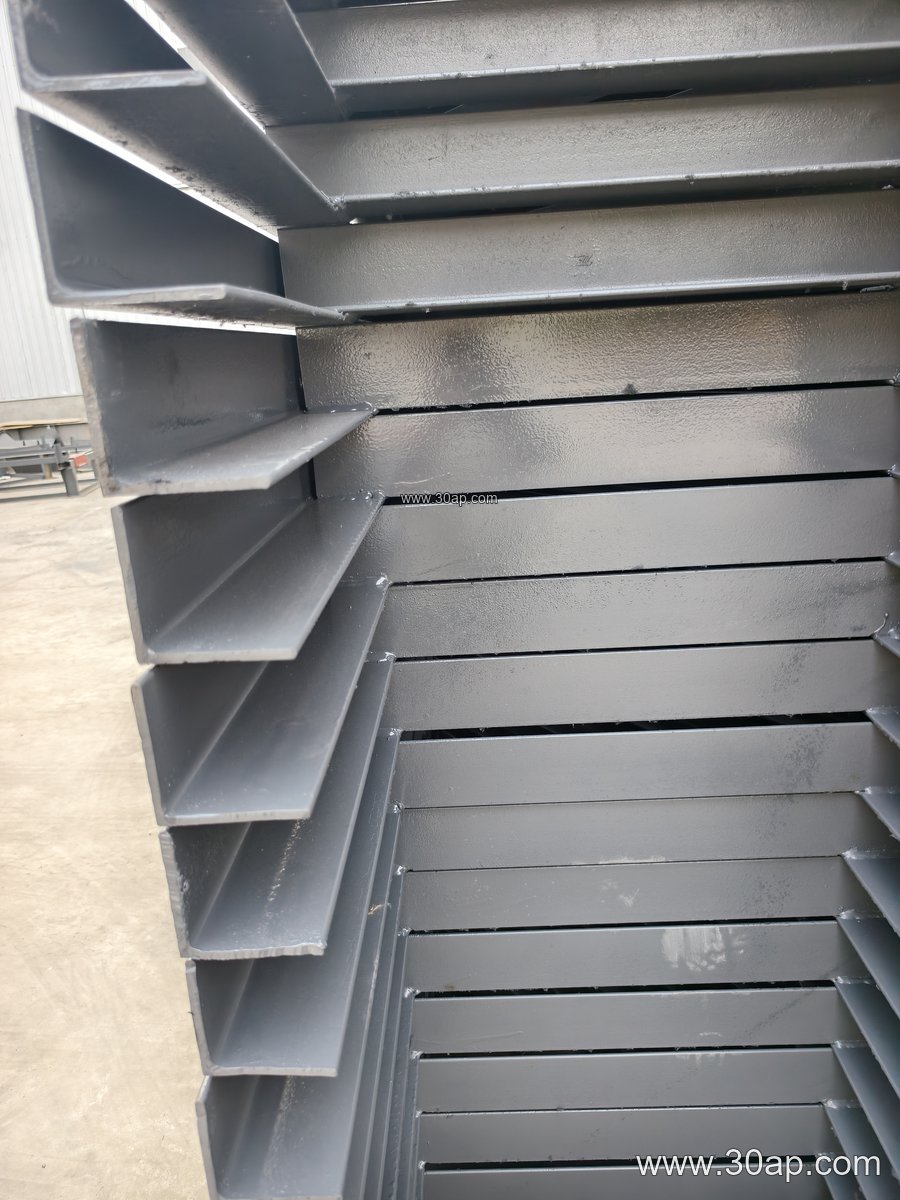
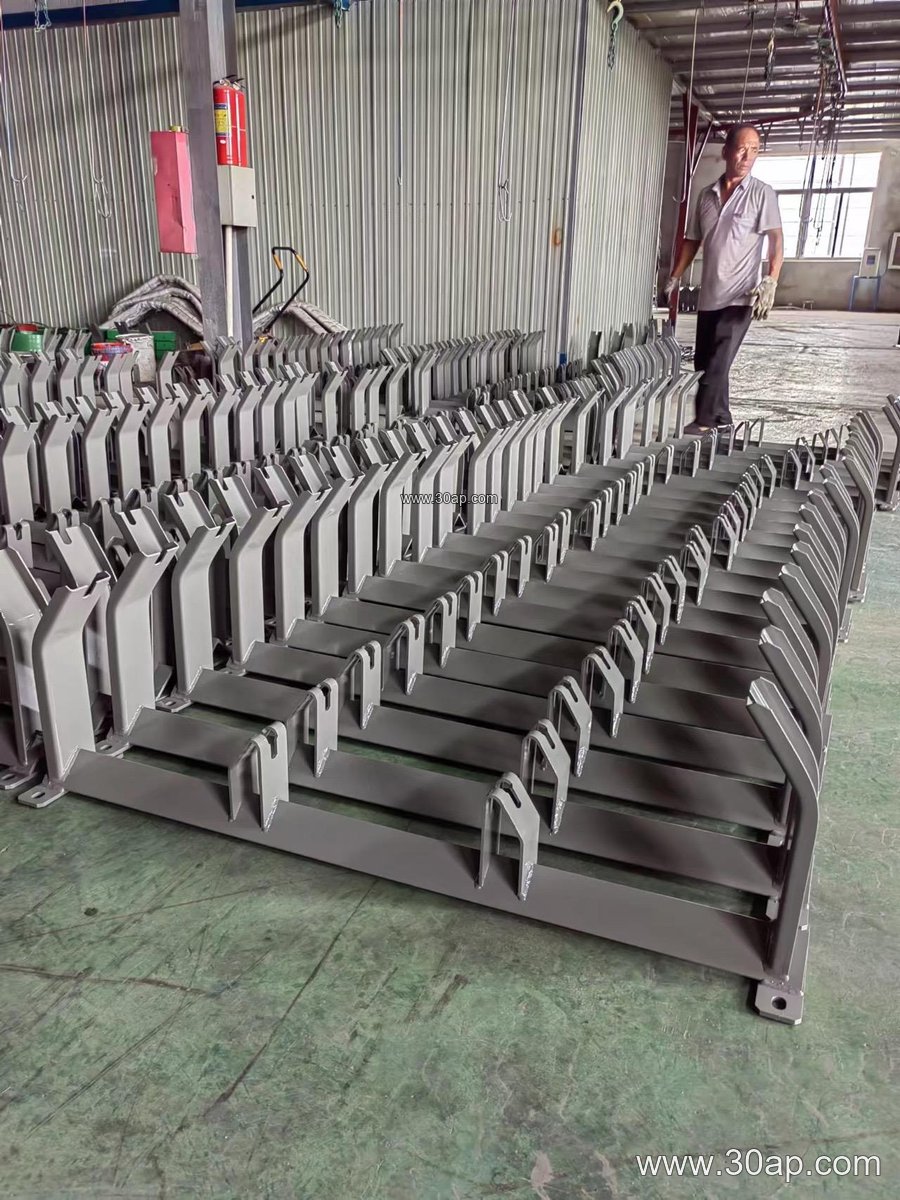
Most frames are fabricated from angle steel, channel steel, or folded steel plate. The main longitudinal members, often called stringers, run the length of the conveyor and support the idler stations. Cross beams tie the stringers together and carry the brackets that hold each idler roller. Legs, bracing, and base plates anchor the structure to the ground or to a steel support gallery.
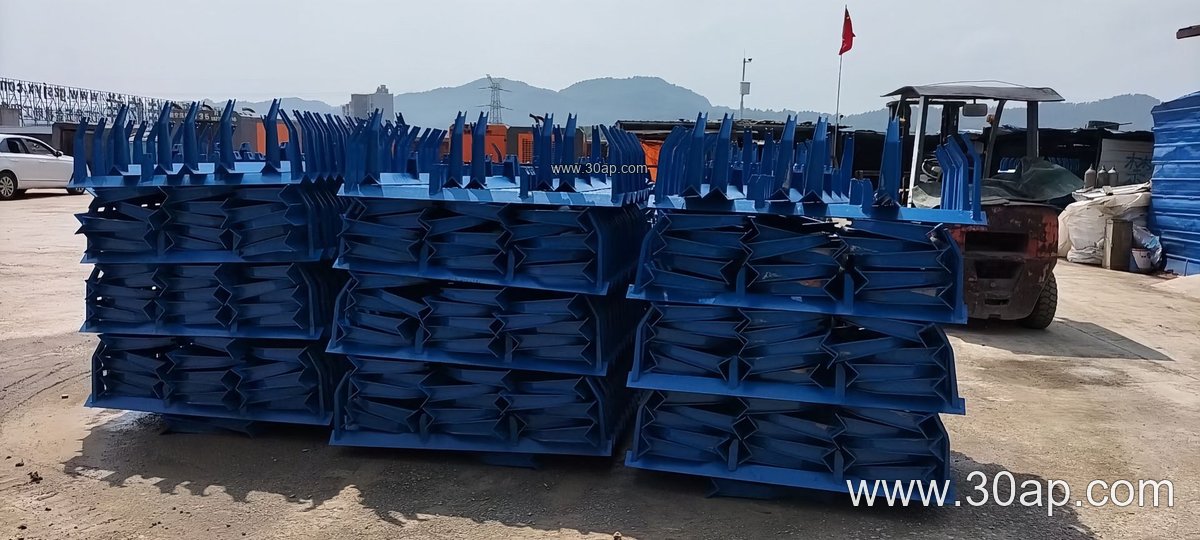
The design has to resist static loads from the belt and material, plus dynamic loads from starting, stopping, and impact at the loading point. A frame feeding a crusher conveyor belt line, for example, usually needs extra stiffness and impact support near the hopper. Welded joints, bolted connections, and hot-dip galvanizing or painting are all common, depending on the environment.
Frame Types and Where They Sit
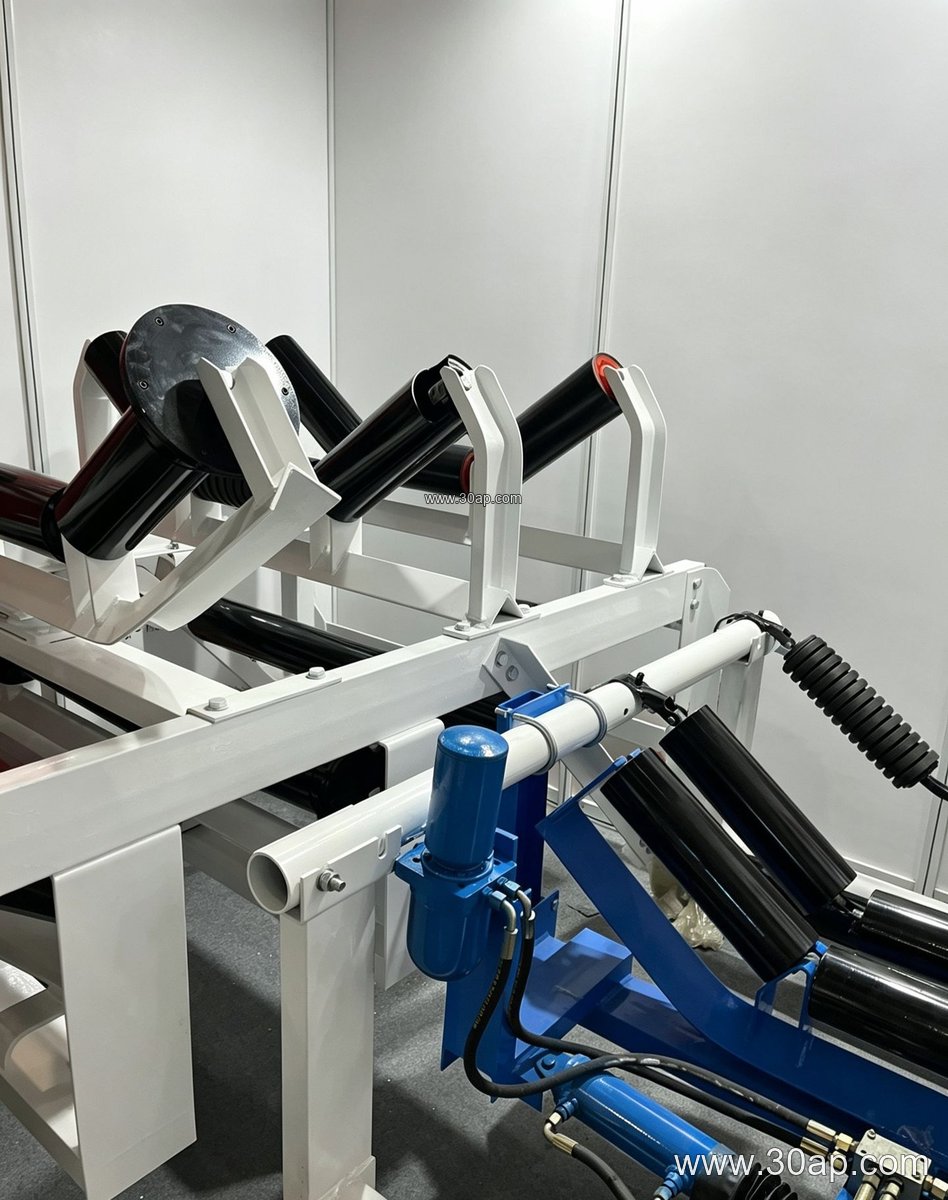
- Troughing frame: supports the carrying side with three or more idlers set at a trough angle, typically 20, 30, 35, or 45 degrees.
- Transition frame: placed near pulleys to gradually change belt shape and reduce edge stress.
- Return frame: carries the belt on its way back, often with flat or V-return idlers.
- Impact frame: reinforced section under the loading point, often paired with impact idlers.
- Self-aligning frame: mounts training idlers to correct belt drift.
- Adjustable frame: allows the trough angle to be changed within a range during commissioning.
Fixed and adjustable versions differ mainly in how the idler brackets are mounted. Adjustable brackets let maintenance crews fine-tune the trough angle, while fixed brackets keep a set geometry for the life of the line.
Typical Dimensions and Reference Data
Frame dimensions follow the belt width, the trough angle, and the idler diameter. The table below shows common reference combinations; actual hole spacing and beam length are determined by design.
| Belt Width | Trough Angle | Idler Diameter | Typical Use |
|---|---|---|---|
| B500 | 20–30° | Ø89 | Light aggregate lines |
| B650 | 30° | Ø89 / Ø108 | Sand and gravel plants |
| B800 | 35° | Ø108 | General bulk handling |
| B1000 | 35–45° | Ø108 / Ø133 | Cement and coal conveyors |
| B1200 | 45° | Ø133 | Heavy mining duty |
| B1400 | 35–45° | Ø133 / Ø159 | Ore and port terminals |
| B1600 | 35–45° | Ø159 | High-capacity lines |
| B1800–B2000 | 35–45° | Ø159 / Ø194 | Large mining and steel plants |
These are reference values, not fixed pairings. A wider belt does not force a single angle or roller size; frame geometry should be confirmed against the conveyor design.
Where Conveyor Frames Are Used
Frames appear wherever bulk material moves continuously. In a limestone quarry, the primary frame section carries run-of-mine rock toward the crusher. In a coal-fired power plant, the coal handling frame supports long overland runs between stockyard and boiler bunker. Other common settings include cement clinker lines, iron ore terminals, and aggregate washing plants.
Selection often follows the belt type. A steel cord conveyor belt needs a stiff, well-aligned frame to protect splices, while a chevron conveyor belt on an incline needs frames that keep the belt centered under load.
What Buyers Should Check
- Belt width and trough angle match the conveyor design, not just the catalog.
- Idler diameter and bracket hole spacing are consistent across the whole line.
- Material thickness and coating suit the site, especially in wet or corrosive areas.
- Frame sections are modular and bolt together for easier transport and erection.
- Impact and transition zones are reinforced where the belt changes shape.
- Alignment tolerances are tight enough to prevent belt drift and edge damage.
A frame is a long-term investment. Getting the geometry and stiffness right at the start protects the conveyor belt, the idler roller set, and the conveyor pulley from premature wear. For more guidance on matching frames with belts and rollers, visit conveyor frame and conveyor belt resources.