What a Sand and Gravel Production Line Idler Does
A sand and gravel production line idler is the rotating support that carries the conveyor belt between the head and tail of a crushing and screening circuit. In a quarry or aggregate plant, the belt may haul hundreds of tonnes of crushed stone, screened sand and moisture-laden fines every hour, so these idler rollers must keep the belt tracking, limit sag and protect the belt cover from abrasion. The same component appears in cement plants, coal washing plants, power station coal handling and concrete batching plants, where it is known simply as a conveyor idler or carrying idler. Drive pulleys, tail pulleys and bend pulleys perform different duties; they are not interchangeable with idlers and should not be specified as substitutes.
How the Idler Is Built
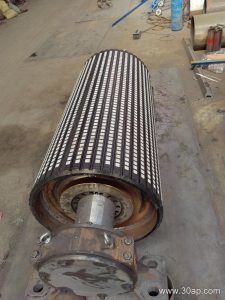
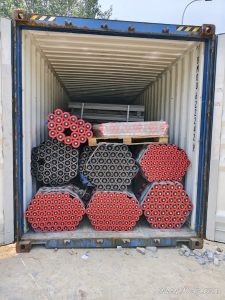
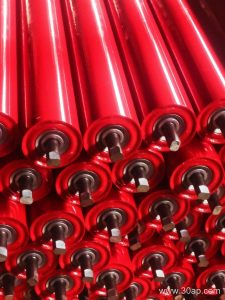
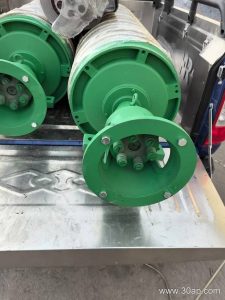
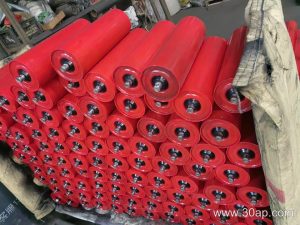
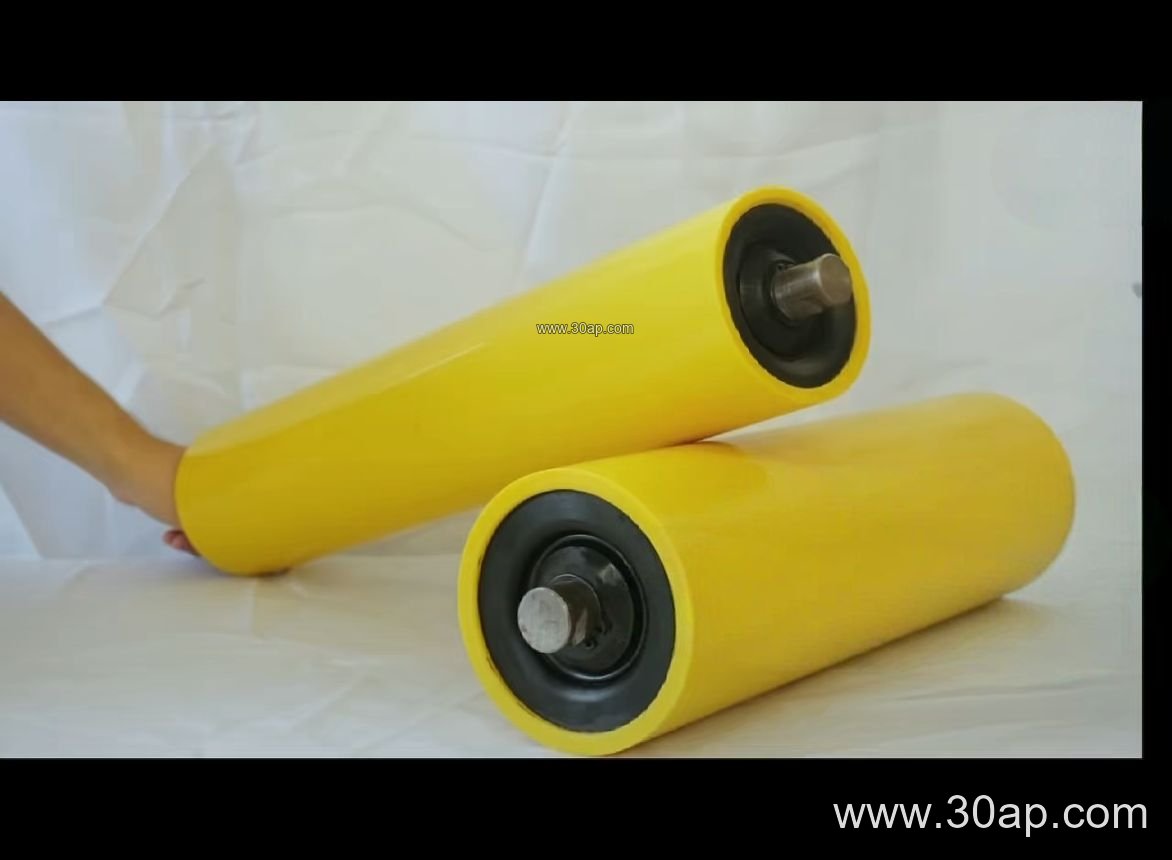
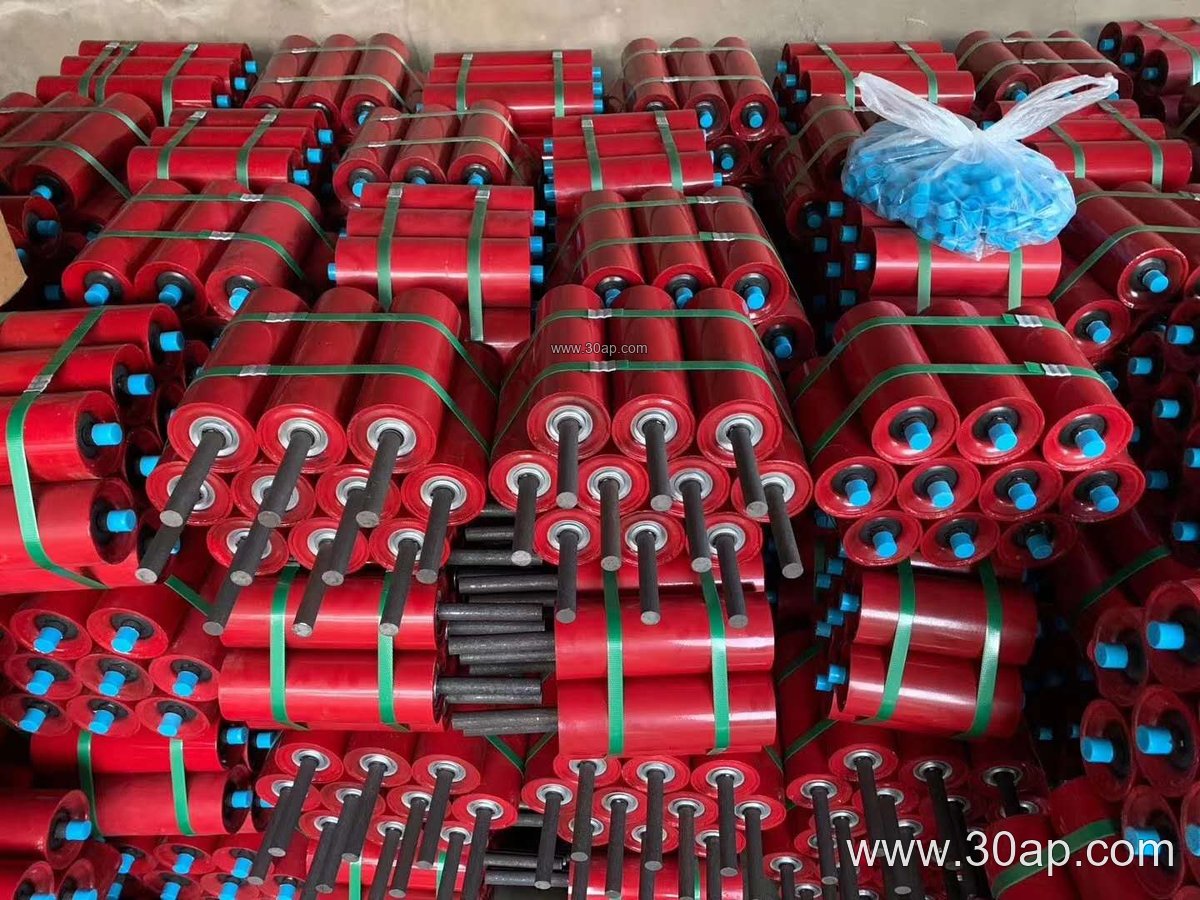
Most units consist of a steel tube shell, a shaft, two bearing housings, seals and a bearing set. The shell may be plain steel, nylon-coated, ceramic-lined or fitted with rubber rings when impact and noise need to be reduced. Common bearing numbers include 6204, 6205, 6305, 6306, 6308 and 6310, but bearing choice follows load, speed and sealing arrangement rather than a single fixed rule. Roller diameters in aggregate service commonly range from Ø63 and Ø76 up to Ø159, Ø178, Ø194 and Ø219 for heavy duty positions. The roller length is determined by belt width, trough angle and the idler set configuration.
Common Reference Dimensions
The values below are typical examples for three-roll troughing sets. They are reference data only; side rollers and centre rollers can differ, and final dimensions are set by design.
- B500: roller length about 200 mm
- B650: roller length about 250 mm
- B800: roller length about 315 mm
- B1000: roller length about 380 mm
- B1200: roller length about 465 mm
- B1400: roller length about 530 mm
- B1600: roller length about 600 mm
- B1800: roller length about 670 mm
- B2000: roller length about 750 mm
Where It Sits on the Line
On a primary crushing discharge conveyor, troughing idlers with a 30 or 35 degree trough angle are common, while 20 degree and 45 degree arrangements appear where belt width and material profile call for them. A 1.5 to 2 degree forward tilt is sometimes used on training idlers to help centre the belt. Impact zones below a crusher often use impact idlers or rubber-ring impact idlers, and the return side may use flat return idlers, V-return idlers or spiral return idlers. Self-aligning types such as friction self-aligning and tapered self-aligning idlers are selected where belt wander is a recurring problem. Comb-type idlers are occasionally seen where sticky material builds up on the shell.
Typical Arrangement by Section
- Loading point: impact idlers or rubber-ring impact idlers under a cushioning frame
- Carrying run: three-roll troughing sets, sometimes two-roll for narrower belts
- Transition zone: transition idlers with reduced trough angle
- Return run: flat return idlers or V-return idlers
- Long straight sections: self-aligning idlers at intervals
What Buyers Should Check
Start with belt width and belt speed, then confirm the trough angle and the number of rolls per set. Ask for the shaft diameter and bearing arrangement separately from the shell diameter, because one belt width does not lock in one pulley diameter or one shaft size. Check the seal design, since fine sand and wash water are the main causes of early bearing failure in aggregate plants. Confirm the mounting dimensions against the existing conveyor bracket, and verify that the frame height matches the belt line. For dusty quarry or coal handling duty, a labyrinth seal with grease retention is often preferred. Spare parts should match the installed shell length, otherwise tracking suffers.
Maintenance Notes
Listen for a seized or rumbling shell, watch for belt misalignment near a failed unit, and replace rollers in matched sets where possible. Keep the area under the belt clear so returned fines do not pack around the idler. Lubrication intervals depend on the seal type and the plant environment, so follow the supplier schedule rather than a single universal rule. A well-chosen sand and gravel production line idler is a low-cost part that protects an expensive conveyor belt, and matching it correctly to the duty is what keeps a crushing and screening circuit running.