What a Cement Plant Conveyor Belt Has to Handle
A cement plant conveyor belt is the load-carrying element that links the quarry, crushing station, raw mill, kiln feed, clinker cooler and packing plant. The duty is rarely gentle. Limestone arrives as sharp, abrasive rock, clinker leaves the cooler hot and gritty, and cement dust settles on every frame and idler roller. A belt that works well in a sand and gravel yard may struggle in this environment, so the cement industry tends to specify heavier constructions with abrasion-resistant covers and, where needed, heat resistance.
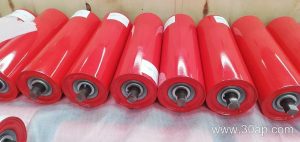
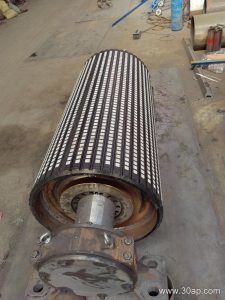
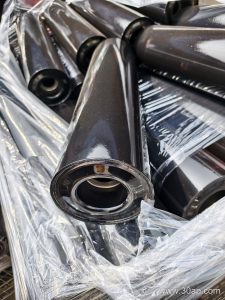
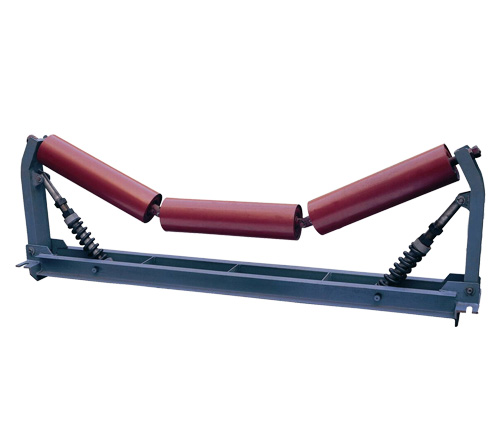
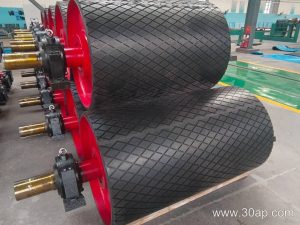
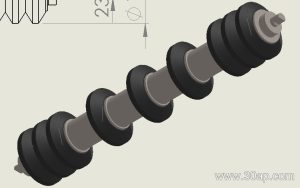
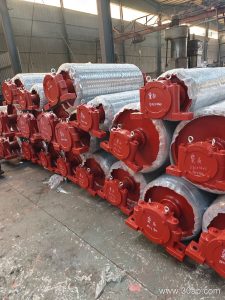
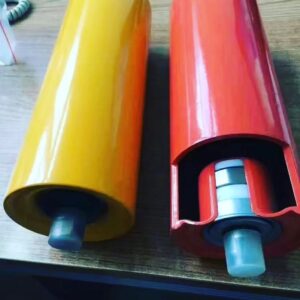
The belt runs on a conveyor pulley at the head and tail, supported between them by idler rollers mounted on conveyor brackets. Each of these parts has its own role, and matching them to the belt is part of getting a reliable line.
Construction of the Belt
The carcass carries the tension. Common options are EP fabric, NN nylon fabric and steel cord, with PVC and PVG belts used in some enclosed or special-duty circuits. Cover compound is chosen for the material being moved. Limestone and clinker push buyers toward abrasion-resistant grades, while kiln-area belts may need heat resistance. Coal handling and enclosed galleries often call for flame-retardant and antistatic properties.
Typical reference values, to be confirmed against the actual design, are shown below.
| Item | Common reference range |
|---|---|
| Belt type | EP, NN, steel cord, PVC, PVG, with abrasion, heat, oil, flame-retardant or cold-resistant variants |
| Strength grades | EP200, EP315, EP400, EP500, EP630, EP800, EP1000, EP1250, EP1600, EP2000 |
| Belt width | B500, B650, B800, B1000, B1200, B1400, B1600, B1800, B2000 |
| Cover thickness | 3+1.5, 4+2, 5+2, 6+2, 8+3 mm |
| Carcass plies | commonly 2 to 6 layers in fabric belts |
These figures are reference data, not a fixed catalogue. Width and strength are selected together with the pulley diameters and the troughing idler set, so a given belt width does not dictate one pulley size.
Where It Runs in the Plant
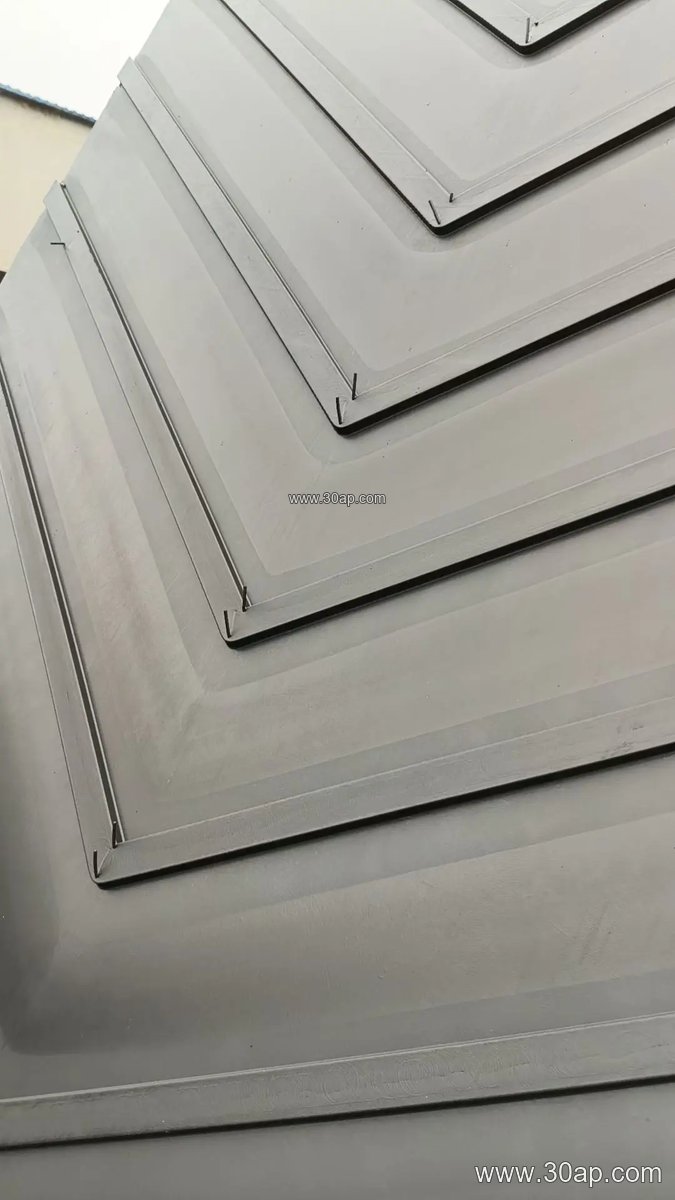
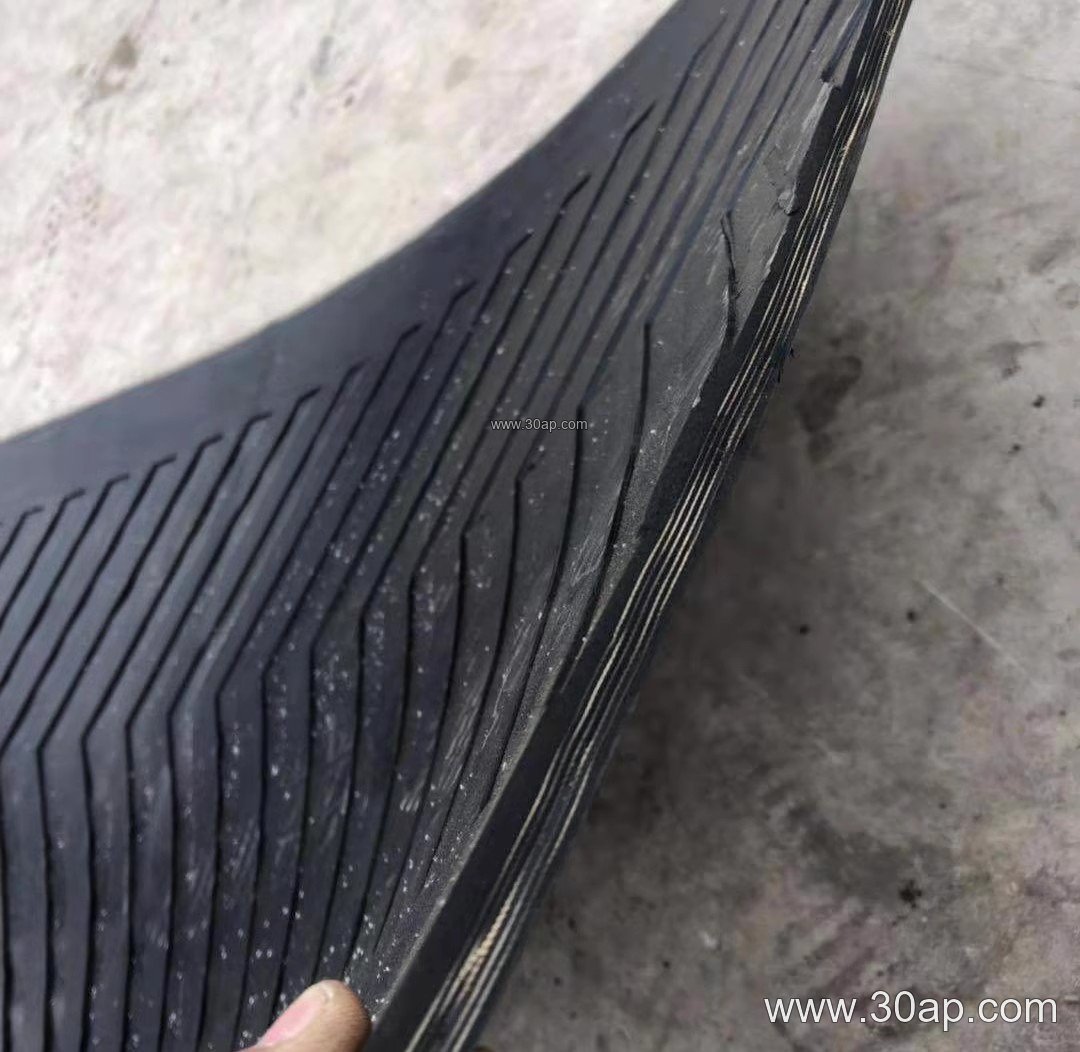
- Quarry and crushing: long overland runs carrying run-of-mine limestone, often with steep inclines that favor cleated or chevron surfaces.
- Raw material and additive handling: clay, shale, iron ore and gypsum lines with transfer points that generate dust and spillage.
- Kiln feed and clinker transport: hot clinker demands heat-resistant covers and careful attention to belt speed and loading.
- Coal and alternative fuel yards: flame-retardant and antistatic belts are usual in enclosed coal galleries.
- Cement and packing: short conveyors moving finished cement, often in dusty or enclosed conditions.
The same logic applies in mines, coal preparation plants, power stations and sand and gravel yards, where abrasion and impact dominate.
Choosing the Right Specification
Start with the material: lump size, temperature, moisture and abrasiveness. Then fix the required capacity and belt speed, which together set the belt width. Tension calculations determine the strength grade and number of plies. The head and tail conveyor pulley diameters follow the carcass and the tension, and the troughing and return idler rollers are sized to the belt width and load. Support structures and conveyor brackets should be checked for alignment, since a misaligned frame shortens belt life faster than most wear mechanisms.
For hot clinker, ask for the actual surface temperature at the loading point rather than the kiln temperature. For coal, confirm the flame-retardant grade required by the site. For long overland lines, steel cord construction may be preferable to fabric, but the decision belongs to the tension and splice design, not to habit.
Installation and Maintenance Notes
Track alignment at commissioning, keep the pulley and idler roller surfaces clean, and check splices regularly. Cement dust is fine and penetrates gaps, so cleaning around the tail pulley and return idlers prevents buildup that causes tracking drift. Store spare belts away from heat and sunlight, and rotate stock so the oldest belt is used first. Record cover wear on the carrying side; when the cover reaches its wear limit, plan replacement before the carcass is exposed.
Finally, buy on the full duty description, not on a single number. A cement plant conveyor belt is one part of a system, and its service life depends on how well it matches the pulley, idlers, brackets and loading conditions around it.