What an NN Conveyor Belt Is
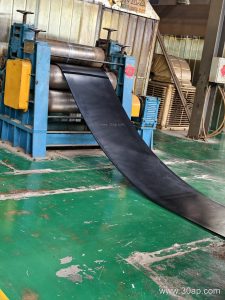
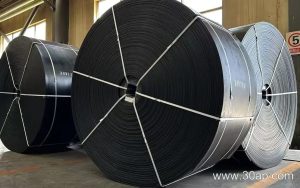
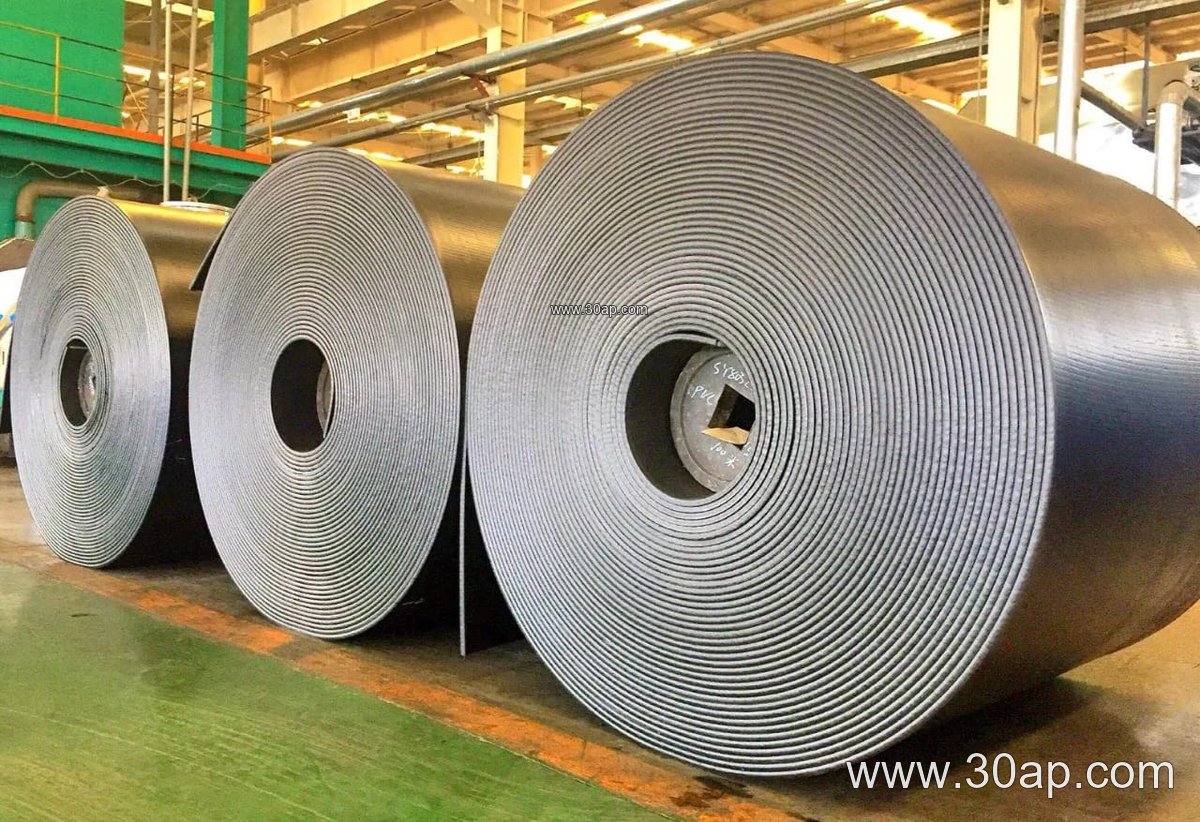
An NN Conveyor Belt is a fabric core conveyor belt built on nylon (polyamide) warp and weft cords. In the trade it is also called a nylon conveyor belt or an NN fabric core belt, and it belongs to the wider family of multi-ply fabric core conveyor belts. The nylon skeleton gives the belt high tensile strength, good flexibility and strong resistance to fatigue, which is why it appears in long hauling lines at mines, cement works, power plants and sand and gravel yards.
Buyers often compare it with an EP Conveyor Belt, which uses polyester warp and nylon weft. The EP belt has lower elongation, while the NN belt stretches more under load but tolerates repeated flexing and impact well. Neither is a replacement for the other in every duty; the choice depends on the conveyor profile, the load and the take-up travel available.
Construction and Surface Options
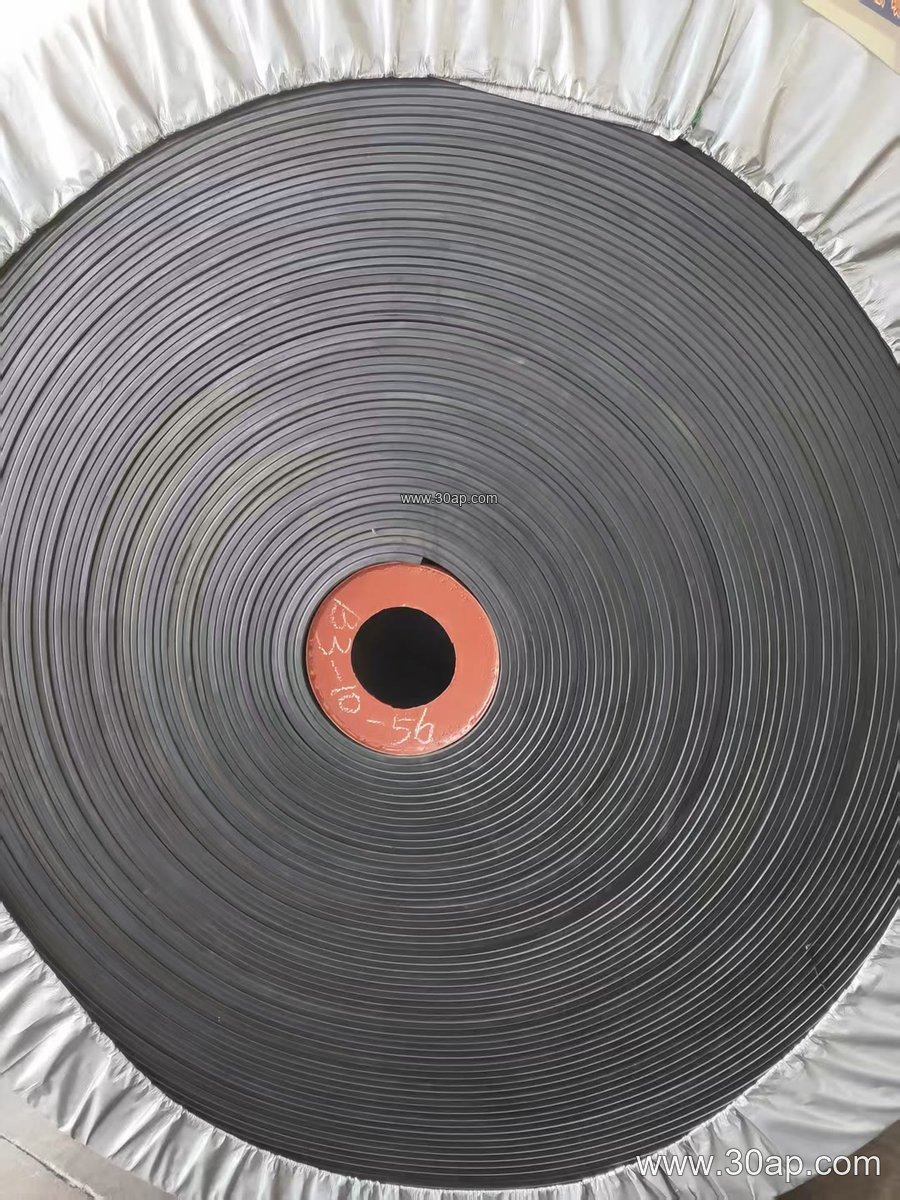
The carcass is made of two to six plies of nylon fabric, bonded with rubber and protected by top and bottom cover rubber. Common cover combinations include 3+1.5 mm, 4+2 mm, 5+2 mm, 6+2 mm and 8+3 mm, and the final thickness is set by the duty. The rubber grade can be selected for abrasion, heat, oil, flame, cold or anti-static service, so a single carcass design can serve several industries.
- Abrasion Resistant Conveyor Belt grades for ore, clinker and crushed stone
- Heat Resistant Conveyor Belt grades for sinter, cement and foundry work
- Flame Retardant Conveyor Belt and Fire Resistant Conveyor Belt grades for coal handling
- Oil Resistant Conveyor Belt grades for oily bulk cargo and recycling lines
Surface forms such as Chevron Conveyor Belt profiles or Corrugated Sidewall Conveyor Belt edges are separate designs built on a fabric core; they are mentioned here only because they suit inclined routes that a flat NN belt cannot hold.
Typical Strength Grades and Widths
NN belts are usually identified by nominal tensile strength per millimetre of width. Common grades are NN100, NN200, NN300 and NN400, and higher grades are available by design. Widths commonly run from B500 to B2000, including B650, B800, B1000, B1200 and B1400. The table below shows reference values, not a supply promise; each project should confirm the carcass and cover with the belt maker.
| Property | Common reference range |
|---|---|
| Strength grade | NN100, NN200, NN300, NN400 |
| Belt width | B500, B650, B800, B1000, B1200, B1400, B1600, B1800, B2000 |
| Number of plies | 2 to 6 |
| Cover thickness | 3+1.5, 4+2, 5+2, 6+2, 8+3 mm |
| Surface forms | Flat, chevron, corrugated sidewall |
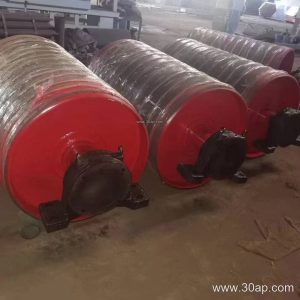
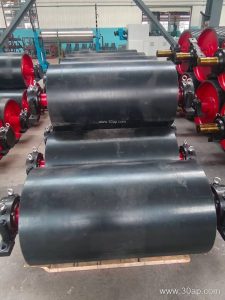
Belt width and pulley diameter are matched by conveyor design, not by a fixed rule. A 1000mm or 1200mm belt may run on different pulley sizes depending on tension and shaft load, so the drive pulley, tail pulley and bend pulleys should be checked together with the belt data sheet.
Where It Works
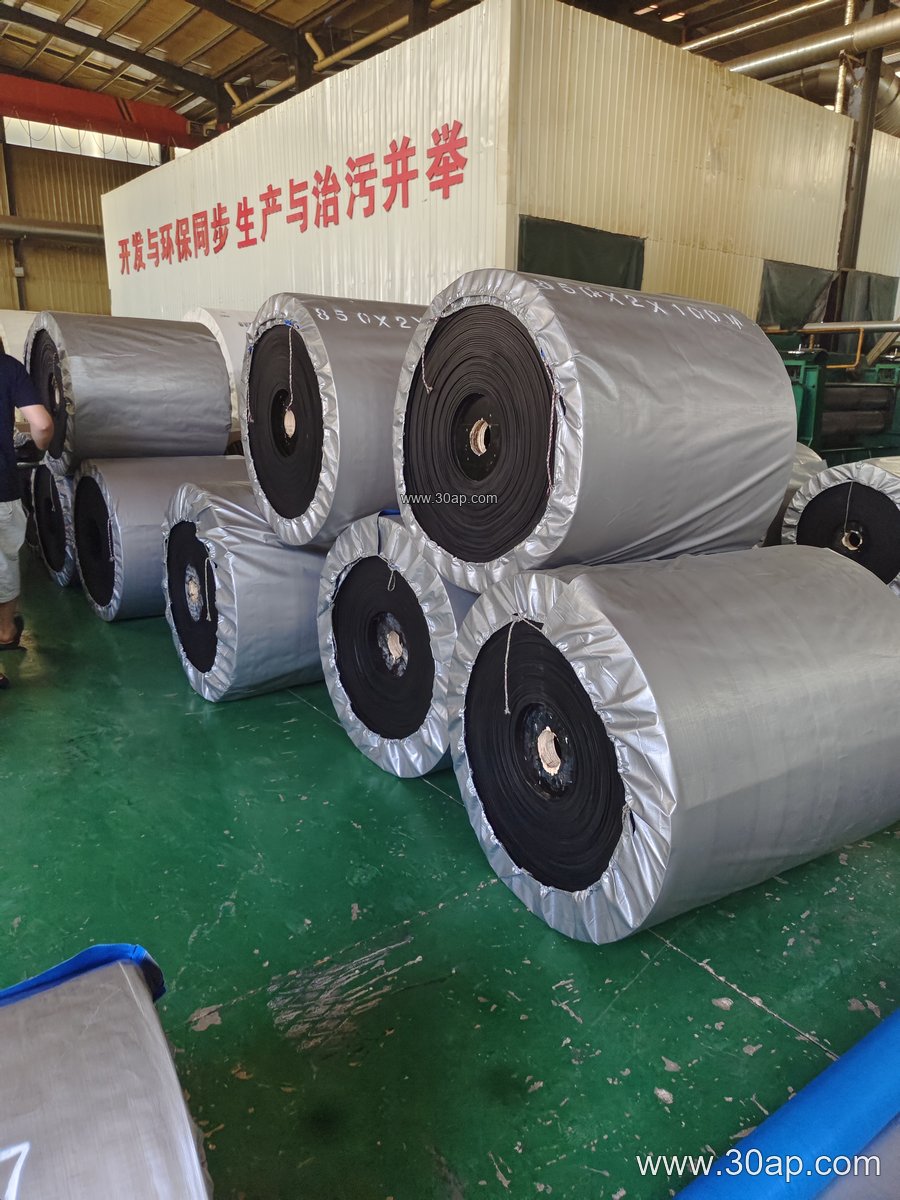
In an underground coal mine, an NN belt with flame retardant covers can feed coal from the face to the shaft. In a cement plant it carries limestone, clinker and cement additives across long inclined galleries. Power plants use it for coal and ash, while quarries and aggregate plants rely on it for crushed rock and sand. Port terminals and ship loading systems also use fabric core belts where impact and flexibility matter.
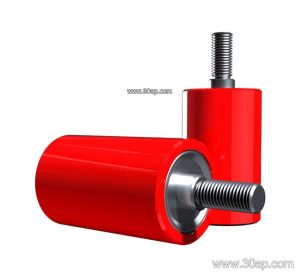
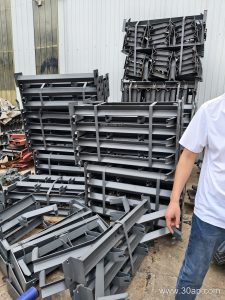
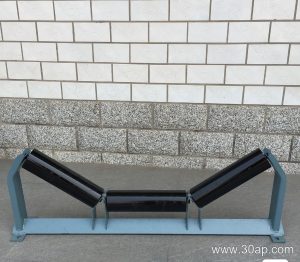
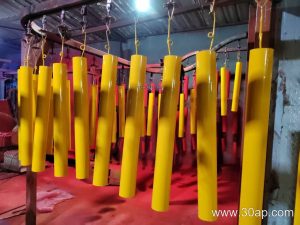
On these lines the belt runs over idler rollers, wraps the conveyor pulleys and is supported by a conveyor bracket frame. Keeping the idlers turning freely and the pulleys aligned protects the carcass from edge damage and ply separation.
What a Buyer Should Check
- Confirm the required strength grade (NN200 or NN300, for example) against the calculated belt tension, not against habit.
- State the duty clearly: abrasion, heat, oil, flame or cold, so the cover compound matches the cargo.
- Give the belt width, ply count and cover thickness, and note any chevron or sidewall requirement.
- Check the pulley diameters, take-up travel and splice method, because nylon carcass elongation affects take-up design.
- Ask for the belt data sheet and confirm that the supplied construction meets the conveyor design.
For more on fabric core and rubber belt options, visit www.example.com/nn-conveyor-belt and compare grades before ordering. A well matched NN Conveyor Belt, supported by sound idler roller and pulley maintenance, keeps bulk material moving in mines, cement plants and power stations alike.