What an HDPE Idler Is
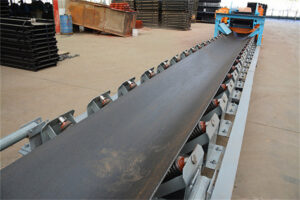
An HDPE idler is a conveyor idler roller whose shell is made from high-density polyethylene rather than steel tube. In a conveyor line, the idler roller supports the conveyor belt and the material riding on it, so the belt keeps its trough shape and moves with low resistance. HDPE is chosen where light weight, corrosion resistance and quiet running matter more than the load capacity of a steel shell.
Because the shell is a polymer, an HDPE idler is usually the lightest component of its size on the frame. That matters on long lines with many idlers, and it also makes replacement easier on elevated structures such as a port conveyor gallery or a power plant coal handling trestle.
How the Roller Is Built
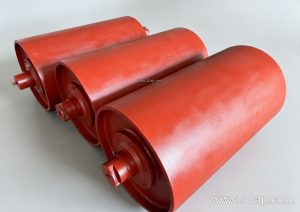
Most HDPE idlers follow the same basic pattern. A thick-walled polyethylene tube forms the roller body. Bearings sit at each end in a housing, and a shaft passes through the centre. Seals protect the bearing cavity from dust and water, and the ends are closed with caps.
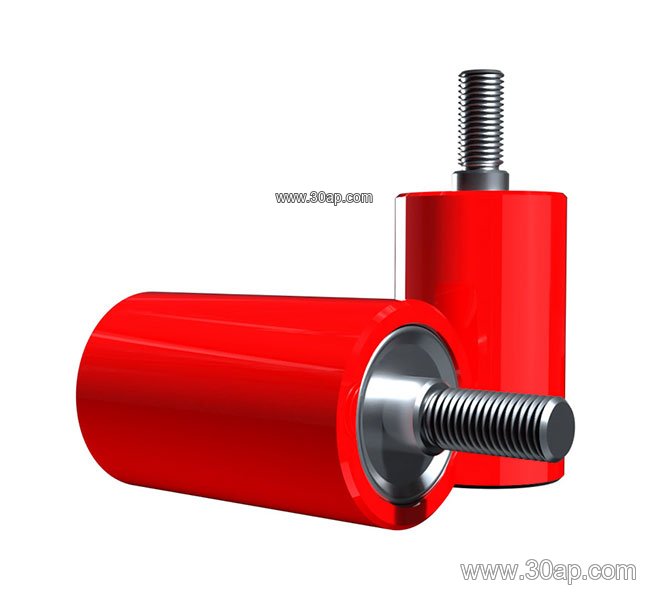
Compared with a steel roller, the polymer shell does not rust when it meets wet coal, slurry splash or fertilizer dust, and it tends to run more quietly. The trade-off is stiffness. An HDPE idler is generally suited to lighter belt lines and to duties where corrosion or belt wear is the main concern, while heavy ore duties usually stay with steel shells.
Where HDPE Idlers Fit in the Line
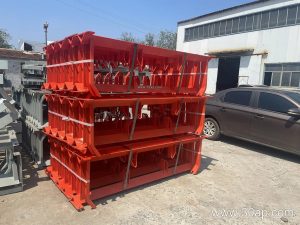
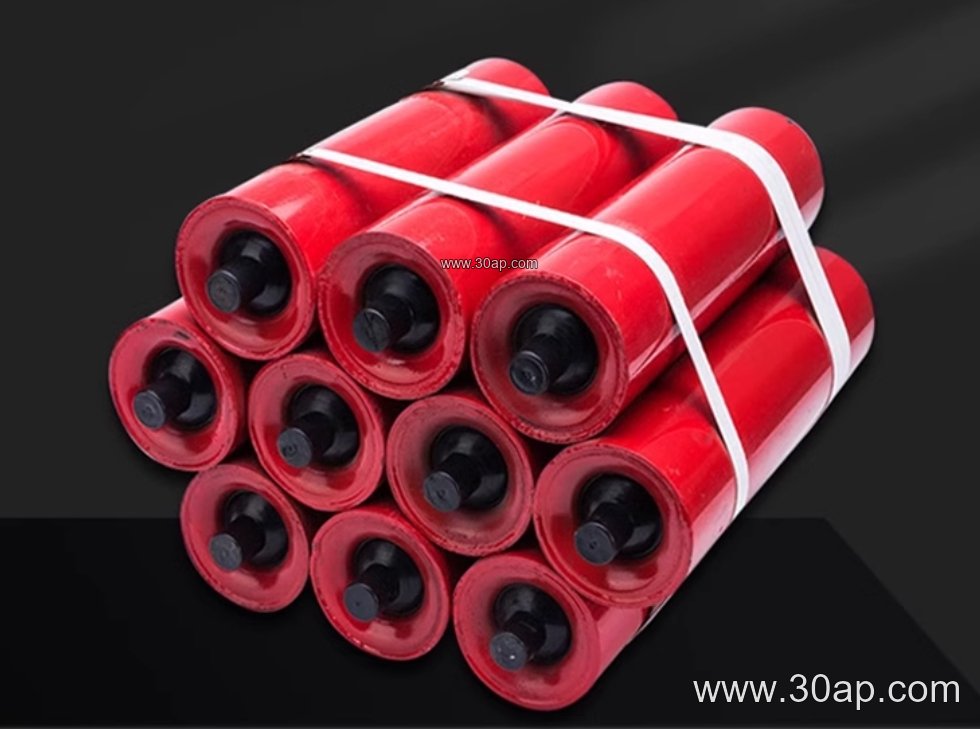
The position on the conveyor decides the roller form. Carrying idlers hold the loaded side of the belt, return idlers support the empty side, and impact or buffer idlers sit under the loading point to absorb the fall of material. An HDPE roller can be used in carrying and return positions, and troughing sets may be single-roll, two-roll or three-roll. Trough angles are commonly 20, 30, 35 or 45 degrees, chosen to match the material and belt width.
Typical places where the polymer shell earns its place include:
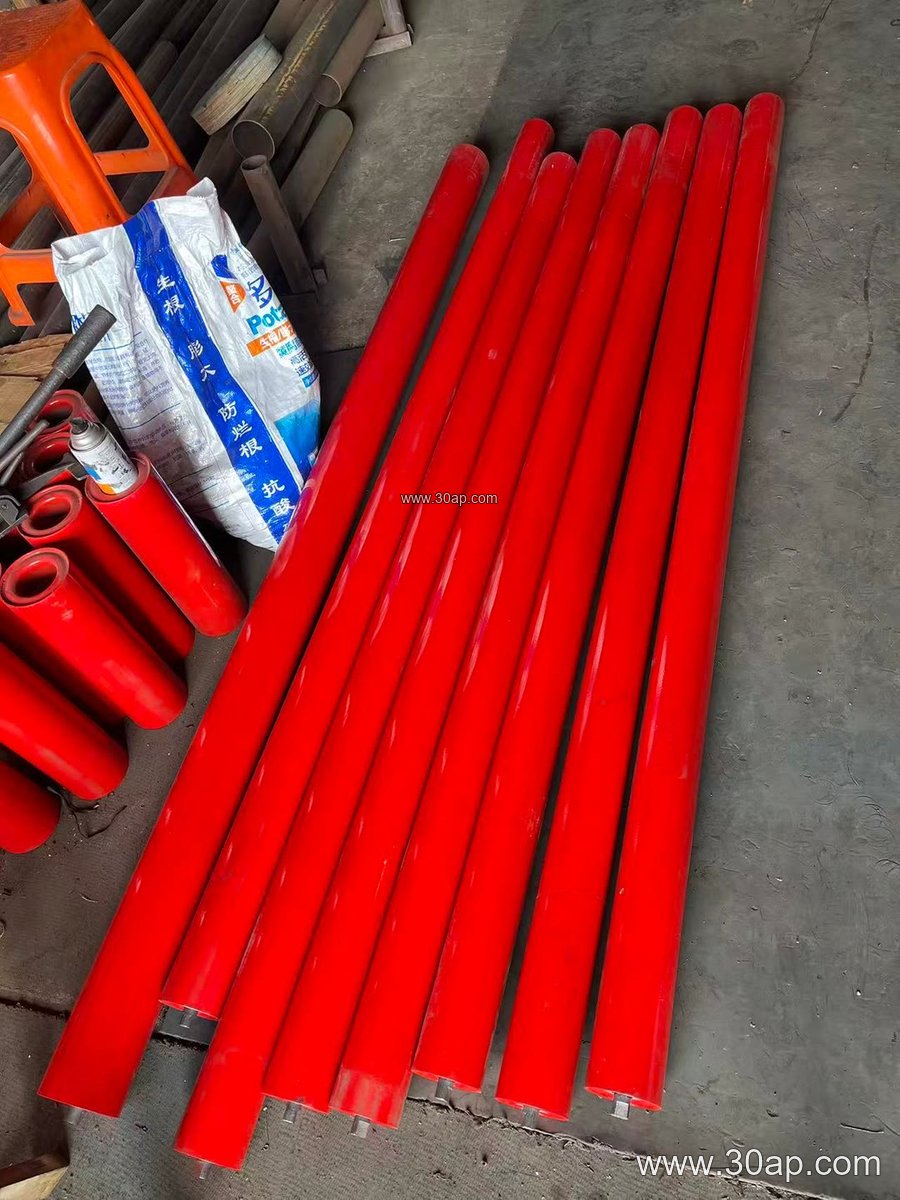
- Wash plants and aggregate lines where water and fines are constant
- Fertilizer and chemical handling, where steel would corrode quickly
- Food and grain conveyors that need clean, non-rusting rollers
- Light-duty sections of a quarry conveyor or concrete batching plant
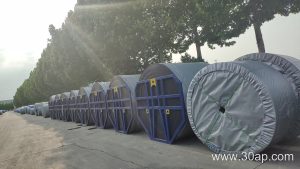
In these settings the idler works alongside the conveyor belt, the conveyor pulley at the head and tail, and the conveyor bracket that ties the frame together. On a coal mining conveyor belt or an underground mining conveyor belt, steel rollers are still the usual choice because of shock loads, but HDPE can suit secondary and return runs where corrosion is the bigger problem.
Sizes and Selection Points
Roller diameter and belt width are read together, not as a fixed pair. Common roller diameters include 63, 76, 89, 102, 108, 127, 133, 159, 178, 194 and 219 mm. Belt widths commonly run from B400 up to B2400, and the roller length follows the belt width and trough form.
| Belt width | Typical roller length, three-roll trough (mm) |
|---|---|
| B500 | about 200 |
| B650 | about 250 |
| B800 | about 315 |
| B1000 | about 380 |
| B1200 | about 465 |
| B1400 | about 530 |
| B1600 | about 600 |
| B1800 | about 670 |
| B2000 | about 750 |
These figures are examples only; side rollers and centre rollers can differ, and the final length is set by the design. Bearings are commonly 6204, 6205, 6305, 6306, 6308 or 6310, matched to the load and shaft rather than to one fixed diameter.
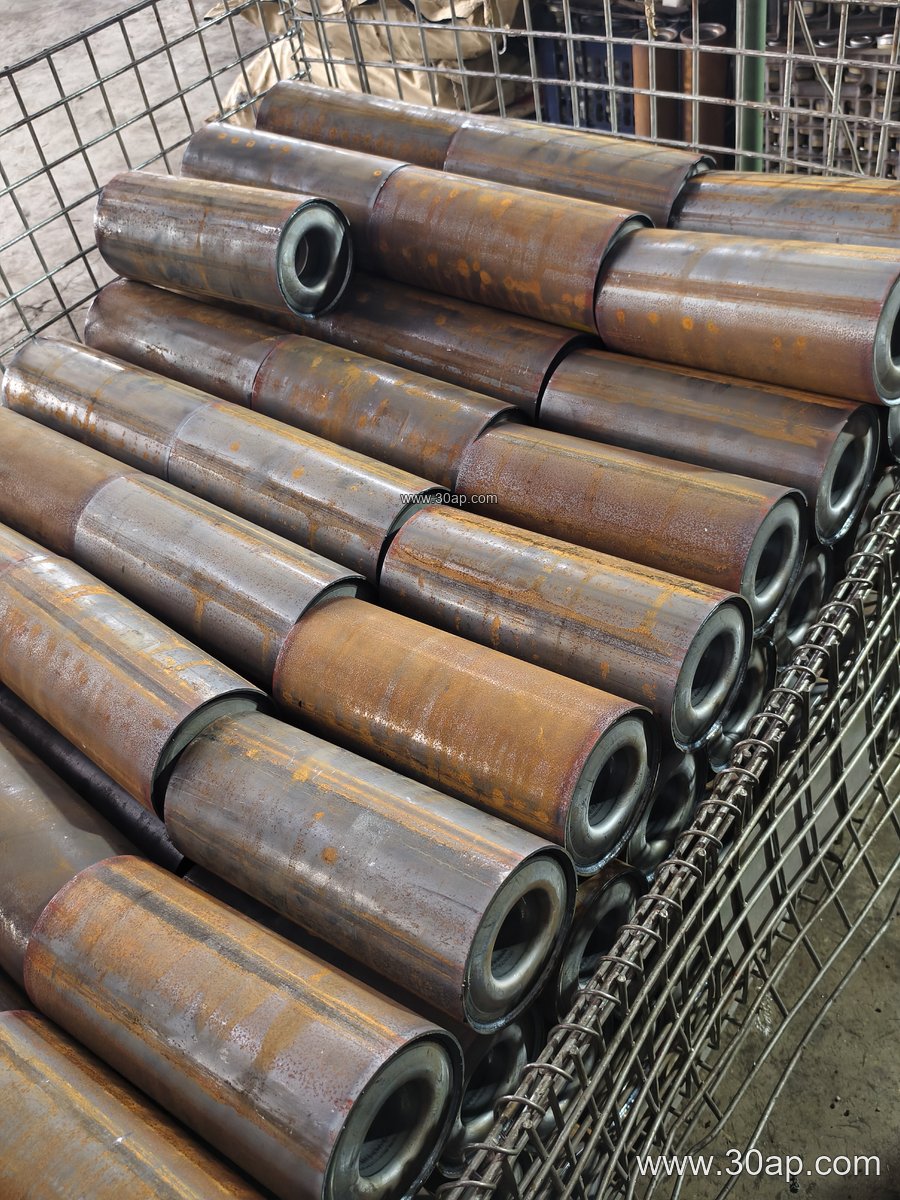
A buyer should confirm the belt width, trough angle, roller diameter, shaft ends, bearing size and sealing arrangement before ordering. It also helps to say what the belt carries. A wet, acidic stream calls for a different seal and shell than dry sand. Where the line uses a heavy-duty mining conveyor belt or a steel cord conveyor belt under high tension, check that the idler frame and roller load rating suit the duty; an HDPE shell is not a substitute for a heavier steel roller in those positions.
Installation and Care
Keep the rollers aligned and spinning freely. A seized HDPE idler will wear a flat spot into the shell and can damage the belt edge. Check that the roller turns by hand during inspection, clean fines from the seals, and replace cracked shells promptly. On lines carrying abrasive material, pair the rollers with a suitable abrasion resistant conveyor belt and check trough alignment after any frame repair.
For more on matching idlers, pulleys and belts, see the roller and belt pages at HDPE idler.