What the ST2000 Conveyor Belt Is
The ST2000 conveyor belt is a steel cord reinforced belt built for demanding bulk material handling. In the steel cord family the number after ST indicates the nominal tensile strength in newtons per millimeter of belt width, so ST2000 refers to a belt rated around 2000 N/mm. That places it among the stronger steel cord grades and makes it a common choice where long centers, high tonnage, or steep gradients put serious tension into the belt line. It is a distinct product from fabric-reinforced belts such as EP or NN nylon constructions, and it is not a substitute for them in low-tension duties.
Because the load is carried by embedded steel cords rather than woven fabric plies, the belt stretches less under tension and holds its length well over long conveyor routes. This is the main reason engineers reach for steel cord belting in mines, coal preparation plants, cement works, power stations, and large sand and gravel yards.
How the Belt Is Built
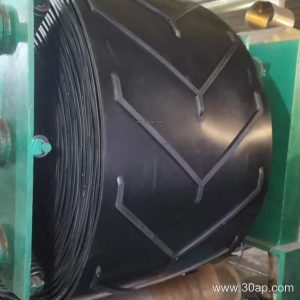
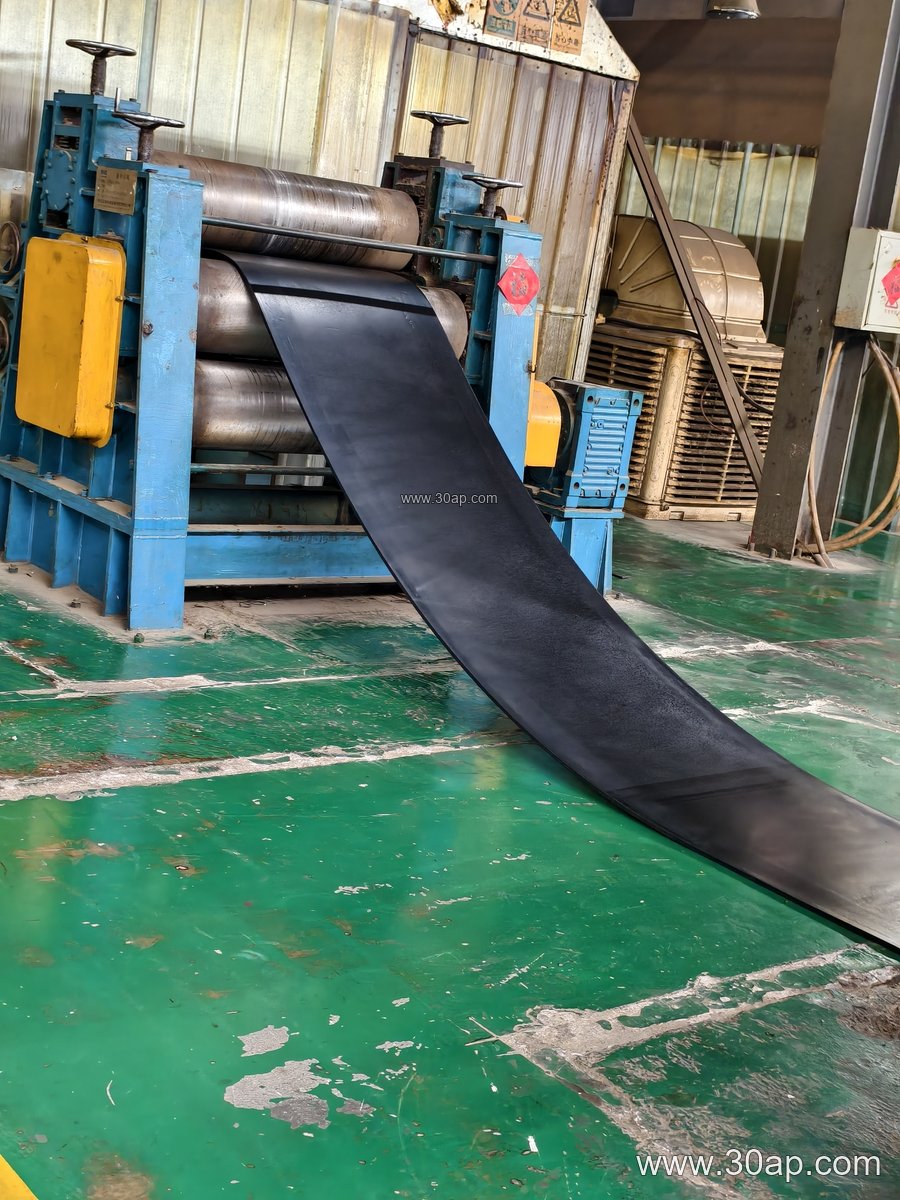
The core is a single layer of high-strength steel cords running longitudinally, spaced evenly and bonded in rubber. Above and below the cords sit transition and cushion layers, and the outer surfaces are covered with rubber that protects the carcass from abrasion, impact, and the environment. Cover grade and thickness are selected for the duty, not fixed by the strength rating.
Common cover constructions include 4+2 mm, 5+2 mm, 6+2 mm, and 8+3 mm, quoted as top cover plus bottom cover. Heavier top covers are typical where sharp rock, lump coal, or clinker strikes the belt at transfer points. Special grades are available for heat, oil, flame resistance, antistatic service, cold climates, and acidic or alkaline conditions.
Typical Specifications
The figures below are common reference values. Actual belt construction is confirmed by the manufacturer against the conveyor design, and values differ between suppliers.
- Strength grade: ST2000, nominal 2000 N/mm
- Belt widths: B800, B1000, B1200, B1400, B1600, B1800, B2000
- Cover thickness examples: 4+2, 5+2, 6+2, 8+3 mm
- Carcass: steel cord, single cord layer
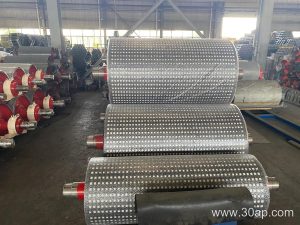
Belt width and pulley diameter are matched through the conveyor design, not by a fixed rule. A wider belt does not automatically dictate one shaft size, and a given width may run on different pulley diameters depending on tension, wrap angle, and cord construction. Drive pulleys, tail pulleys, and bend pulleys each do a different job and should be specified separately.
Where It Fits in the Plant
Steel cord belting like the ST2000 is at home on main haulage and trunk conveyors. In an underground coal mine it may carry run-of-mine coal over several kilometers; in a cement plant it can move limestone from the quarry crusher to the raw mill; at a power station it feeds coal from the stockyard to the boiler bunkers. Sand and gravel operations use it on high-capacity field conveyors, and metalliferous mines rely on it for ore transport on steep inclines.
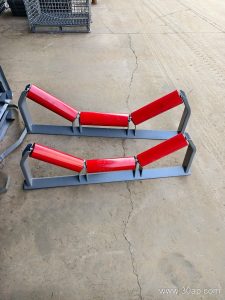
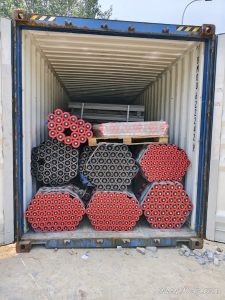
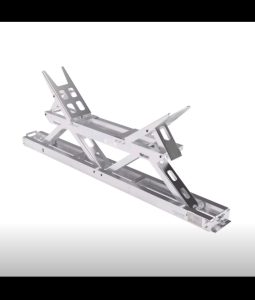
Supporting hardware matters as much as the belt. Troughed idler rollers shape the load, return rollers support the empty run, and conveyor pulleys transfer drive force at the head or intermediate stations. Conveyor brackets and frames keep the rollers aligned so the belt tracks true. A well-aligned line reduces edge wear and extends cover life.
Buyer Checklist
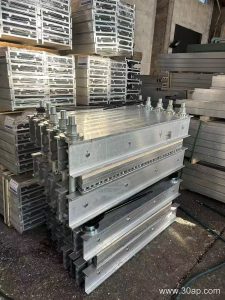
Before ordering, confirm the duty: material type, lump size, tonnage per hour, center distance, incline angle, and ambient conditions. State the required cover grade and thickness, and confirm whether flame resistance or antistatic properties are needed for the site. Check the pulley diameters and take-up travel against the belt’s cord construction, and ask the supplier for the recommended splice method, since steel cord belts are usually spliced by vulcanization.
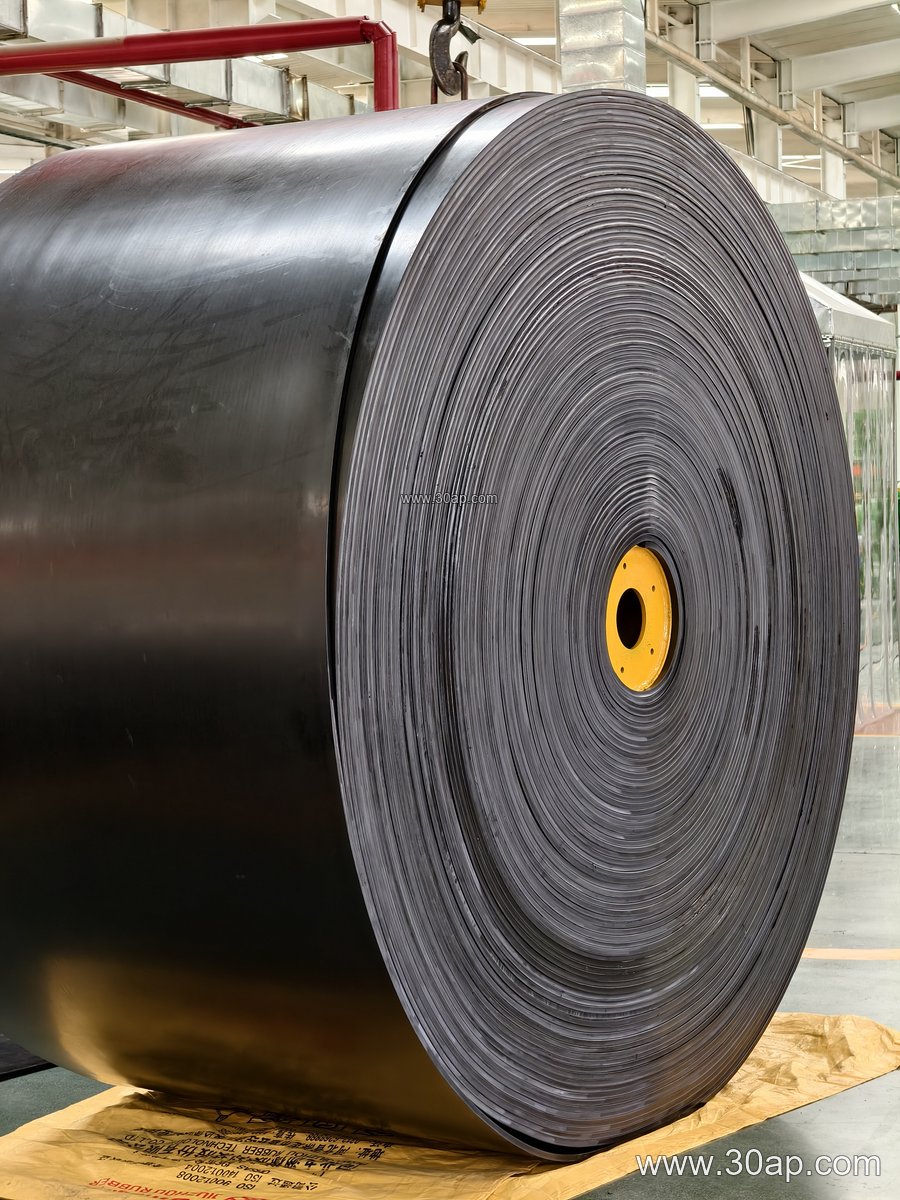
Plan storage and handling carefully. Steel cord belts are heavy and stiff, so coils need proper support and lifting gear. During installation, avoid sharp bends and keep the belt clean before splicing. In service, watch for cord exposure, cover gouges, and splice fatigue, and keep idler rollers turning freely. These checks are simple but they protect a significant investment in the conveyor line.