What a PVC Mining Conveyor Belt Is
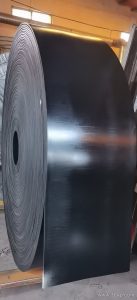
A PVC mining conveyor belt is a solid-woven or fabric-reinforced belt whose covers and carcass are based on polyvinyl chloride. In the field it is often simply called a PVC belt, and the accurate equivalent name is a polyvinyl chloride conveyor belt. It is not the same product as a steel cord belt, an EP belt, or a PVG belt, although those belts may appear on the same mining site for different duties. A PVC belt is usually chosen for medium-load conveying where resistance to moisture, moderate oil, and flame spread matters more than extreme tensile strength.
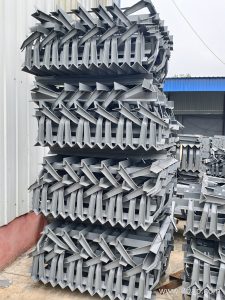
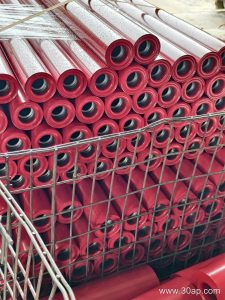
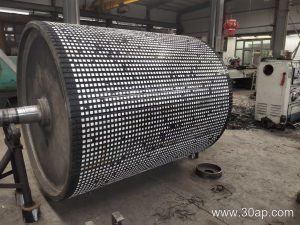
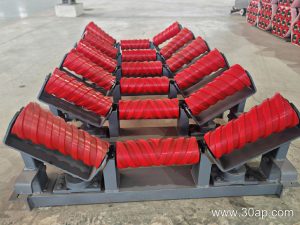
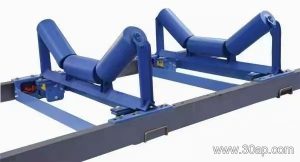
The belt runs over a conveyor pulley at the head and tail, supported between them by idler rollers mounted on a conveyor bracket. The terms drive pulley, tail pulley, and bend pulley are not interchangeable: the drive pulley transmits torque, the tail pulley returns the belt, and a bend pulley changes direction on long or inclined routes.
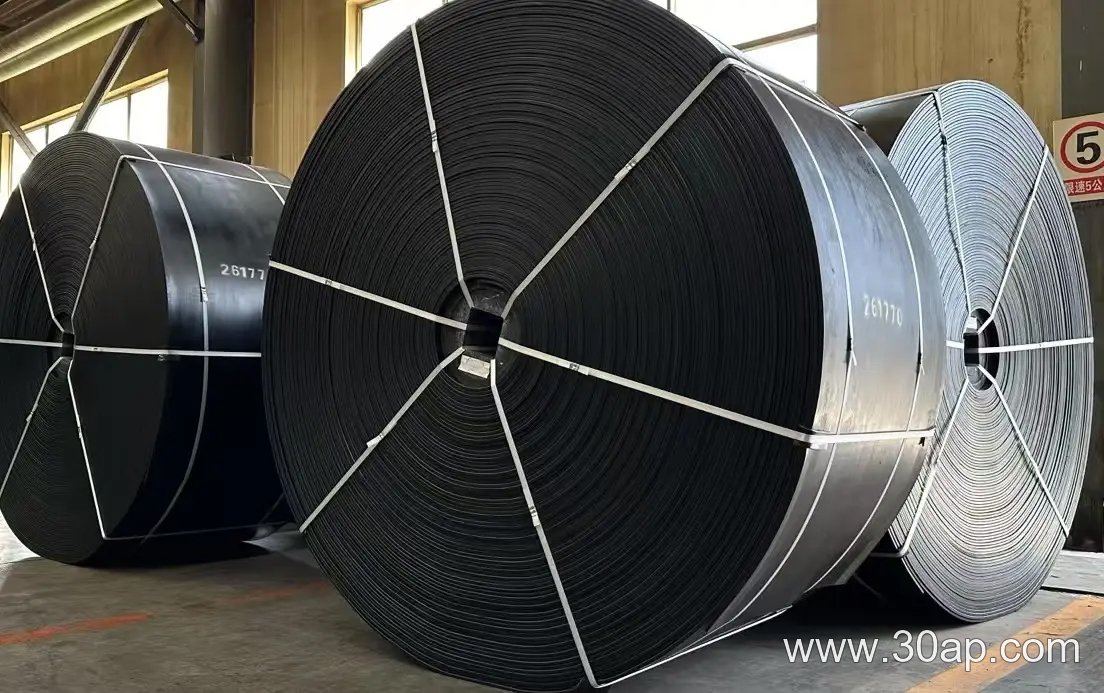
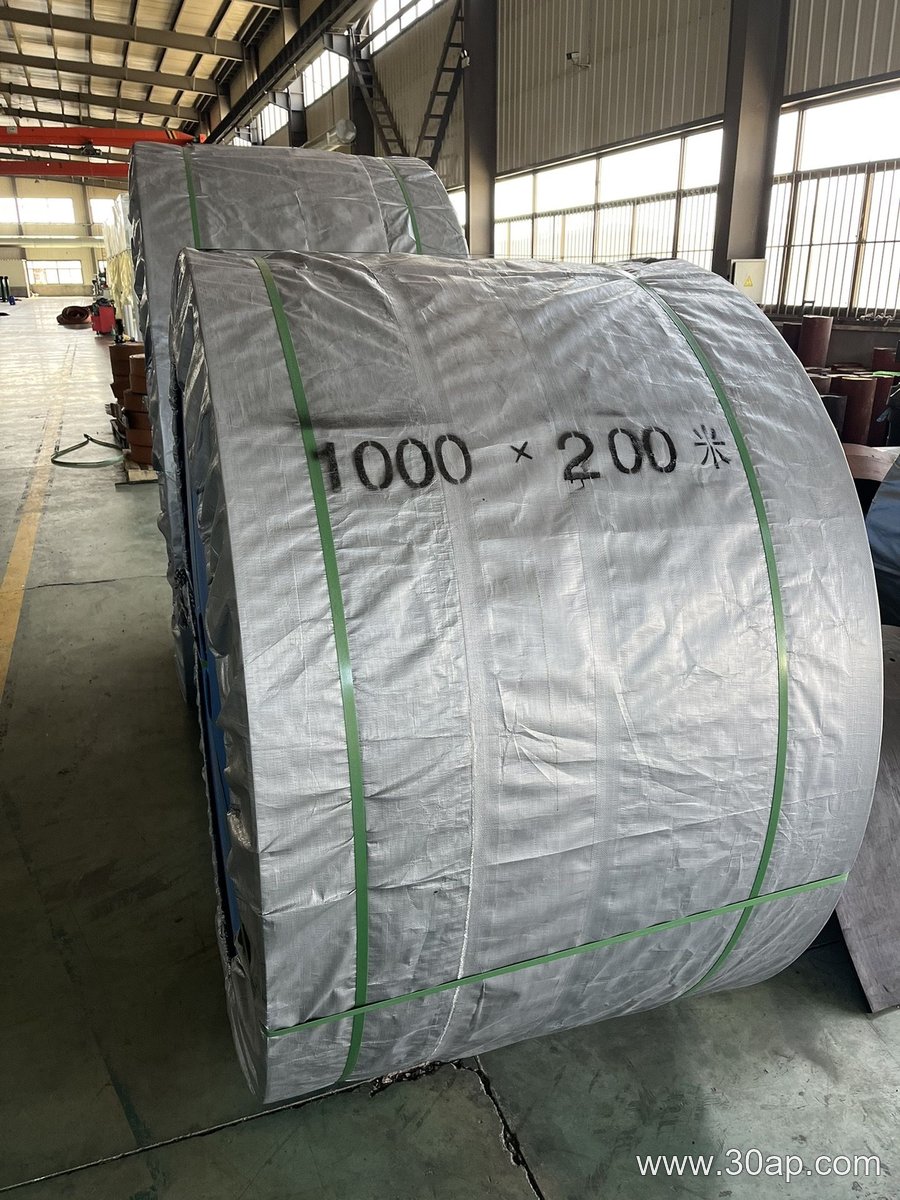
How the Belt Is Built
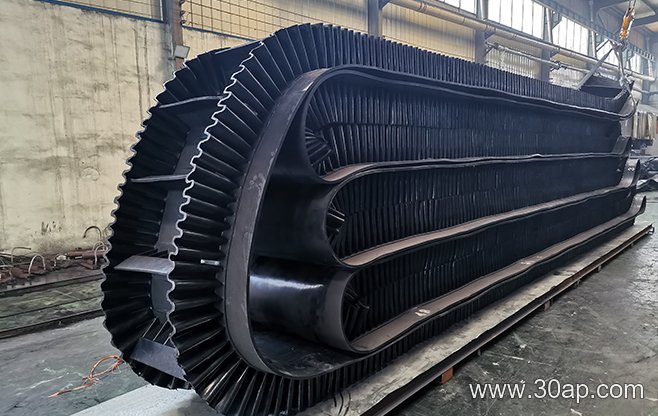
A typical construction combines a woven fabric carcass with PVC covers on both sides. The carcass may contain two to six plies depending on the load and the required breaking strength. Cover thickness is normally described as a top plus bottom figure, for example 3+1.5 mm, 4+2 mm, or 5+2 mm. The PVC compound can be formulated for flame retardance, antistatic behavior, wear resistance, or low-temperature flexibility, and surface patterns such as a chevron or rough-top finish may be added to improve grip on inclines. Sidewall and cleated versions exist for steep-angle conveying, but they solve a different handling problem from a flat PVC mining belt.
Common Reference Data
The values below are common reference points, not fixed supply promises. Actual belt design should follow the conveyor calculation and the manufacturer’s data sheet.
| Item | Common reference values |
|---|---|
| Belt type | PVC solid-woven or PVC-covered fabric |
| Belt width | B500, B650, B800, B1000, B1200, B1400 |
| Carcass plies | 2 to 6 |
| Cover thickness | 3+1.5, 4+2, 5+2, 6+2 mm |
| Surface form | smooth, chevron, rough-top, cleated, sidewall |
| Property options | flame retardant, antistatic, wear resistant, oil resistant |
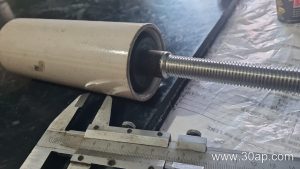
Belt width does not by itself determine pulley diameter or shaft diameter. Those are set by the conveyor designer using the belt tension, the number of plies, the pulley position, and the required wrap angle.
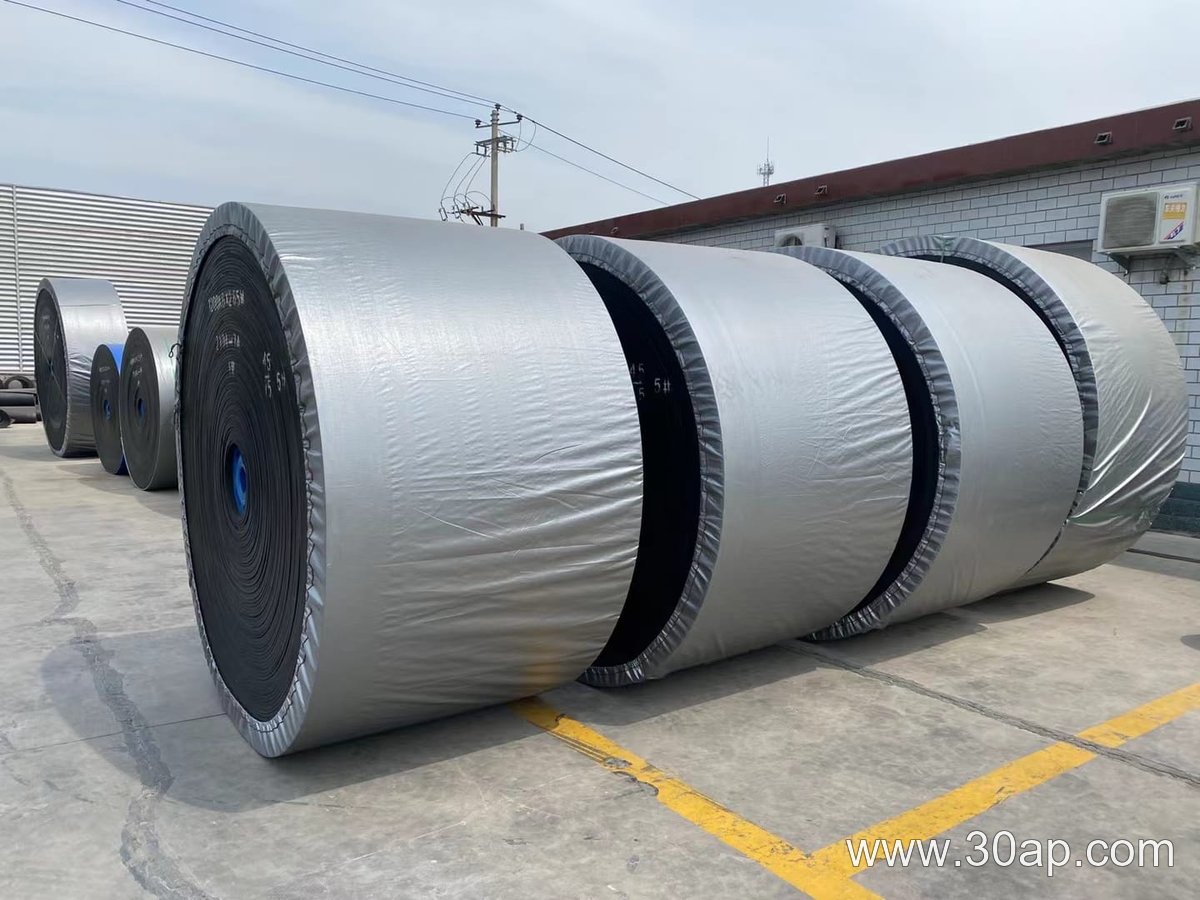
Where It Is Used
You will see this belt in coal preparation plants, cement plants, power station coal yards, sand and gravel pits, and mineral processing lines. It suits short-to-medium haul distances, loading points with moderate impact, and environments where a rubber-covered belt would be heavier or more costly. In a coal yard it may carry crushed coal to a stockpile; in a cement plant it may feed clinker or limestone; in a sand and gravel plant it may move washed aggregate. Because PVC compounds can be made flame retardant and antistatic, the belt is also used in enclosed galleries and tunnels where fire safety rules apply.
Buying Points to Check
- State the material, lump size, capacity, and incline so the belt can be matched to the duty.
- Confirm the required cover grade and whether flame retardance or antistatic behavior is needed.
- Check the minimum pulley diameter recommended for the selected carcass, and do not assume that one belt width has only one pulley diameter.
- Match the belt to the idler roller spacing and the loading arrangement to reduce edge damage and cover wear.
- Ask how the belt will be spliced, since a poor joint often fails before the belt body does.
- Keep the belt tracking correct by aligning the conveyor pulley and brackets during installation.
Maintenance Notes
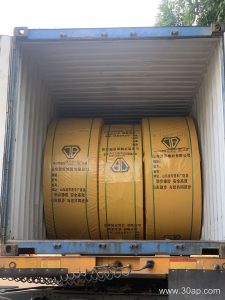
Inspect covers for cuts, gouges, and embedded material, especially near the loading point and the discharge pulley. Worn idler rollers can damage the belt surface, so check them together with the conveyor bracket fixings. Keep the drive pulley lagging clean; a slipping pulley can overheat the belt and shorten its life. Store spare PVC belt rolls away from direct sun, oil, and sharp objects. When the belt is used in a mine or a cement plant, follow the site’s lockout and inspection schedule.
A PVC mining conveyor belt is a practical choice when the duty calls for a moisture-resistant, flame-retardant, or antistatic belt at moderate strength. Review the actual tension, pulley layout, and material conditions before ordering, and treat all figures above as starting points for discussion with the supplier.