What a Conveyor Bracket Is and Why Its Price Varies
A conveyor bracket is the steel support that holds the idler roller in position under the conveyor belt. It is a simple part in appearance, yet the conveyor bracket price can differ noticeably from one quotation to another because the bracket is rarely a single universal item. A trough bracket for a B800 belt in a sand and gravel line is a different piece of steel from a return bracket for a B1800 belt at a port terminal. Buyers who compare only the number at the bottom of a quote often miss this point.
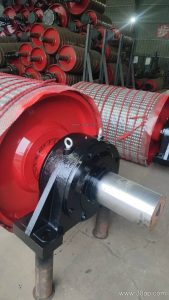
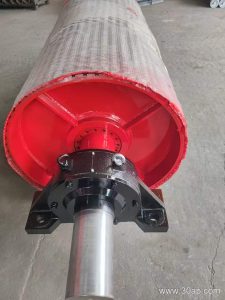
In practice, the bracket is part of a system that includes the conveyor belt, the conveyor pulley at each end, and the idler roller set in between. The bracket carries the roller load, sets the trough angle, and keeps spacing consistent along the frame. When any of these change, the bracket design and its price usually change with them.
How the Bracket Is Built
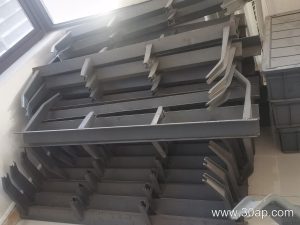
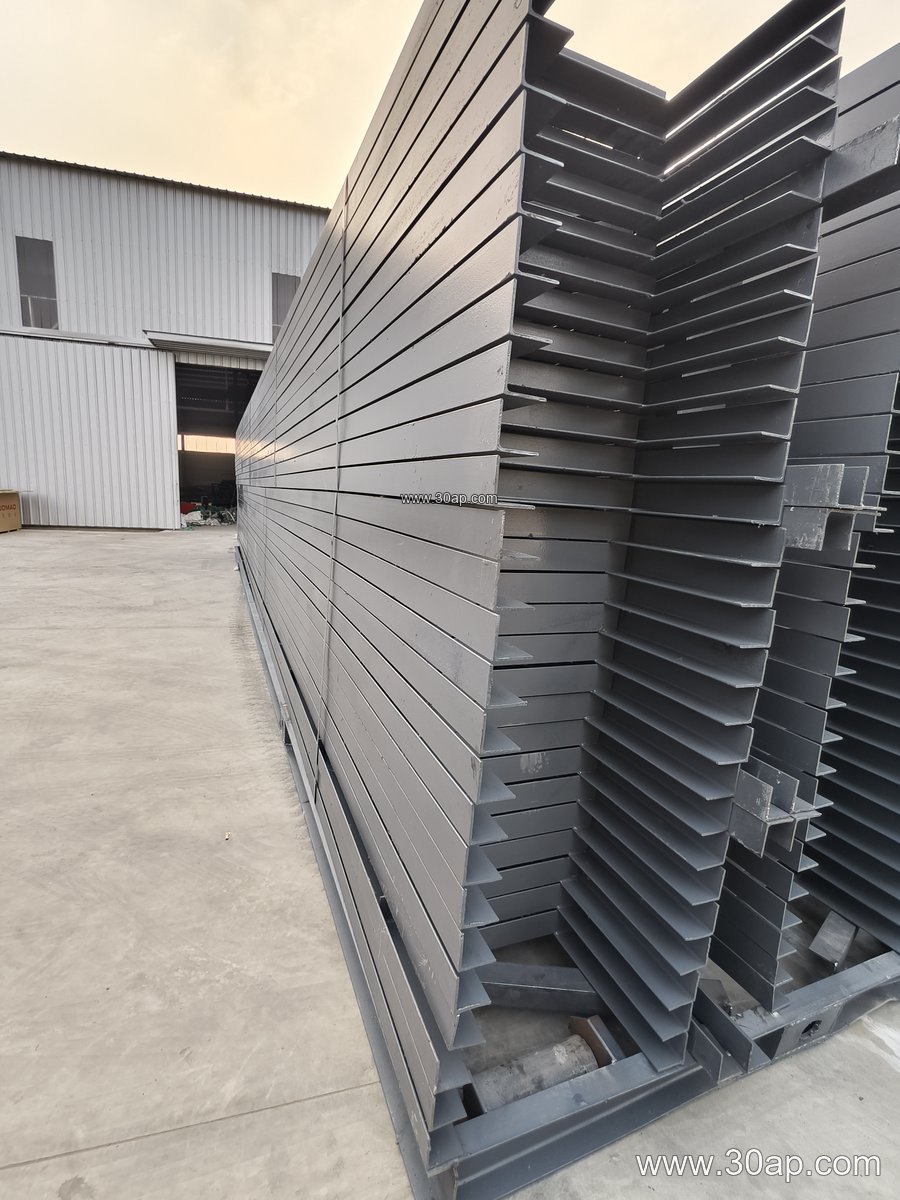
Most brackets are fabricated from angle steel, channel steel, or folded steel plate. The grade of steel, the thickness, and the welding or bolting method all affect the final cost. A light bracket for a B500 or B650 line in a grain silo may use thinner material than a heavy bracket for a B1400 or B1600 crusher conveyor at a quarry. Surface treatment, such as painting or galvanizing, is another cost line, especially where dust and moisture are present.
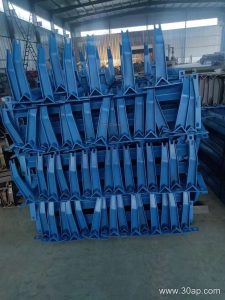
Common bracket types include trough brackets, transition brackets, return brackets, V-return brackets, impact brackets, self-aligning brackets, and adjustable brackets. Each has its own fabrication route, so a self-aligning bracket with moving parts will not price like a fixed trough bracket of the same belt width.
Where the Bracket Fits in the Conveying Line
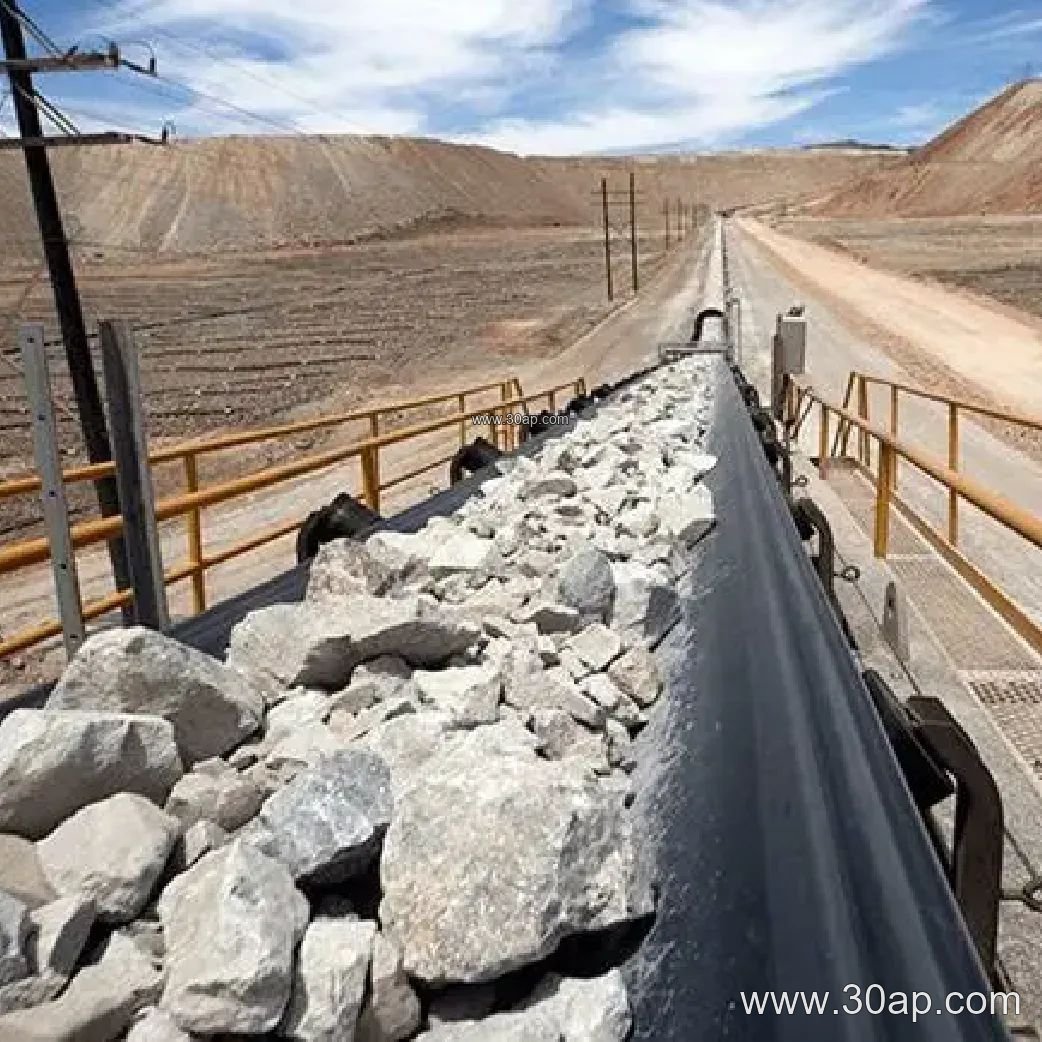
The bracket appears in almost every bulk handling area. In a coal preparation plant, trough brackets hold idlers that shape a 35 degree trough under a flame retardant conveyor belt. At a limestone quarry, impact brackets sit below the loading point to soften the drop of large rock onto an abrasion resistant conveyor belt. In a cement plant, return brackets support the belt on its empty run, and V-return brackets help keep it centered.
Port terminals and power plant coal yards use wider frames, where a B1800 or B2000 bracket is a substantial steel assembly. The same principle applies at a smaller scale in a fertilizer plant or a tunnel muck line, but the steel section and bolt pattern will be lighter.
Common Reference Configurations
The table below shows typical bracket reference combinations. These are examples for orientation, not fixed rules; the actual design is confirmed against the conveyor frame drawing.
- B500, 20 degree, Ø89
- B650, 30 degree, Ø89
- B800, 35 degree, Ø108
- B1000, 35 degree, Ø108
- B1200, 45 degree, Ø133
- B1400, 35 degree, Ø133
- B1600, 45 degree, Ø159
- B1800, 35 degree, Ø159
- B2000, 45 degree, Ø194
Adjustable brackets can usually be set between 20, 30, 35, and 45 degrees. Forward-leaning brackets commonly use about 1.5 to 2 degrees of tilt. Installation hole spacing and crossbeam length change with belt width and trough angle, so they are determined by design rather than taken as a fixed number.
What Moves the Conveyor Bracket Price
Several factors drive the quotation. Belt width is the first, because a wider frame needs a longer crossbeam and heavier steel. Trough angle comes next, since 45 degree brackets carry more load than 20 degree versions. Roller diameter matters too, because the bracket seat and mounting height must match Ø89, Ø108, Ø133, Ø159, or Ø194 idlers. Type is the fourth factor: a fixed trough bracket, an adjustable bracket, and a self-aligning bracket are different products with different labor content.
Order quantity also shapes the unit price. A single replacement bracket for a B650 line in a small aggregate plant will cost more per piece than a batch for a B1200 main haul conveyor. Steel market movement and surface treatment add further variation.
Buying Advice
When requesting a conveyor bracket price, state the belt width, the trough angle, the idler roller diameter, the bracket type, and the material or finish you need. Send a frame drawing if one exists. Ask whether the price covers the bracket only or includes bolts and mounting hardware. Confirm the hole spacing rather than assuming it. A clear specification reduces the chance of receiving a bracket that fits the roller but not the frame.
For related components, buyers often request the conveyor pulley, the idler roller, and the conveyor belt in the same inquiry, which can simplify logistics. Still, keep each item specified separately so the bracket price remains comparable.