What the ST2500 Conveyor Belt Is
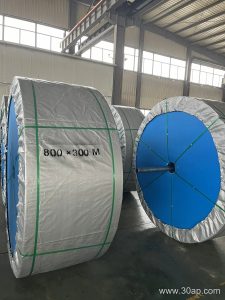
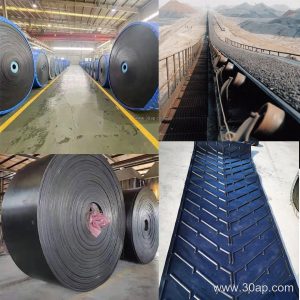
The ST2500 conveyor belt is a steel cord conveyor belt with a nominal tensile strength of 2500 N/mm. It belongs to the high-strength end of the steel cord family and is chosen where a single belt must carry heavy bulk loads over long distances without excessive stretch. In mining, coal preparation, cement plants, power stations, and large quarry or port operations, this belt is often the main haulage element on trunk conveyors. As a Steel Cord Conveyor Belt, it relies on brass-plated steel cords embedded in rubber rather than fabric plies.
Construction and Build
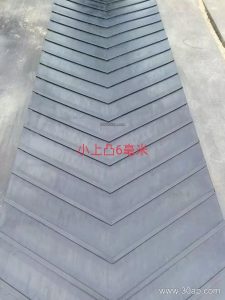
The ST2500 belt is built around a layer of parallel steel cords. Each cord is tensioned during manufacture and bonded to the core rubber. Top and bottom cover rubber protect the carcass from abrasion, impact, and moisture. Typical cover compounds can be selected for abrasion resistance, heat, oil, or flame retardancy depending on the duty. The belt may also be supplied with transverse reinforcement for tear resistance in demanding primary crushing and mining conveyor belt service. Cover thickness is specified by the application; common combinations include 6+2 mm, 8+3 mm, and heavier builds for high-impact transfer points.
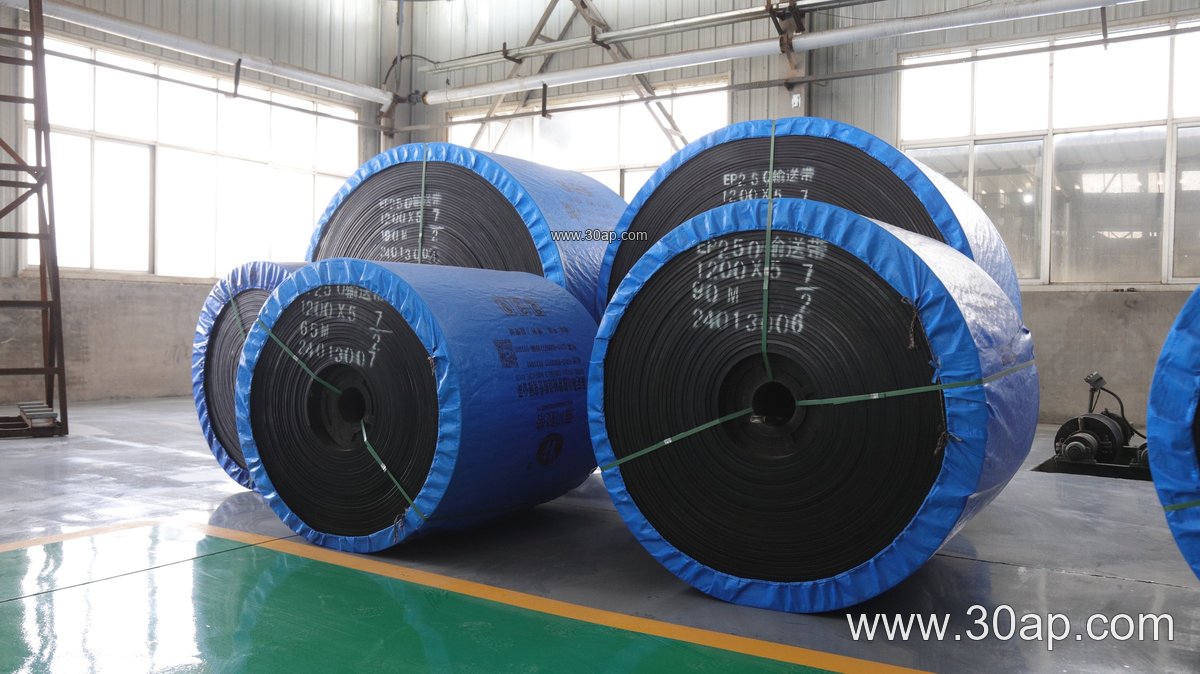
Where It Is Used
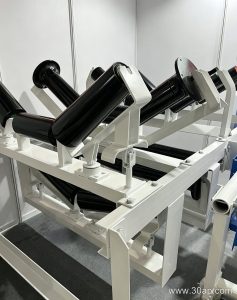
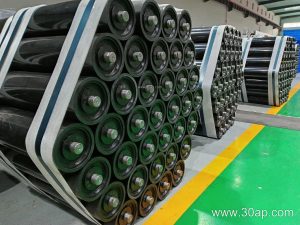
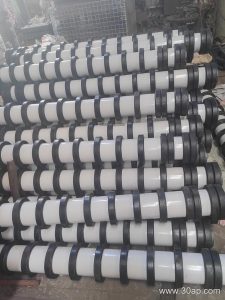
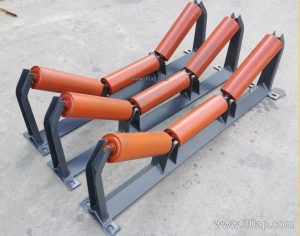
This belt fits long overland conveyors, inclined trunk lines, and high-tonnage systems in the cement plant conveyor belt and power plant conveyor belt sectors. It is also found in iron ore, copper ore, and coal handling circuits where a high-strength belt reduces the number of transfer points. In underground coal mining, a flame retardant version may be required by local rules, while surface operations may prioritize abrasion resistance. The belt works with conveyor pulleys, idler rollers, and conveyor brackets that are sized for the belt width and load.
Specifications and Related Data
Steel cord belt grades are commonly identified by their strength class. The table below shows reference values for the ST family; actual dimensions and cover thickness are confirmed per project.
| Grade | Nominal Strength (N/mm) | Typical Belt Widths (mm) | Common Cover Thickness (mm) |
|---|---|---|---|
| ST1000 | 1000 | 800–1600 | 4+2 to 6+2 |
| ST1250 | 1250 | 800–1800 | 4+2 to 6+2 |
| ST1600 | 1600 | 1000–2000 | 5+2 to 8+3 |
| ST2000 | 2000 | 1000–2000 | 6+2 to 8+3 |
| ST2500 | 2500 | 1200–2200 | 6+2 to 8+3 |
| ST3150 | 3150 | 1400–2400 | 8+3 and heavier |
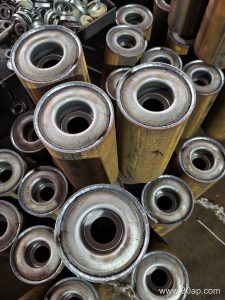
Belt width is not tied to one pulley diameter. The drive pulley, tail pulley, and bend pulley are selected from the belt tension, cord diameter, and system design, not from width alone. A 1200 mm wide ST2500 belt and a 1800 mm wide belt may use different pulley sizes even at the same strength grade. Buyers should provide the conveyor profile, capacity, material lump size, and ambient conditions so the belt and conveyor pulley arrangement can be checked together.
Buyer Checklist
- Confirm the required strength class and whether ST2500 is the most economical choice or whether a lower or higher grade fits better.
- State the material type, temperature, oil or chemical exposure, and fire safety requirements so the cover compound is correct.
- Give belt width and cover thickness needs, plus any tear-resistant or impact-resistant construction.
- Check that idler roller spacing and conveyor bracket design suit the belt stiffness and load.
- Ask for the cord diameter and minimum pulley diameter recommendation from the belt manufacturer.
An ST2500 belt is a heavy-duty component, so handling, splicing, and storage matter. Long rolls need proper support, and splicing should follow the belt maker’s procedure for steel cord belts. When specified with the right covers and matched to the conveyor structure, it supports reliable bulk material transport in demanding industrial settings.