What a Conveyor Bracket Quotation Covers
A conveyor bracket quotation is a priced offer for the support frames that hold idler rollers in position along a belt conveyor. Instead of treating the bracket as an accessory, a proper quotation describes the bracket type, the material it is made from, the belt width it suits, the trough angle, and the roller diameter it accepts. Buyers often request this document when they are replacing worn supports on an existing line or building a new conveyor section and need a clear basis for comparison.
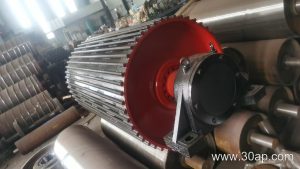
The bracket is sometimes called a roller support frame or idler mounting bracket. These names describe the same item, and a supplier may use either one in a quotation. It is not the same as a drive pulley, a tail pulley, or a bend pulley, which are separate components with different duties.
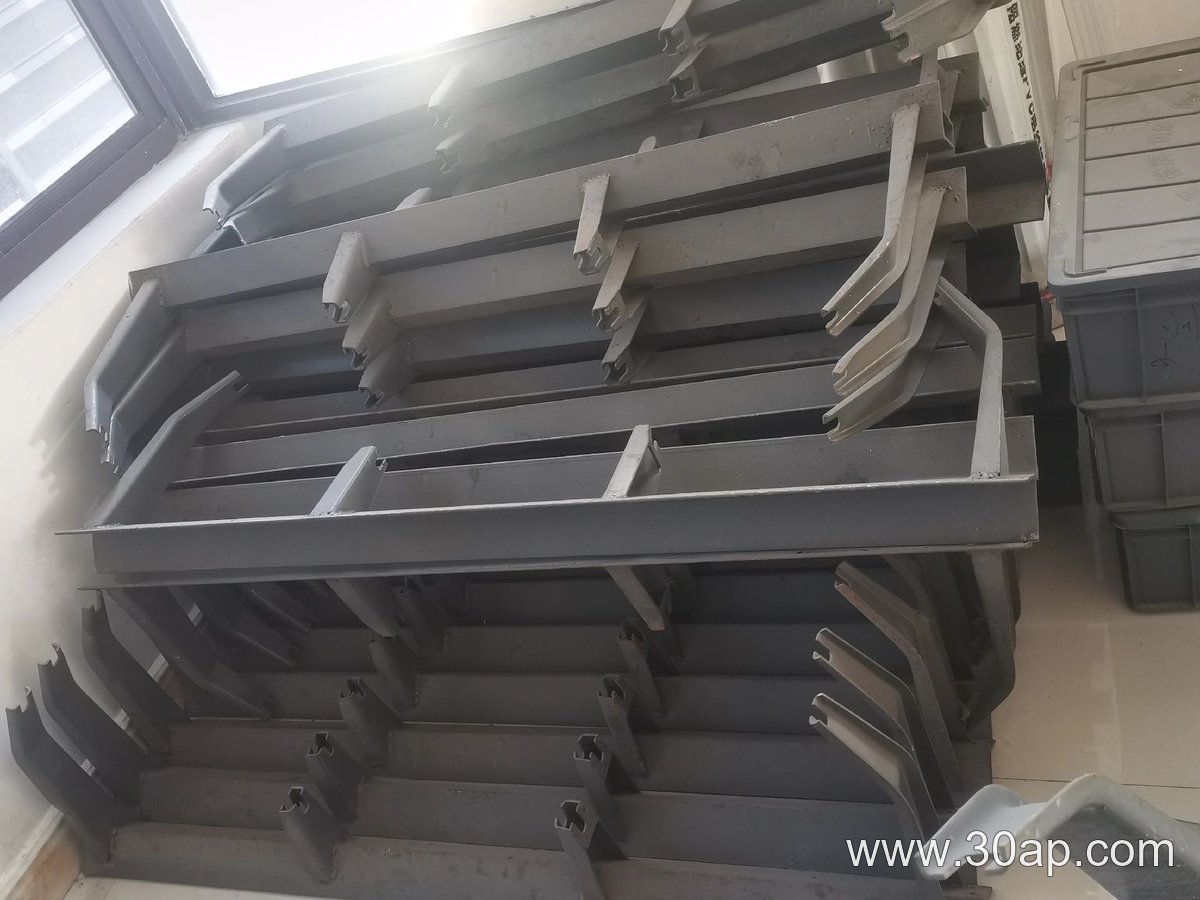
How the Bracket Is Built
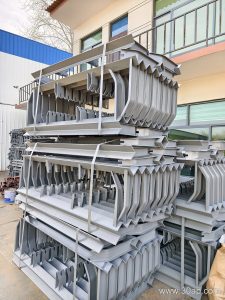
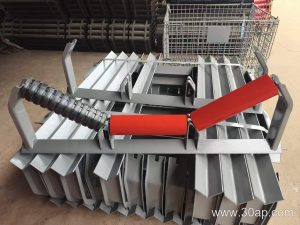
Most brackets are fabricated from angle steel, channel steel, or folded steel plate. The choice depends on load, span, and the environment. A troughing bracket carries three rollers in a cradle shape and sets the trough angle. A return bracket supports the belt on the way back, and a V-shaped return bracket helps centre the belt. Impact brackets sit under the loading zone and use cushioned rollers, while self-aligning brackets allow small lateral movement to correct belt tracking.
Adjustable brackets let maintenance teams change the trough angle within a range, such as 20, 30, 35, or 45 degrees. Training brackets may be set with a small forward tilt, commonly about 1.5 to 2 degrees, to encourage belt alignment. Mounting hole spacing and crossbeam length vary with belt width and trough angle, so they are confirmed per design rather than assumed.
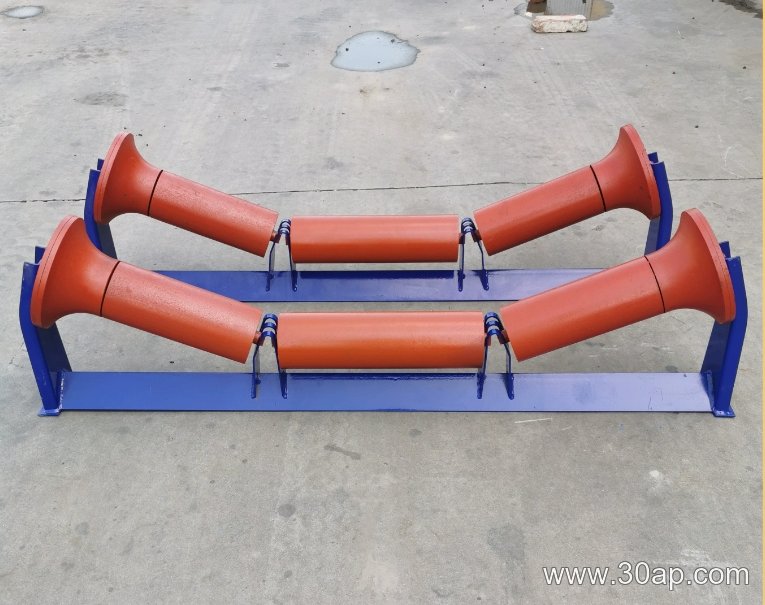
Where These Supports Are Used
You will find these frames in a quarry crushing and screening line, where dust and heavy lumps demand sturdy supports. They are also common in a coal preparation plant, where return and troughing brackets keep the belt steady through washboxes and transfer points. The same basic design appears in a cement plant, a power station coal yard, a port loading system, or a grain silo gallery, though the material and surface treatment may change with the duty.
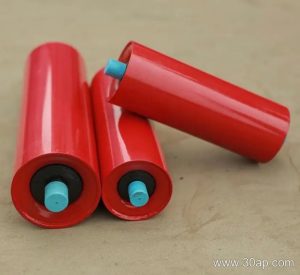
In each location, the bracket works together with the conveyor belt, the idler roller, and the conveyor pulley. If the bracket is too light or the trough angle is wrong, the belt may not sit correctly, and roller life can drop.
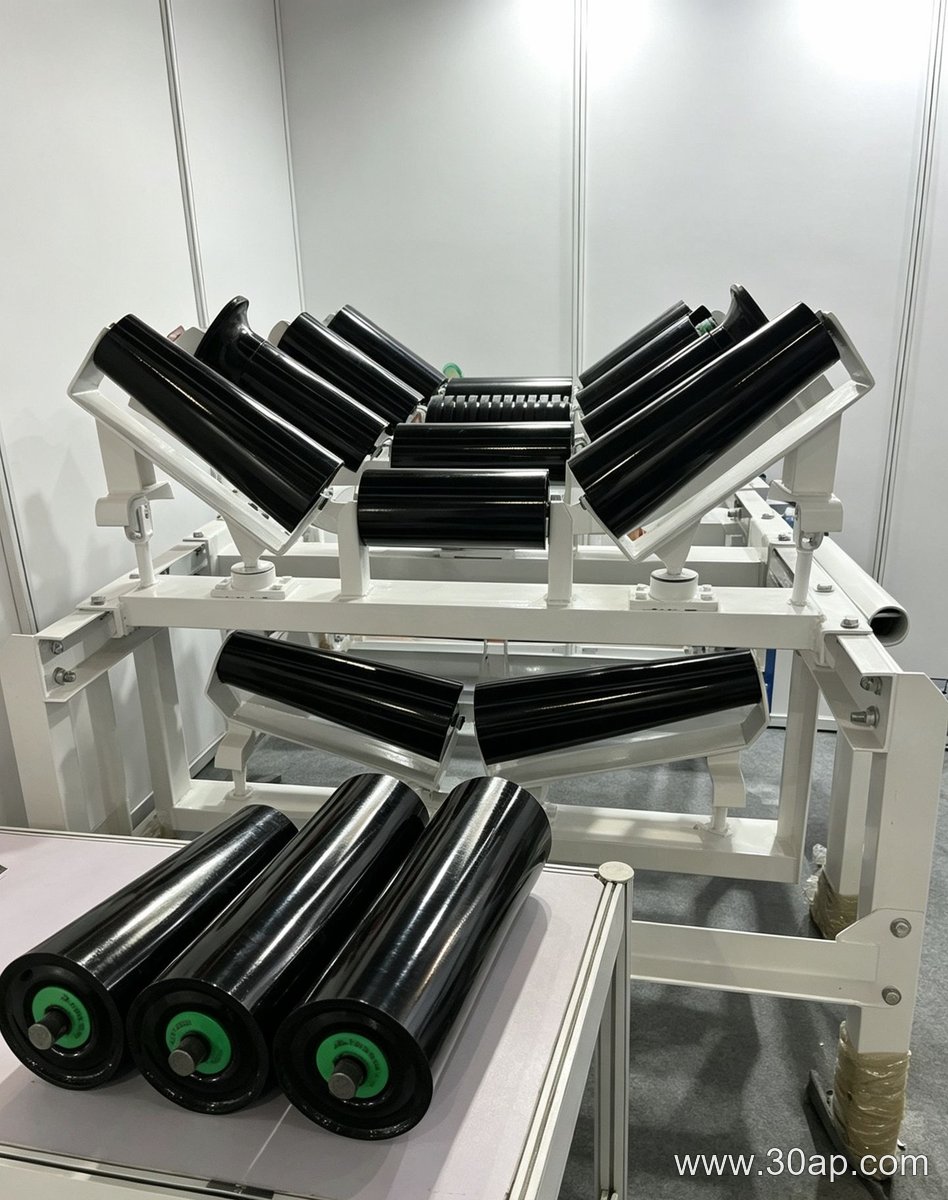
What a Buyer Should Check Before Ordering
- Belt width, for example B650, B800, B1000, B1200, or wider, as this drives the frame span.
- Trough angle required by the material and capacity, such as 30 or 35 degrees for many bulk loads.
- Roller diameter, for example Ø89, Ø108, Ø133, or Ø159, because the bracket seat must match.
- Bracket type, whether troughing, return, impact, self-aligning, or adjustable.
- Material and finish, since a wet or corrosive site may need a different grade or coating.
- Mounting dimensions, hole centres, and crossbeam length, which should be confirmed against the existing structure.
A quotation that lists only a price and a belt width is incomplete. Ask for the bracket type, the roller size it accepts, the trough angle, the material, and the mounting detail. If the conveyor is being modified, state the current roller diameter and the desired trough angle so the supplier can quote the correct frame.
Comparing Options Without Mixing Up Components
An adjustable bracket can be useful where the material changes seasonally or where the belt needs fine tuning. A fixed bracket is simpler and often preferred where the duty is stable. Neither is a drive pulley or a tail pulley, and a troughing bracket should not be quoted as a return bracket. When comparing offers, keep the same bracket type on both sides of the table.
A clear conveyor bracket quotation helps you compare suppliers on the same basis, plan spare parts, and avoid a frame that does not fit the rollers already on site. Confirm the design values with your supplier before placing an order.