What a 1600mm Conveyor Belt Is
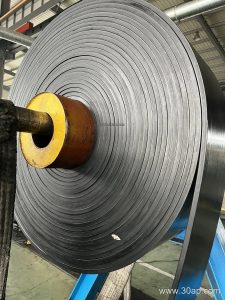
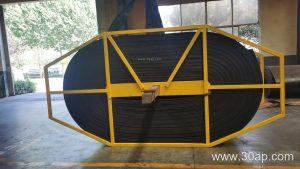
A 1600mm conveyor belt is a wide-profile belt designed for conveying large volumes of bulk material in mining, coal preparation, cement plants, power stations, and aggregate quarries. The 1600mm width refers to the belt’s cut width, which typically supports high tonnage per hour when matched with appropriate idler roller and conveyor pulley arrangements. This belt is often specified as a heavy-duty conveyor belt for primary crushing circuits and long overland conveying systems.
In the trade, the same product may be called a 1.6m wide conveyor belt or a B1600 belt. These are equivalent names for the same width class, not different products. The belt body is built from a fabric core or steel cord carcass covered with rubber or PVC, depending on the duty.
Construction and Common Configurations
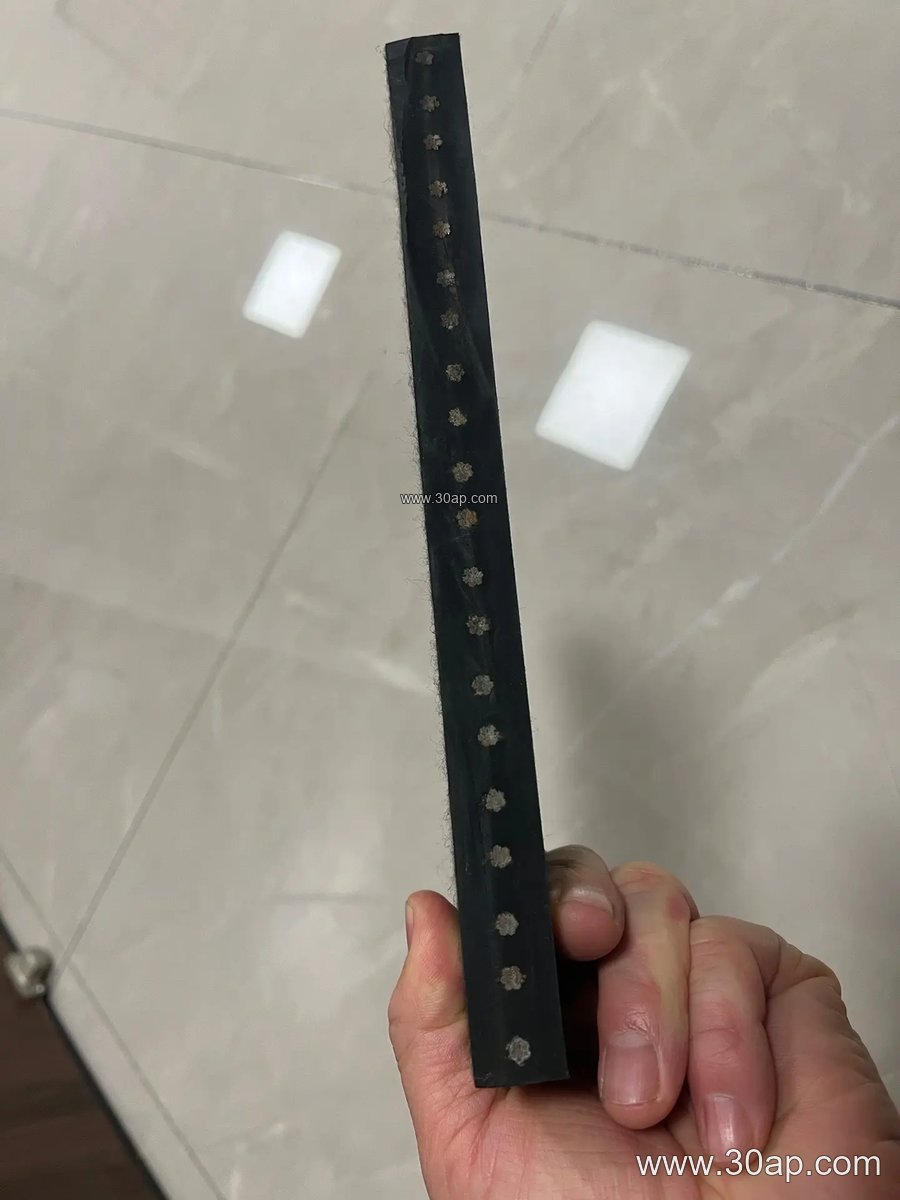
The carcass provides tensile strength and troughability. For a 1600mm width, common carcass options include multi-ply fabric core (EP or NN) and steel cord. Cover rubber grades address abrasion, heat, oil, flame, and cold conditions. Typical cover thickness combinations for this width include 4+2 mm, 5+2 mm, 6+2 mm, and 8+3 mm, with 2 to 6 plies in fabric constructions.
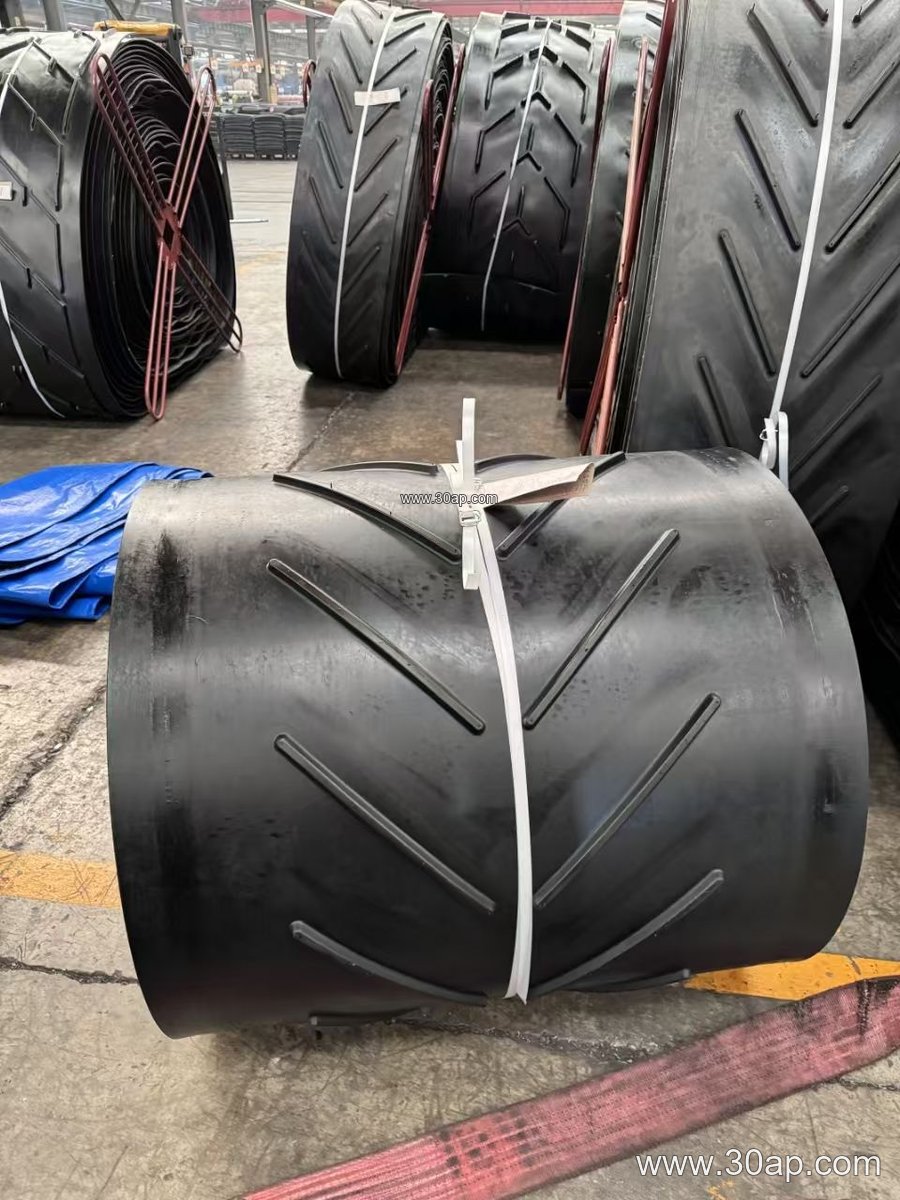
Surface forms such as chevron or corrugated sidewall can be applied when the conveyor route has an incline or requires material containment. These variations are built on the same 1600mm base belt, not substituted for it. A plain 1600mm belt remains the standard choice for horizontal and gently inclined runs.
Reference Strength Grades
| Type | Common Grades | Notes |
|---|---|---|
| EP fabric | EP200, EP315, EP400, EP500, EP630, EP800, EP1000, EP1250 | Multi-ply construction |
| NN fabric | NN100, NN200, NN300, NN400 | Nylon core, good flexibility |
| Steel cord | ST1000, ST1250, ST1600, ST2000, ST2500 | For long distance and high tension |
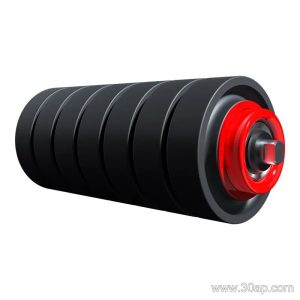
These values are reference data; actual belt selection is determined by the conveyor design, including load weight, speed, and pulley diameters. A 1600mm belt can be paired with various conveyor pulley sizes, and shaft diameters are set by the drive design, not by belt width alone.
Where 1600mm Belts Are Used
Mining and quarry operations frequently use this width for primary and secondary crushing lines, where large rock and ore pieces demand a rugged belt. In coal mining, flame retardant and anti-static grades are common for underground and surface transport. Cement plants use heat resistant or abrasion resistant belts for clinker and limestone. Power plants and steel plants rely on this width for coal and coke handling. Ports and ship loading facilities also apply wide belts for fast bulk transfer.
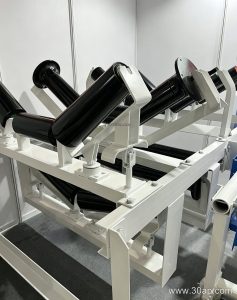
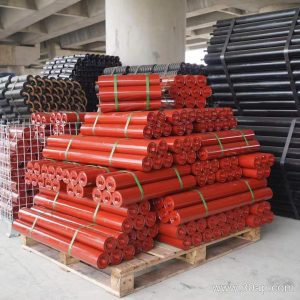
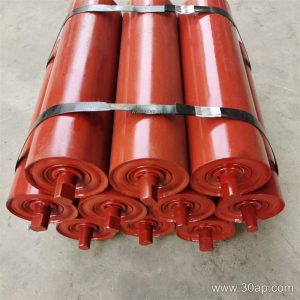
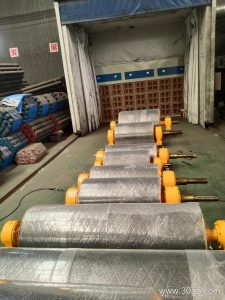
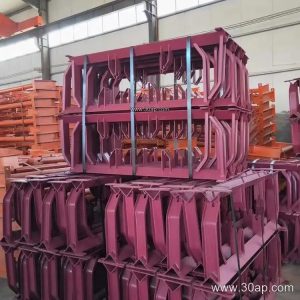
Supporting components such as idler roller frames and conveyor brackets must be sized for the belt width and load. The belt works with drive pulley, tail pulley, and bend pulley assemblies; these pulley types are not interchangeable, and each has a specific role in belt tracking and tension.
Buyer Checklist
- Confirm the actual belt width and cut edge condition.
- Match carcass type and strength grade to the conveyor’s maximum tension.
- Select cover rubber grade for abrasion, heat, oil, flame, or cold resistance as needed.
- Check cover thickness and ply count against the duty cycle.
- Verify compatibility with existing pulley diameters and idler roller spacing.
For a 1600mm conveyor belt, buyers should request a technical data sheet showing carcass, cover, and strength class, and confirm that the belt meets the conveyor’s design requirements. A flame retardant conveyor belt may be required in coal mining, while a heat resistant conveyor belt suits cement or metallurgical plants.
Maintenance and Handling
Proper storage and installation extend belt life. Avoid sharp bends during handling, and maintain correct belt tension. Inspect the belt surface for cuts and wear, and check idler roller rotation and pulley lagging condition. When replacing a belt, record the old belt’s width, ply, and cover grade to ensure the new 1600mm belt matches the conveyor’s design. For high-abrasion service, an abrasion resistant conveyor belt grade can reduce wear on the top cover.
In cold climates, a cold resistant conveyor belt may be specified to prevent cracking. In food or clean applications, a food grade belt is available, though this is less common at 1600mm width. Always consult the conveyor designer for the final specification.