What a Steel Plant Conveyor Idler Does
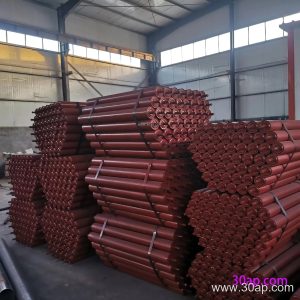
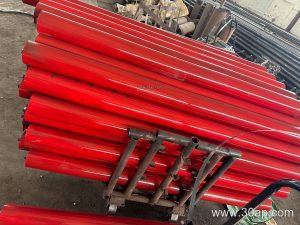
In a steel plant, raw materials such as iron ore, coke, limestone, and sintered ore move continuously on belt conveyors. The steel plant conveyor idler is the rotating component that supports the conveyor belt and the material load along the carrying and return sides. Often called a conveyor roller or idler roller, it keeps the belt aligned, reduces friction, and protects the belt from premature wear. Without dependable idlers, a conveyor in a sinter plant or stockyard would suffer frequent downtime and higher energy consumption.
This article explains how these idlers are built, where they are used, and what buyers should check before ordering. For related conveyor components such as conveyor pulley and conveyor bracket, always confirm compatibility with the idler frame and belt width.
Construction and Common Types
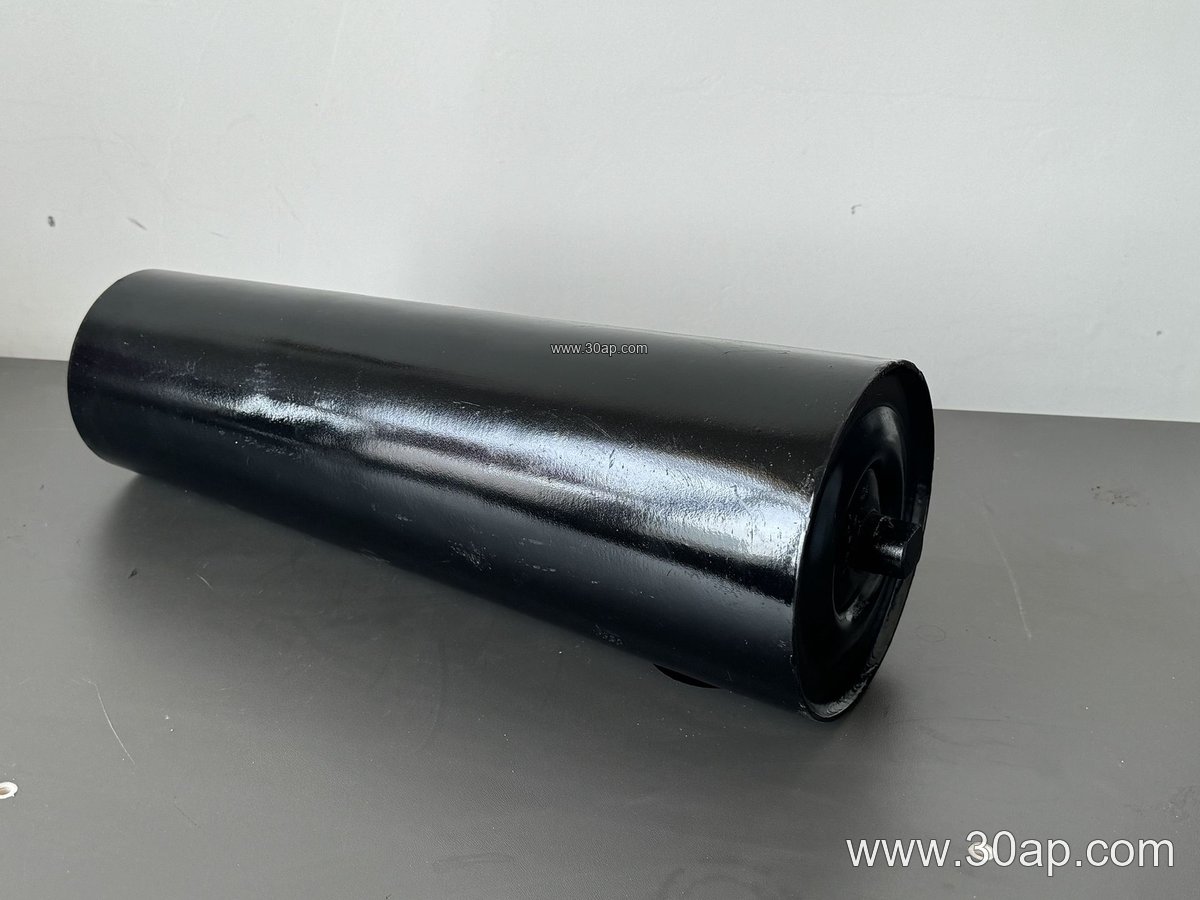
A typical steel plant conveyor idler consists of a steel tube shell, bearing housings, a shaft, and seals. The shell may be plain steel, nylon-coated, ceramic-lined, or fitted with rubber rings for impact absorption. Bearing sizes such as 6204, 6205, 6305, 6306, 6308, and 6310 are common, but the correct bearing depends on load, speed, and roller diameter, not on belt width alone.
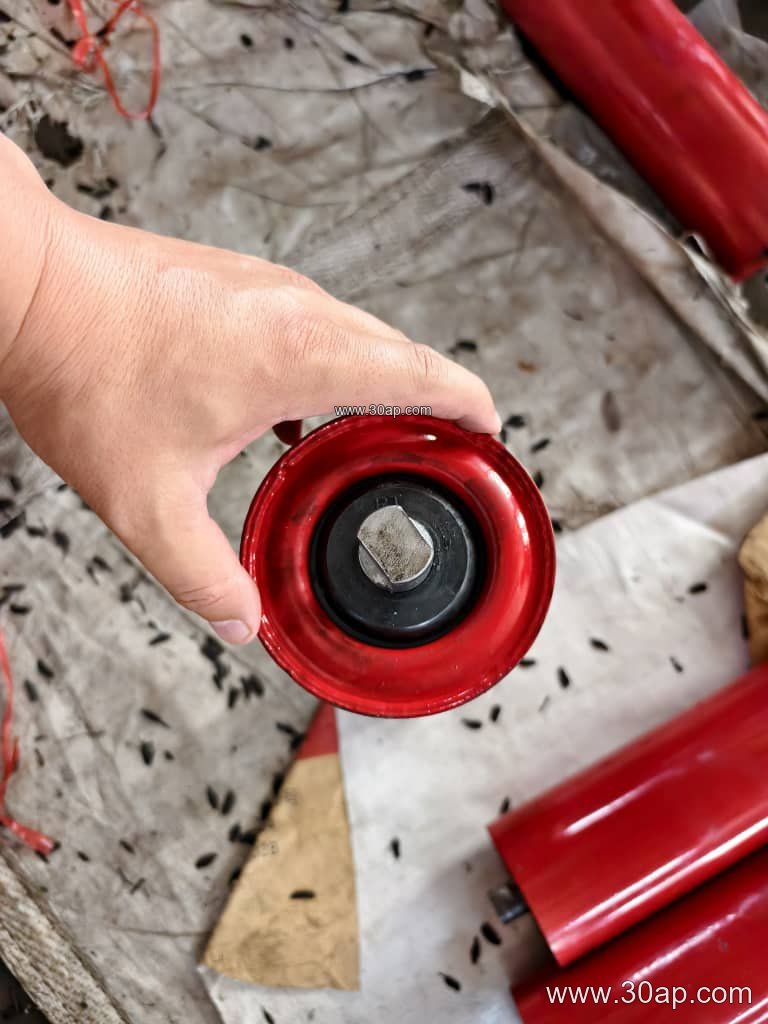
Idler diameters commonly range from Ø63 mm to Ø219 mm. The table below lists reference values; final selection should follow the conveyor design.
| Idler Type | Typical Location | Common Roller Diameter (mm) | Common Belt Width (mm) |
|---|---|---|---|
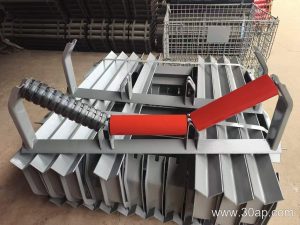
| Troughing idler (3-roll) | Carrying side | Ø89, Ø102, Ø108, Ø127, Ø133, Ø159 | B500–B2000 |
| Impact idler with rubber rings | Load zone | Ø102, Ø108, Ø127, Ø133, Ø159 | B650–B1800 |
| Return idler (flat or V-type) | Return side | Ø89, Ø102, Ø108, Ø127, Ø133 | B500–B1600 |
| Self-aligning idler | Belt training sections | Ø89, Ø108, Ø133, Ø159 | B650–B2000 |
Trough angles of 20°, 30°, 35°, and 45° are used depending on material characteristics. A slight forward tilt of about 1.5° to 2° is sometimes applied on training idlers to help center the belt.
Where Steel Plant Conveyor Idlers Are Used
These idlers appear in sinter plants, coke handling, stockyards, and slag transport. They also serve in power plant coal yards, cement plants, and quarry lines that supply steel works. In each case, the idler must match the conveyor belt width and the material load. For example, a conveyor carrying hot sinter may need heat-resistant idlers with special bearings and seals, while a belt handling limestone prior to the blast furnace may use standard troughing idlers.
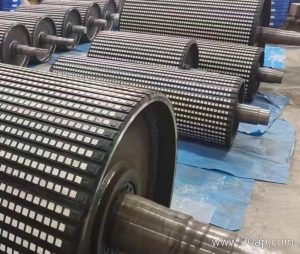
Idlers work together with the conveyor pulley at the drive and tail ends. Drive pulleys, tail pulleys, and bend pulleys are not interchangeable, and the same applies to idler types: a return idler cannot replace a troughing idler, and an impact idler is not a substitute for a standard carrying idler.
Selection and Maintenance Tips for Buyers
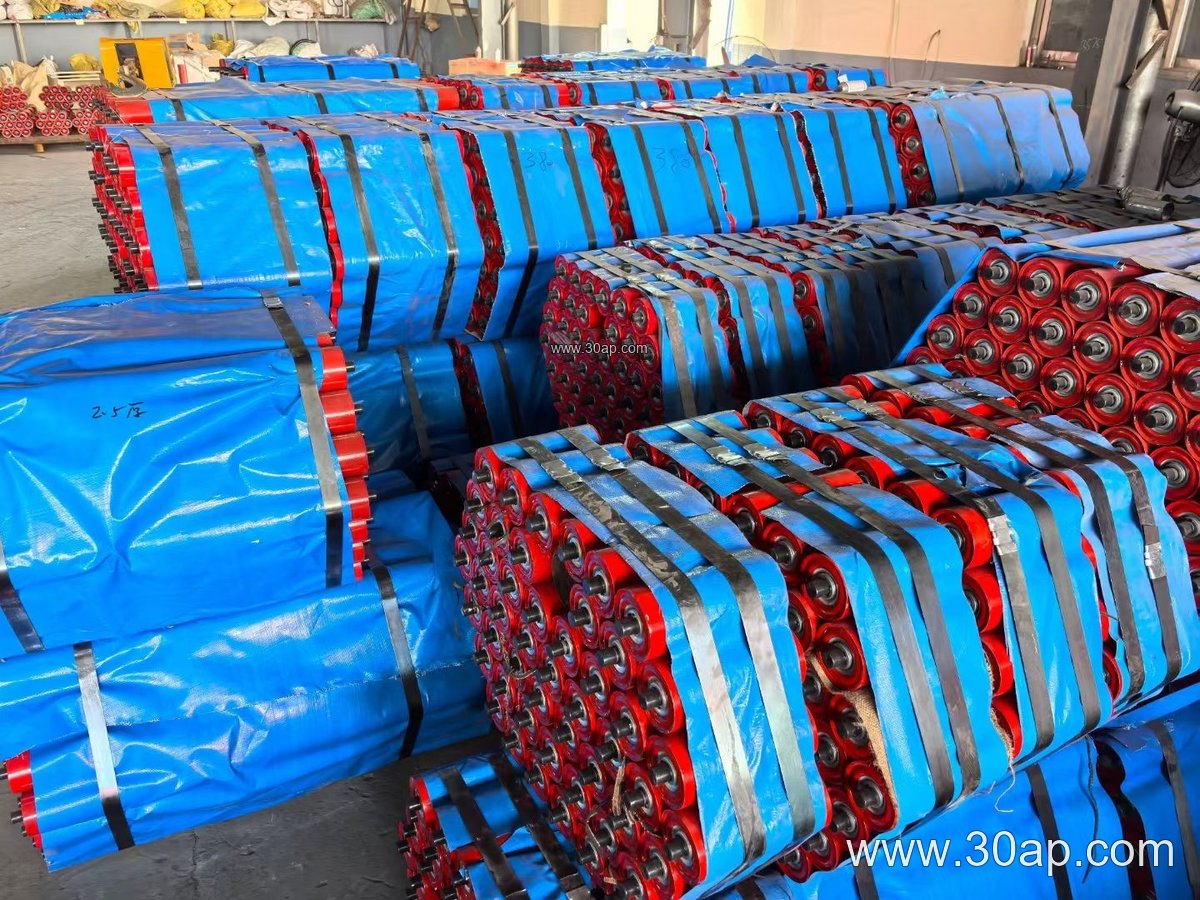
When specifying a steel plant conveyor idler, consider belt width, material lump size, belt speed, and environmental conditions. Common belt widths include B500, B650, B800, B1000, B1200, B1400, B1600, B1800, and B2000. Roller length varies with belt width and trough angle; for a three-roll troughing set, typical roll lengths are about 200 mm for B500, 250 mm for B650, 315 mm for B800, 380 mm for B1000, and 465 mm for B1200. These are examples, not fixed rules.
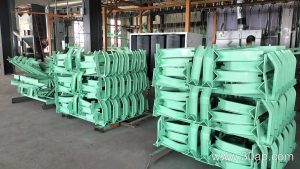
- Check that the idler shaft fits the conveyor bracket and frame.
- Use sealed bearings suitable for dusty or wet conditions.
- Inspect idlers regularly for rotation resistance, shell wear, and misalignment.
- Replace damaged idlers promptly to avoid belt tracking problems.
For conveyors handling abrasive sinter or coke, consider abrasion-resistant roller surfaces. In cold climates, low-temperature bearing grease may be needed.
Conclusion
A well-chosen steel plant conveyor idler keeps the belt running smoothly and reduces maintenance costs. Buyers should focus on correct diameter, bearing type, and mounting compatibility rather than assuming one size fits all. For related equipment such as idler roller assemblies and conveyor pulleys, always consult the conveyor design data.