What a Three-Roll Idler Bracket Does
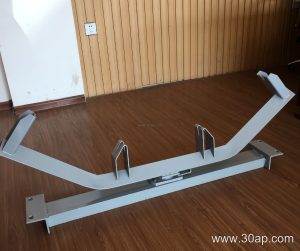
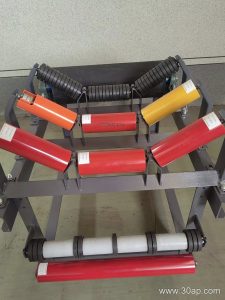
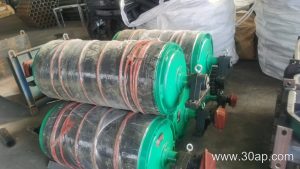
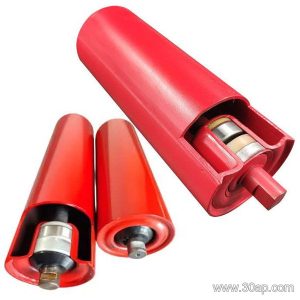
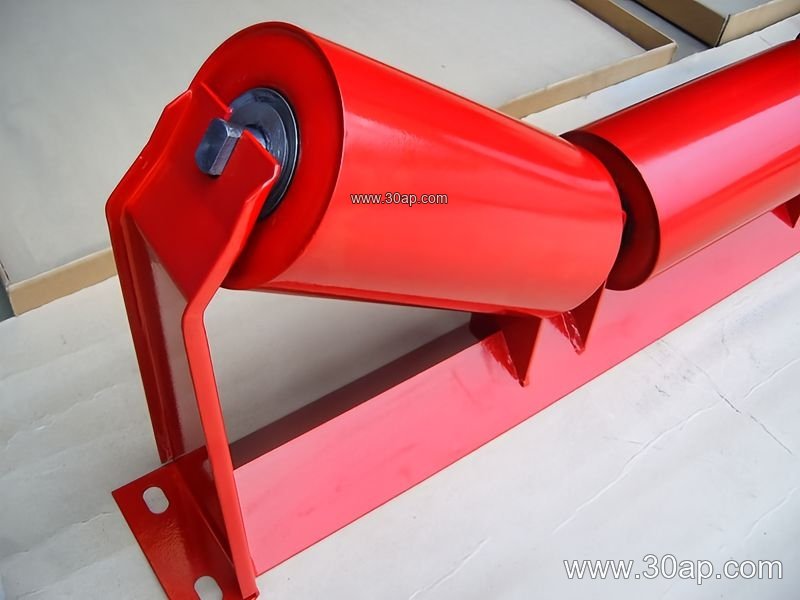
A three-roll idler bracket is the structural component that holds the three rolls of a troughing idler set at the correct angles and spacing along a conveyor. It carries the weight of the belt and the material, keeps the belt in a trough shape, and maintains proper roll alignment. In a quarry or a cement plant, this bracket is often the difference between smooth running and costly downtime. The bracket works together with the conveyor belt, the idler roller, and the conveyor pulley to form a complete load-carrying section.
Construction and Materials
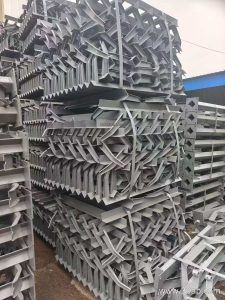
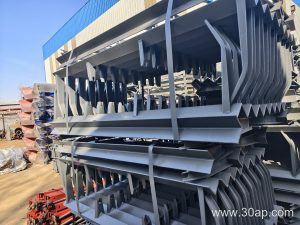
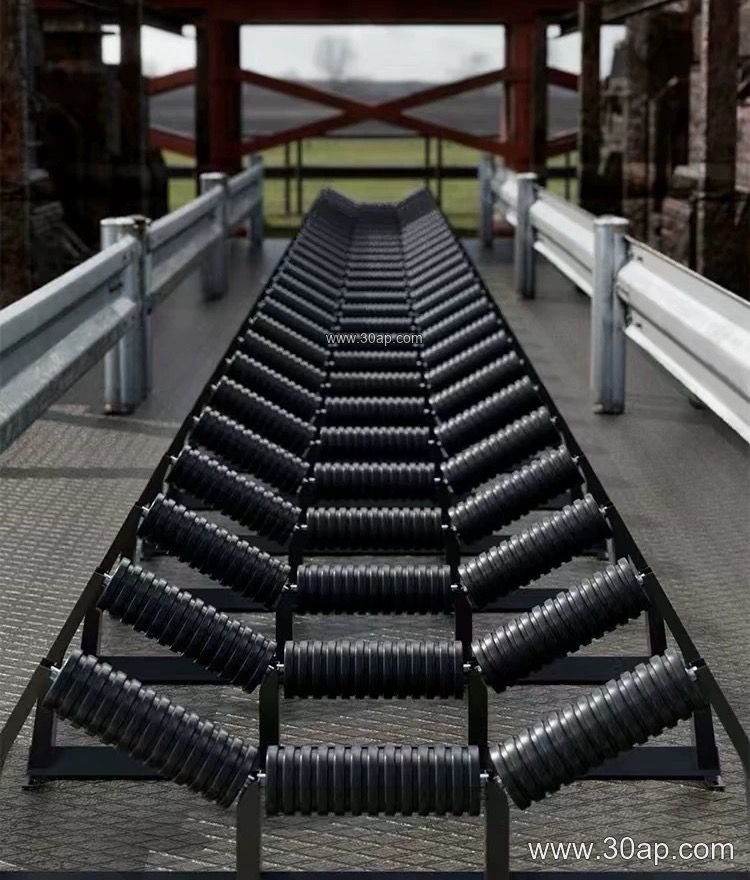
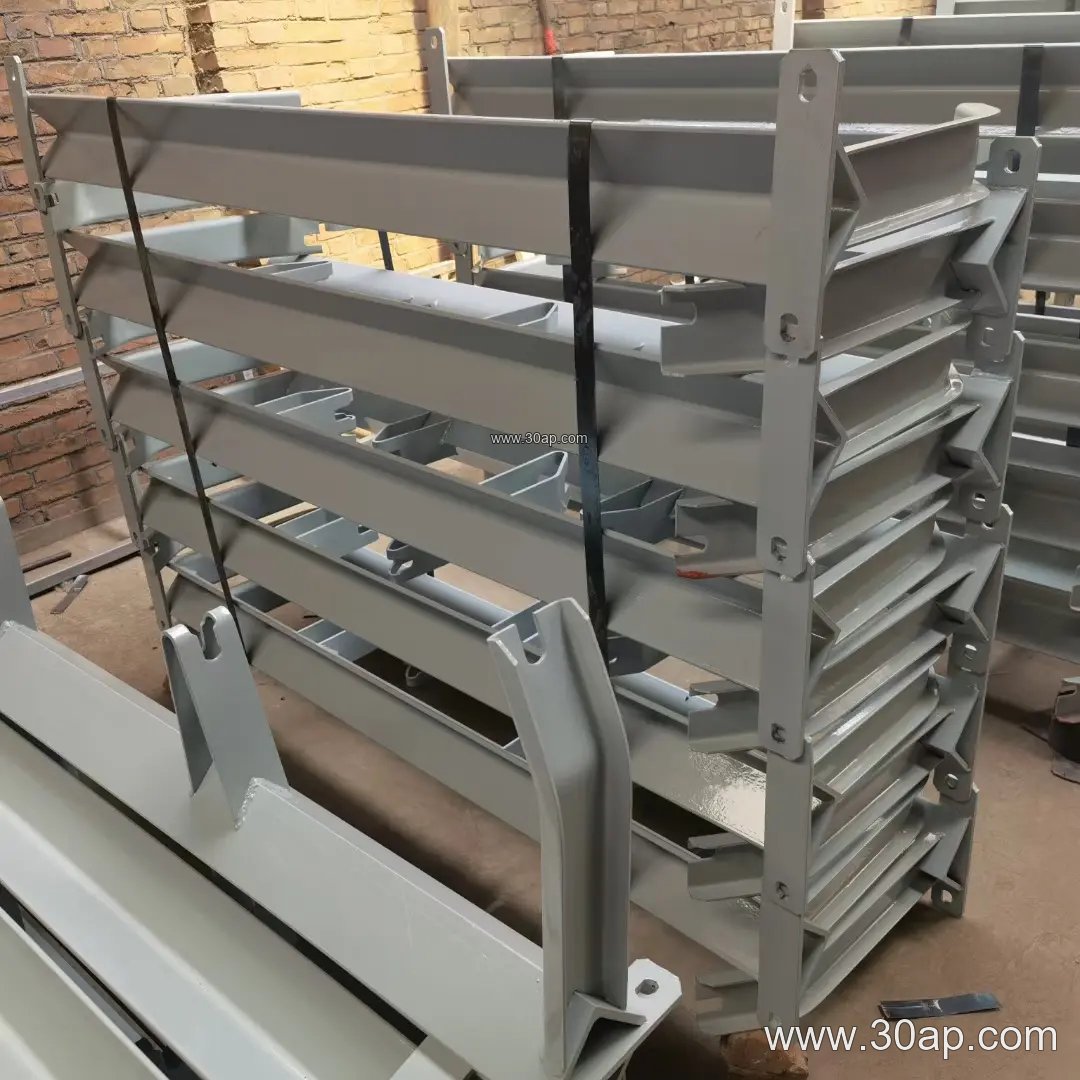
Most three-roll idler brackets are fabricated from angle steel, channel steel, or bent steel plate. The choice depends on load and environment. For heavy-duty mining conveyor belts, channel steel offers good rigidity. In a sand and gravel line, a bent plate design may be lighter and easier to install. The bracket includes mounting slots or holes for the idler shafts, and the center roll position is usually fixed while the side rolls are set at a trough angle. Common trough angles are 20, 30, 35, and 45 degrees. Adjustable brackets allow changing the angle between these values to suit different belt widths and material characteristics.
Where It Fits in the Conveyor
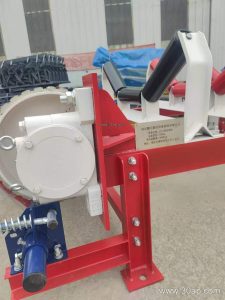
Three-roll idler brackets are used on the carrying side of a belt conveyor. They are not used for drive pulleys, tail pulleys, or bend pulleys, which have different support structures. In a coal mining conveyor belt system, these brackets support the belt through the loading zone and along the main run. In a power plant coal yard, they keep the belt centered and prevent spillage. The bracket also plays a role in training the belt when combined with forward-tilted idlers, which are often set at about 1.5 to 2 degrees.
Common Configurations and Sizes
Bracket dimensions are matched to belt width, roll diameter, and trough angle. Typical belt widths include B500, B650, B800, B1000, B1200, B1400, B1600, B1800, B2000, B2200. Roll diameters commonly used are Ø89, Ø108, Ø133, Ø159, and Ø194. The table below shows reference combinations, but final selection depends on the conveyor design and load requirements. These are not mandatory pairings; a B800 belt may use different roll diameters depending on speed and material.
| Belt Width | Trough Angle | Roll Diameter | Typical Bracket Material |
|---|---|---|---|
| B500 | 20° | Ø89 | Angle steel |
| B650 | 30° | Ø89 | Angle steel |
| B800 | 35° | Ø108 | Bent plate |
| B1000 | 35° | Ø108 | Channel steel |
| B1200 | 45° | Ø133 | Channel steel |
| B1400 | 35° | Ø159 | Channel steel |
| B1600 | 45° | Ø159 | Channel steel |
| B1800 | 35° | Ø194 | Heavy channel |
Installation hole spacing and beam length vary with belt width and trough angle. These are determined by the conveyor manufacturer and should not be assumed as fixed values.
Selection and Maintenance Tips
When choosing a three-roll idler bracket, consider the belt width, the roll diameter, the trough angle, and the material being conveyed. For abrasive materials like iron ore or copper ore, a robust bracket with wear-resistant rolls is advisable. In a fertilizer plant or a grain silo, a lighter bracket may be sufficient. Regular inspection of the bracket for bending, corrosion, or loose bolts helps prevent belt misalignment and premature idler failure. A properly selected bracket extends the life of the idler roller and the conveyor belt, reducing overall maintenance costs.
Related Equipment
The three-roll idler bracket is one part of a larger system. It interacts with the conveyor belt, the idler roller, and the conveyor pulley. In a stone crushing plant, the bracket supports the belt after the crusher, where impact and load are high. In a port ship loading facility, it ensures stable belt tracking under heavy loads. Whether you operate a coal mining conveyor belt or a cement plant conveyor, the bracket design should match the duty. For more information on compatible belts and components, visit our site at beltconveyorparts.com for conveyor belt and idler roller details.