What a Port Belt Conveyor Pulley Does
A port belt conveyor pulley is the rotating drum that drives or guides the conveyor belt in a bulk terminal handling system. At a port, conveyors move coal, iron ore, fertilizer, grain, or aggregate between ship loaders, stackers, storage yards, and rail or truck loading points. The pulley is the point where motor torque becomes belt motion, and where belt tension is redirected around the conveyor route. Because port conveyors often run long distances at high capacity, the pulley is a heavy-duty component rather than an accessory.
In a typical terminal, a drive pulley transmits power through the belt, while other drums handle return, tensioning, or direction changes. Each position has its own duty, which is why the drive, tail, and bend roles are treated separately in layout drawings and procurement lists.
How the Drum Is Built
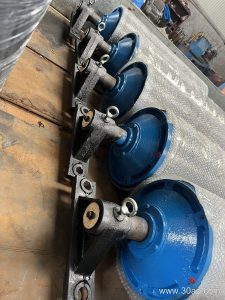
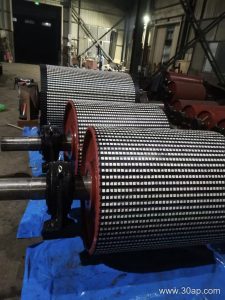
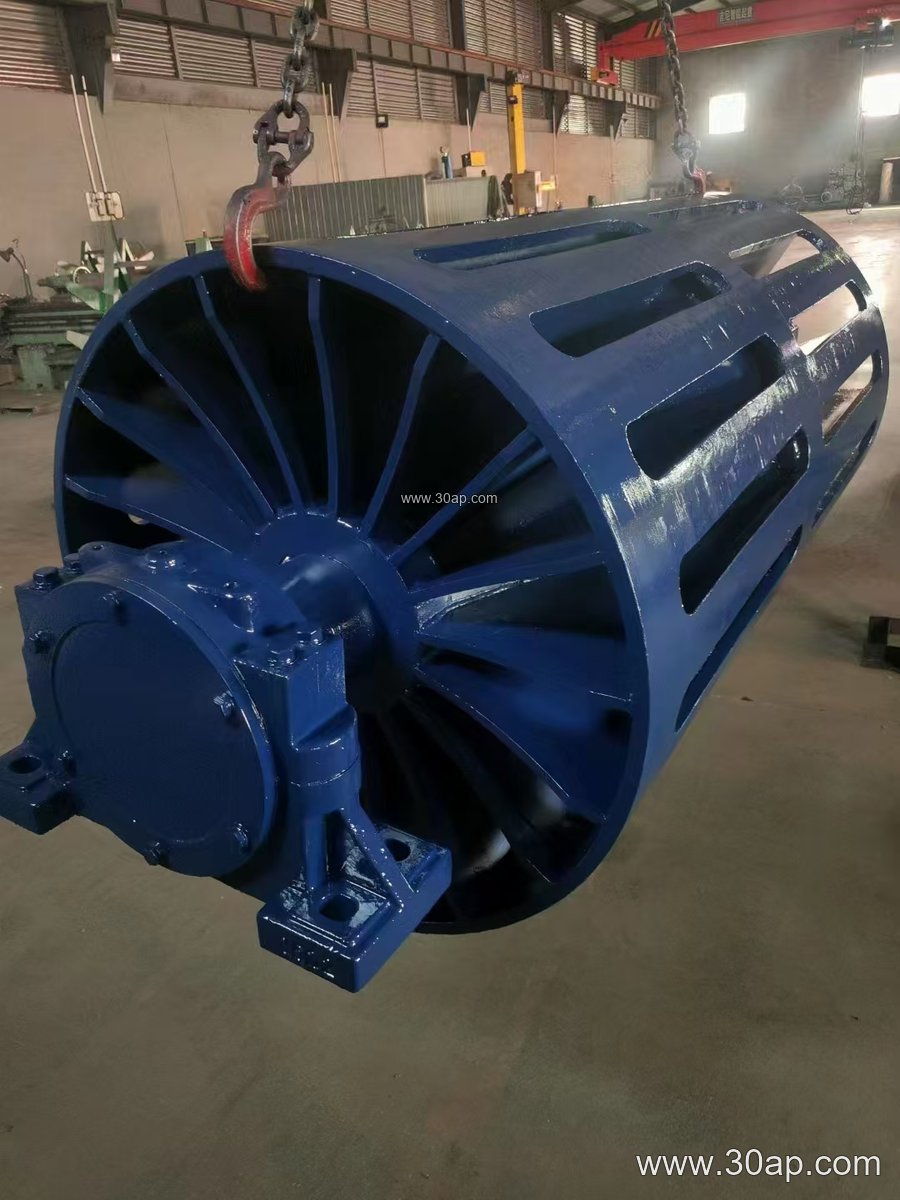
Most units combine a steel shell, end discs, a shaft, and bearing housings mounted on a sturdy conveyor bracket. The shell may be machined smooth or covered with rubber, ceramic, or grooved lagging to improve grip. Shaft ends are usually keyed or shrink-fitted, and bearing selection follows the radial load and belt tension rather than belt width alone.
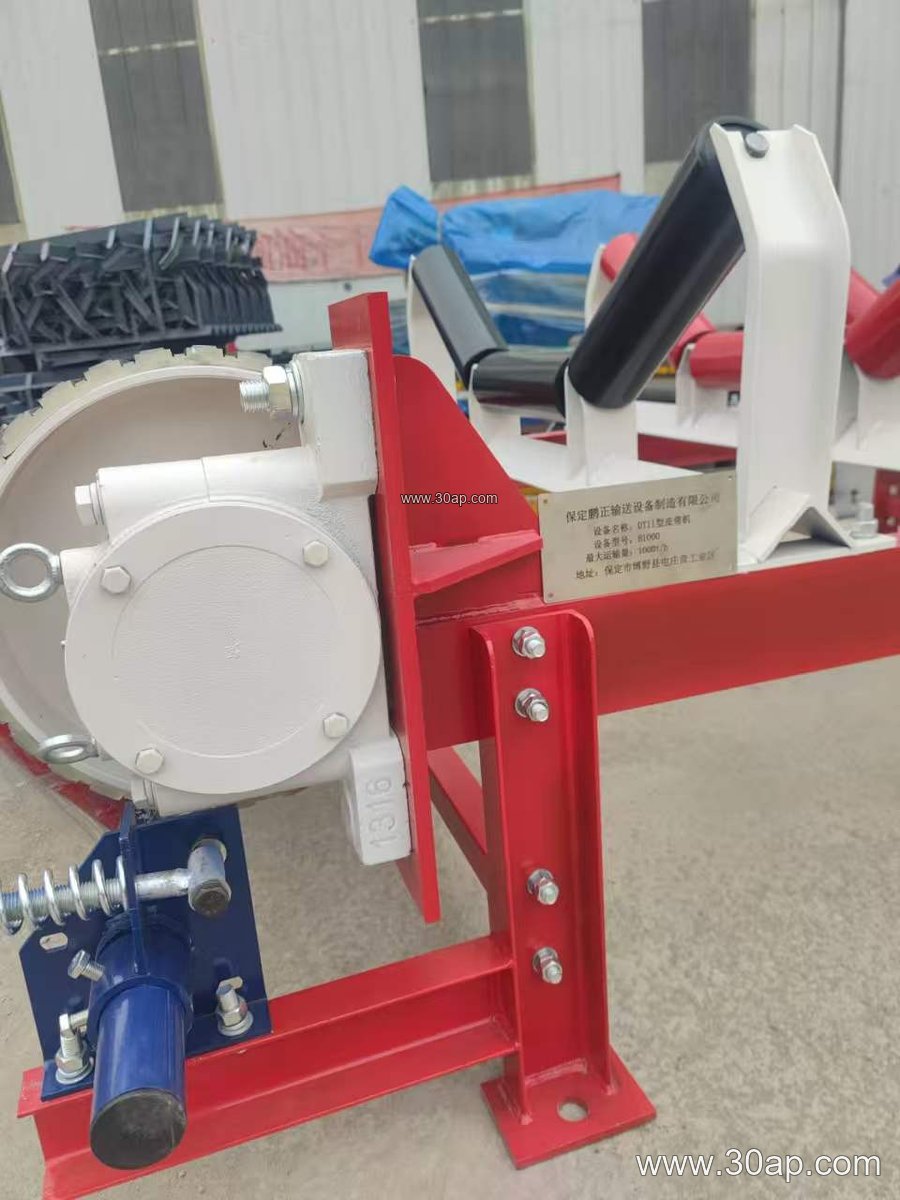
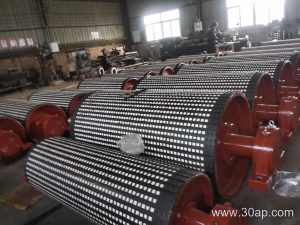
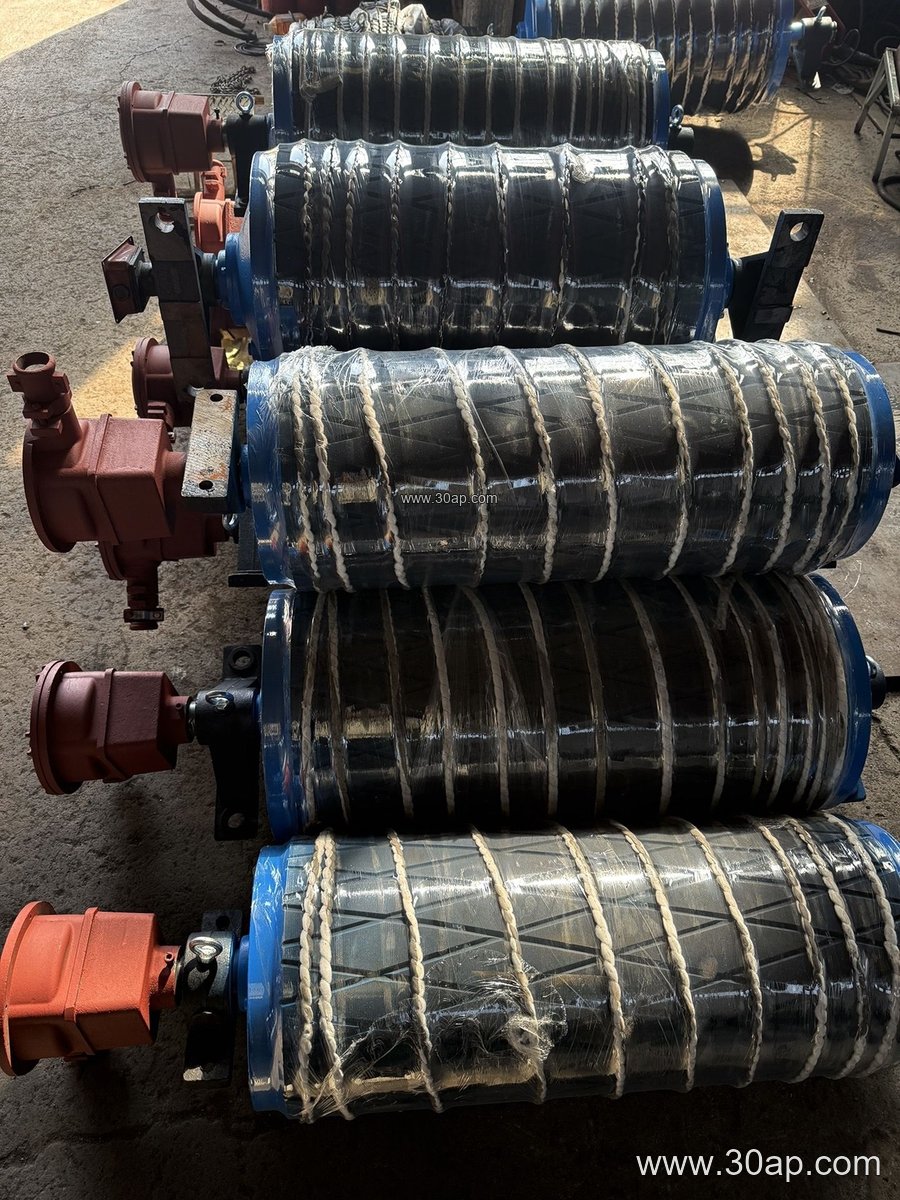
Common surface forms include plain finish, hot-vulcanized rubber, cold-bonded rubber, diamond lagging, herringbone lagging, and ceramic lagging. Lagging thickness is often 8, 10, 12, 15, or 20 mm depending on the duty. In dusty port conditions, lagging also protects the shell from abrasion and reduces belt slip when the surface is wet.
Reference dimensions for early planning
The values below are common reference ranges, not fixed matches. Final sizes follow torque, belt tension, and the conveyor design.
| Belt width | Typical pulley face width | Example diameter range |
|---|---|---|
| B800 | about 950 mm | Ø400 to Ø630 |
| B1000 | about 1150 mm | Ø500 to Ø800 |
| B1200 | about 1400 mm | Ø630 to Ø1000 |
| B1400 | about 1600 mm | Ø800 to Ø1250 |
| B1600 | about 1800 mm | Ø1000 to Ø1400 |
Shaft diameters commonly fall in the Ø80 to Ø200 range for terminal conveyors, but the actual size is calculated from load and torque. A B1200 × Ø1000 drive drum and a B800 × Ø500 bend drum can both appear in the same plant, serving different duties.
Where It Fits in a Port Terminal
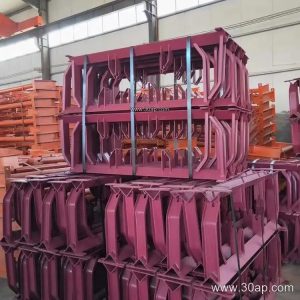
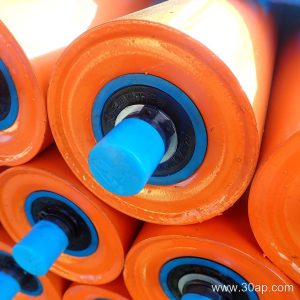
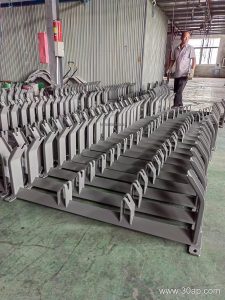
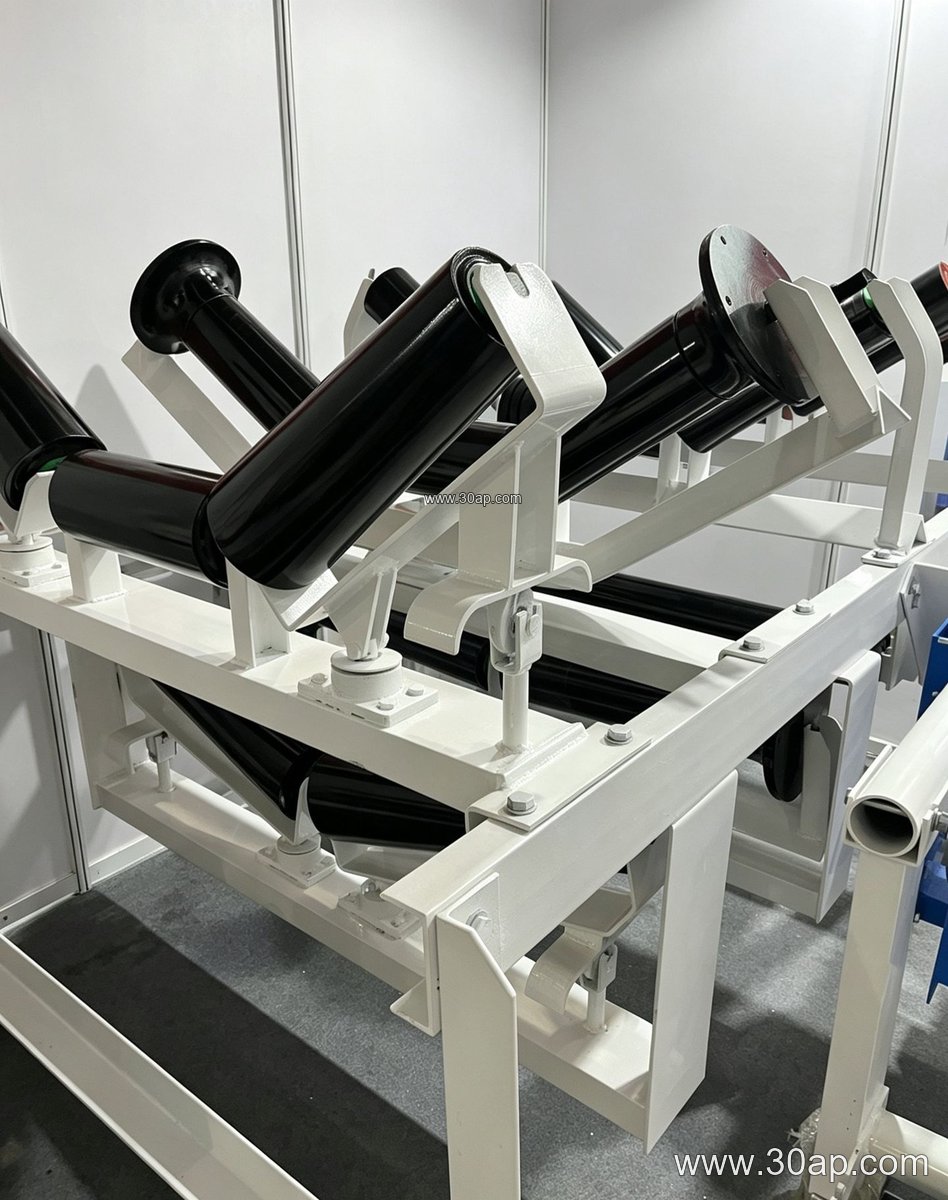
Ship unloaders and ship loaders rely on these drums at the head and tail of each boom conveyor. Yard conveyors linking stockpiles to the berth use them at transfer points, and the tensioning station uses a drum to keep the belt tracking correctly. In a coal or ore terminal, a drive pulley works with a conveyor pulley assembly that includes bearing blocks and a take-up frame, while idler roller sets support the belt along the run.
Because terminals often operate in humid, salty air, surface protection and sealed bearings matter as much as raw strength. A pulley that handles abrasive ore also needs lagging that resists wear, while a grain or fertilizer conveyor may call for a cleaner, non-marking surface.
Matching the Drum to the Belt
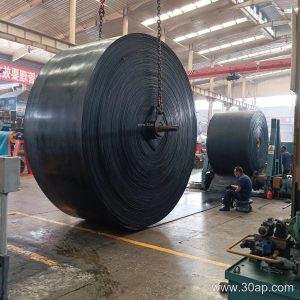
The belt and the drum work as a pair. A heavy Steel Cord Conveyor Belt needs a large enough drum diameter to limit bending stress in the cords, while a fabric belt such as an EP Conveyor Belt can often run on a smaller diameter for the same width. Terminal operators should confirm the belt construction, rated tension, and recommended minimum drum diameter before ordering.
Belt speed, wrap angle, and lagging friction determine whether the drive drum can transmit the required torque without slip. Where the conveyor handles wet coal or ore, diamond or ceramic lagging is often chosen to keep traction. For long overland or jetty runs, the number of pulleys and their arrangement affect both belt life and energy use.
What Buyers Should Check
- Duty position: drive, tail, bend, take-up, or snub, since these are not interchangeable.
- Belt width and belt type, including whether the belt is flame retardant or heat resistant.
- Required diameter, face width, and lagging pattern for the actual load case.
- Shaft size and bearing type based on calculated torque and radial load.
- Balance grade and runout, which matter at higher belt speeds.
- Corrosion protection for coastal or humid sites.
Port conveyors are unforgiving of mismatch. A drum that is too small for the belt can shorten belt life, and a drive drum with insufficient traction will slip under peak loading. Buyers should ask for a dimensional drawing, lagging specification, and bearing data rather than relying on a single catalog number. For terminals that also handle specialty cargo, the pulley specification should be checked against the belt’s own requirements, whether that is a Flame Retardant Conveyor Belt for coal or a heat-resistant belt for clinker service.
Regular inspection of lagging wear, bolt tightness, and bearing condition keeps a terminal conveyor reliable. Replacing lagging before the shell is exposed is usually cheaper than replacing the drum.