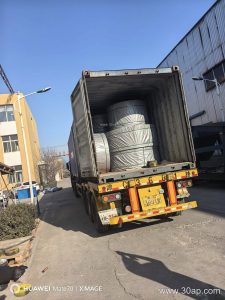
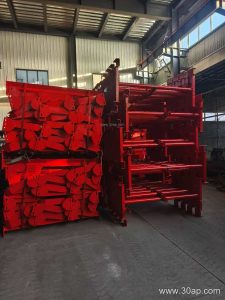
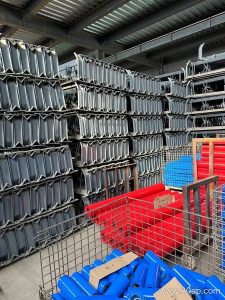
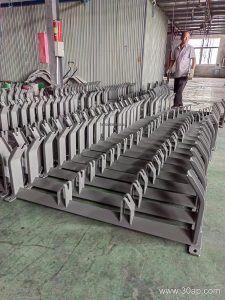
What a Feed Point Impact Idler Does
A feed point impact idler is a specialized conveyor idler roller installed directly beneath the loading zone where bulk material first lands on the conveyor belt. Unlike standard carrying idlers that support the belt along its length, this impact idler is built to absorb the repeated shock of falling rock, ore, aggregate, or coal. In a quarry, a limestone mine, or a crushing and screening line, the drop height at the transfer point can be significant, and the belt would otherwise take a beating. The feed point impact idler protects the belt, reduces wear on the idler frame, and helps maintain a stable belt path right where the load is most aggressive. You may also see it called an impact roller or buffer idler, but the function is the same: cushion the hit at the feed zone.
Construction and Key Components
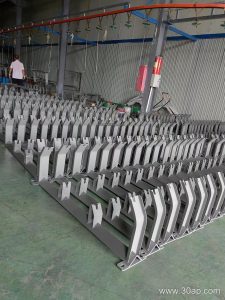
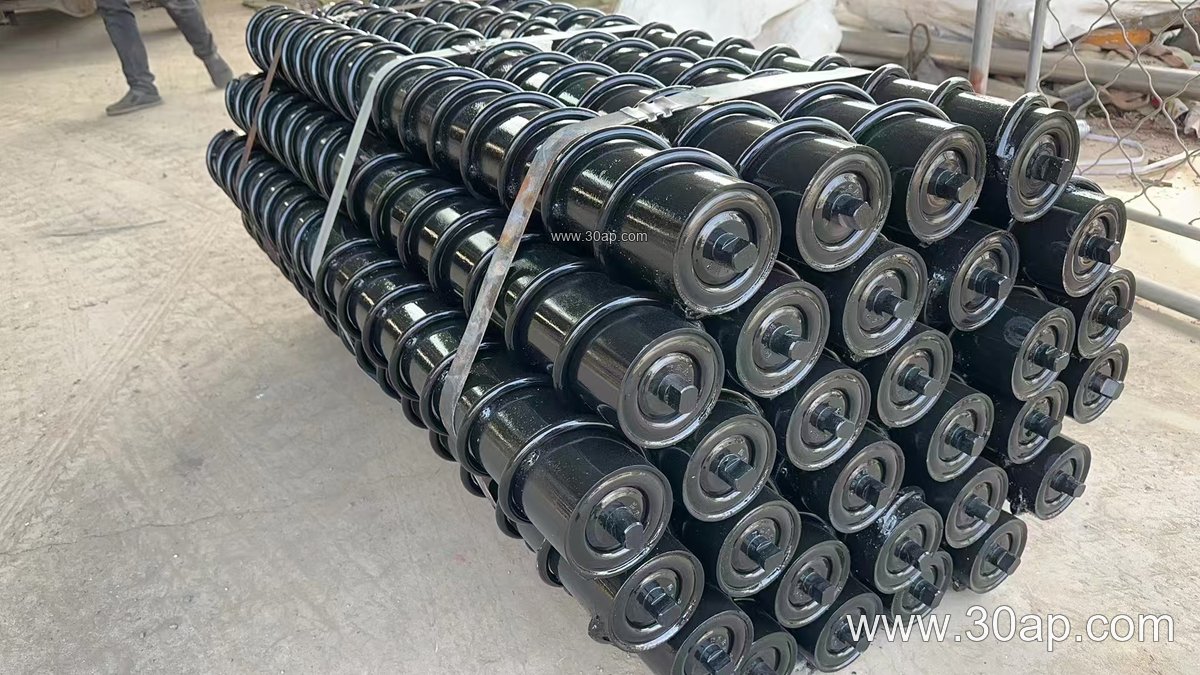
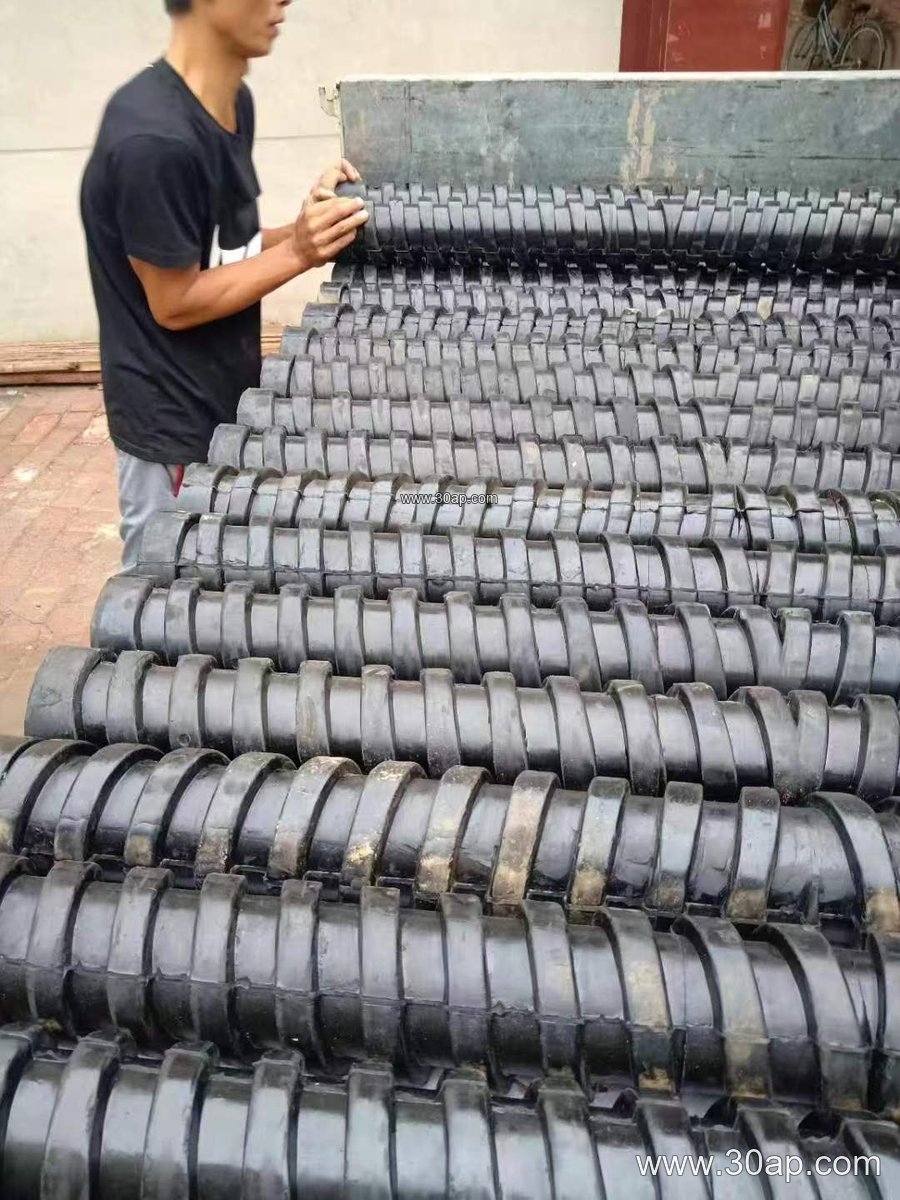
These idlers typically use a steel tube body fitted with rubber rings or a rubber disc surface. The rubber rings are the sacrificial element that contacts the belt and absorbs impact energy. The roller shaft runs through the tube on sealed bearings, usually protected by a labyrinth seal or multi-stage dust seal to keep out fines and moisture. Common bearing sizes for impact idlers include 6205, 6305, 6306, and 6308, though the exact bearing is matched to the roller diameter and load rating. Roller diameters for this duty often fall in the range of Ø89, Ø108, Ø127, Ø133, Ø159, and Ø178 mm, with larger diameters used where the lump size and drop height are greater. The idler frame is often a heavy-duty bracket or a reinforced cross beam that can handle the vibration without loosening. A conveyor bracket at the feed point should be checked for rigidity, because a flexible frame will amplify the shock rather than dampen it.
Where It Fits on the Conveyor
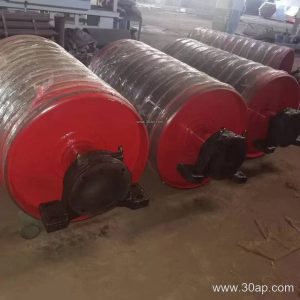
The feed point impact idler is usually arranged as a three-roll troughing set or as a single heavy-duty roll directly under the chute. The trough angle may be 20, 30, 35, or 45 degrees, depending on the belt width and the material’s angle of repose. For a B800 or B1000 conveyor belt, the impact idler set might use roll lengths around 315 mm or 380 mm, but these are common examples, not fixed rules. In a coal mining conveyor or a power plant coal handling system, the impact zone often sees a mix of fine coal and larger lumps, so the rubber ring surface helps prevent belt puncture and reduces noise. In an iron ore or copper ore transfer, the impact idler may need a thicker rubber ring and a larger shaft to cope with the higher bulk density. The feed point impact idler is not a substitute for a bend pulley or a tail pulley; those are different components with different jobs. It works alongside the conveyor pulley and the belt to keep the loading area stable.
Selection Points for Buyers
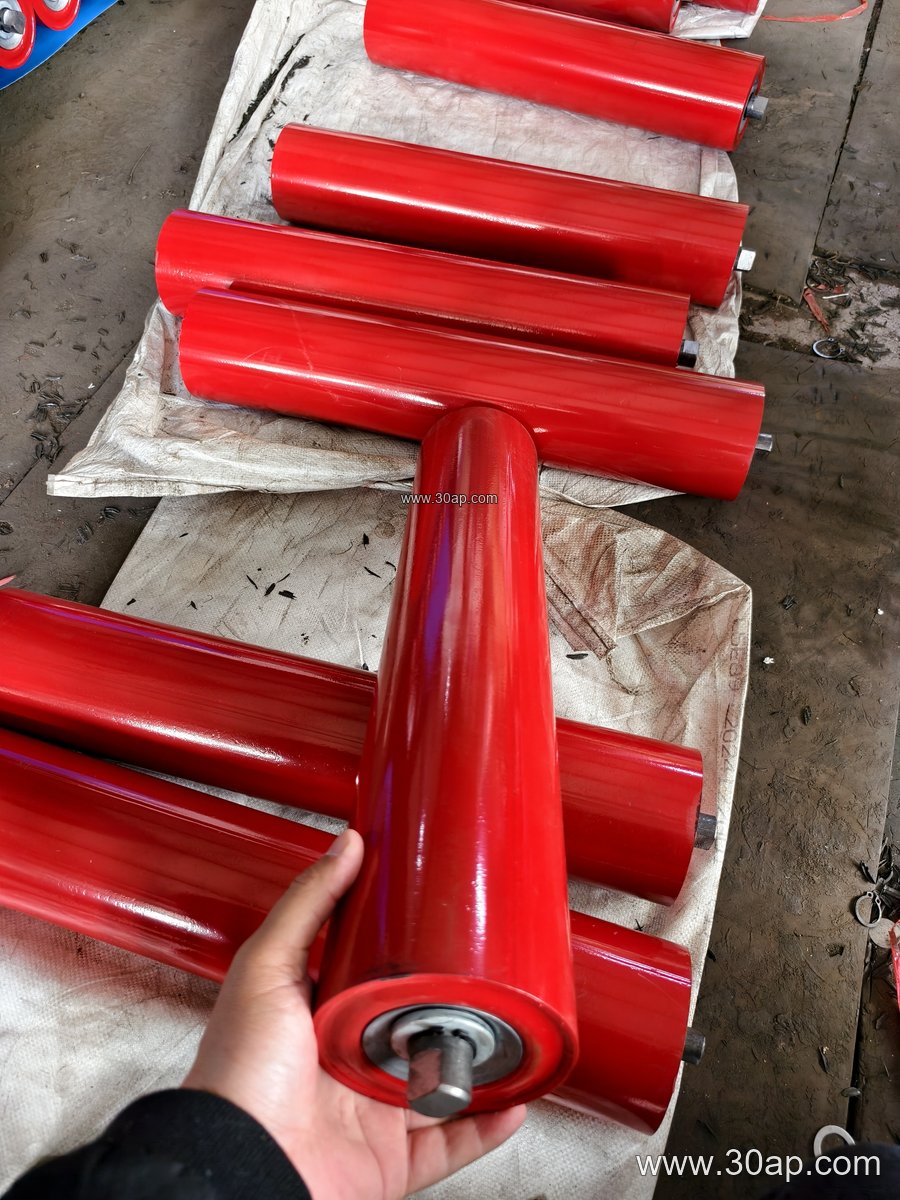
When specifying a feed point impact idler, start with the belt width and the maximum lump size. The roll length and the number of rolls per set should match the trough configuration. A three-roll set with a 35-degree trough is common for aggregate and cement plant conveyors, while a 45-degree trough may be used where the belt needs a deeper material profile. The rubber ring hardness and thickness matter: softer rubber absorbs more impact but wears faster, while harder rubber lasts longer but transmits more shock to the bearing. Bearing selection should follow the load and speed, not just the roller diameter. For a heavy-duty mining conveyor belt with a high drop height, a larger roller diameter such as Ø159 or Ø178 mm gives more space for the bearing and a larger rubber contact area. In a port or ship loading conveyor, the impact idler may be combined with a skirted conveyor belt or a corrugated sidewall conveyor belt to contain the material, but the idler itself remains the impact-absorbing element. Buyers should also confirm the shaft diameter and the bracket hole spacing with the conveyor frame drawing. Do not assume a shaft size from belt width alone; the shaft is sized by the load and the bearing housing.
Maintenance and Application Notes
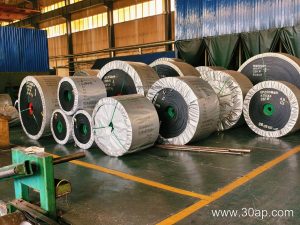
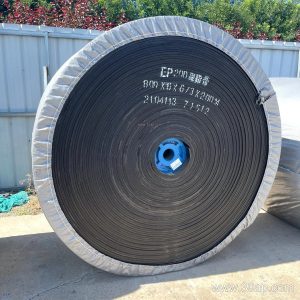
Inspect the rubber rings for cracking, chunking, or flattening. A worn ring reduces the cushioning effect and can allow the belt to contact the steel tube. Check the bearing seals for dust ingress, especially in a cement plant or a sand making plant where fines are airborne. The idler should rotate freely; a seized bearing will cause belt friction and may damage the conveyor belt. In a coal mining conveyor or an underground mining conveyor, flame retardant and anti-static properties of the rubber ring may be relevant, but these are separate from the idler’s mechanical role. The feed point impact idler is often used together with an abrasion resistant conveyor belt or a heat resistant conveyor belt where the material is hot or sharp. For a quarry conveyor belt or a crusher conveyor belt, the impact zone is the first place to check when belt damage appears. Replacing the rubber rings or the complete idler at the feed point is usually faster than repairing the belt, which is why this component earns its place in the loading area.
Common Configurations at a Glance
The table below gives typical reference values, not a fixed specification. Actual sizes are determined by the conveyor design.
- Roller diameter: Ø89, Ø108, Ø127, Ø133, Ø159, Ø178 mm
- Belt width examples: B500, B650, B800, B1000, B1200, B1400, B1600
- Trough angle: 20, 30, 35, 45 degrees
- Roll surface: rubber ring, steel tube with rubber discs
- Bearing examples: 6205, 6305, 6306, 6308
- Roll length example for three-roll set: about 200 mm at B500, 250 mm at B650, 315 mm at B800, 380 mm at B1000, 465 mm at B1200
These values are common references. Side rolls and center rolls can differ, and the final selection should follow the conveyor frame, belt speed, and material lump size. For more information on matching idlers with conveyor belts and pulleys, review the full conveyor component range before ordering.