What a 1600mm Diameter Conveyor Pulley Is
A 1600mm diameter conveyor pulley is a large rotating drum that drives, tensions, or redirects a conveyor belt in high-capacity bulk handling systems. At this size, it is typically a drive pulley or head pulley, though it can also serve as a tail or bend pulley in special layouts. The drum face width usually exceeds the belt width—for a 1600mm belt, the pulley face might be around 1800mm—so the belt is fully supported across its load-bearing area. In quarry and aggregate operations, this size is often paired with a heavy-duty mining conveyor belt to handle abrasive rock and ore.
Unlike smaller pulleys that rely on standard shafting, a 1600mm diameter unit is engineered around the torque and radial loads of a large conveyor. The shell, hub, shaft, and lagging are selected as a system, not as individual parts.
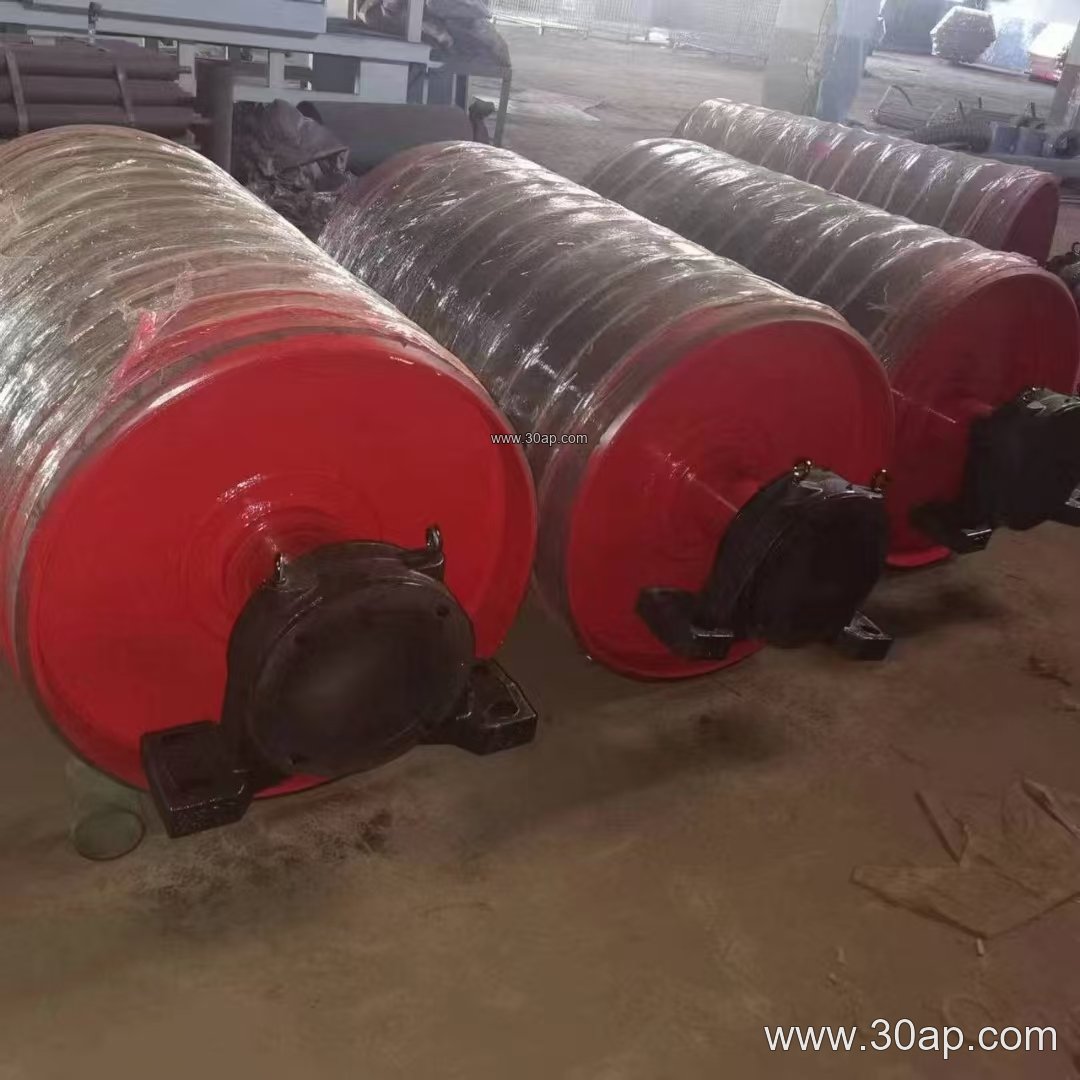
Construction and Key Components
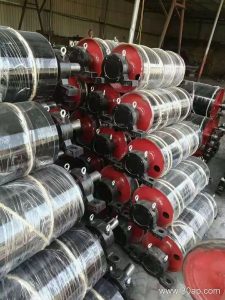
The pulley body starts with a rolled steel shell, typically machined to a slight crown or kept flat depending on belt tracking requirements. End discs or hubs are welded to the shell and bored to accept the shaft. The shaft diameter is determined by torque and bending load—common ranges for large pulleys include Ø160, Ø180, and Ø200mm, but the final value comes from the conveyor design, not from belt width alone.
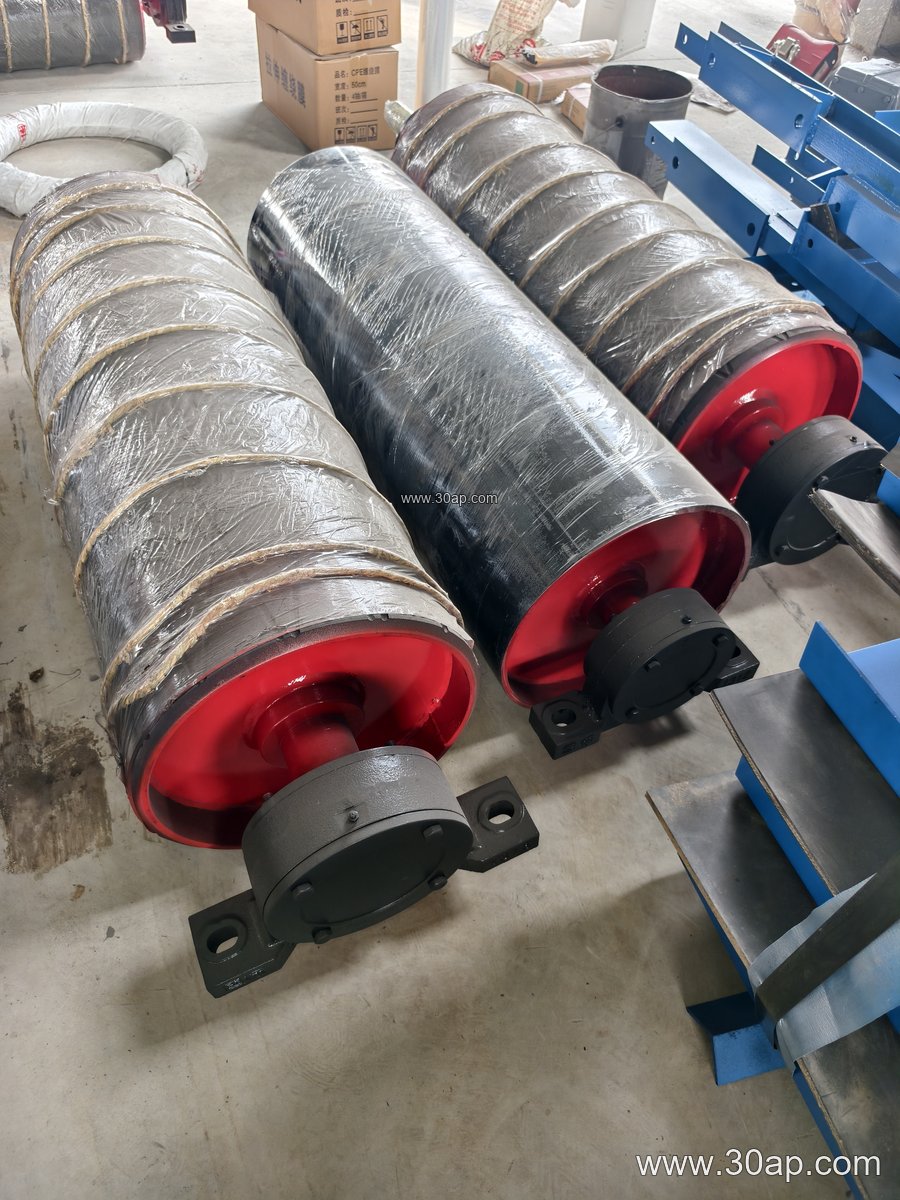
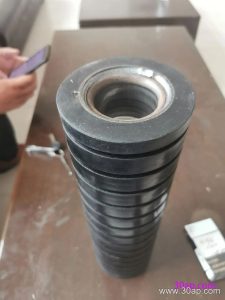
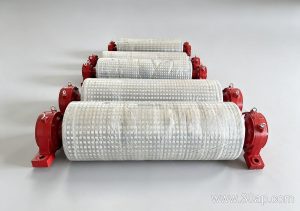
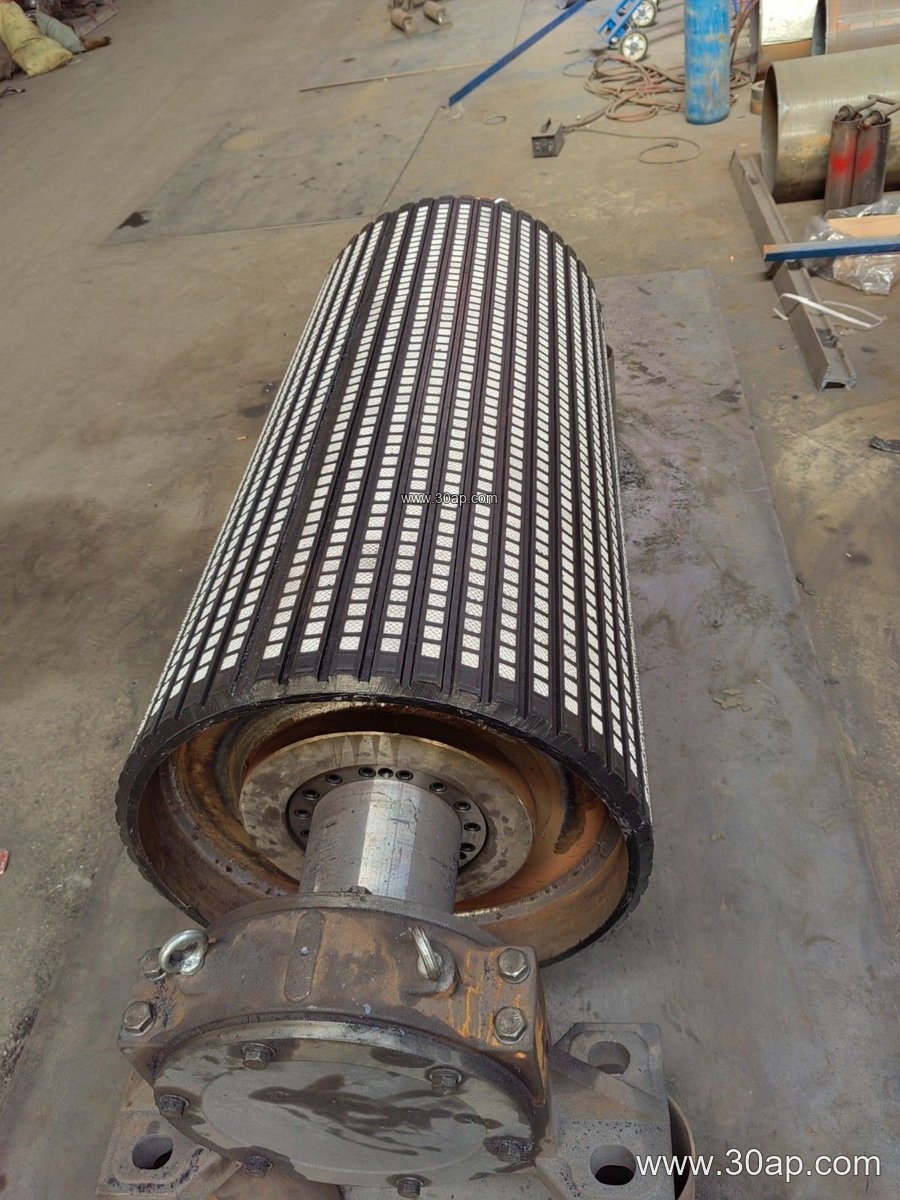
Lagging is a major choice for a 1600mm diameter conveyor pulley. Plain steel is rare in wet or dusty service; most buyers specify rubber lagging in 10, 12, 15, or 20mm thickness. Diamond grooved lagging improves traction and water shedding, while ceramic lagging suits high-abrasion conditions. The lagging type should match the belt surface and the material being conveyed.
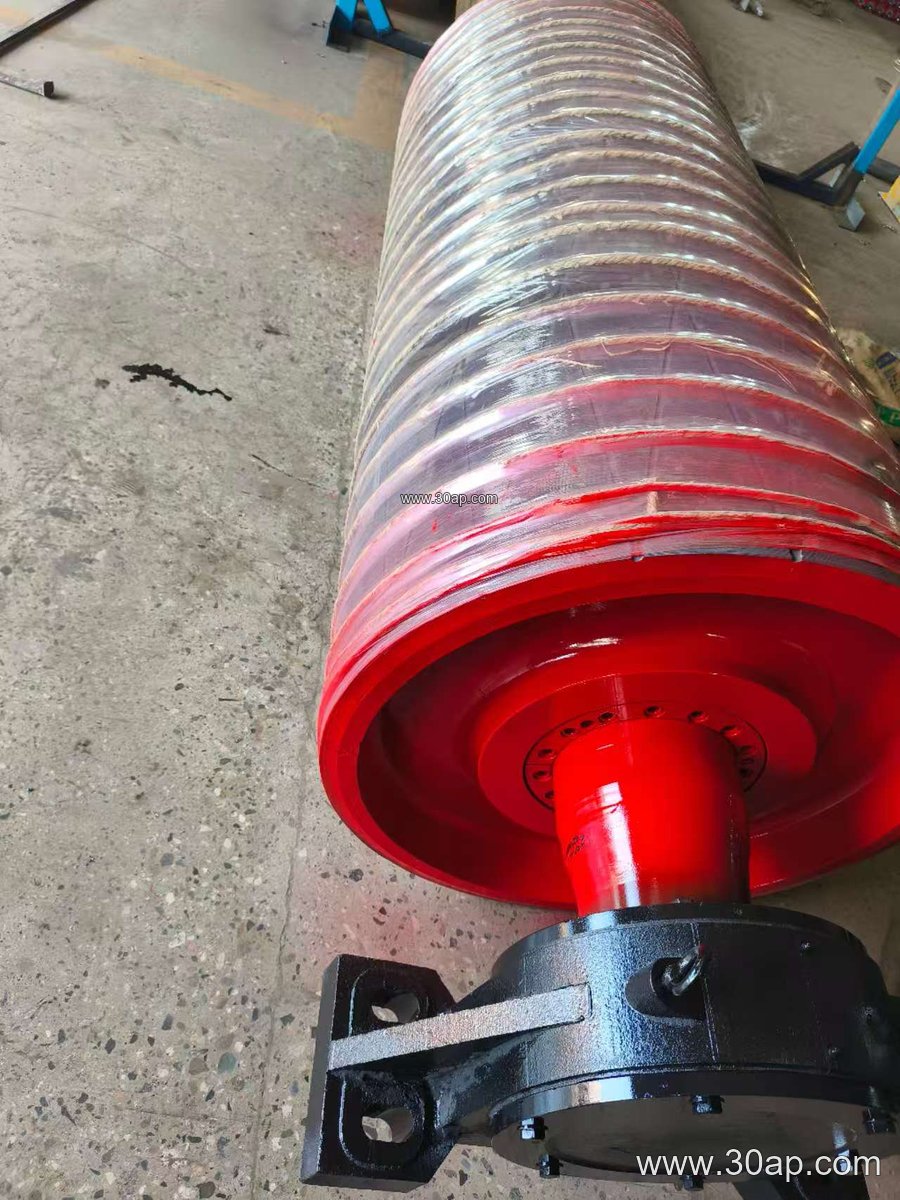
Common Surface Options
- Plain finish for clean, low-tension applications
- Hot vulcanized rubber lagging for reliable grip
- Diamond groove pattern for wet or muddy environments
- Ceramic tiles for abrasive bulk materials
Where It Fits in a Conveyor System
A 1600mm diameter pulley is most at home in high-tonnage circuits: primary crushing discharge, overland conveyors, and ship loading lines. In a limestone quarry, it may be the head pulley receiving material from a crusher; in a coal handling plant, it can act as a drive pulley on a main haulage belt. The same diameter can appear as a bend pulley where the belt needs a gradual direction change without imposing excessive stress on the carcass.
Drive, tail, and bend pulleys are not interchangeable. A drive pulley transfers torque through lagging and belt wrap; a tail pulley guides the return belt and often includes a take-up function; a bend pulley simply changes direction. Specifying a 1600mm diameter unit for one role does not mean the same assembly suits another. For example, a tail pulley may use a lighter shell and different bearing arrangement than a drive pulley of the same diameter.
Matching the Pulley to the Belt and Load
Belt width and pulley diameter are related by conveyor design, not by a fixed rule. A 1600mm diameter pulley can work with belt widths such as 1400mm, 1600mm, or 1800mm, depending on the required wrap angle and belt tension. The table below shows typical combinations; these are reference examples, not universal matches.
| Belt Width (mm) | Typical Pulley Face (mm) | Example Diameter (mm) |
|---|---|---|
| 1200 | 1400 | 1000 |
| 1400 | 1600 | 1250 |
| 1600 | 1800 | 1600 |
| 1800 | 2000 | 1600 |
Buyers should also consider the belt type. A steel cord conveyor belt may require a larger pulley diameter to limit bending stress, while an EP fabric core belt can sometimes run on a smaller drum. The conveyor pulley manufacturer will ask for belt tension, speed, and lagging preference before finalizing the shaft and bearing size.
Buyer Checklist for a 1600mm Diameter Pulley
- Confirm the pulley role: drive, tail, bend, or take-up
- Provide belt width, belt type, and maximum operating tension
- Specify lagging material and thickness, e.g., 15mm diamond rubber
- State the shaft diameter required by the coupling or bearing housing
- Check that the pulley face width exceeds belt width by a suitable margin
- Ask for dynamic balancing data for high-speed applications
In cement plants and power stations, a 1600mm diameter conveyor pulley often runs continuously under dusty conditions, so bearing protection and lagging wear matter as much as initial cost. For abrasive iron ore or copper ore, a ceramic lagged drum may outlast plain rubber. The right specification balances belt life, pulley life, and the cost of downtime.