What a Conveyor Bracket Assembly Does on the Line
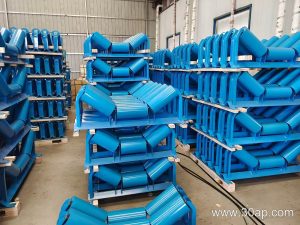
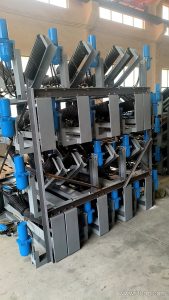
A conveyor bracket assembly is the structural interface that holds idler rollers in the correct position under the conveyor belt. In a troughed conveyor, the bracket fixes the trough angle, sets the spacing between rollers, and transfers the load from the belt and material down into the conveyor frame. When a maintenance team in a limestone quarry or a coal handling plant talks about the idler frame or roller support bracket, they are usually referring to the same item: the fabricated steel unit that carries the idlers.
The assembly is not a single pressed part. It is a small welded or bolted structure, and its accuracy directly affects belt tracking, belt life, and how evenly the conveyor belt sits on the rollers.
How the Assembly Is Built
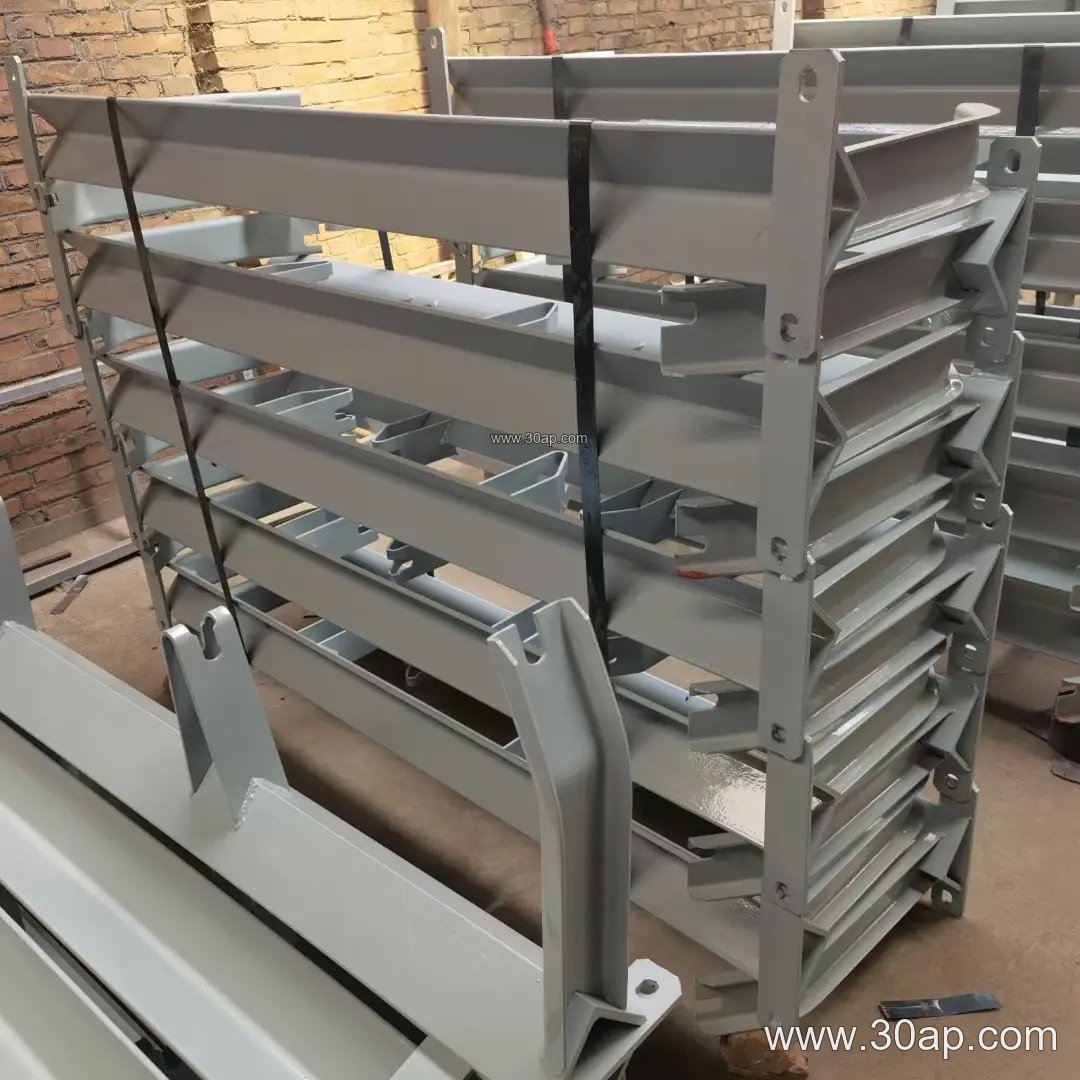
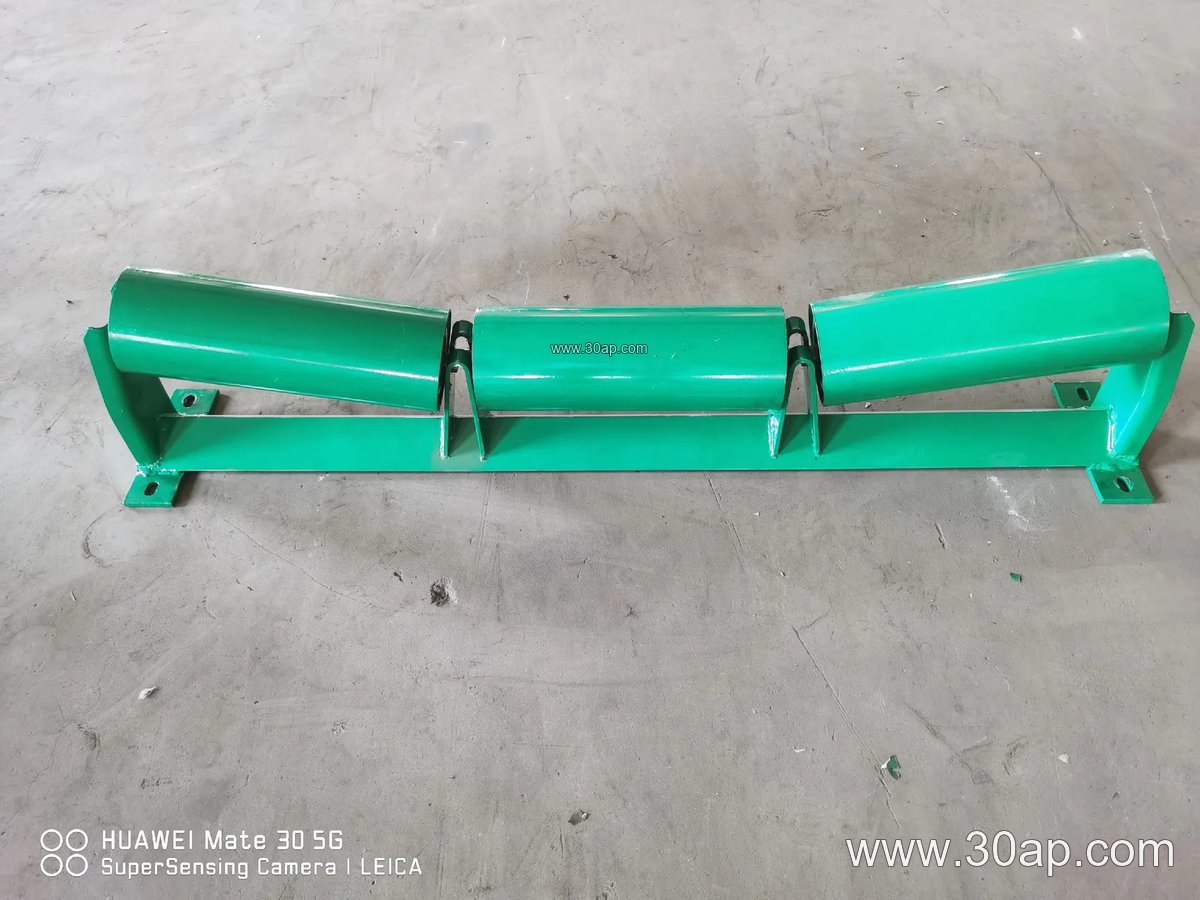
Most assemblies are fabricated from angle steel, channel steel, or folded steel plate. A typical troughed bracket has a cross beam, two inclined arms set to the required trough angle, and mounting slots or holes for the idler shafts. Return-side brackets are flatter, and V-shaped return brackets use two short arms to form a shallow V that helps centralize the belt.
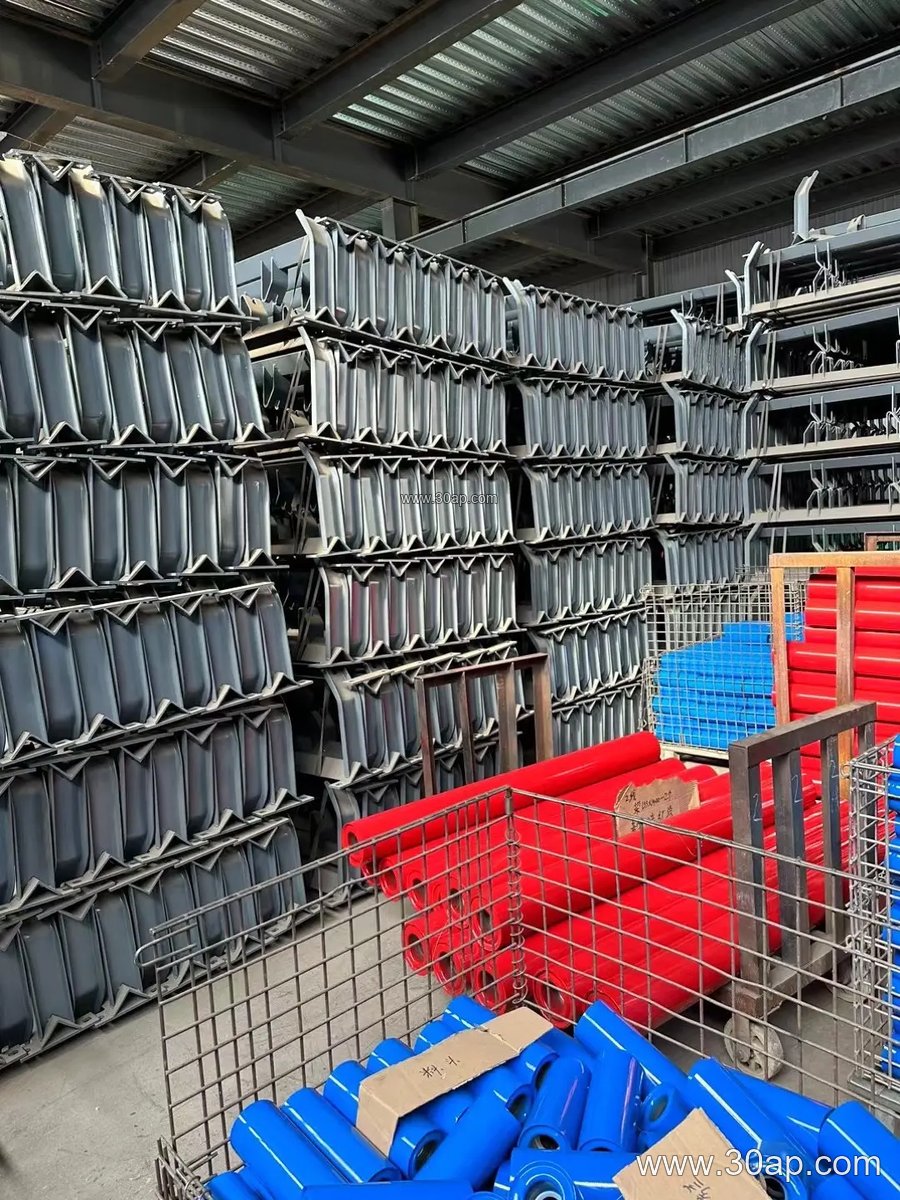
Fabrication details matter more than they appear. The arms must be square to the beam so the rollers sit parallel, and the mounting holes must be drilled or punched consistently so that replacement idlers drop in without forcing. Welds should be clean and free of spatter on surfaces that contact the belt or roller end caps.
Common Materials and Forms
- Angle steel frames for light and medium duty
- Channel steel beams for wider belts and heavier loads
- Folded steel plate for compact, stiff bracket bodies
Where These Assemblies Are Used
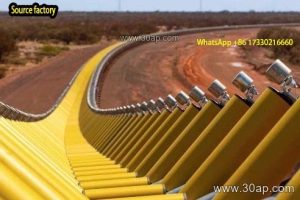
You will find conveyor bracket assemblies wherever a belt conveyor carries bulk material. In a cement plant they support the clinker and raw meal belts; in a power station coal yard they carry the coal feed lines; in a sand and gravel plant they sit under the primary and secondary transfer belts. Crushing and screening circuits, fertilizer plants, and grain silos use the same basic bracket, though the duty and the environment change the specification.
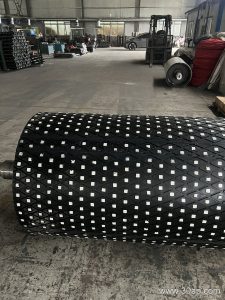
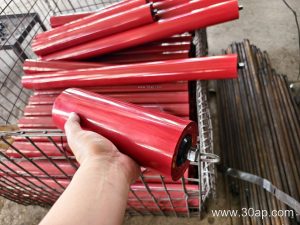
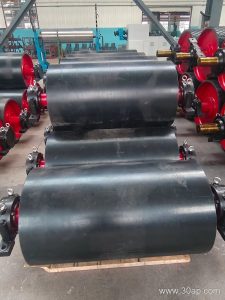
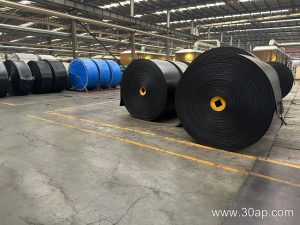
The bracket works together with the conveyor pulley at the head and tail, the conveyor belt itself, and the idler roller set. A misaligned bracket shows up quickly as edge wear on the belt or as a roller that runs hot.
Types and Typical Reference Sizes
Bracket type follows the roller arrangement it supports. Trough brackets, transition brackets, return brackets, impact brackets, and self-aligning brackets are common categories. Adjustable brackets allow the trough angle to be changed on site, which is useful during commissioning or when a belt is replaced with a different material profile.
The table below gives common reference values only. Actual mounting hole spacing and beam length are determined by belt width, trough angle, and the roller diameter selected by the conveyor designer.
| Bracket Type | Common Belt Width | Trough Angle | Typical Roller Diameter |
|---|---|---|---|
| Trough bracket | B500 to B1000 | 20, 30, 35 degrees | Ø89, Ø108, Ø133 |
| Trough bracket, heavy duty | B1200 to B1600 | 35, 45 degrees | Ø133, Ø159, Ø194 |
| Transition bracket | B800 to B1400 | 20 to 45 degrees | Ø108, Ø133, Ø159 |
| Return bracket, flat | B650 to B1400 | Flat | Ø89, Ø108, Ø133 |
| V-return bracket | B800 to B1600 | Shallow V | Ø108, Ø133, Ø159 |
| Adjustable bracket | B500 to B1200 | 20 to 45 degrees, adjustable | Ø89, Ø108, Ø133 |
Forward-leaning brackets are sometimes used with a tilt of about 1.5 to 2 degrees to help the belt center itself. This is a design choice, not a universal requirement.
Buyer Checklist
Before ordering, confirm the belt width, the intended trough angle, and the roller diameter the bracket must accept. Ask for the mounting hole pattern and the overall beam length rather than assuming they are standard. Check whether the bracket is fixed or adjustable, and whether the site needs a return or impact version. For dusty or wet locations such as a wash plant or a port terminal, specify a finish that suits the environment. Finally, confirm that the bracket will bolt to the existing conveyor frame without modification, since frame hole spacing varies between manufacturers.
A well-matched conveyor bracket assembly is a low-cost part that protects expensive components, so it deserves the same attention as the rollers and the belt.