What an EP200 Conveyor Belt Is
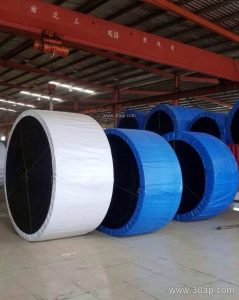
An EP200 Conveyor Belt is a fabric core rubber belt built on polyester-polyamide (EP) plies. The “200” refers to the nominal tensile strength of the carcass, commonly expressed in N/mm of belt width. In practice, this grade sits in the middle of the EP family: stronger than EP100 and EP160, but lighter and more flexible than EP315 or EP400. Buyers often describe it simply as an EP rubber conveyor belt, and in many plants it is the default choice for medium-duty bulk handling where a steel cord belt would be overkill.
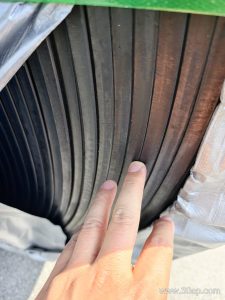
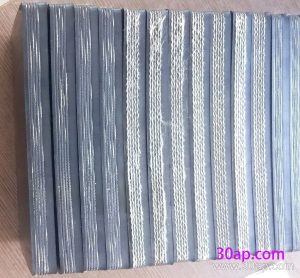
The carcass is the working part. Multiple EP fabric plies are bonded with rubber skim, then covered on both faces with abrasion-resistant rubber. EP fabric offers low elongation and good resistance to moisture, which makes the belt stable on long centres and less prone to stretch than all-nylon constructions.
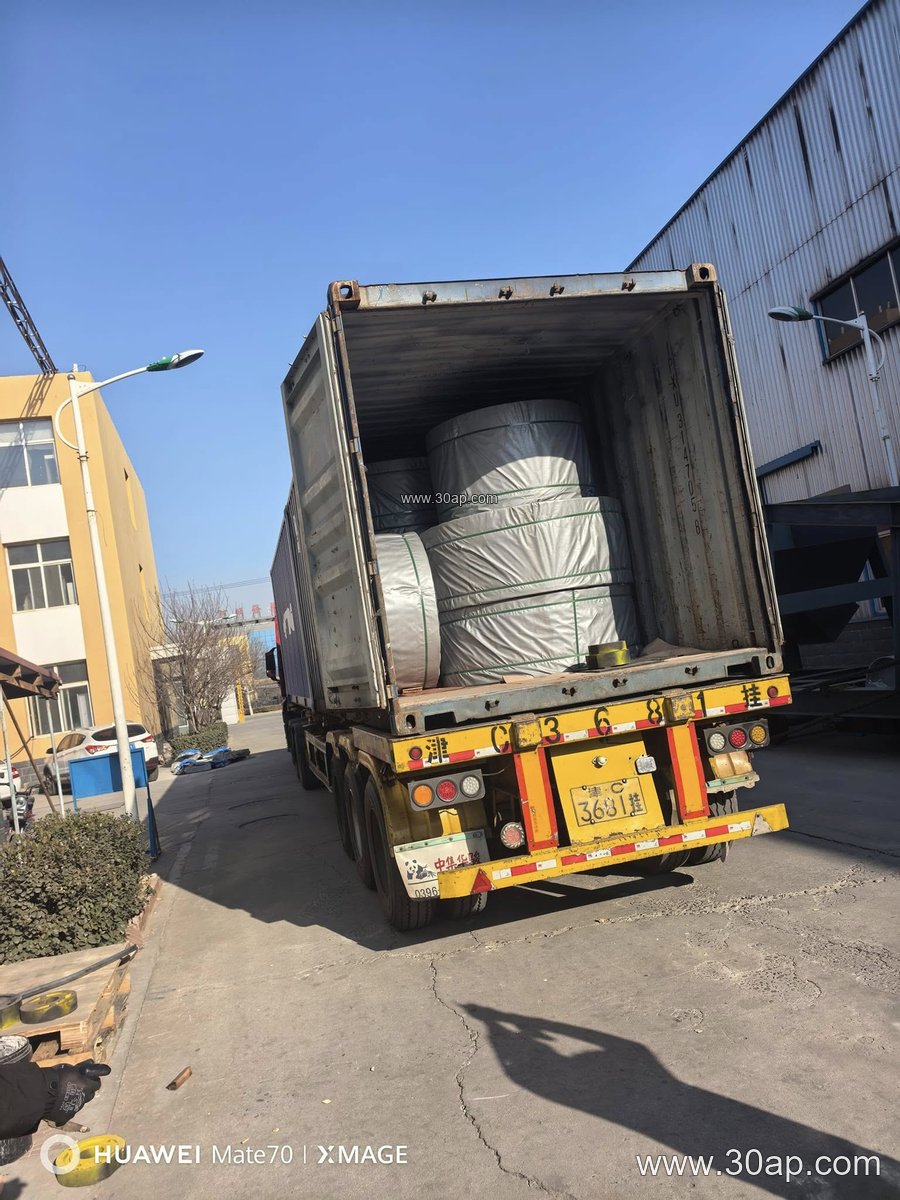
Construction and Common Specifications
A typical EP200 belt uses 2 to 6 plies depending on the load and the pulley diameters. Cover rubber is usually specified as top/bottom thickness in millimetres. The values below are common references, not a fixed catalogue, since each manufacturer builds to its own design.
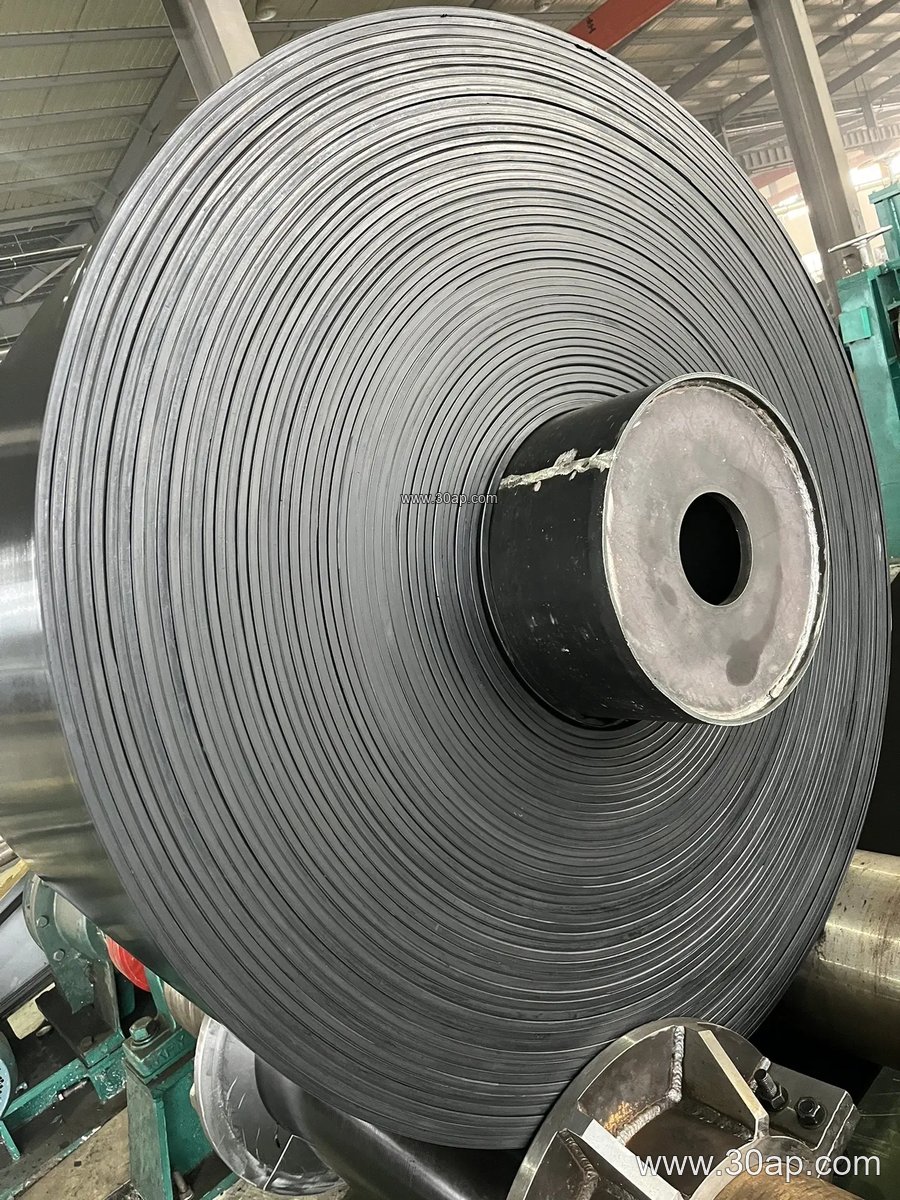
- Strength grade: EP200 (also written as 200 N/mm)
- Ply count: commonly 3 to 5 for this grade
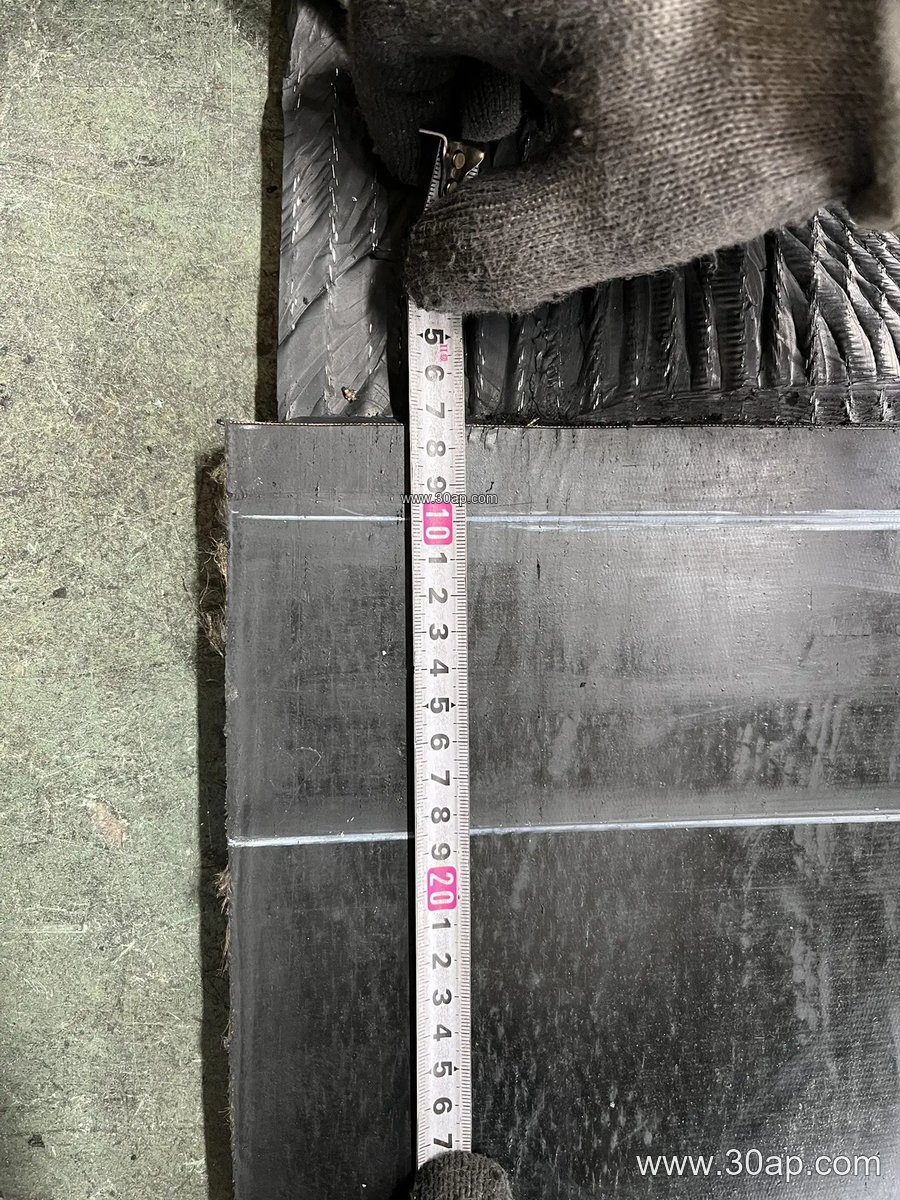
- Cover thickness: 3+1.5, 4+2, 5+2, 6+2, or 8+3 mm
- Belt width: B500, B650, B800, B1000, B1200, B1400, B1600, B1800, B2000
Width and strength are chosen together. A 1000mm or 1200mm EP200 belt is common on plant conveyors, while a 650mm or 800mm version suits smaller transfer lines. A wider 1400mm or 1600mm belt may be needed for high tonnage, but the final choice depends on the conveyor design, not on a rule that ties one width to one pulley diameter.
Where It Fits in the Plant
The EP200 grade appears across mining, coal preparation, cement, power generation, steel plants, quarries, sand and aggregate yards, and port loading systems. It handles crushed rock, ore, clinker, limestone, coal, and similar bulk materials. In a quarry or crusher circuit, an abrasion resistant conveyor belt grade is often specified because sharp stone wears the cover quickly. In a cement plant, heat resistant conveyor belt variants may be needed near kiln discharge, while a flame retardant conveyor belt is typical for coal handling and underground mining conveyor belt installations.
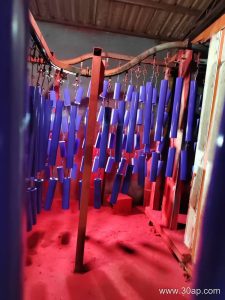
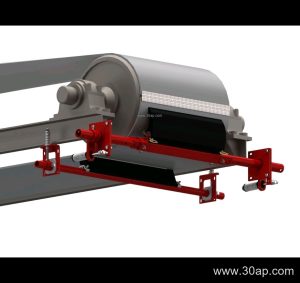
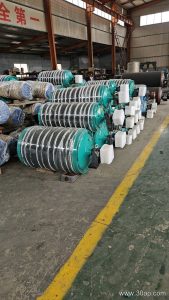
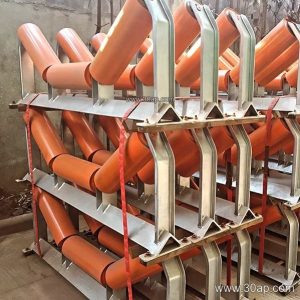
On the conveyor itself, the belt runs over idler rollers, wraps the head and tail conveyor pulleys, and is held in line by conveyor brackets and frames. Drive, tail, and bend pulleys each do a different job and are not interchangeable; belt tension and wrap angle determine their size. The belt also works with skirt rubber, scrapers, and loading chutes, so edge condition and cover quality matter as much as tensile rating.
Selecting the Right Variant
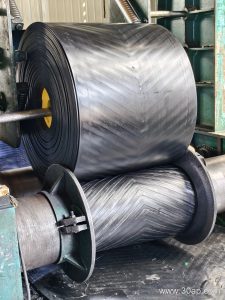
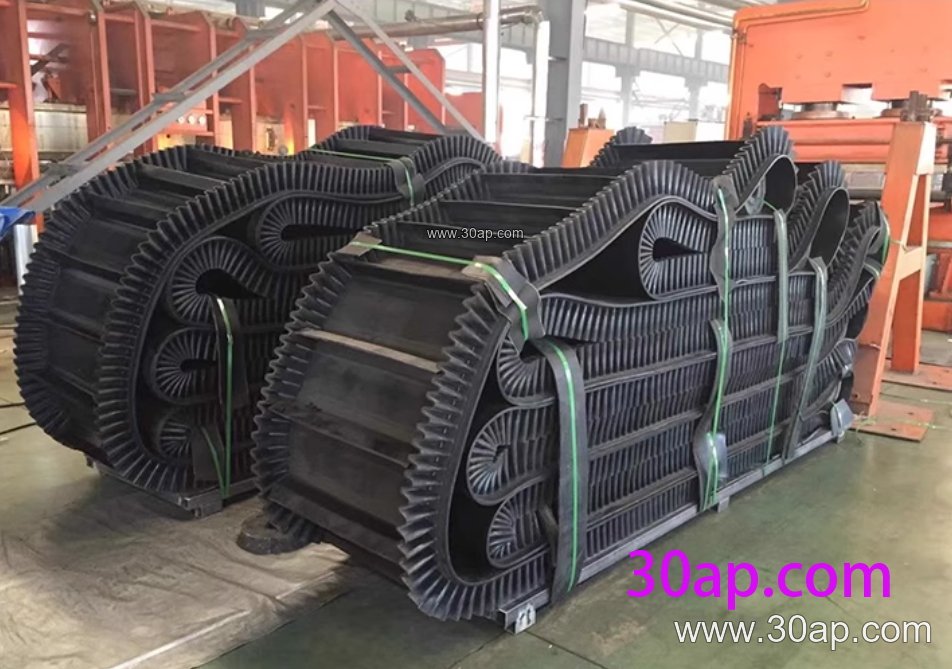
Before ordering, confirm the material, lump size, tonnage, trough angle, and ambient conditions. For hot materials, choose a heat resistant conveyor belt compound. For oily scrap or grain, an oil resistant conveyor belt is more suitable. Cold climates call for a cold resistant conveyor belt, and dusty or explosive atmospheres may require an anti-static conveyor belt. Where the route climbs steeply, a chevron conveyor belt or corrugated sidewall conveyor belt can prevent rollback, but these are different constructions and should not be treated as direct replacements for a flat EP200 belt.
Compared with an NN conveyor belt, the EP200 offers lower stretch and better dimensional stability. A steel cord conveyor belt, such as ST1000 or ST1600, is used for very high tension and long overland routes, but it is a different product class. For most in-plant conveyors, a multi-ply fabric core conveyor belt in EP200 is a practical balance of strength, weight, and cost.
Buyer Checklist
- State the required belt width and ply count clearly.
- Confirm cover thickness and rubber grade for the actual duty.
- Check splice method, since fabric belts are usually vulcanised or mechanically fastened.
- Ask for the elongation and safety factor data used in the design.
- Match belt to pulley diameters and idler spacing through the conveyor designer.
- Plan storage away from sunlight, oil, and sharp edges.
For more information on EP conveyor belt options, idler roller choices, and conveyor pulley matching, contact the supplier with your duty data. A correct EP200 specification starts with the conveyor, not with a single number on a data sheet.