What an Ore Conveyor Belt Does
An Ore Conveyor Belt is the load-carrying component of a continuous bulk handling system built to move crushed rock, iron ore, copper ore, coal, and similar abrasive materials. In a mine, quarry, cement plant, or power station, this belt runs over idler rollers and wraps around drive, tail, and bend pulleys to form an endless loop. The belt itself does not drive the system; it is the flexible surface that carries the ore while the pulleys and rollers support and guide it.
The term describes the application as much as the product. A heavy-duty mining conveyor belt used on an ore stockyard and an EP conveyor belt on a short transfer point can share the same basic construction, but the demands differ. Understanding those demands is the first step in choosing the right belt.
Construction of an Ore Conveyor Belt
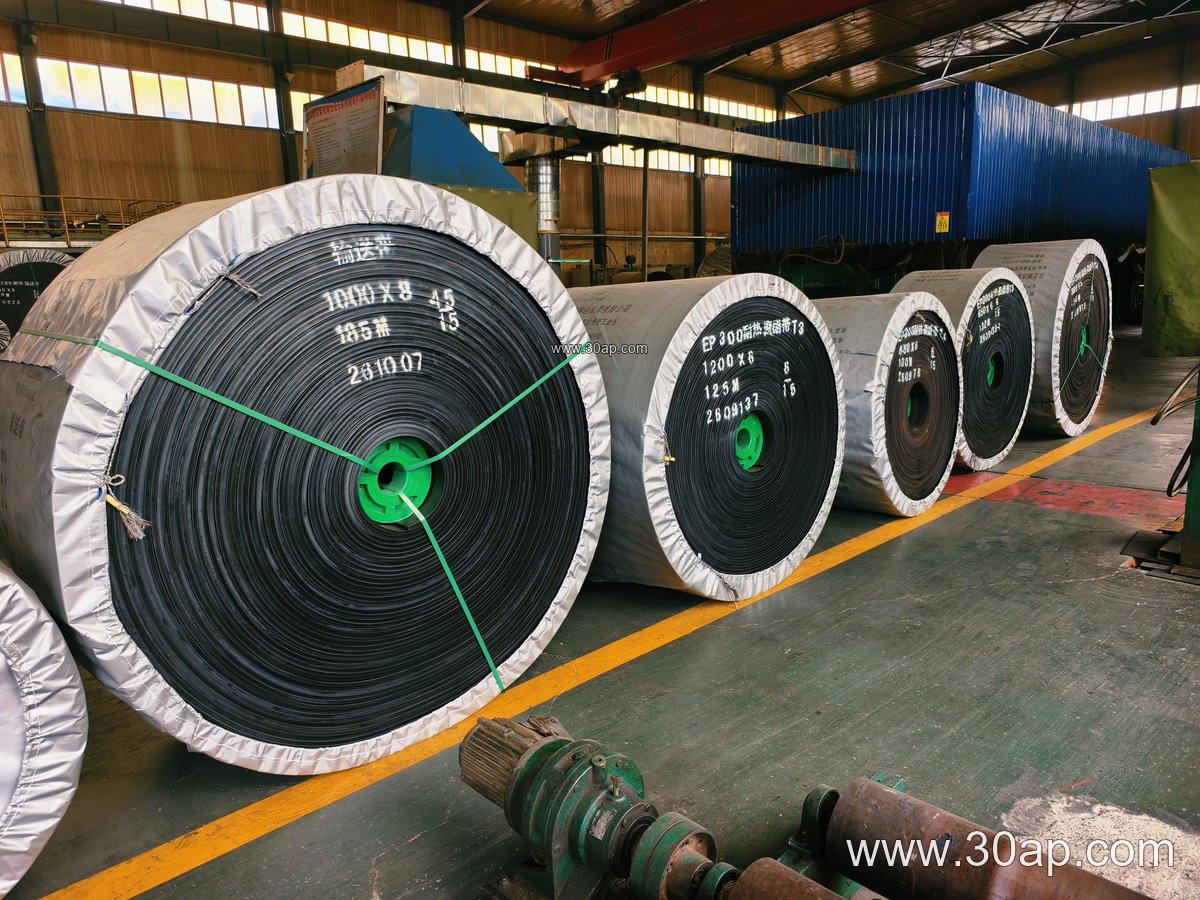
Most ore belts use a fabric core or a steel cord core. The core provides tensile strength and resistance to impact, while the rubber covers protect the carcass from abrasion, moisture, and heat. A typical build includes:
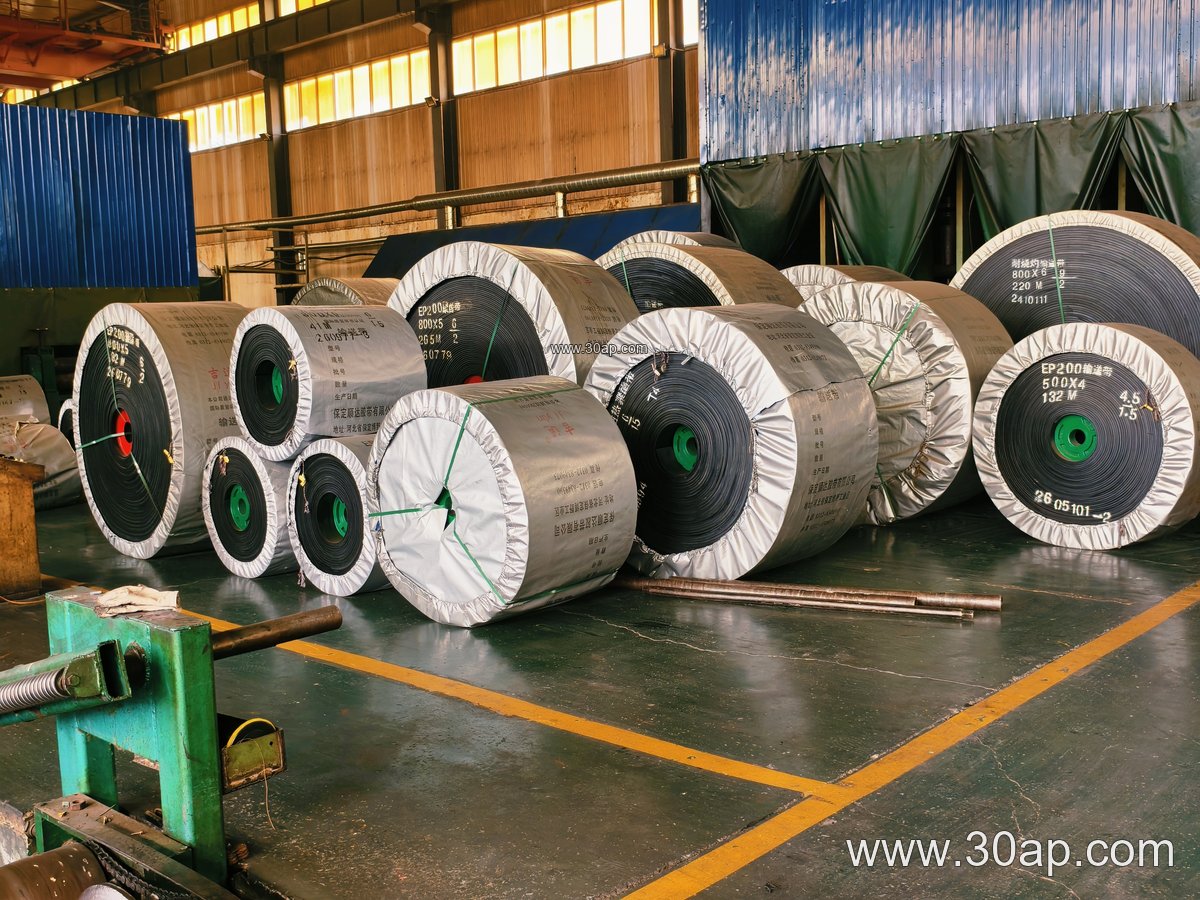
- Carcass: Multi-ply fabric (EP or NN) or steel cord, depending on the load and conveyor length.
- Top cover: Abrasion-resistant rubber, often 4 to 8 mm thick for ore duty; heat-resistant or flame-retardant compounds are available for special conditions.
- Bottom cover: Usually thinner, 1.5 to 3 mm, protecting the pulley side.
- Edges: Cut or molded, sometimes with a skirt or sidewall for steep inclines.
For high-tonnage ore transport, a steel cord conveyor belt is common because it handles long center distances with low stretch. For shorter runs and moderate loads, an EP conveyor belt or NN conveyor belt provides a good balance of strength and flexibility.
Where Ore Conveyor Belts Are Used
Ore belts appear across the mining and processing chain:
- Mines and quarries: Primary crushing to stockpile, underground haulage, and overland conveying.
- Coal mining: Flame-retardant and anti-static grades for underground coal mining conveyor systems.
- Cement plants: Limestone, clinker, and additive transport.
- Power plants: Coal feeding and ash handling.
- Ports and ship loading: Bulk material transfer at high capacity.
The working environment dictates the cover compound. An abrasion resistant conveyor belt suits sharp ore; a heat resistant conveyor belt is needed near sinter or clinker; a flame retardant conveyor belt is specified for underground coal. In cold climates, a cold-resistant grade prevents cracking.
Common Specifications and Reference Data
Belt width, strength class, and cover thickness are the main parameters. The table below shows typical reference ranges; final values are confirmed by the conveyor design, not by a fixed rule.
| Parameter | Common Reference | Notes |
|---|---|---|
| Belt width | B500, B650, B800, B1000, B1200, B1400, B1600, B1800, B2000 | Wider belts handle higher tonnage; selection depends on lump size and conveyor capacity. |
| Strength class (EP) | EP200, EP315, EP400, EP500, EP630, EP800, EP1000, EP1250, EP1600, EP2000 | Higher class for longer conveyors or heavier loads. |
| Steel cord class | ST1000, ST1250, ST1600, ST2000, ST2500, ST3150 | Used for long overland and high-tension applications. |
| Cover thickness | 3+1.5, 4+2, 5+2, 6+2, 8+3 mm | Top + bottom cover; ore duty often uses 5+2 or heavier. |
| Carcass plies | 2 to 6 layers | Multi-ply fabric core; steel cord is single-layer. |
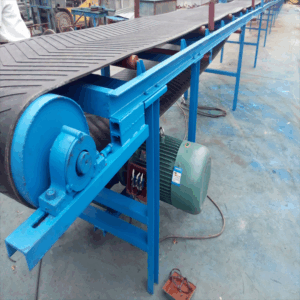
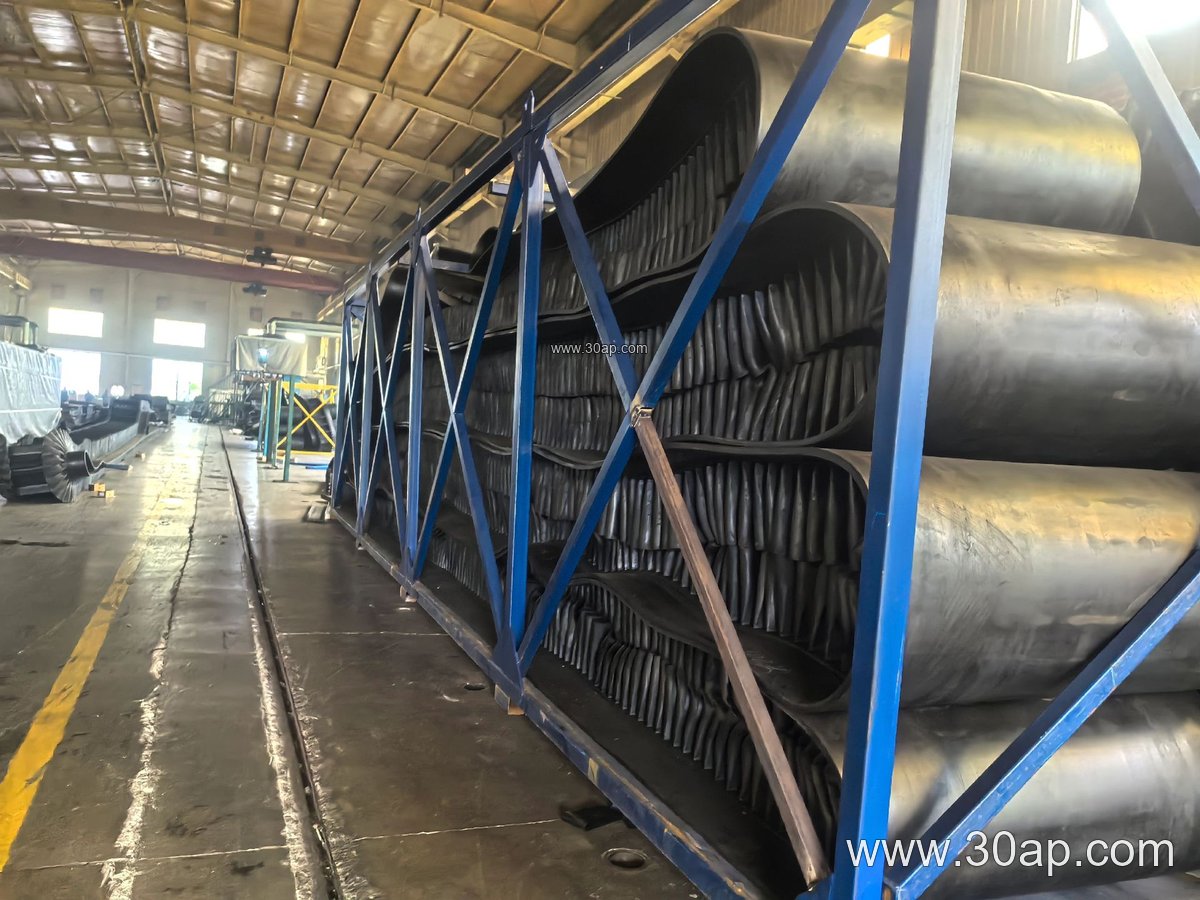
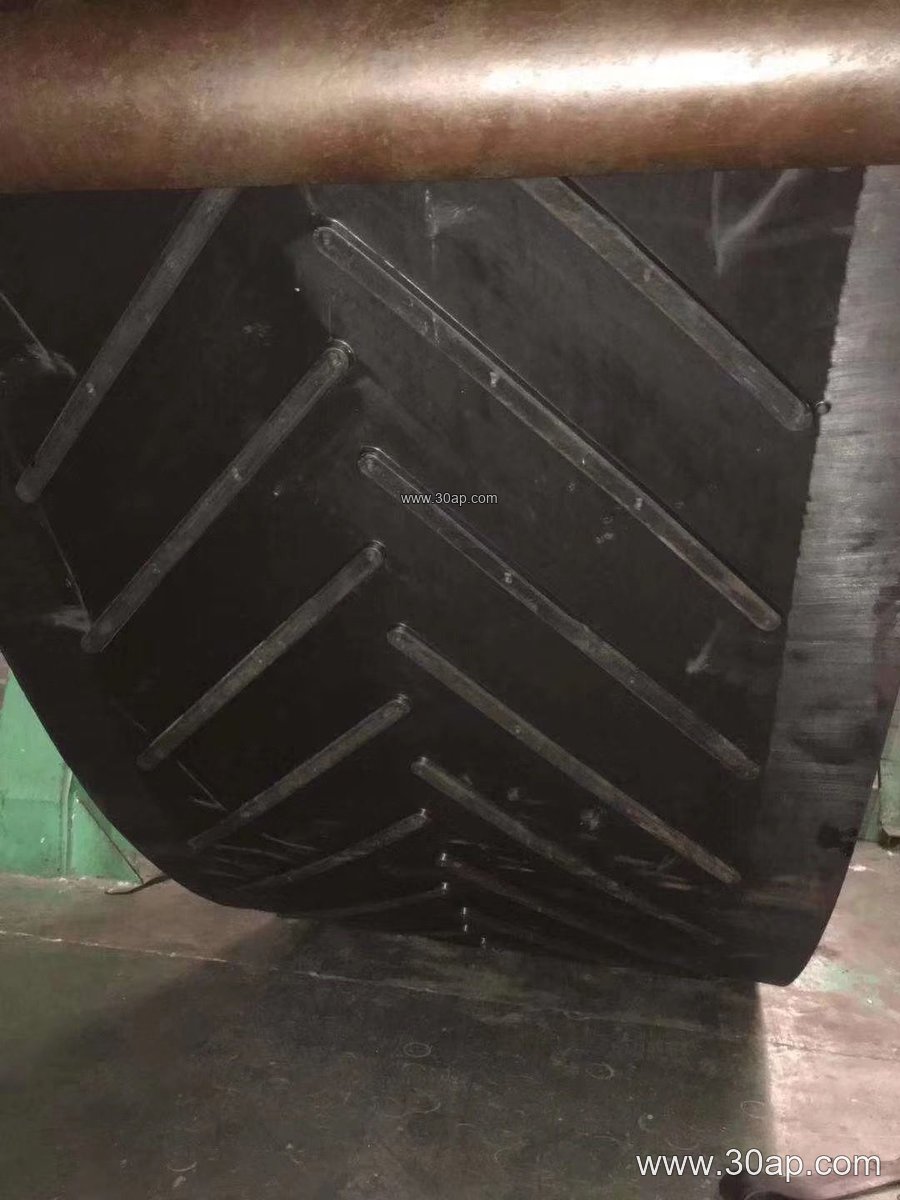
Specialty options include chevron conveyor belt for inclined haulage, corrugated sidewall conveyor belt for steep angles, and pipe conveyor belt for enclosed transport. These are distinct designs, not interchangeable with a standard flat belt.
Buyer Checklist for Ore Conveyor Belts
Before ordering, gather the following information:
- Material type, lump size, and temperature (e.g., iron ore, copper ore, coal).
- Conveyor length, incline angle, and capacity in tons per hour.
- Pulley diameters and idler roller spacing, so the belt can flex without over-stressing the carcass.
- Environmental conditions: dust, moisture, oil, flame risk, or cold.
- Required cover grade and any flame-retardant or anti-static standard.
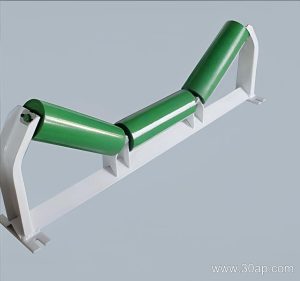
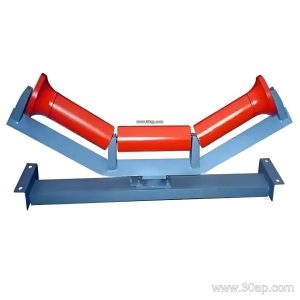
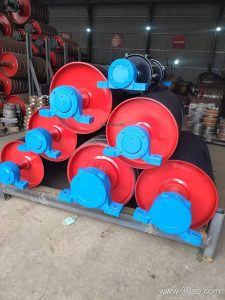
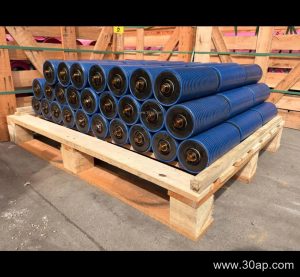
Also consider the support hardware: conveyor pulleys, idler rollers, and conveyor brackets must match the belt width and load. A belt that is too stiff for small pulleys can crack; a belt that is too soft for heavy impact may puncture.
Maintenance and Longevity
Ore belts wear from abrasion on the top cover, edge damage from misalignment, and impact at transfer points. Regular inspection of idler rollers, pulley lagging, and belt tracking helps prevent premature failure. Keeping the belt clean and avoiding overload reduce cover wear. For high-abrasion ore, an abrasion-resistant cover with adequate thickness extends service life.
Choosing the right ore conveyor belt means matching the carcass and cover to the duty, not simply picking the widest or strongest option. With accurate application data, a fabric-core or steel-cord belt can deliver reliable transport in the toughest mining and bulk handling environments.