What Is a Disc Idler?
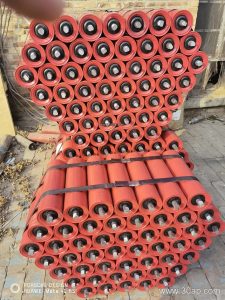
A disc idler is a type of conveyor idler roller that features a series of discs or rings mounted along its shaft. These discs are typically made of rubber, polyurethane, or other resilient materials, and they are spaced to support the conveyor belt while allowing material to pass through. Unlike standard flat or troughing idlers, the disc idler is designed to handle sticky, wet, or high-impact materials, making it a valuable component in industries such as mining, coal preparation, cement, and aggregate production. Sometimes referred to as a rubber disc idler or disc return roller, it is particularly effective in the return strand where belt cleaning and material shedding are critical.
Construction and Key Components
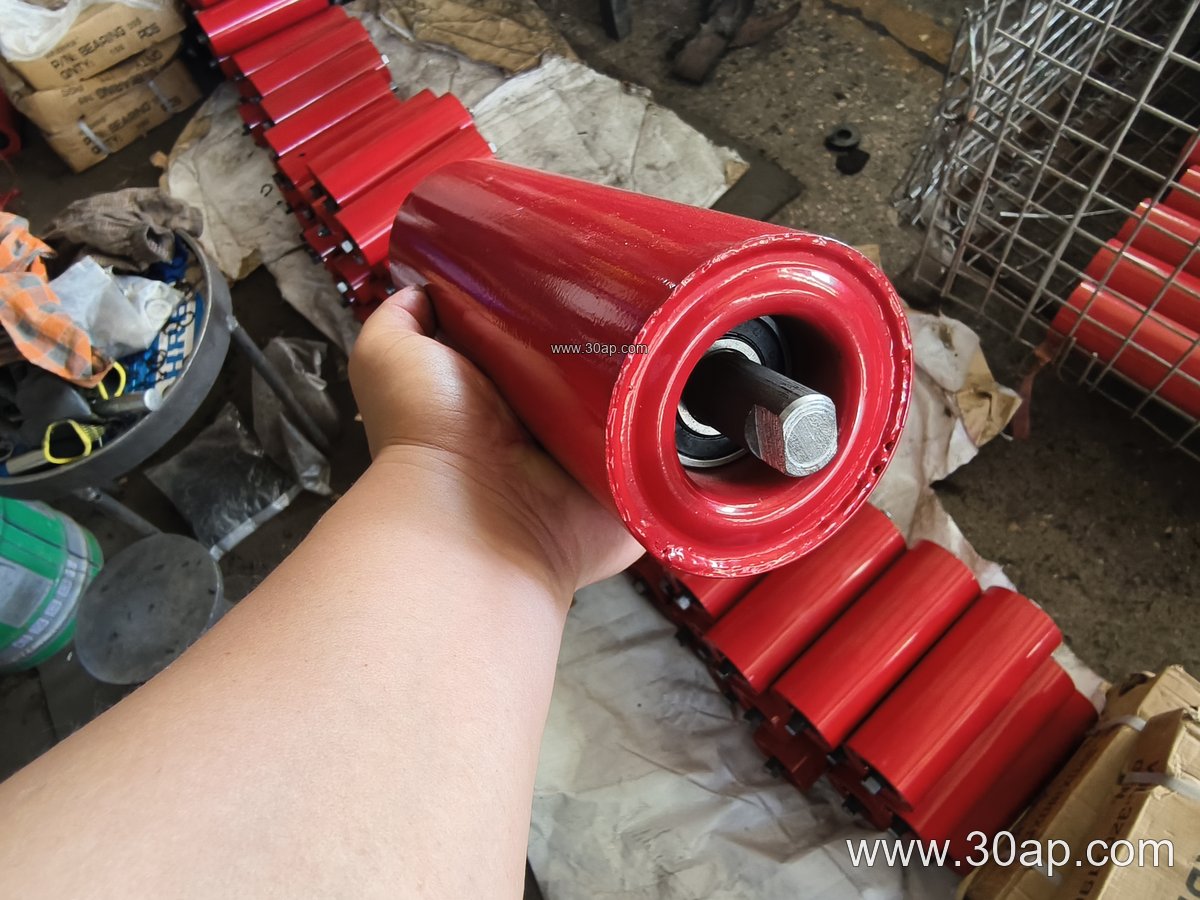
At its core, a disc idler consists of a steel shaft, bearings, and a series of discs. The discs are usually made from abrasion-resistant rubber or polymer, and they are mounted on the shaft with spacers to maintain consistent spacing. The bearing housing is sealed to protect against dust and moisture, extending service life in harsh environments. Common bearing sizes include 6204, 6205, 6305, and 6308, though the specific bearing is matched to the shaft and load requirements, not solely to the belt width. The disc profile can vary; some have a flat edge, while others feature a rounded or tapered shape to facilitate material release.
Where Disc Idlers Are Used
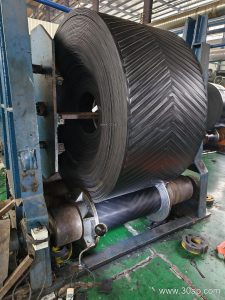
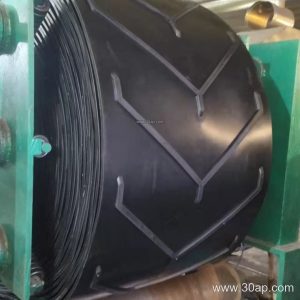
Disc idlers are frequently found in quarry and aggregate conveyor systems, where they help prevent material buildup on the return belt. In coal mining and coal preparation plants, they are used to handle wet, sticky coal that would otherwise adhere to standard rollers. Cement plants also employ disc idlers in clinker and raw material handling. The self-cleaning action of the discs reduces the risk of belt misalignment and extends the life of the conveyor belt, especially when used with a rubber conveyor belt or EP conveyor belt. Additionally, disc idlers can be paired with a conveyor bracket for easy installation and adjustment.
Types and Configurations
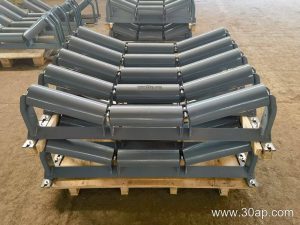
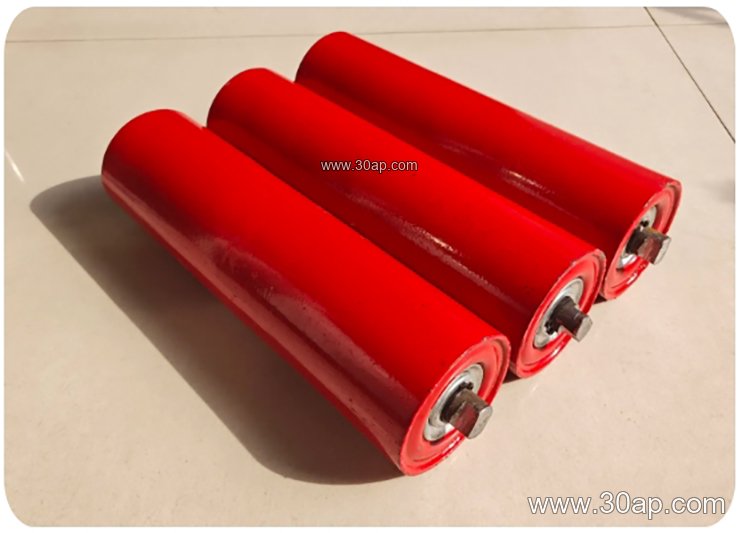
Disc idlers come in several configurations to suit different conveyor sections. The most common is the return disc idler, which supports the empty belt and helps shed material. Some designs use a single row of discs, while others use multiple rows for wider belts. The discs can be flat, crowned, or grooved. In troughing applications, disc idlers are less common, but they can be used in transition zones or where impact resistance is needed. For comparison, a standard troughing idler with steel rollers is better for carrying bulk materials on the top strand, while a disc idler excels in the return strand for sticky materials.
Specifications and Selection Guide
When selecting a disc idler, consider the belt width, the material being conveyed, and the environmental conditions. The table below lists common reference sizes for disc idlers, but these are not mandatory and should be adapted to the specific conveyor design.
| Parameter | Common Range / Example |
|---|---|
| Roller Diameter | Ø89, Ø102, Ø108, Ø127, Ø133, Ø159 mm |
| Belt Width | B500, B650, B800, B1000, B1200, B1400 mm |
| Disc Material | Rubber, polyurethane, nylon |
| Bearing Sizes | 6204, 6205, 6305, 6306, 6308 |
| Disc Spacing | Typically 50–100 mm, depending on application |
Note that the roller length varies with belt width and idler type; for a disc return idler, the length is usually matched to the belt width but may differ from troughing idlers. Always consult the conveyor design for exact dimensions.
Maintenance and Buyer Considerations
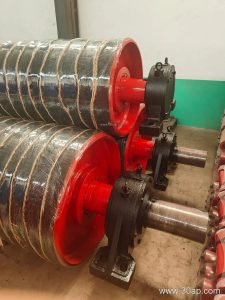
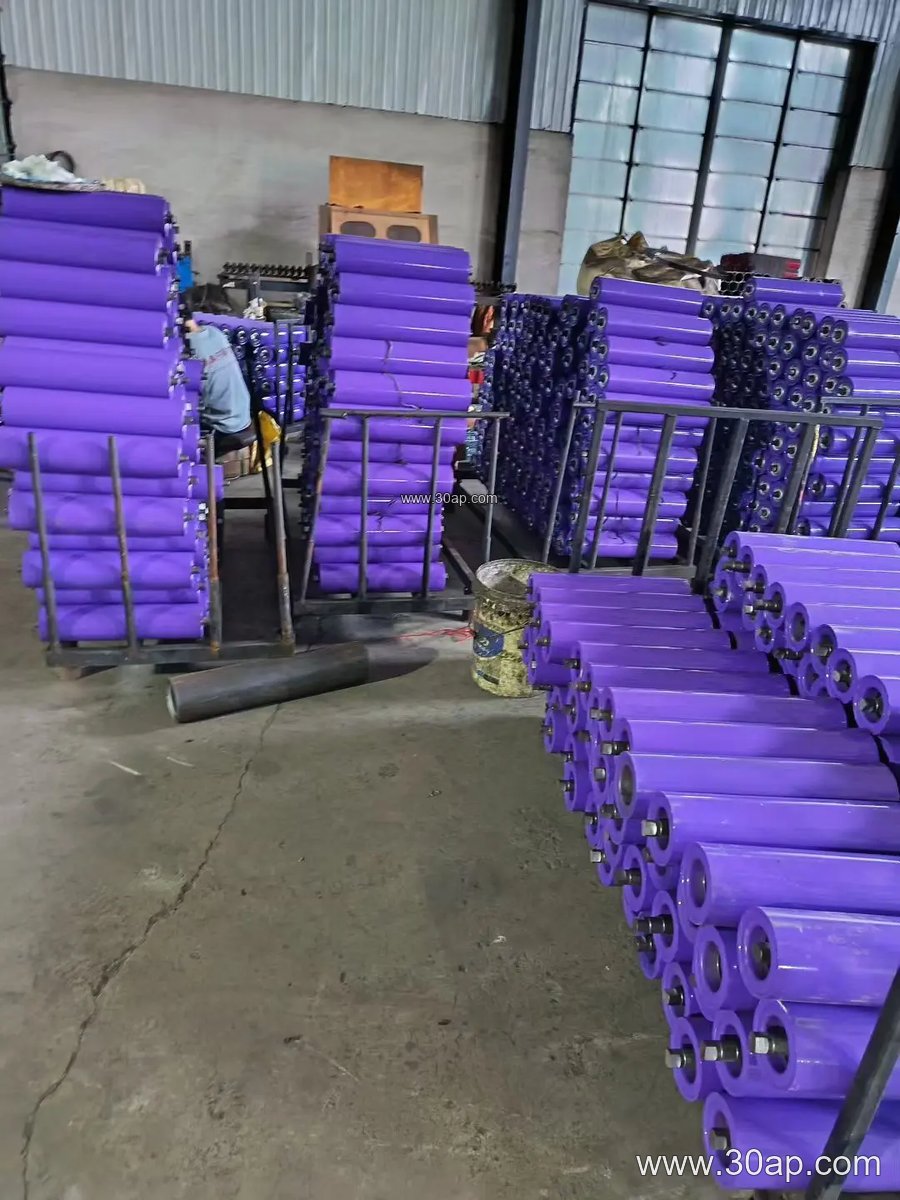
Disc idlers require periodic inspection for disc wear, bearing condition, and material buildup. Worn discs can be replaced individually in some designs, reducing maintenance costs. Buyers should specify the belt width, material characteristics (e.g., stickiness, abrasiveness), and operating temperature. For high-abrasion applications, consider discs made from high-abrasion resistant rubber. In coal mining, flame retardant and anti-static properties may be required for the conveyor belt, and the idler should be compatible with such belts. Also, ensure the idler is compatible with the conveyor pulley and bracket system. When replacing idlers, never substitute a disc idler with a drive pulley or tail pulley; these are entirely different components.
Conclusion
Disc idlers offer a practical solution for conveyor systems handling difficult materials. By understanding their construction, applications, and selection criteria, buyers can improve conveyor reliability and reduce downtime. For more information on conveyor components, visit our website for conveyor idler, conveyor pulley, and conveyor bracket options.