What an Assembled Pulley Is
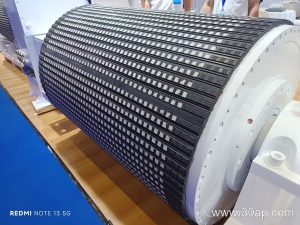
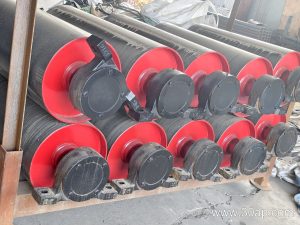
An assembled pulley is a conveyor drum supplied as a complete, ready-to-mount unit rather than as loose parts. The shell, shaft, end discs, hubs, bearing housings and locking elements are put together and aligned before delivery, so the maintenance team can lift the unit into the conveyor frame and connect it to the drive or return side. In practice, buyers often call this unit a conveyor pulley or conveyor drum, and the assembled version is the form most plants prefer when they want to shorten downtime during a replacement.
The assembled pulley is not one fixed position on the machine. It can serve as a drive pulley at the head end, a tail pulley that returns the belt, a bend pulley that changes belt direction, or a tension pulley that keeps slack under control. Each position places different demands on the shell, the lagging and the shaft, so the same basic product is configured differently depending on where it will sit.
How the Unit Is Built
A typical unit starts with a rolled steel shell welded to end discs and a through shaft. The shaft is sized by torque and radial load rather than by belt width alone, so two conveyors with the same belt width may still need different shaft diameters. Common shaft sizes include Ø80, Ø100, Ø120, Ø140 and Ø160, but the final figure should come from the conveyor designer.
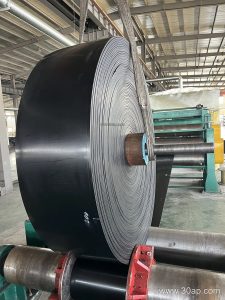
Bearing housings are fitted at both ends, and the assembly is balanced so that it runs smoothly at operating speed. Surface treatment is a separate decision. Plain finish is used where grip is not critical; rubber lagging, diamond grooving, herringbone grooving or ceramic tiles improve traction and wear life. Lagging thickness is often 8, 10, 12, 15 or 20 mm, chosen by duty rather than by habit. A pulley that drives a Steel Cord Conveyor Belt in a copper mine faces different loads from a bend pulley on a short aggregate line.
| Parameter | Common reference range |
|---|---|
| Belt width | B500, B650, B800, B1000, B1200, B1400, B1600 |
| Pulley diameter | Ø250, Ø315, Ø400, Ø500, Ø630, Ø800, Ø1000 |
| Shell face width | Usually wider than the belt, e.g. about 1400 mm for B1200 |
| Shaft diameter | Ø80, Ø100, Ø120, Ø140, Ø160 (by torque and load) |
| Lagging | Plain, rubber, diamond, herringbone, ceramic |
Where It Fits in the Plant
In a limestone quarry or a sand and gravel line, the assembled pulley usually appears at the head of a discharge conveyor and at the tail of a feed conveyor. In a coal washing plant or a power station coal yard, flame retardant and anti-static belt grades are common, and the pulley lagging is selected to cope with fine, damp material. Cement plants handling hot clinker pay attention to heat-resistant belt grades and to bearing protection near the kiln area. Port bulk terminals and iron ore yards tend to run wide belts, so B1400 or B1600 shells with matching face widths are normal.
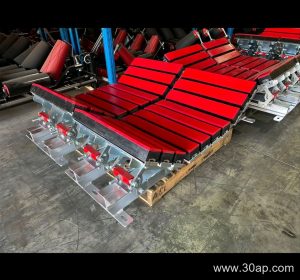
The pulley must work with the rest of the conveyor, not against it. A conveyor belt with an uneven splice, a worn idler roller or a misaligned conveyor bracket can shorten pulley life regardless of how well the drum itself was made. Checking belt tracking and cleaning spillage around the drum is part of keeping the assembly healthy.
Selection Points for Buyers
- Confirm the position first: head, tail, bend or tension. A bend pulley is not a substitute for a drive pulley, and a tail pulley cannot take the drive duty.
- Match the shell face width to the belt, for example B800 with about 950 mm face or B1200 with about 1400 mm face, then let the designer confirm.
- State the belt type and the material being carried, since an abrasion resistant conveyor belt and a heat resistant conveyor belt impose different surface requirements.
- Give the duty environment so lagging and bearing seals can be chosen for dust, moisture or temperature.
- Ask for balancing and run-out records, and confirm the locking arrangement on the shaft.
For a replacement, measure the existing drum, note the shaft diameter, face width, bearing type and lagging pattern, and send those details with the belt width. A correctly specified assembled pulley, paired with sound conveyor brackets and well-maintained rollers, keeps a bulk handling line running with fewer unplanned stops.