What a Heavy-Duty Trough Idler Does on a Conveyor
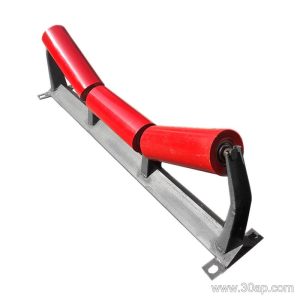
A heavy-duty trough idler is the carrying-side roller set that supports a loaded conveyor belt and shapes it into a trough. In a copper ore or iron ore operation, the belt may run at high tonnage with sharp, dense material, so the idler frame and rollers must hold their form under continuous load. The trough angle keeps bulk material centered, reducing spillage along the line. A well-matched idler roller also limits belt sag between support points, which protects the belt cover and helps the drive pulley pull smoothly.
This is not the same duty as a bend pulley or a tail pulley. Those components guide or tension the belt at specific points, while the trough idler works along the entire carrying run. Buyers often compare a heavy-duty trough idler with a standard trough idler; the difference is usually in the roller wall, bearing selection, seal design and frame stiffness rather than in the basic three-roll layout.
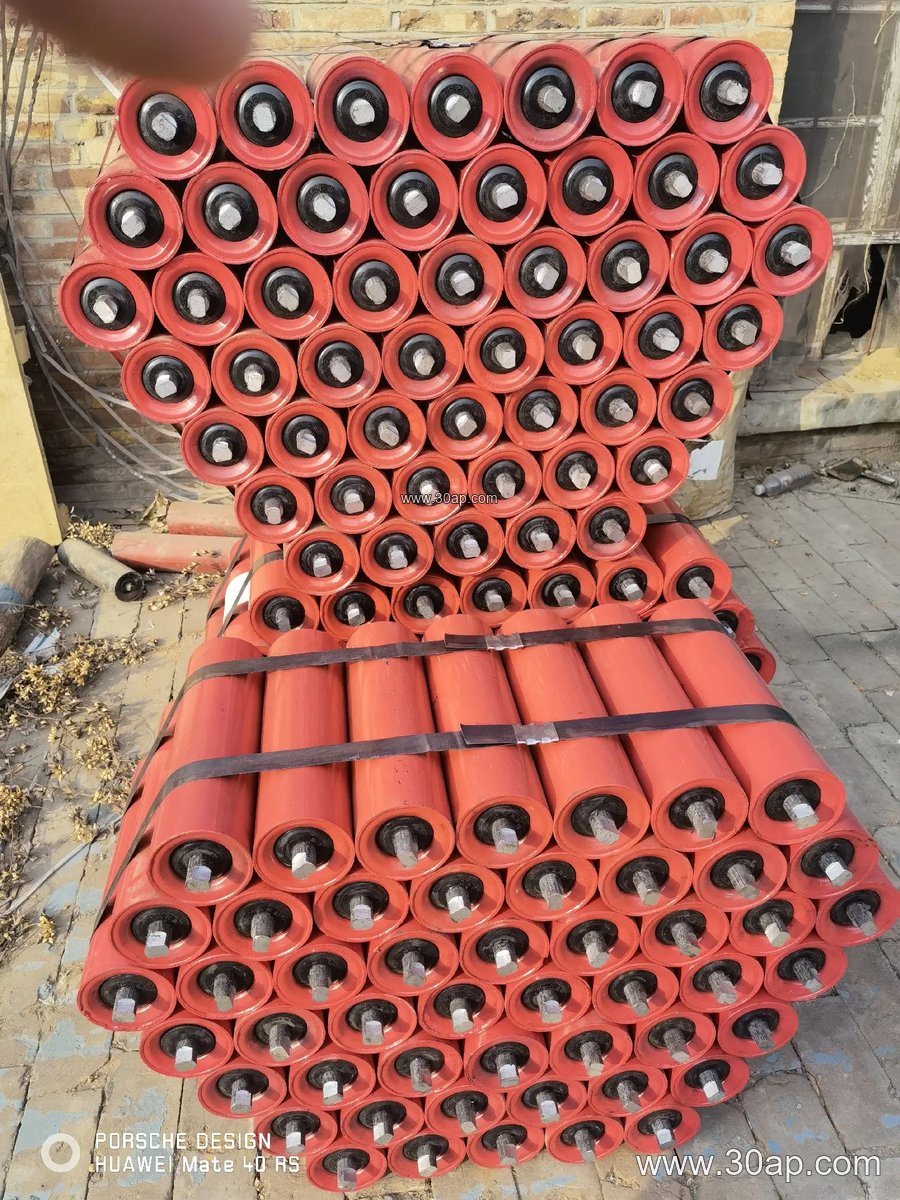
Construction Details That Matter
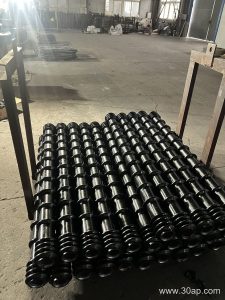
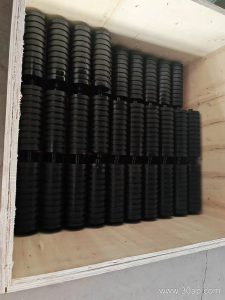
A typical heavy-duty trough idler uses a three-roll trough set with a 20, 30, 35 or 45 degree trough angle. The rolls may be steel tube, nylon, ceramic or rubber-disc covered, depending on whether abrasion, sticking or impact is the main concern. Bearing sizes commonly range from 6204 through 6310, and the correct bearing is matched to the calculated load and speed, not to belt width alone.
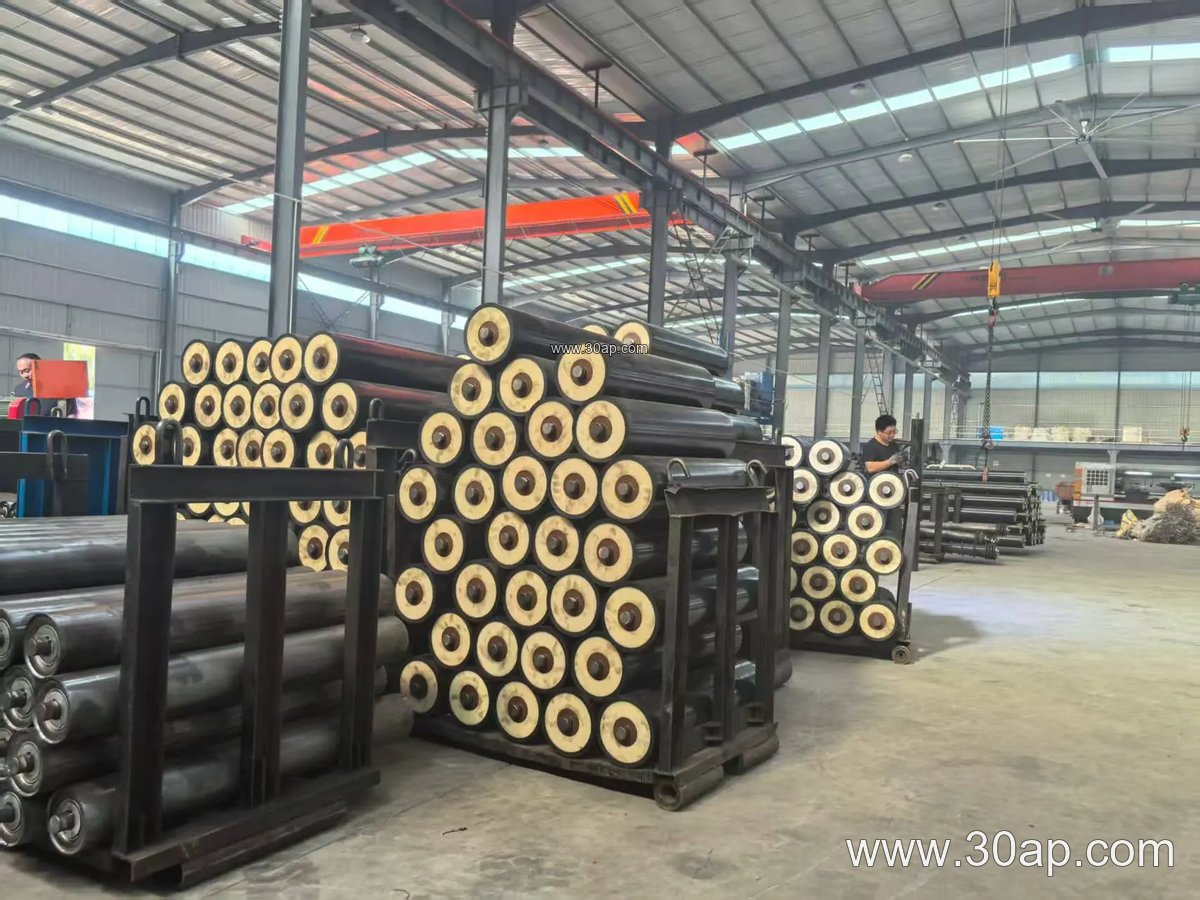
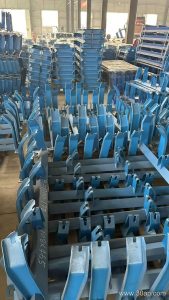
Sealing is a practical point for dusty sites such as a cement plant or a coal handling system. A labyrinth seal and a protective end cap slow the entry of fine dust and water. The shaft, bearing housing and roller shell should be inspected as one assembly. A heavy-duty frame with reinforced cross members helps keep roll alignment when the conveyor bracket is bolted to a long, slightly uneven stringer.
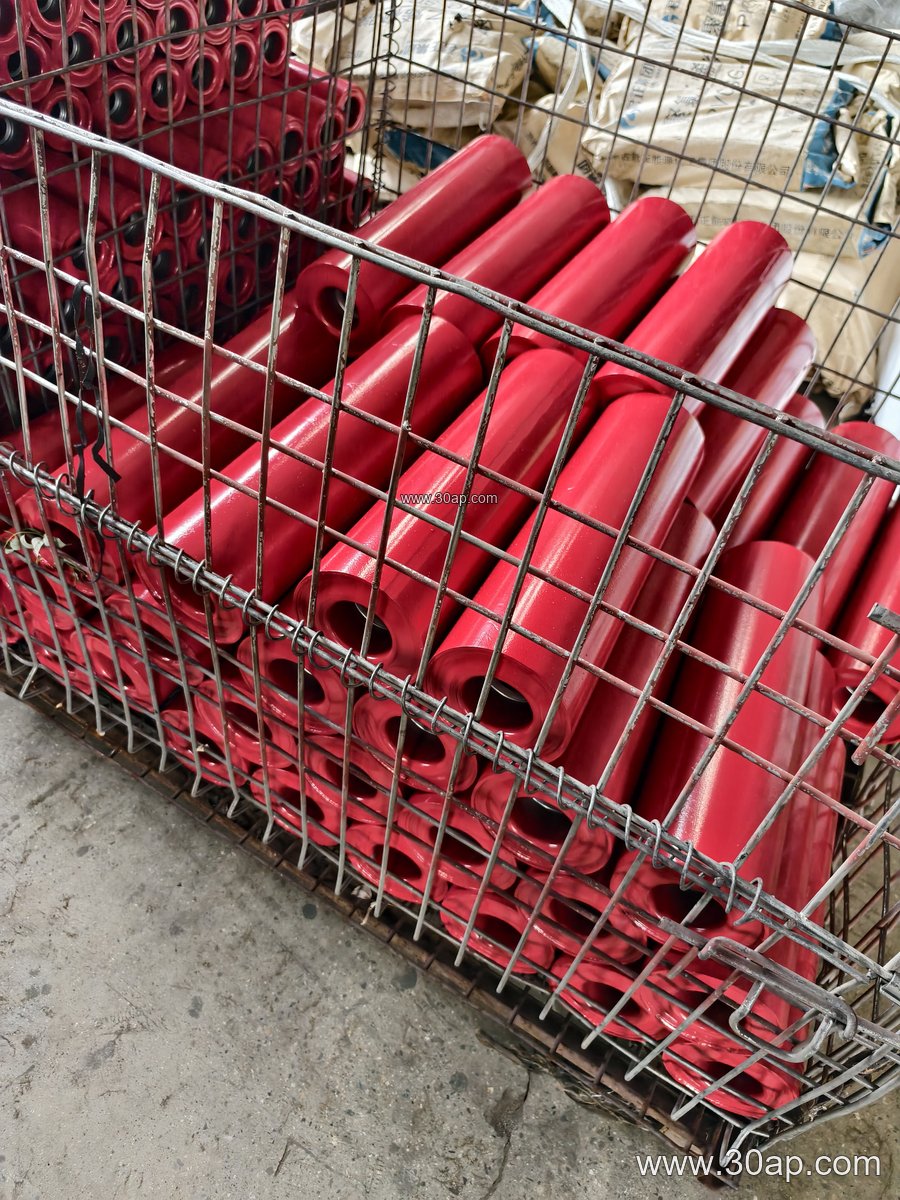
Common Roller Diameter and Belt Width References
The table below gives common reference values only. Final roller length, shaft size and bearing choice are determined by the conveyor design, load and trough angle.
| Reference Item | Common Range or Example |
|---|---|
| Roller diameter | Ø63 to Ø219 mm; Ø108, Ø127, Ø133, Ø159 and Ø178 are frequently seen in heavy duty work |
| Belt width | B400 to B2400; B800, B1000, B1200, B1400 and B1600 are common |
| Trough angle | 20°, 30°, 35°, 45° |
| Roll surface | Steel tube, nylon, ceramic, rubber ring |
| Bearing | 6204, 6205, 6305, 6306, 6308, 6310 |
| Three-roll length example | About 315 mm for B800, 380 mm for B1000, 465 mm for B1200, 530 mm for B1400 |
These figures are examples, not fixed matches. Side rolls and center rolls can differ, and a wider belt does not automatically dictate one shaft diameter.
Where Heavy-Duty Trough Idlers Are Used
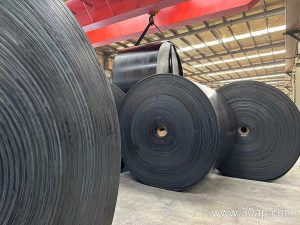
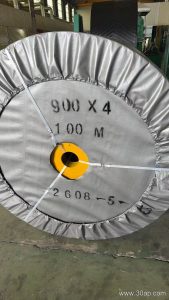
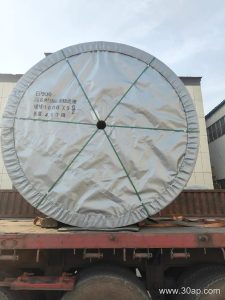
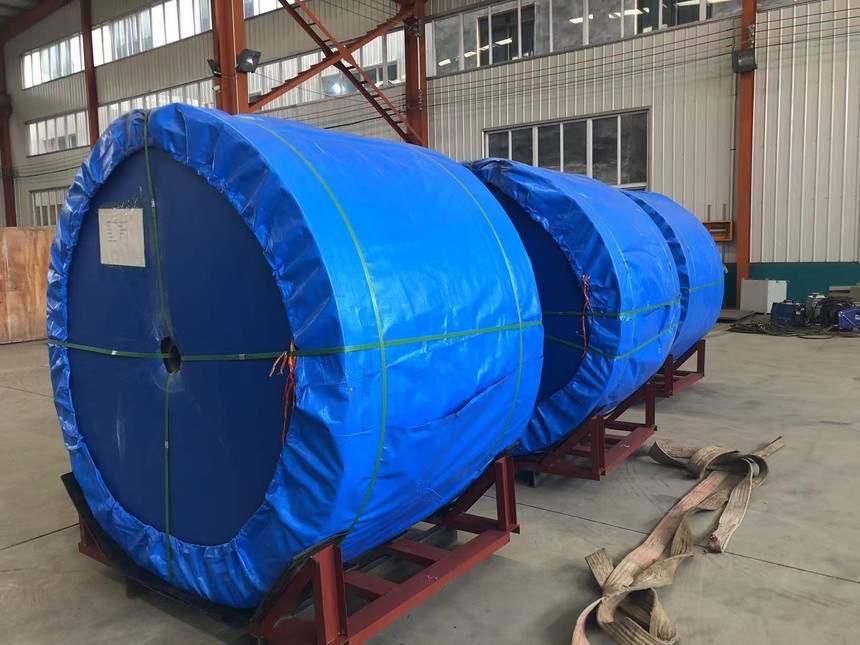
Two demanding settings where this idler earns its place are a limestone quarry and a power plant coal yard. In the quarry, broken rock arrives with sharp edges and variable lump size, so impact-resistant rollers and a robust frame are useful. At a coal-fired power plant, dust control and flame retardant belt selection often go together with reliable trough idlers on long transfer conveyors. A Mining Conveyor Belt and a matched idler set are usually specified as a system, because belt stiffness and trough angle affect how the belt seats on the rollers.
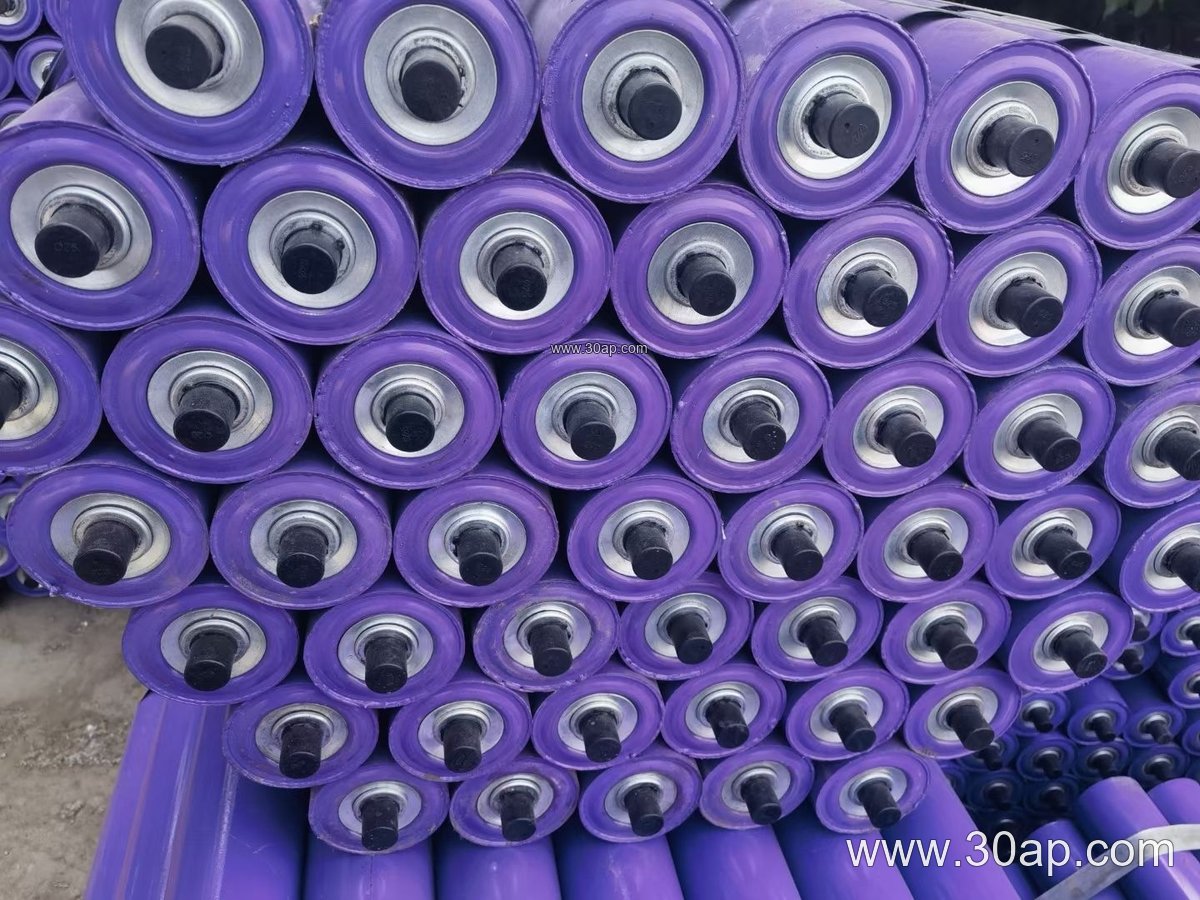
Other relevant lines include a crusher discharge conveyor, a sinter plant transfer and a port ship-loading system. In each case, the idler must suit the material, the belt speed and the maintenance access. A heavy-duty trough idler on a primary crusher line may need rubber-disc impact rolls, while a clean, high-speed line may use steel rolls with tight seals.
Buyer Checklist Before Ordering
- Confirm belt width, trough angle and the number of rolls in the set.
- State the material type, lump size, moisture and temperature so the roller surface and seal can be chosen.
- Check the conveyor bracket spacing and frame mounting dimensions.
- Match bearing and shaft to the calculated load, not to a single belt-width rule.
- Ask how the roller is balanced and how the seal is protected during washdown or dusty operation.
A heavy-duty trough idler is a small part of the conveyor but a large factor in uptime. When it is selected with the belt, the pulley and the frame in mind, the whole line runs with less spillage, less belt wear and fewer stoppages. For abrasive bulk handling, an Abrasion Resistant Conveyor Belt paired with well-sealed rollers is a sound starting point, and for dusty coal work a Flame Retardant Conveyor Belt may also be part of the specification. The key is to treat the idler as an engineered component, not a generic accessory.