What a Welded Pulley Is and Why It Matters
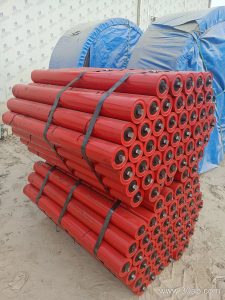
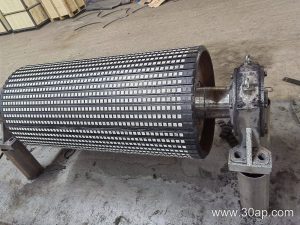
A welded pulley is a conveyor pulley built by welding a rolled steel shell to end discs and a shaft hub assembly. This fabrication method produces a strong, rigid drum that transmits power or changes belt direction in bulk material handling systems. Unlike cast pulleys, welded construction allows for larger diameters, custom face widths, and easier repair. In a quarry or aggregate line, a welded pulley often serves as the drive or tail unit, working alongside a rubber conveyor belt and idler rollers to keep material moving.
Construction and Key Components
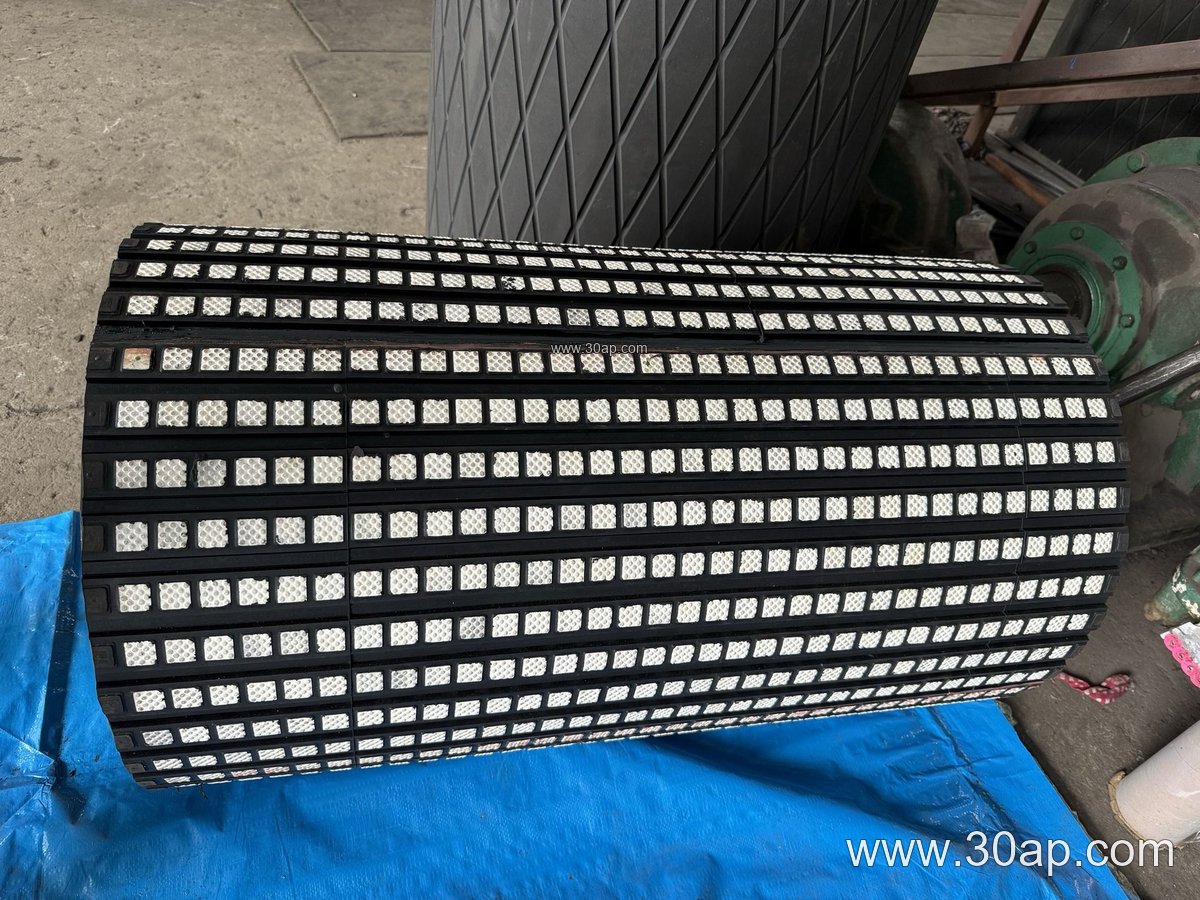
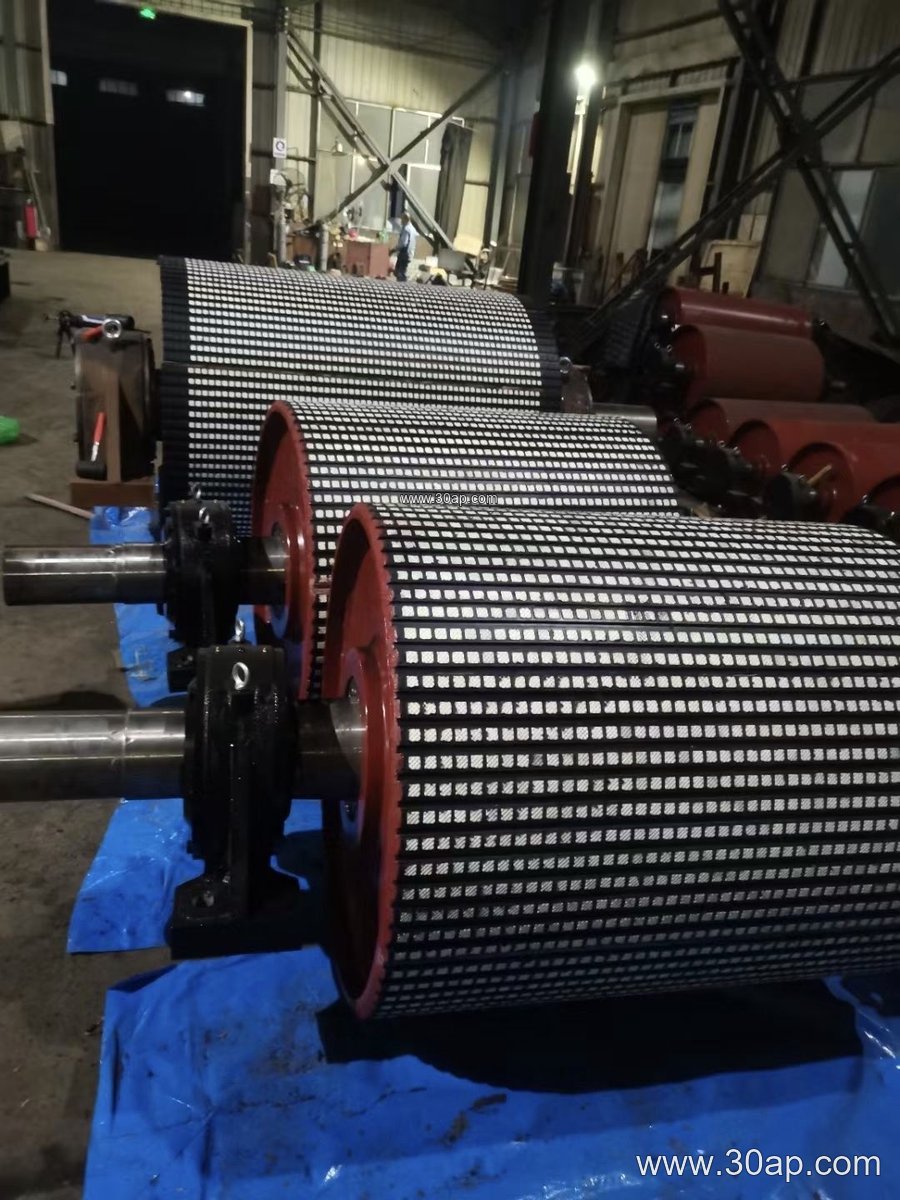
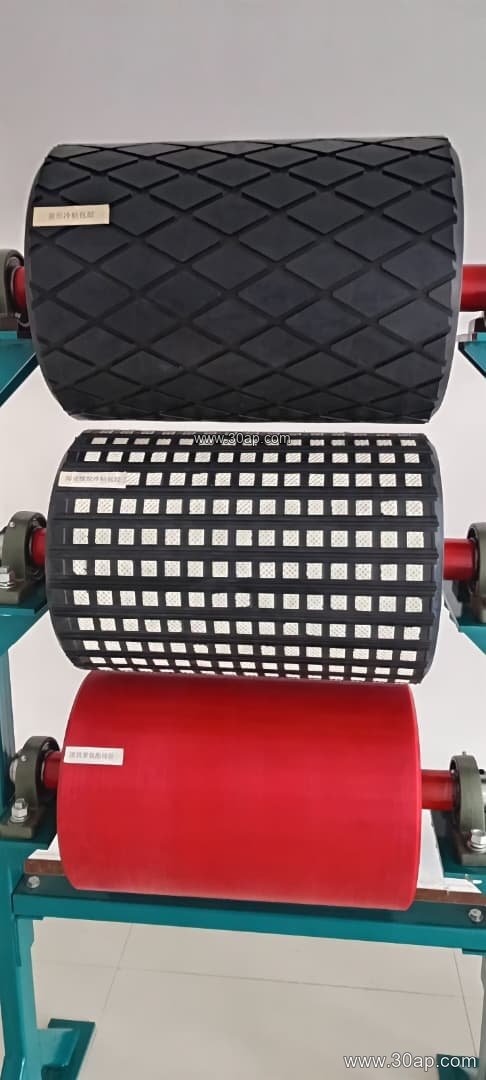
The typical welded pulley consists of a cylindrical shell, two end plates, a shaft, and a hub. The shell is formed from steel plate and longitudinally welded, then machined for balance. End discs are welded to the shell and to the hub, which is keyed or shrink-fitted to the shaft. Surface options include plain finish, rubber lagging, or ceramic lagging to improve grip and wear resistance. Common lagging thicknesses are 8, 10, 12, 15, and 20 mm. The pulley face width is usually slightly wider than the belt; for example, a B800 belt often matches a pulley face of about 950 mm, while a B1200 belt may use a 1400 mm face. Shaft diameters are selected by torque and load, with common sizes such as Ø80, Ø100, Ø120, and Ø140 mm.
Where Welded Pulleys Are Used
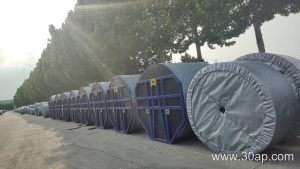
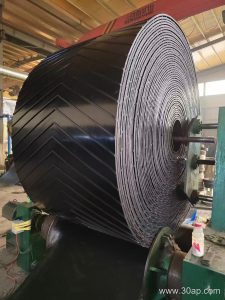
These pulleys appear in mining, cement plants, power stations, and port facilities. In a coal mining conveyor system, a welded drive pulley paired with a flame retardant conveyor belt must handle high tension and dusty conditions. In a cement plant, a bend pulley redirects an EP conveyor belt around a transfer point. Aggregate operations use welded tail pulleys with a rubber conveyor belt to maintain tracking through a crusher discharge. The welded design suits heavy-duty mining conveyor belts and abrasive materials like iron ore or limestone.
How to Specify a Welded Pulley
Buyers should consider belt width, pulley diameter, shaft size, lagging type, and bearing arrangement. The table below shows common reference combinations, but final dimensions depend on the conveyor design and load calculations.
| Belt Width (B) | Typical Pulley Face Width | Example Diameter Range | Common Shaft Diameter |
|---|---|---|---|
| B500 | ≈600 mm | Ø250–Ø400 | Ø60–Ø80 |
| B800 | ≈950 mm | Ø400–Ø630 | Ø80–Ø120 |
| B1000 | ≈1150 mm | Ø500–Ø800 | Ø100–Ø140 |
| B1200 | ≈1400 mm | Ø630–Ø1000 | Ø120–Ø160 |
| B1400 | ≈1600 mm | Ø800–Ø1250 | Ø140–Ø180 |
Note that a given belt width can work with several pulley diameters; the choice depends on wrap angle, belt speed, and tension. Avoid assuming a fixed shaft size from belt width alone.
Maintenance and Compatibility
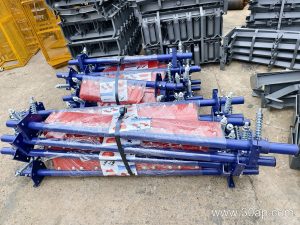
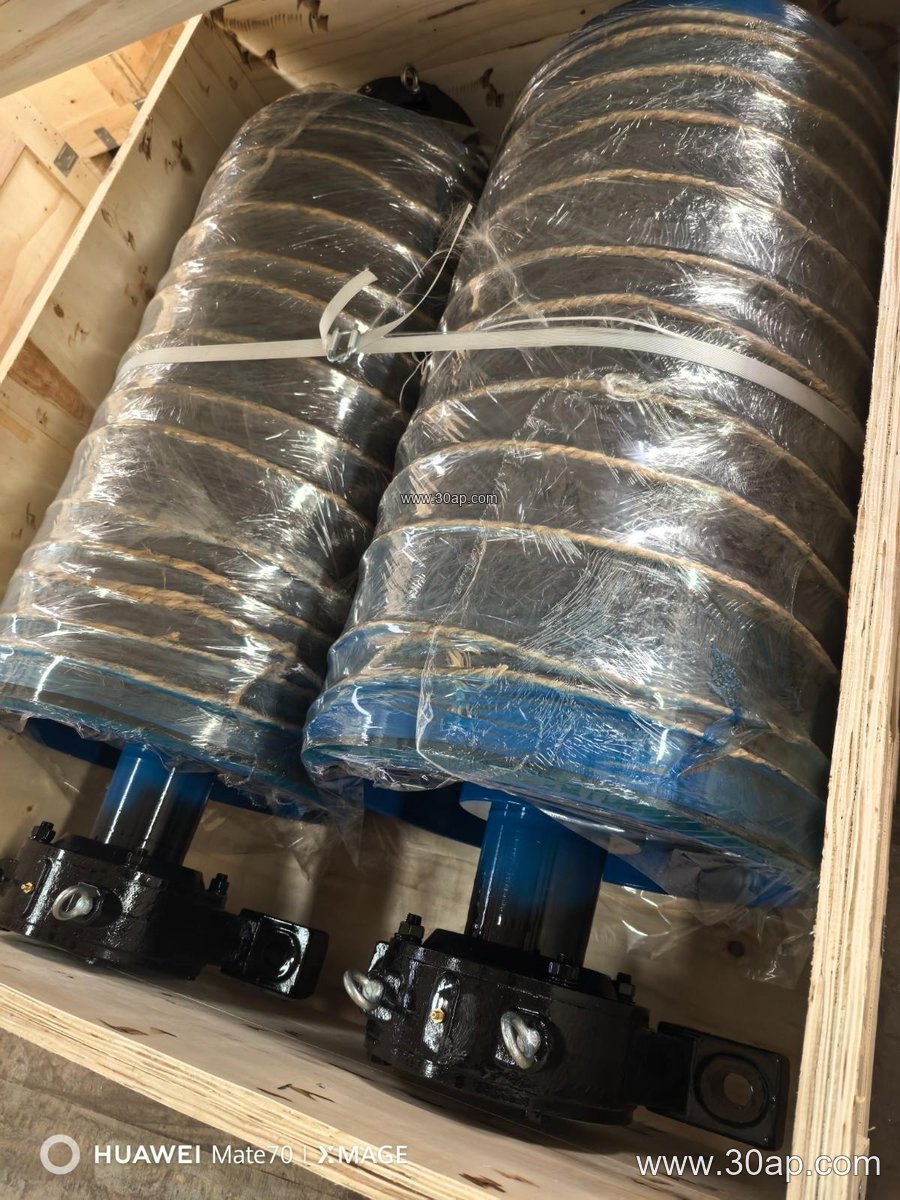
Regular inspection of welds, lagging wear, and bearing condition extends pulley life. A welded pulley should be matched with the correct conveyor bracket and idler roller spacing to prevent belt mistracking. When replacing a pulley, verify the shaft keyway and bearing bore. For high-abrasion service, consider ceramic lagging; for oily environments, an oil resistant conveyor belt reduces swelling and slippage. In cold climates, a cold resistant conveyor belt paired with a properly lagged pulley avoids belt hardening and slip.
Whether you operate a sand making plant or a ship loading facility, selecting a welded pulley by application and load—not by a single size rule—keeps the conveyor system efficient. Consult our pulley specialists at [yourdomain.com/welded-pulley] for dimensional guidance, and explore compatible conveyor belts and idler rollers on the same site.