What a Ship Loading Conveyor Belt Does
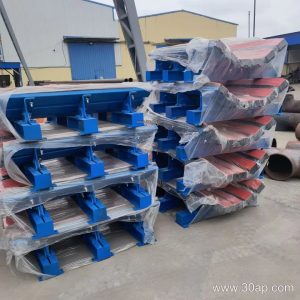
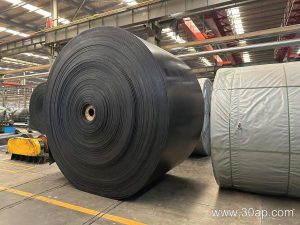
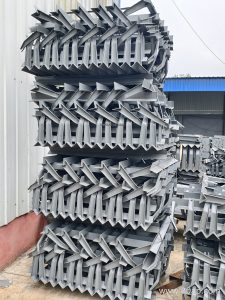
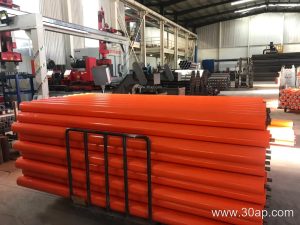
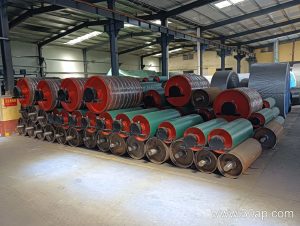
A ship loading conveyor belt is the heavy-duty belt that carries bulk cargo from the shore side to the vessel. In a port, the belt runs along a loader boom, often with a tripper or telescopic chute, and delivers material such as coal, iron ore, cement clinker, or aggregate into the ship hold. The belt is part of a complete system that includes conveyor pulleys, idler rollers, and conveyor brackets, but the belt itself is the flexible carrying surface that must handle high tension, abrasive cargo, and continuous operation.
Because the belt travels over a long boom and may be exposed to wind, salt air, and variable loading, the choice of belt construction matters. A ship loading conveyor belt is not a generic belt pulled from a warehouse shelf; it is usually specified for the route length, cargo type, and operating hours of a particular terminal.
Construction and Common Belt Types
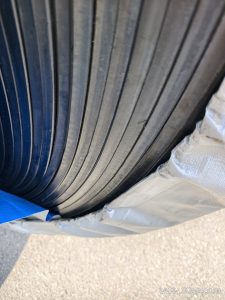
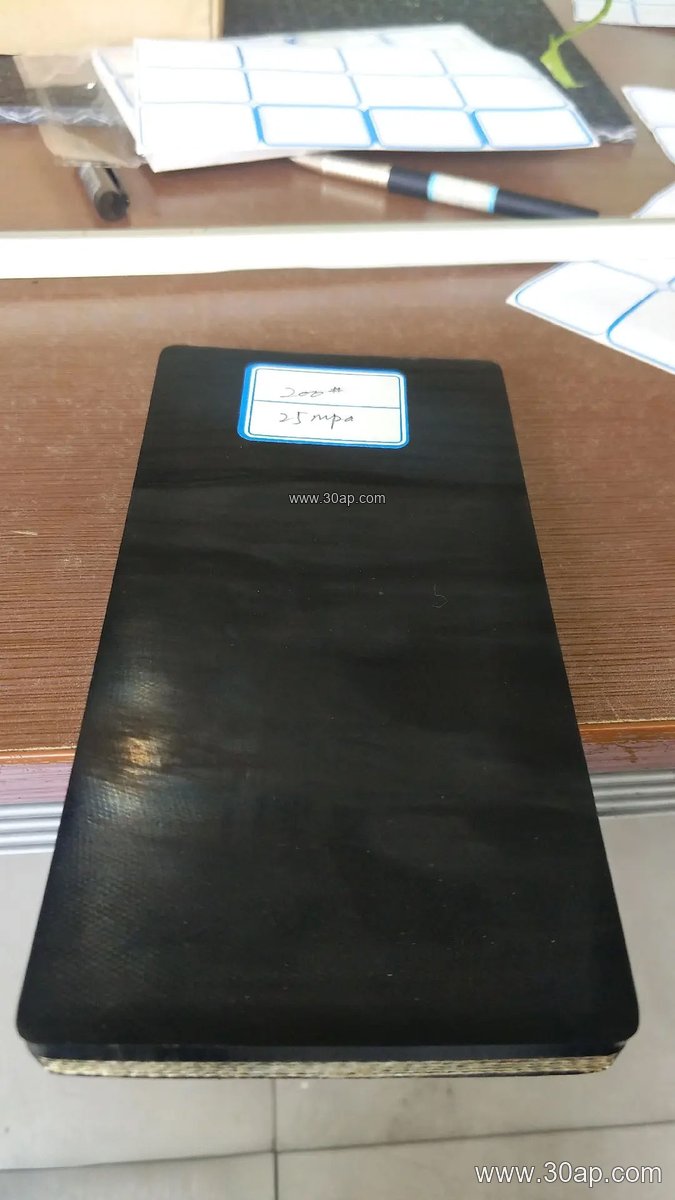
Most ship loading belts use a fabric core or steel cord carcass with rubber covers. The carcass carries tension, while the cover protects against abrasion and impact. Common constructions include:
- EP conveyor belt (polyester-cotton fabric core) for general bulk handling, often in grades such as EP200, EP315, EP500, EP800, EP1000, and EP1250.
- NN conveyor belt (nylon-nylon fabric core) where higher flexibility and impact resistance are useful.
- Steel cord conveyor belt for long booms and high tension, sometimes specified in ST1000, ST1250, ST1600, or ST2000 grades.
- Abrasion resistant conveyor belt for ore, clinker, and sand, where the cover rubber must resist cutting and wear.
- Flame retardant conveyor belt or fire resistant conveyor belt where coal or other combustible cargo is handled.
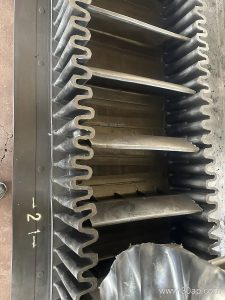
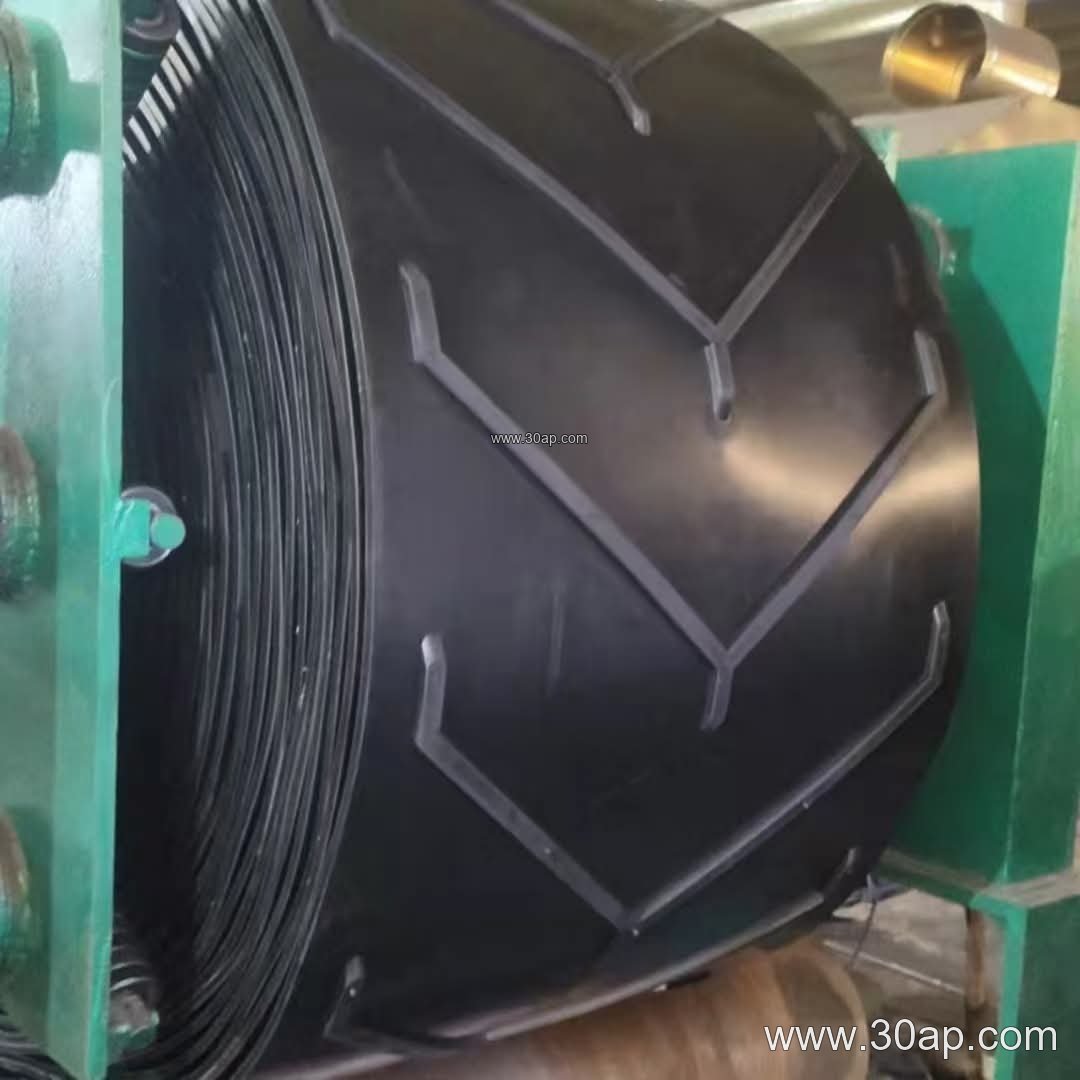
Cover thickness is often expressed as top and bottom cover, for example 4+2 mm, 5+2 mm, or 6+2 mm. The carcass may have 2 to 6 plies depending on the duty. A Chevron conveyor belt or corrugated sidewall conveyor belt is sometimes used on steep inclines, but these are different subtypes and are not a direct replacement for a flat ship loading belt.
Key Specifications at a Glance
The table below lists typical reference values. Actual values are confirmed by the belt designer and may differ between manufacturers.
| Parameter | Common Reference Range |
|---|---|
| Belt width | B500, B650, B800, B1000, B1200, B1400, B1600, B1800, B2000 |
| Fabric core strength | EP200, EP315, EP400, EP500, EP630, EP800, EP1000, EP1250, EP1600, EP2000 |
| Steel cord strength | ST1000, ST1250, ST1600, ST2000, ST2500 |
| Cover thickness | 3+1.5 mm, 4+2 mm, 5+2 mm, 6+2 mm, 8+3 mm |
| Carcass plies | 2 to 6 plies for fabric core belts |
These are reference data, not universal supply promises. Belt width and pulley diameter are selected together by the conveyor designer; one belt width does not dictate a single pulley size.
Where Ship Loading Belts Are Used
Ship loading conveyor belts appear in ports, bulk terminals, power plants, cement plants, and mining export facilities. They handle coal, iron ore, copper ore, limestone, clinker, fertilizer, grain, and sand. In a coal terminal, a flame retardant or fire resistant belt may be required; in an iron ore terminal, a high abrasion resistant belt with a thick cover is often preferred. The same belt type may also be found in a quarry conveyor belt or aggregate conveyor belt system feeding a ship loader.
Because the belt runs over many idler rollers and pulleys, proper alignment and maintenance are important. A misaligned belt can damage the edge, while a worn pulley lagging can reduce traction. The drive pulley, tail pulley, and bend pulley each have a specific role and are not interchangeable.
Buyer Checklist
Before ordering a ship loading conveyor belt, confirm the following:
- Cargo type and maximum lump size, which affect impact and abrasion requirements.
- Belt width and speed, matched to the required loading rate.
- Center distance and lift, which influence tension and carcass selection.
- Environmental conditions such as salt air, temperature, and fire risk.
- Cover thickness and rubber grade, including whether an oil resistant or heat resistant cover is needed.
- Availability of spare idler rollers, conveyor pulleys, and conveyor brackets for maintenance.
For port projects, buyers often compare EP conveyor belt and steel cord conveyor belt options. The final choice depends on tension, boom length, and the acceptable splice method. A belt that is too stiff for the pulley diameters can shorten service life, while a belt with insufficient strength may not handle the load. Work with a conveyor designer to match the belt to the system rather than selecting by width alone.