What the EP1500 Conveyor Belt Is
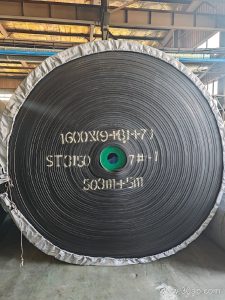
The EP1500 Conveyor Belt is a multi-ply fabric core belt built around polyester (EP) warp yarns and nylon weft yarns. The number in its name refers to the nominal tensile strength of the carcass, roughly 1500 N/mm per ply in the reference data used for this class of belt. In practice, buyers meet it as an EP rubber conveyor belt with a fabric core, and it sits high in the EP range, above the more common EP100, EP200, EP300, EP400, EP500, EP630, EP800, EP1000 and EP1250 grades. Because it is a genuinely heavy-duty product, it is often specified where a standard belt would be stretched too far.
The construction is straightforward but precise. Several fabric plies are bonded together with rubber skim, then covered on both faces with abrasion-resistant rubber. The carcass gives longitudinal strength and keeps elongation low, while the covers protect the plies from cutting, impact and wear. A buyer can treat this as an EP conveyor belt with a high ply strength, not as a steel cord belt, which uses a completely different reinforcement method.
Construction and Typical Build
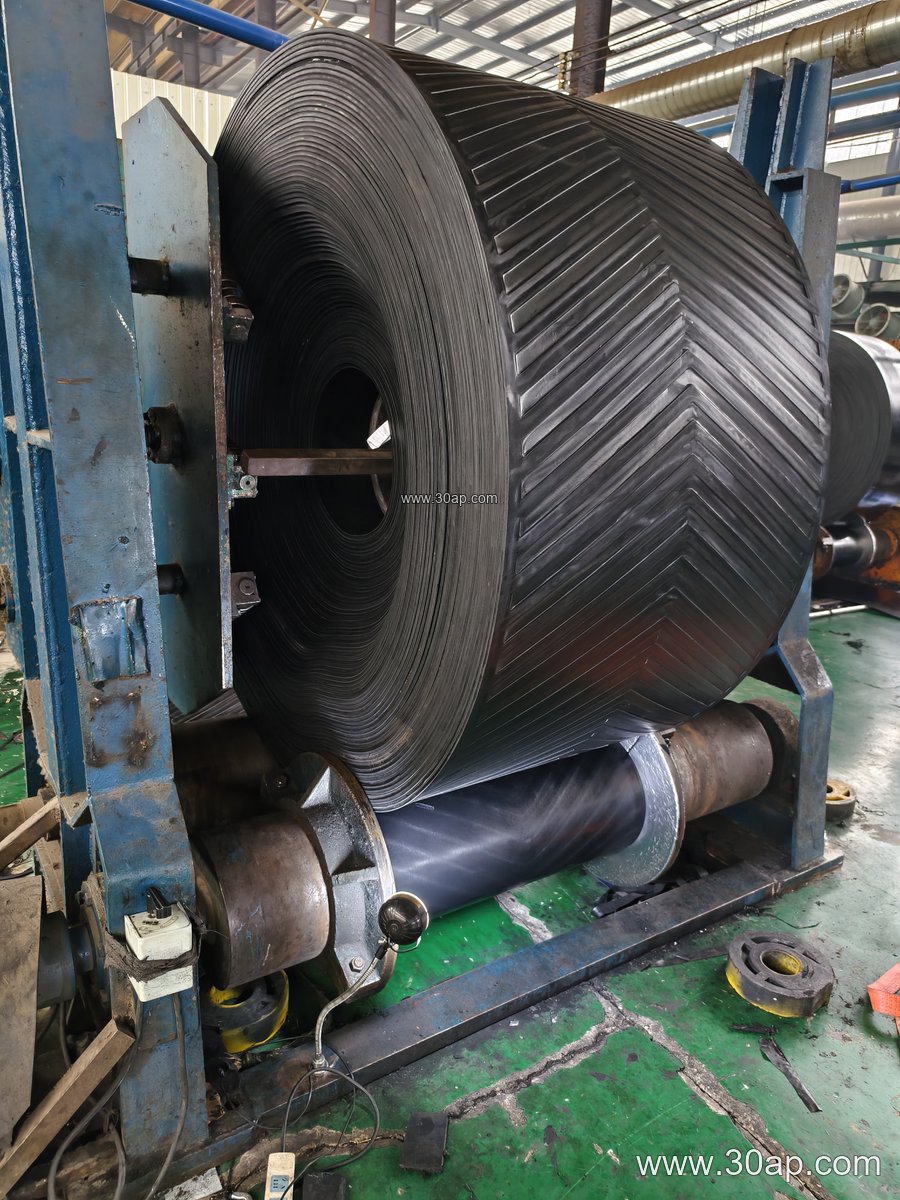
The carcass usually carries 2 to 6 plies depending on the duty. Cover rubber is commonly quoted in grades such as 3+1.5 mm, 4+2 mm, 5+2 mm, 6+2 mm or 8+3 mm, with the top cover thicker on the carrying side where material impact is heaviest. The exact build is set by the conveyor design, so the figures below are reference examples rather than fixed supply promises.
| Item | Reference example |
|---|---|
| Belt type | EP1500, multi-ply fabric core |
| Nominal ply strength | About 1500 N/mm per ply |
| Ply count | Commonly 3 to 6, by design |
| Cover thickness | 4+2, 5+2, 6+2 or 8+3 mm typical |
| Belt width | B800, B1000, B1200, B1400, B1600, B1800 or wider |
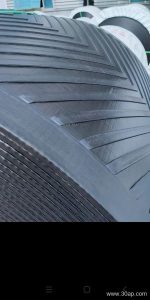
| Surface options | Plain, chevron, or corrugated sidewall |
Where It Fits in the Plant
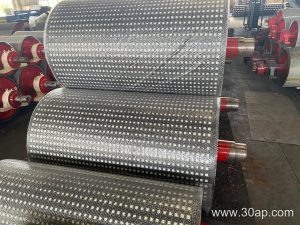
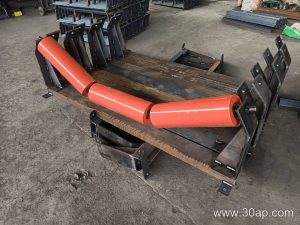
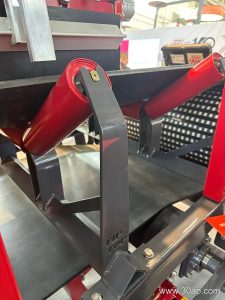
This belt class suits long, heavily loaded runs in mining, coal preparation, cement plants, power stations, quarries and aggregate yards. It moves lump ore, crushed stone, clinker and similar bulk material on troughing idlers, and it works with the conveyor pulley at the head and tail, plus the bend pulleys that route the return strand. A heavy-duty mining conveyor belt of this strength is often chosen for primary crushing lines and main haulage conveyors, while a quarry conveyor belt or crusher conveyor belt may use it where tonnage and lump size are high.
Grade choice matters as much as strength. In a cement plant or a coal mining conveyor belt installation, a flame retardant conveyor belt or fire resistant conveyor belt may be required by the site’s safety rules. Hot clinker or sinter calls for a heat resistant conveyor belt. Ore with sharp edges favours a high abrasion resistant conveyor belt, and oily or chemical-laden material points to an oil resistant or acid resistant belt. Cold climates may call for a cold resistant grade. These are property options on the same carcass family, not separate product types.
How It Compares With Other Carcass Types
Against an NN conveyor belt, the EP1500 generally offers lower elongation and better dimensional stability under load, which helps on long centre distances. A steel cord conveyor belt can reach far higher strength in a single plane, but it demands larger pulleys and tighter splicing control. A PVC or PVG conveyor belt is common in underground coal work for its flame resistance, yet it is not a direct substitute where high tensile strength is the driver. The EP1500 sits between these worlds: strong, spliceable, and familiar to most conveyor crews.
Selection Points for Buyers
- Match the belt’s rated strength to the calculated tension with a sensible safety margin, not to habit alone.
- Check pulley diameters against the ply count and belt thickness recommended for the carcass; there is no single belt width to pulley diameter rule.
- Confirm cover grade against the real material: hot, oily, sharp, or flame-sensitive.
- Review impact at the load point and consider impact idler rollers or a thicker top cover.
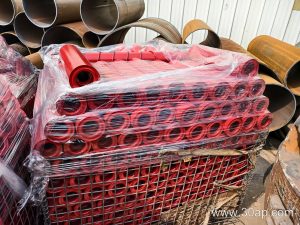
- Keep the conveyor pulley and idler roller alignment within tolerance, since a high-strength belt still wears fast when mistracked.
- Decide between open-end and endless supply; an endless conveyor belt saves a splice but complicates installation.
- Confirm whether the site needs anti-static properties, especially in dusty or gassy areas.
Installation and Care
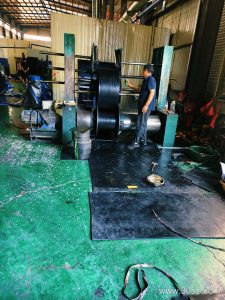
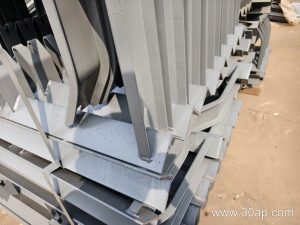
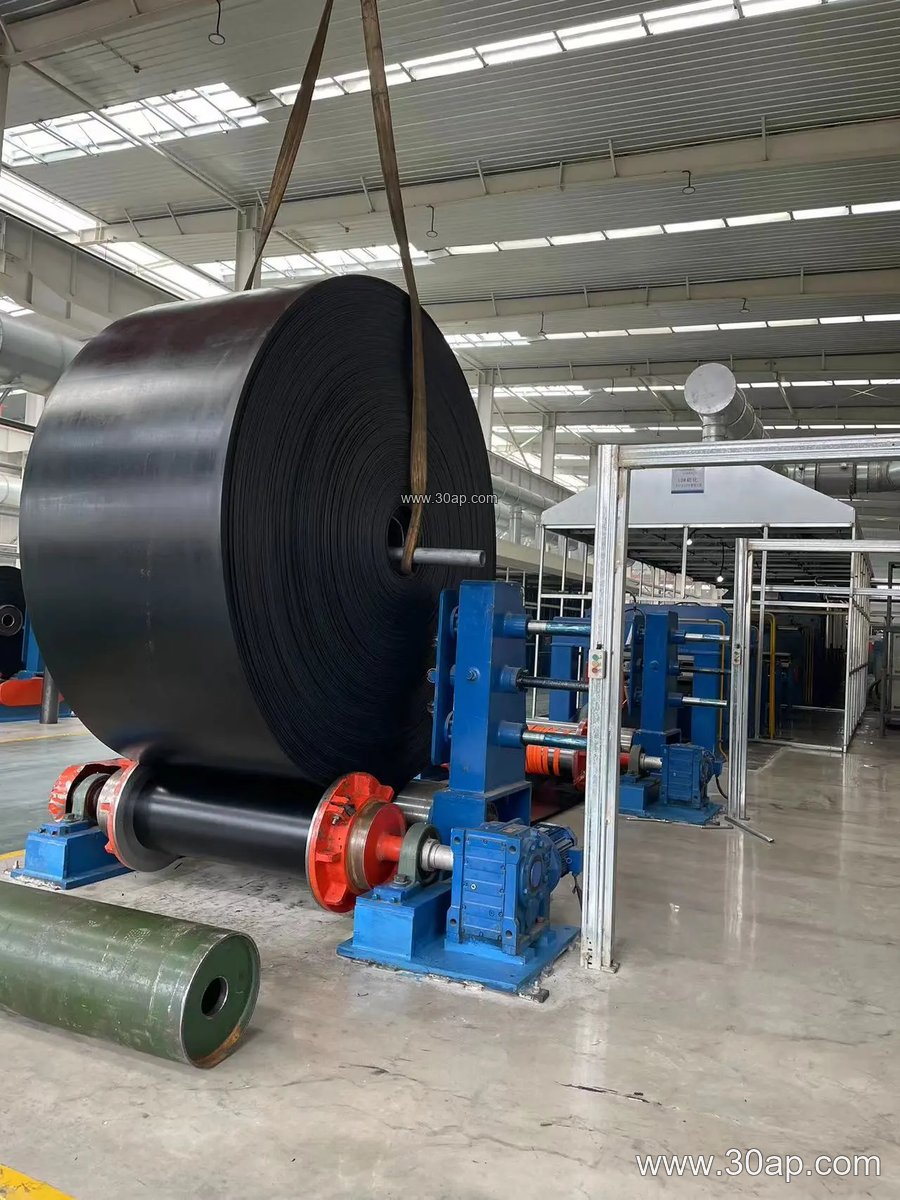
A belt of this class is heavy, so plan lifting points, splice access and take-up travel before delivery. Keep the conveyor bracket and frame square, check that all idler rollers turn freely, and inspect the conveyor pulley lagging for wear. Store spare rolls under cover, away from ozone sources and sharp edges. During running, watch for edge damage, cover gouges and splice lift; early repair prevents water from reaching the fabric core. With correct tracking and reasonable cover maintenance, an EP1500 belt can serve long campaigns in demanding plants.
Quick Reference Summary
For a buyer, the key facts are simple: this is a high-strength fabric core belt with a nominal 1500 N/mm ply rating, available in widths from around 800 mm to 1800 mm and beyond, with cover grades matched to the duty. It is not a steel cord belt, not an NN belt, and not a PVC solid-woven product. When the conveyor layout, material and safety rules are known, the belt specification follows naturally, and the right grade of rubber conveyor belt will keep the line running without surprises.