Choosing Between Hot-Dip Galvanized Steel and 304 Stainless for a Wet Outdoor Conveyor Bracket
For a wet outdoor conveyor bracket, the practical choice usually narrows to hot-dip galvanized carbon steel or 304 stainless steel. Galvanized costs less upfront and suits moderate splash; 304 resists chlorides and washdown but can double material spend. Match coating life to the bracket’s expected service interval and corrosion severity, not to the lowest quote.
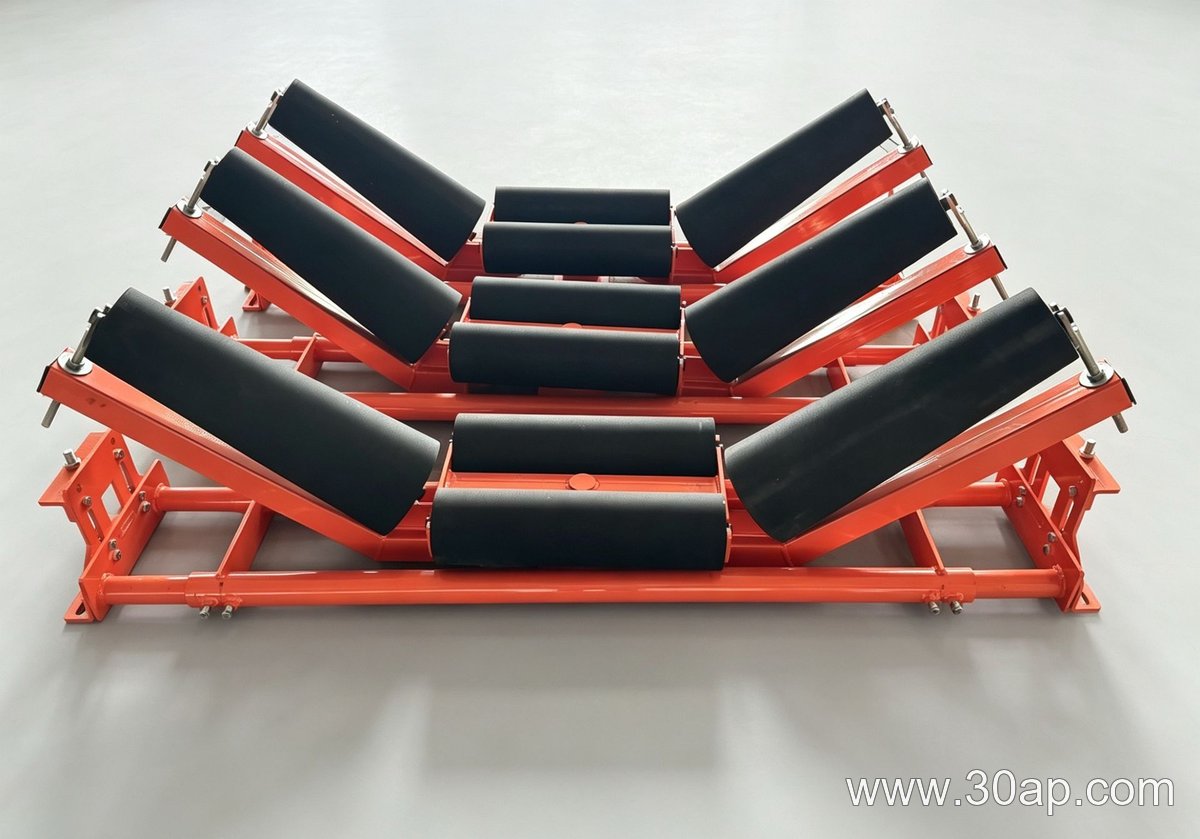
Trade-off checks before ordering
- Measure chloride exposure and standing water at the bracket base.
- Confirm bolt and weld compatibility with the chosen material.
- Compare replacement labor against the price gap.
Why Does a Cement Plant Prefer a Chevron Conveyor Belt on Steep Inclines
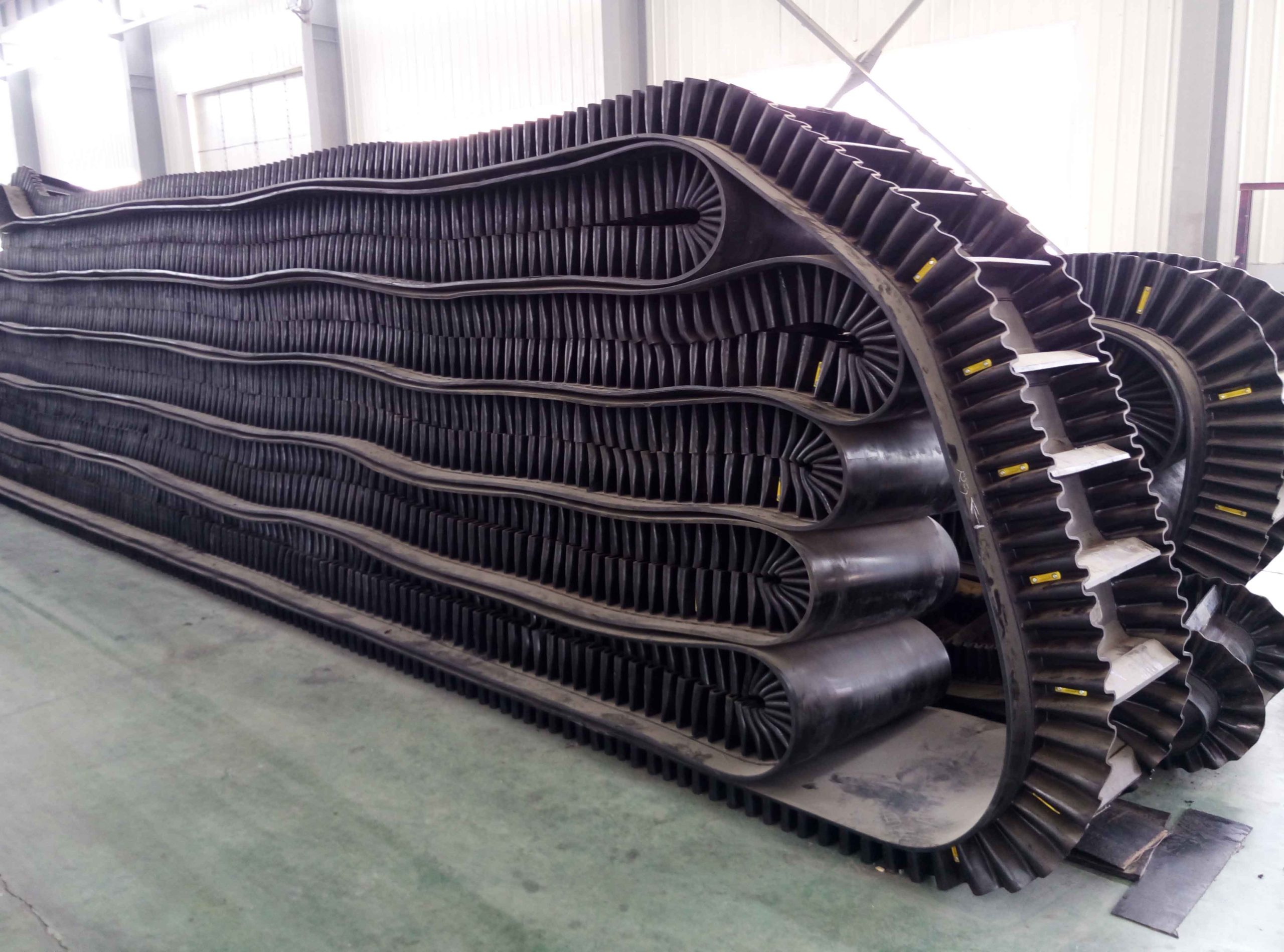
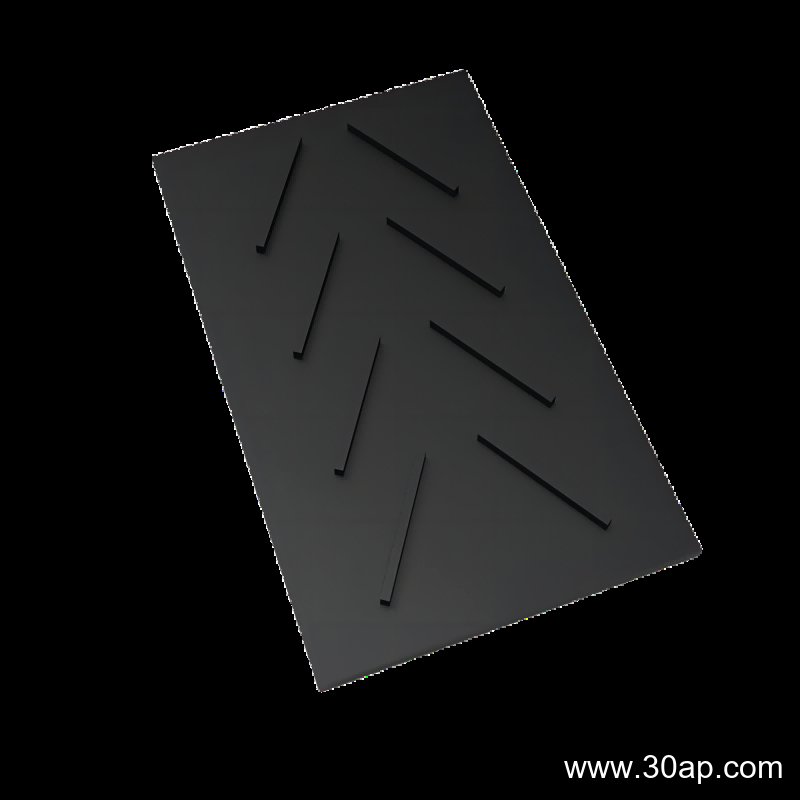
On a steep incline, a flat conveyor belt lets clinker or raw meal slide back, so a cement plant often turns to a chevron conveyor belt. This subtype features raised rubber ribs vulcanized onto the cover in a V or chevron pattern, typically with a fabric or steel-cord carcass. The ribs create pockets that hold material, allowing higher angles than a smooth belt. In a cement plant, a chevron conveyor belt may move crushed limestone or clinker up a slope where space is tight. The trade-off is that the ribs can interfere with skirtboards and need special cleaning. A flat belt is simpler and cheaper, but only for shallow angles. For steep lifts, the chevron conveyor belt earns its place.
A common misconception is that one-sided idler roller failure points to a bad roller. In reality, the roller often fails because the belt is not loading it evenly.
What the symptom usually looks like
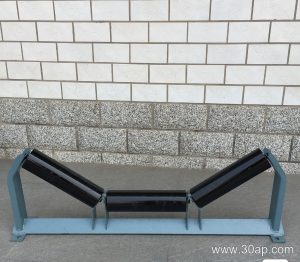
At a bulk port terminal, an idler roller on the seaward side may show seal leakage, a flat spot, or a seized bearing while the opposite roller runs normally. The belt may also track slightly off-center.
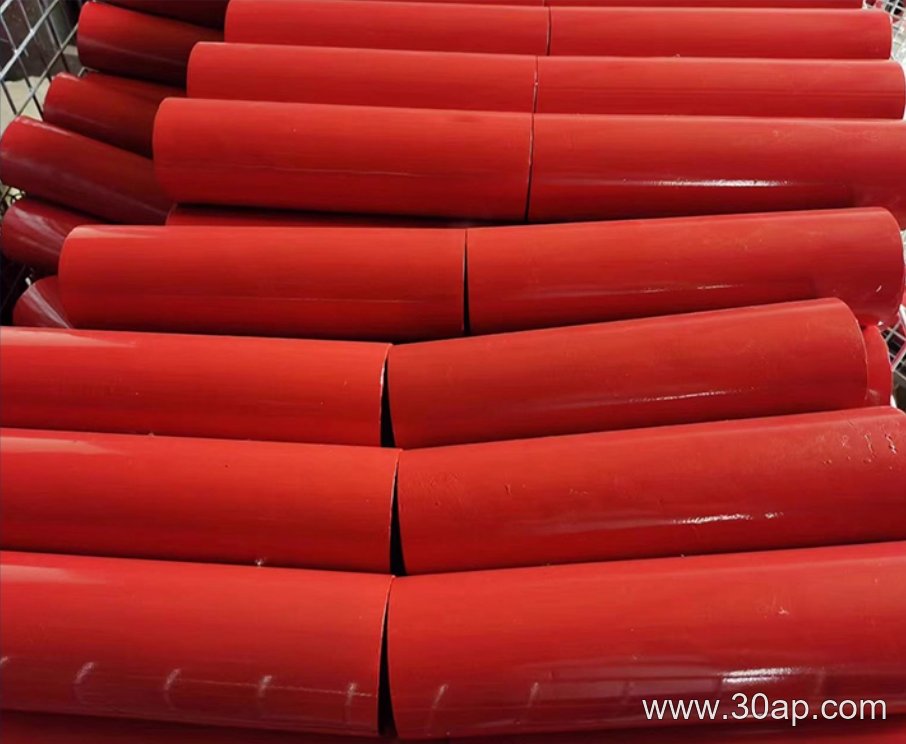
Distinguish the plausible causes
- Belt misalignment: The belt edge rides hard on one roller, adding side load and heat.
- Uneven loading: A chute or stacker discharge that favors one side overloads that idler roller.
- Frame twist: A twisted or sagging idler frame changes the contact angle on one roller.
- Material buildup: Sticky cargo on the shell increases effective diameter and pulls the belt.
Check alignment, loading pattern, and frame condition before replacing the idler roller again.
What Does Lagging Profile Really Change on a Wet Outdoor Conveyor Pulley
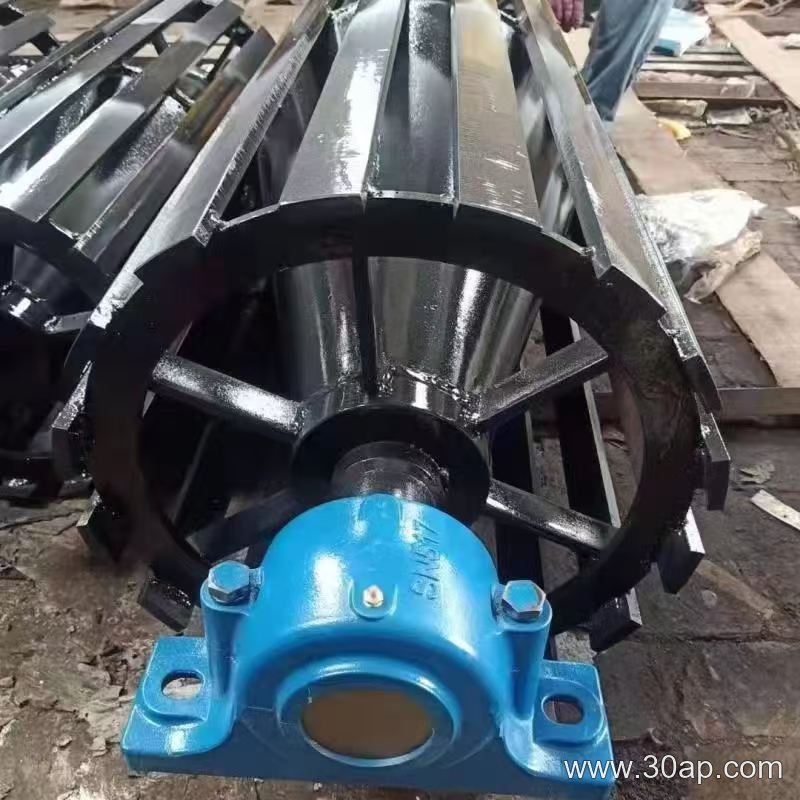
Lagging profile is the geometric pattern cut or molded into a conveyor pulley’s rubber cover. On a wet outdoor conveyor, it decides whether water escapes the nip or stays trapped as a film between belt and shell.
Why the Term Matters to an Engineering Decision
Flat lagging offers maximum contact area, which suits dry, high-torque drives. Grooved or herringbone lagging provides channels that expel water and fines. The trade-off is reduced contact area and slightly faster wear at the groove edges.
- Choose flat lagging when the belt is dry and slip risk is low.
- Choose grooved lagging when standing water or slurry is expected.
- Match groove depth and spacing to belt speed and load, not to habit.
For a hypothetical wet outdoor conveyor, verify the pulley’s lagging hardness and groove pattern against the actual water condition before specifying the drive.