What a 1250mm Diameter Conveyor Pulley Is
A 1250mm diameter conveyor pulley is a large-diameter drum used to drive, redirect, or tension the belt in heavy-duty bulk handling systems. At this size, the pulley is typically a drive pulley or head pulley working with a wide, high-tension conveyor belt. The large shell diameter reduces bending stress in the belt carcass and improves wrap contact, which matters when the conveyor carries abrasive rock, ore, or clinker over long distances.
In practice, the 1250mm diameter conveyor pulley is a fabricated steel drum with a machined shell, welded end discs, a shaft, and bearing housings mounted on a sturdy conveyor bracket or frame. It is often specified for main haulage lines in iron ore mines, copper concentrators, limestone quarries, and power plant coal handling, where reliability and belt life outweigh the extra weight and cost of a bigger drum.
Construction Details That Matter
Shell thickness, end disc design, and shaft diameter are determined by the belt tension and torque, not by belt width alone. A common arrangement for this size class includes:
- Rolled and welded steel shell, sometimes stress-relieved before machining
- Keyed or shrink-fit shaft connection, with shaft diameters commonly ranging from Ø160 to Ø200 and above, confirmed by torque calculation
- Self-aligning spherical roller bearings in sealed housings
- Lagging applied as plain rubber, diamond grooved rubber, or ceramic tiles, usually 10 to 20 mm thick
The face width usually exceeds the belt width to allow for belt tracking. For example, a pulley serving a B1400 or B1600 belt would have a face around 1600 to 1800 mm, while a B1800 system may use a face near 2000 mm. These are typical reference values, not fixed pairings.
Where This Size Fits in a Conveyor
A 1250mm diameter conveyor pulley is most often installed as a drive or head pulley at the discharge end of a main line. It can also serve as a tail pulley or tension pulley on high-capacity systems, but drive, tail, and bend pulleys are not interchangeable roles. A bend pulley is normally much smaller and only changes belt direction, while a tail pulley may be smaller and lighter than the head drive drum.
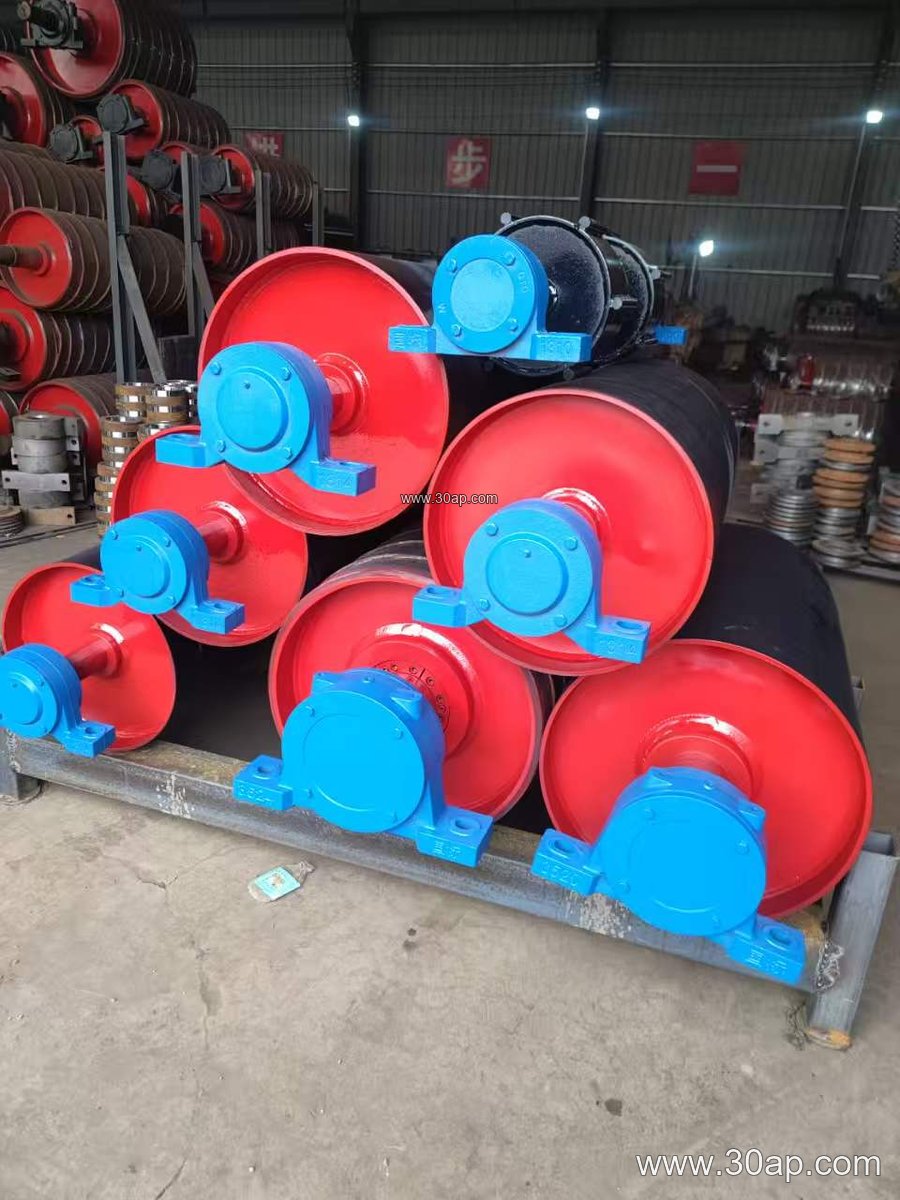
Typical duty locations include:
- Primary crushing and overland haulage in an iron ore or copper ore mine
- Raw material intake and clinker transport in a cement plant
- Coal yard and boiler feed lines in a power station
- Ship loading and stockyard conveyors at a bulk terminal
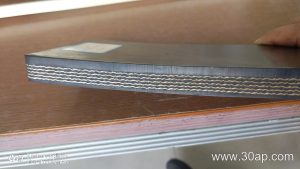
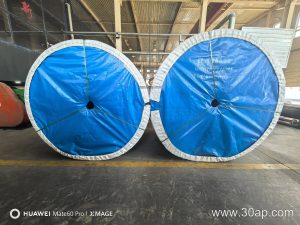
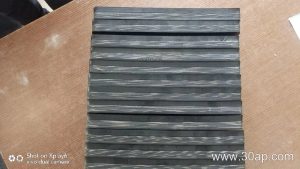
The large drum pairs well with heavy-duty conveyor belt constructions such as steel cord conveyor belt, EP conveyor belt, and abrasion resistant conveyor belt. On inclined sections, a chevron conveyor belt or corrugated sidewall conveyor belt may be used, and the pulley lagging should be selected to match the belt surface and the required friction.
Matching the Pulley to the Belt System
Belt width and pulley diameter are related but not locked together. A B1200 belt can run on a Ø1000 pulley in one plant and a Ø1250 pulley in another, depending on tension, belt construction, and space. The table below shows common reference combinations for planning discussion only.
- B1000 belt with Ø800 to Ø1000 pulley, face about 1150 mm
- B1200 belt with Ø1000 to Ø1250 pulley, face about 1400 mm
- B1400 belt with Ø1250 to Ø1400 pulley, face about 1600 mm
- B1600 belt with Ø1250 to Ø1600 pulley, face about 1800 mm
Shaft diameter is calculated from torque and radial load. Do not assume a shaft size from belt width. A Ø1250 drum on a B1200 conveyor may use a Ø160 shaft, while a heavier B1800 line may require Ø200 or larger.
Buyer Checklist
When ordering a 1250mm diameter conveyor pulley, confirm the following:
- Duty position: drive, tail, or tension, and the required wrap angle
- Belt width, belt type, and maximum working tension
- Lagging type and thickness, plus groove pattern if needed
- Shaft diameter, keyway, and bearing housing dimensions
- Balancing grade and painting or corrosion protection
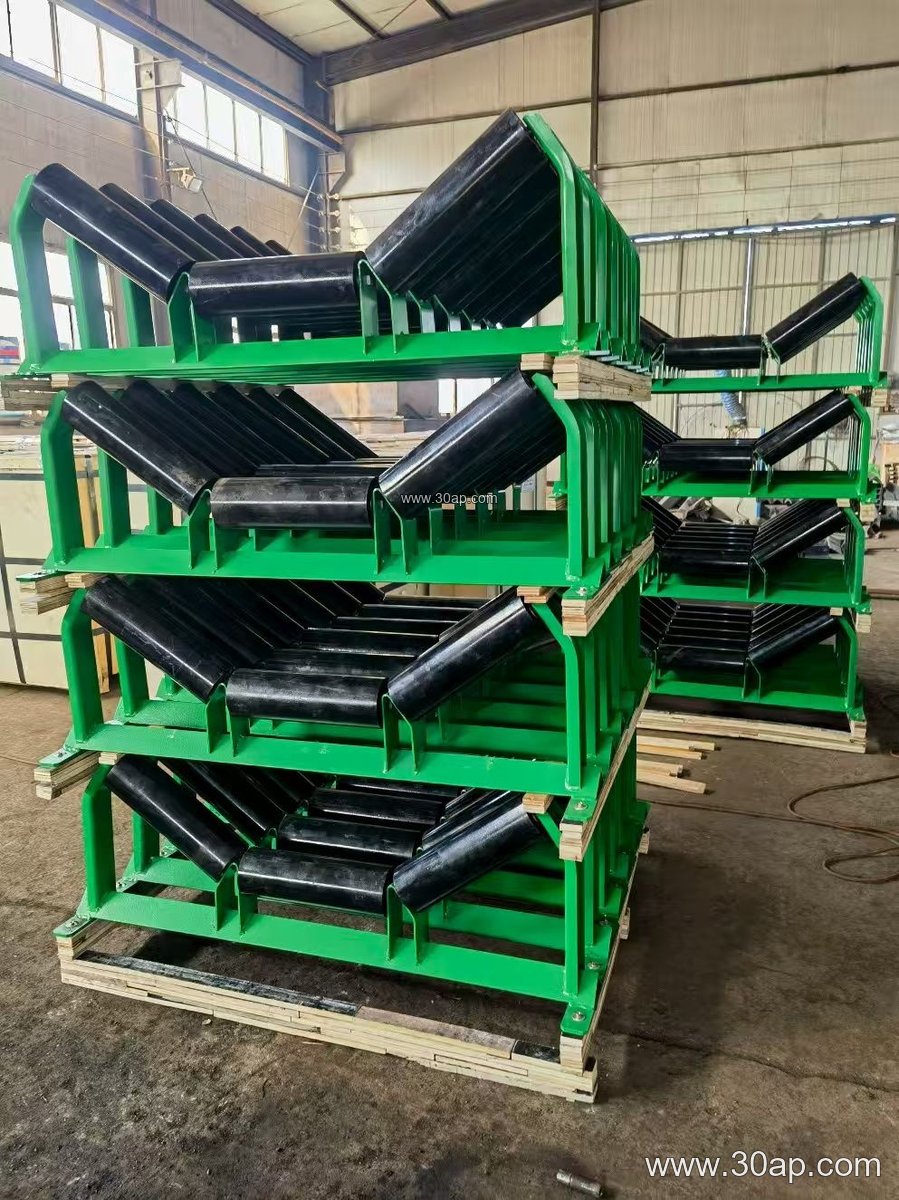
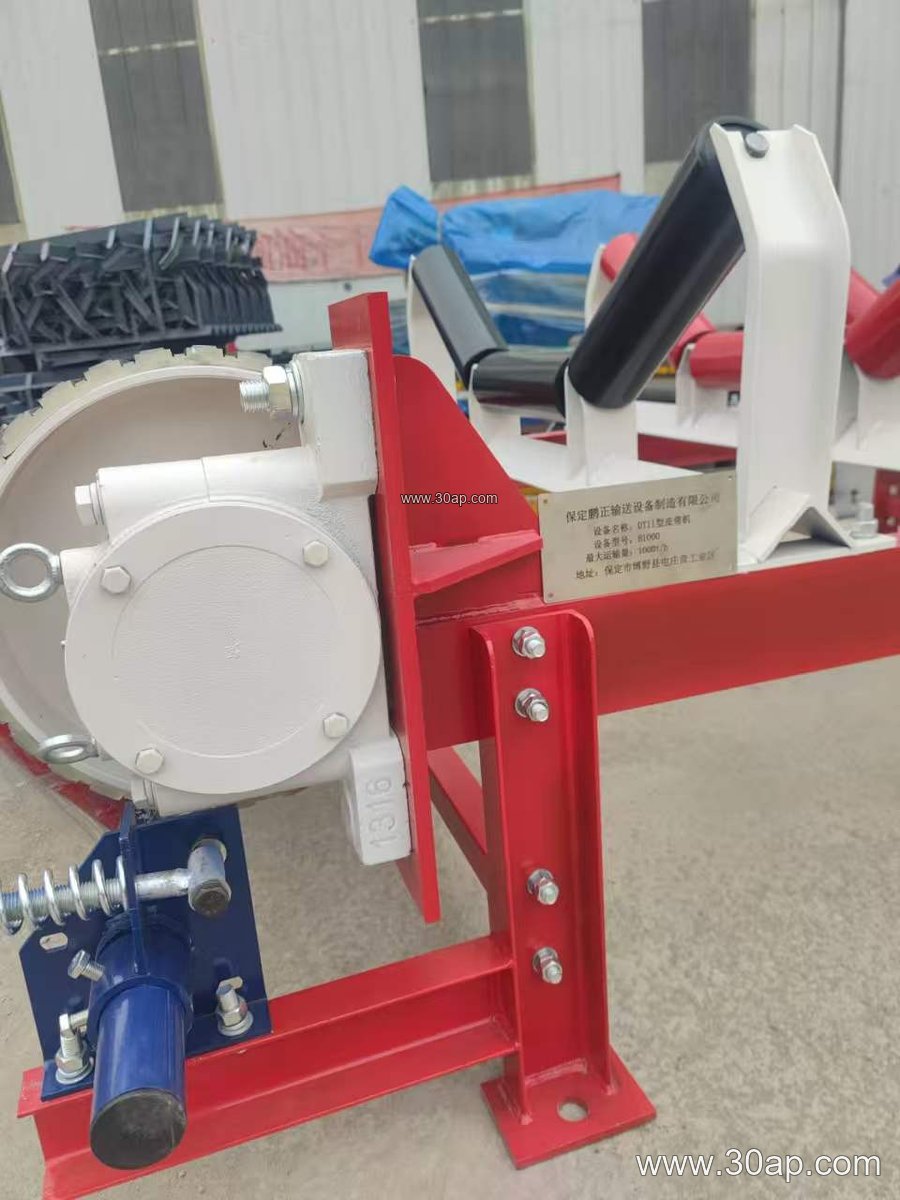
- Compatibility with nearby idler roller and conveyor bracket dimensions
Also check that the pulley can be removed through the available access space. Large drums are heavy, and lifting points, bearing access, and alignment tolerances should be agreed before delivery. For a system using a mining conveyor belt or a high strength conveyor belt, the pulley specification should be reviewed together with the belt supplier so that the drum, lagging, and belt edge condition work as one system.
For more conveyor pulley and belt information, visit example.com/conveyor-pulley and example.com/conveyor-belt.