What an Oil Resistant Conveyor Belt Is
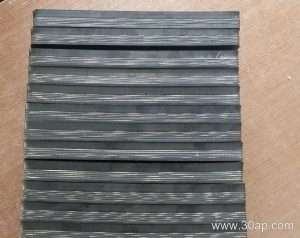
An Oil Resistant Conveyor Belt is a rubber conveyor belt designed to resist swelling, hardening, and cracking when it carries materials containing mineral oils, vegetable oils, animal fats, or certain chemical residues. In practice, this oil resistant conveyor belt is often specified for plants that handle oily scrap, coated parts, wood chips with oil content, or food-processing streams where grease is present. The same product is also known as an oil-resistant rubber belt or oil-proof conveyor belt, and these names refer to the same oil resistant conveyor belt.
Because oil attack can shorten belt life quickly, the cover compound and the fabric core both matter. A common construction uses an oil-resistant rubber cover over an EP conveyor belt or NN conveyor belt carcass, depending on the required tensile strength and load support. This is not a replacement for a heat resistant conveyor belt or a flame retardant conveyor belt; those are separate subtypes with different compound priorities.
Construction and Compound Choices
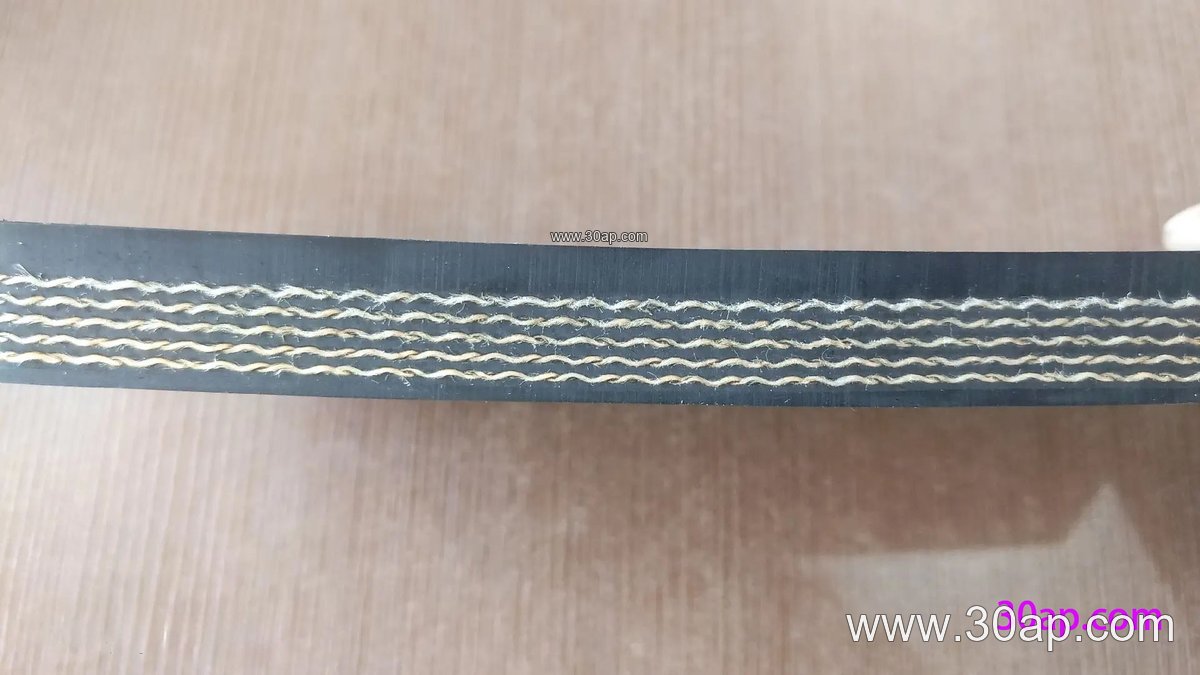
The oil resistant conveyor belt usually combines an oil-resistant top cover, an oil-resistant bottom cover, and a fabric core. The cover protects the carcass from oil penetration, while the core carries the tension. Common cover thickness combinations include 3+1.5 mm, 4+2 mm, 5+2 mm, and 6+2 mm, with heavier builds such as 8+3 mm available for harsh duty. The carcass may be 2 to 6 plies, and strength grades such as EP200, EP400, EP630, EP800, and EP1000 are frequently referenced in project specifications.
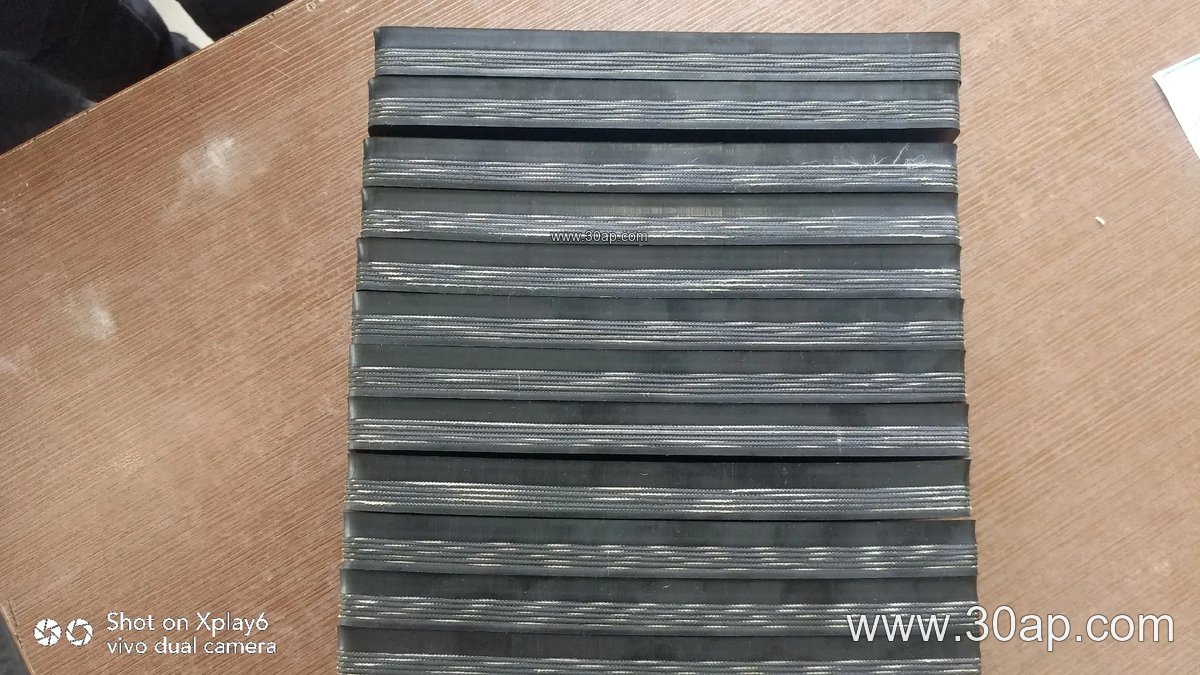
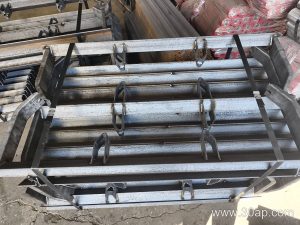
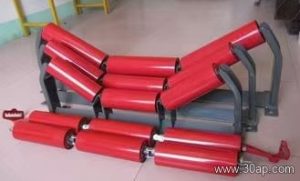
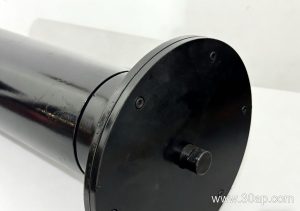
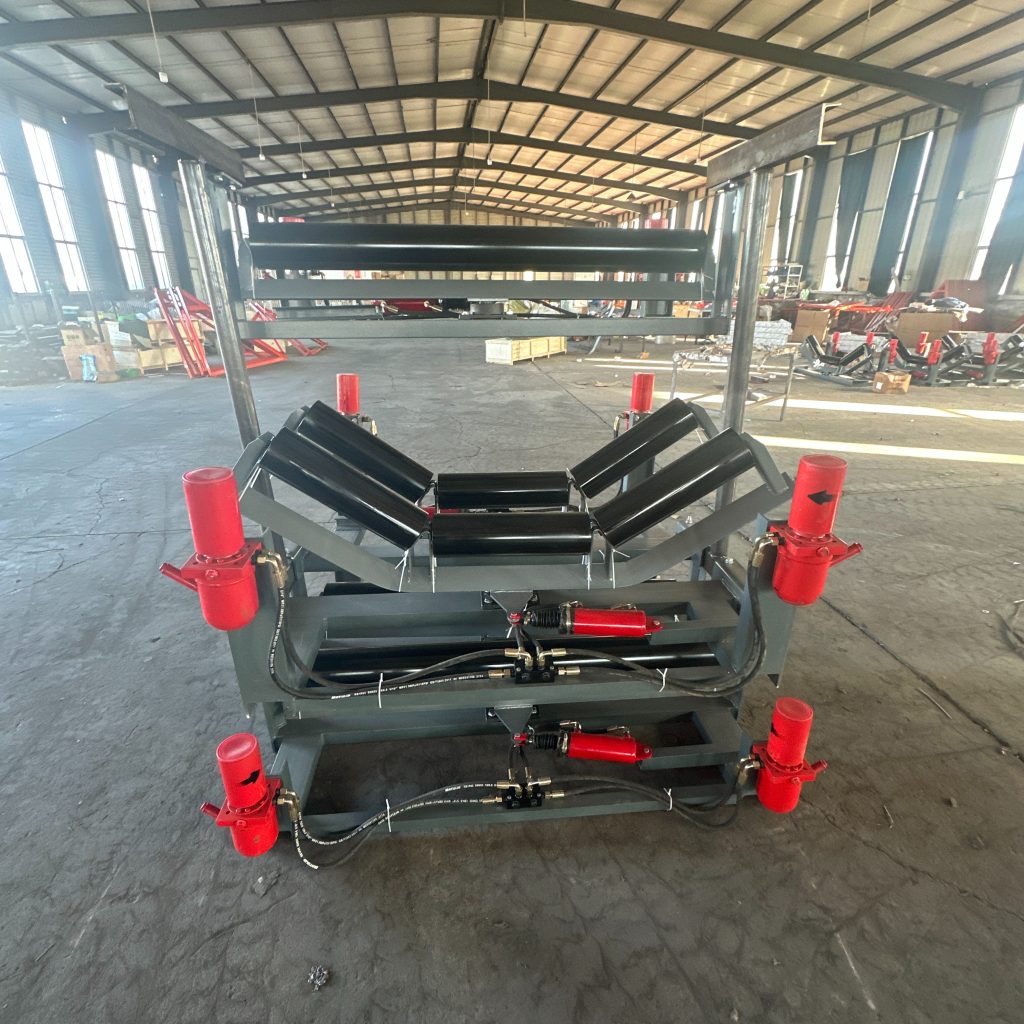
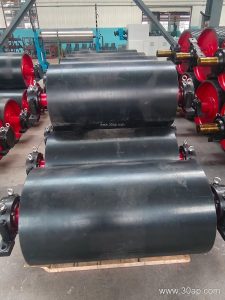
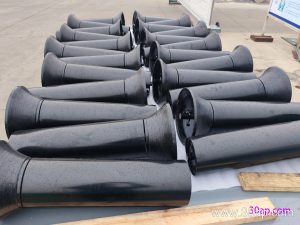
For wider belts, common widths include B500, B650, B800, B1000, B1200, B1400, B1600, and B1800. A belt width does not dictate a single pulley diameter; drive pulley, tail pulley, and bend pulley sizing must be matched to the belt construction and conveyor design. Likewise, idler roller spacing and conveyor bracket selection follow the load and troughing requirements, not just the belt width.
Where This Belt Fits in the Plant
Oil resistant conveyor belts appear in recycling lines, metalworking shops, scrap yards, food processing plants, and some chemical handling areas. In a cement plant, they may be used where oily equipment parts or lubricant-contaminated material is present, though the main raw material stream usually calls for an abrasion resistant conveyor belt. In a coal mining conveyor belt system, oil resistance is less common than flame retardant conveyor belt or anti-static conveyor belt properties, but oil-resistant covers can be relevant in workshop and maintenance conveyors.
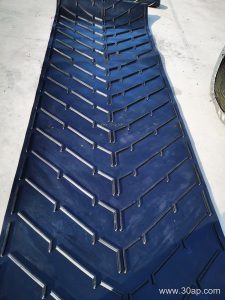
Other industries that may use this belt include power plants, ports, and sand and gravel plants where greasy scrap or oil-soaked components are moved. The belt can run on standard idler rollers and conveyor pulleys, and it can be supported by conventional conveyor brackets. Where a Chevron conveyor belt or corrugated sidewall conveyor belt is needed for incline or material containment, oil resistance is usually considered as an additional cover property rather than a substitute for those profile types.
Specification Reference Table
The values below are common reference points, not fixed universal specifications or supply promises. Final selection depends on the conveyor design, material, and manufacturer.
| Parameter | Common Reference Range |
|---|---|
| Strength grade | EP200, EP400, EP630, EP800, EP1000, EP1250 |
| Belt width | B500, B650, B800, B1000, B1200, B1400, B1600 |
| Cover thickness | 3+1.5 mm, 4+2 mm, 5+2 mm, 6+2 mm, 8+3 mm |
| Carcass plies | 2 to 6 plies |
| Core type | EP fabric core, NN fabric core |
Buyer Checklist
- Confirm the oil type and exposure level; vegetable oil, mineral oil, and solvent residues behave differently.
- Check whether flame retardant or anti-static properties are also required for the conveyor.
- Review cover thickness and carcass strength together; a thick cover does not replace a suitable core.
- Match belt width to the conveyor frame, idler roller arrangement, and pulley face width.
- Ask for the oil resistance test method and compound data rather than relying on the product name alone.
- Consider maintenance access to conveyor brackets and pulleys so belt replacement does not become a bottleneck.
For more details on compatible conveyor components, visit www.example.com/conveyor-belt or www.example.com/oil-resistant-conveyor-belt. When comparing options, keep the oil resistant conveyor belt as the main subject and use other subtypes only for specific comparisons.