What a Sand Making Plant Conveyor Belt Does
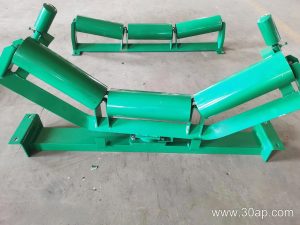
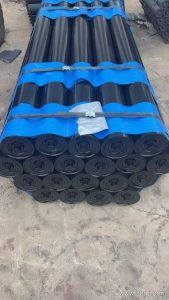
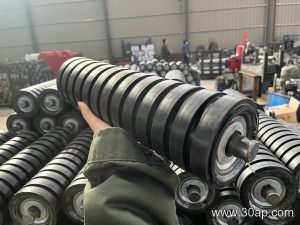
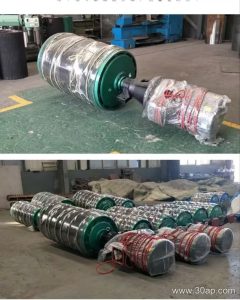
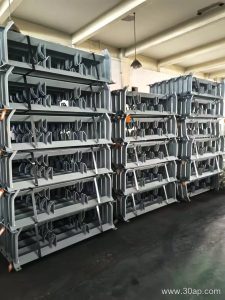
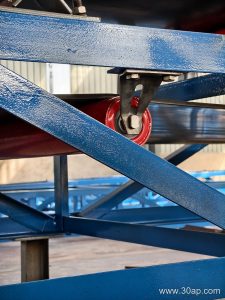
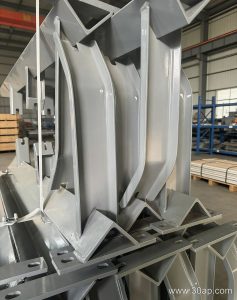
In a sand making plant, material moves continuously from crushers to screens and stockpiles. The sand making plant conveyor belt is the load-bearing element that carries crushed stone, manufactured sand, and screened aggregate across inclined and horizontal runs. It works alongside idler rollers, conveyor pulleys, and conveyor brackets, but the belt itself determines how well the system handles abrasive, dusty, and sometimes wet material.
A common equivalent name is the aggregate conveyor belt. Both refer to the same product category: a rubber-covered, fabric- or steel-reinforced belt used in bulk material handling. The term does not change the construction or the selection rules.
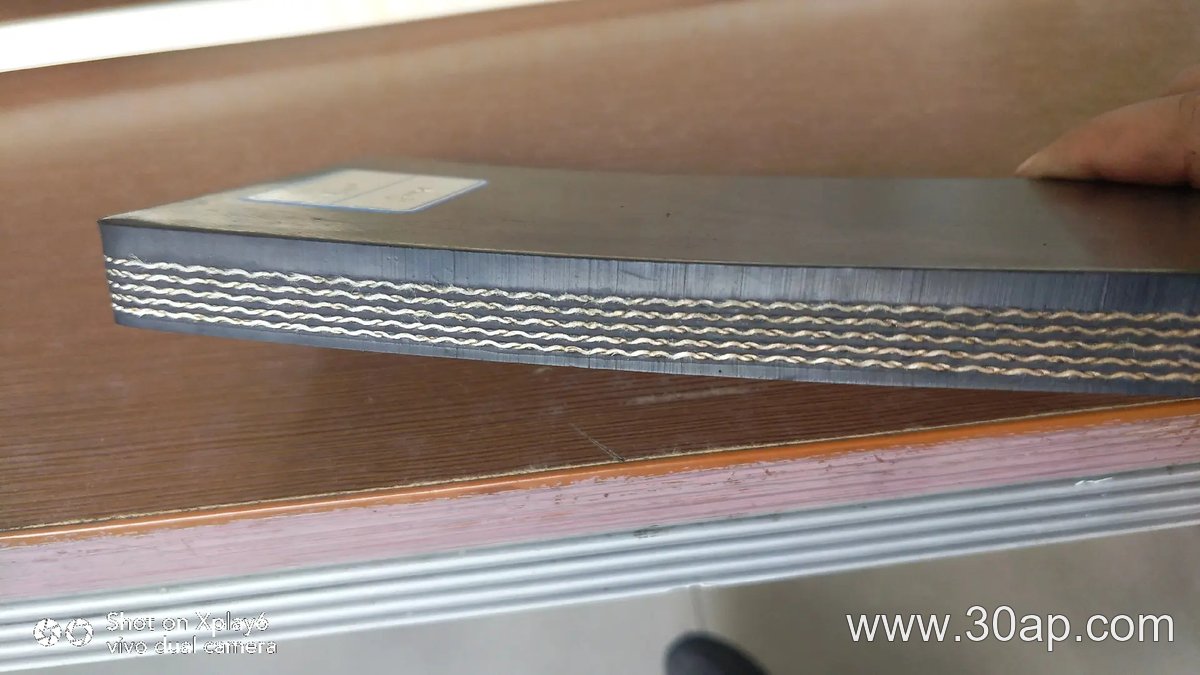
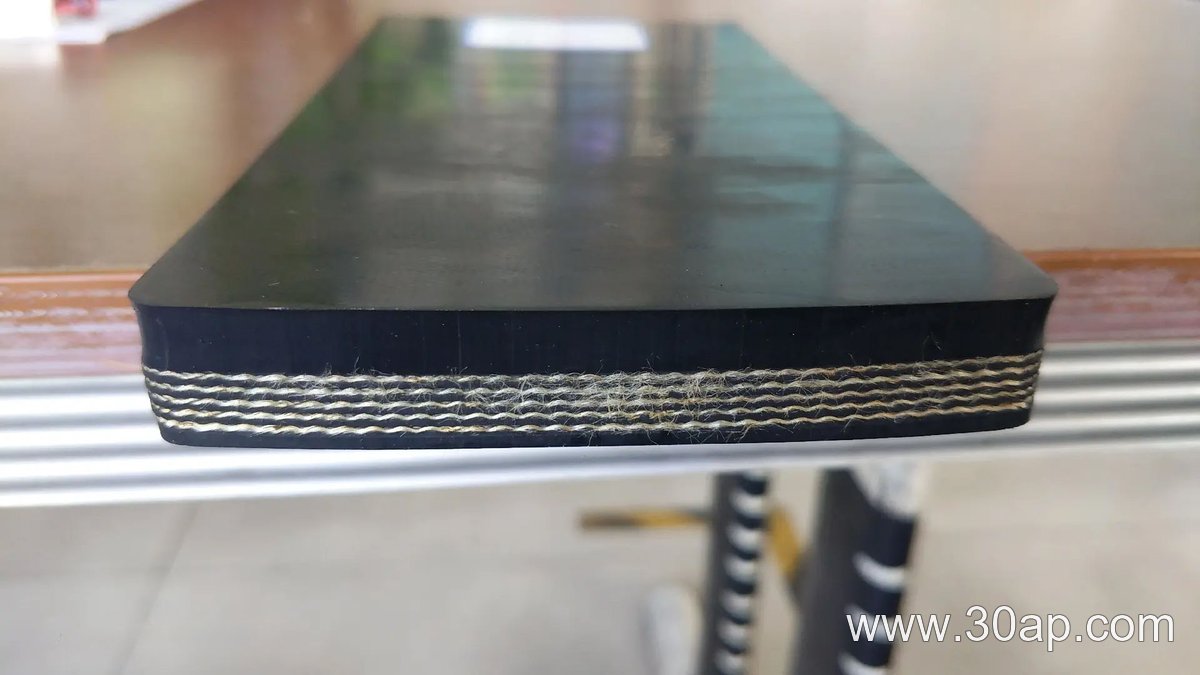
Construction and Common Specifications
The belt is built from a carcass and rubber covers. The carcass provides tensile strength and troughability, while the top cover resists abrasion and the bottom cover protects against wear from idlers and pulleys. For sand making, abrasion resistance is usually the first concern because sharp quartz and granite particles cut into soft rubber quickly.
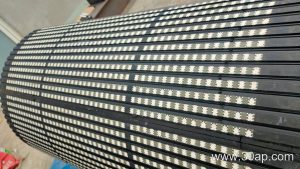
Typical carcass types include EP conveyor belt, NN nylon conveyor belt, and steel cord conveyor belt. EP and NN are common in medium-duty sand plants; steel cord is chosen for very long, high-tension runs. Cover grades may be wear-resistant, heat-resistant, oil-resistant, flame-retardant, antistatic, cold-resistant, or acid-alkali resistant. Patterned surfaces such as chevron or herringbone can help on steep inclines, while corrugated sidewall belts are used where material must be contained on a steep angle.
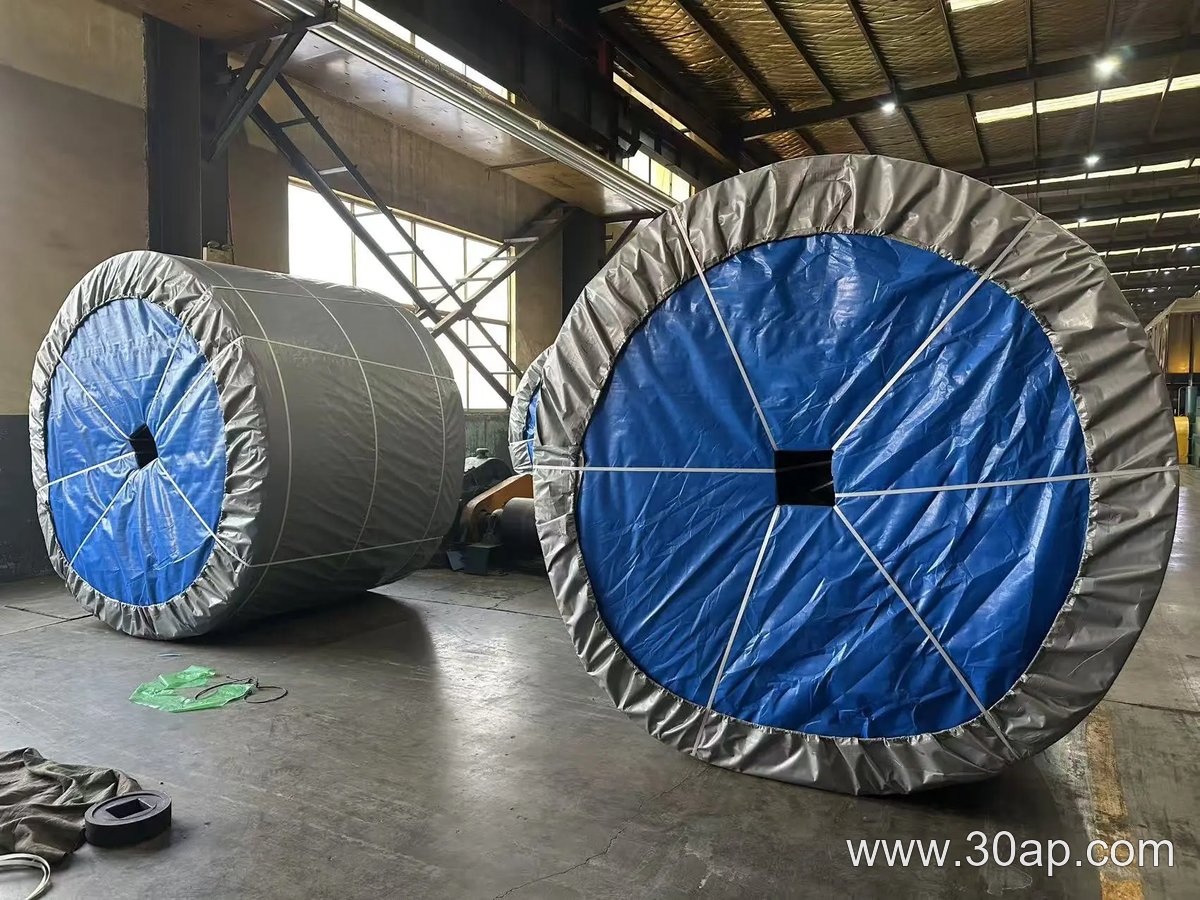
Strength ratings are often expressed as EP200, EP315, EP400, EP500, EP630, EP800, EP1000, EP1250, EP1600, or EP2000. Belt width may be B500, B650, B800, B1000, B1200, B1400, B1600, B1800, or B2000. Cover thickness is commonly given as 3+1.5, 4+2, 5+2, 6+2, or 8+3 mm, and the fabric carcass usually has 2 to 6 plies. These values are reference data, not universal guarantees; the final choice depends on the conveyor design and operating conditions.
Reference Parameters for Sand Plant Belts
| Parameter | Common Range or Examples |
|---|---|
| Carcass type | EP, NN nylon, steel cord |
| Tensile strength | EP200 to EP2000 |
| Belt width | B500 to B2000 |
| Cover thickness | 3+1.5, 4+2, 5+2, 6+2, 8+3 mm |
| Number of plies | 2 to 6 |
| Surface form | Smooth, chevron, herringbone, corrugated sidewall |
Where It Is Used Across Industries
Although the main subject is the sand making plant conveyor belt, the same belt type appears in mines, coal preparation plants, cement plants, power stations, and quarry aggregate yards. In a sand and gravel yard, it often runs from a vertical shaft impact crusher to a vibrating screen, then to a sand washer or stockpile. In a cement plant, it may feed raw material or clinker. In a coal mine, flame-retardant and antistatic grades are typical. The belt must match the material: hot clinker needs heat resistance, oily material needs oil resistance, and outdoor winter operation may call for cold resistance.
Selection and Maintenance Notes
Buyers should not assume that one belt width matches one pulley diameter. Belt width, pulley diameter, shaft size, and idler spacing are separate design decisions. The conveyor pulley and idler roller layout, together with the conveyor bracket positions, affect belt training and load support. A wider belt may need larger pulleys and more idlers, but the exact relationship comes from the conveyor designer, not from a simple table.
- Check the top cover thickness against material abrasiveness.
- Confirm whether the belt needs flame retardancy or antistatic properties.
- Review the maximum lump size and drop height to avoid impact damage.
- Keep idlers turning freely and align pulleys to reduce edge wear.
- Repair small cuts before they reach the carcass.
For a sand making plant conveyor belt, the practical goal is a belt that carries the rated tonnage without excessive stretch, edge damage, or cover wear. Work with the conveyor designer and belt supplier to match carcass, cover, width, and surface form to the actual duty. A belt that is correctly specified for the sand plant will usually outlast a general-purpose belt used in the same position.