Why Water Changes Conveyor Belt Traction
Rain turns a conveyor belt surface into a low-friction film. The challenge is not the belt alone but the interface between belt, material, and pulleys.
How Conveyor Belt Design Integrates into the Solution
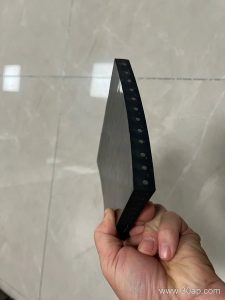
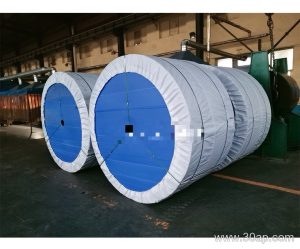
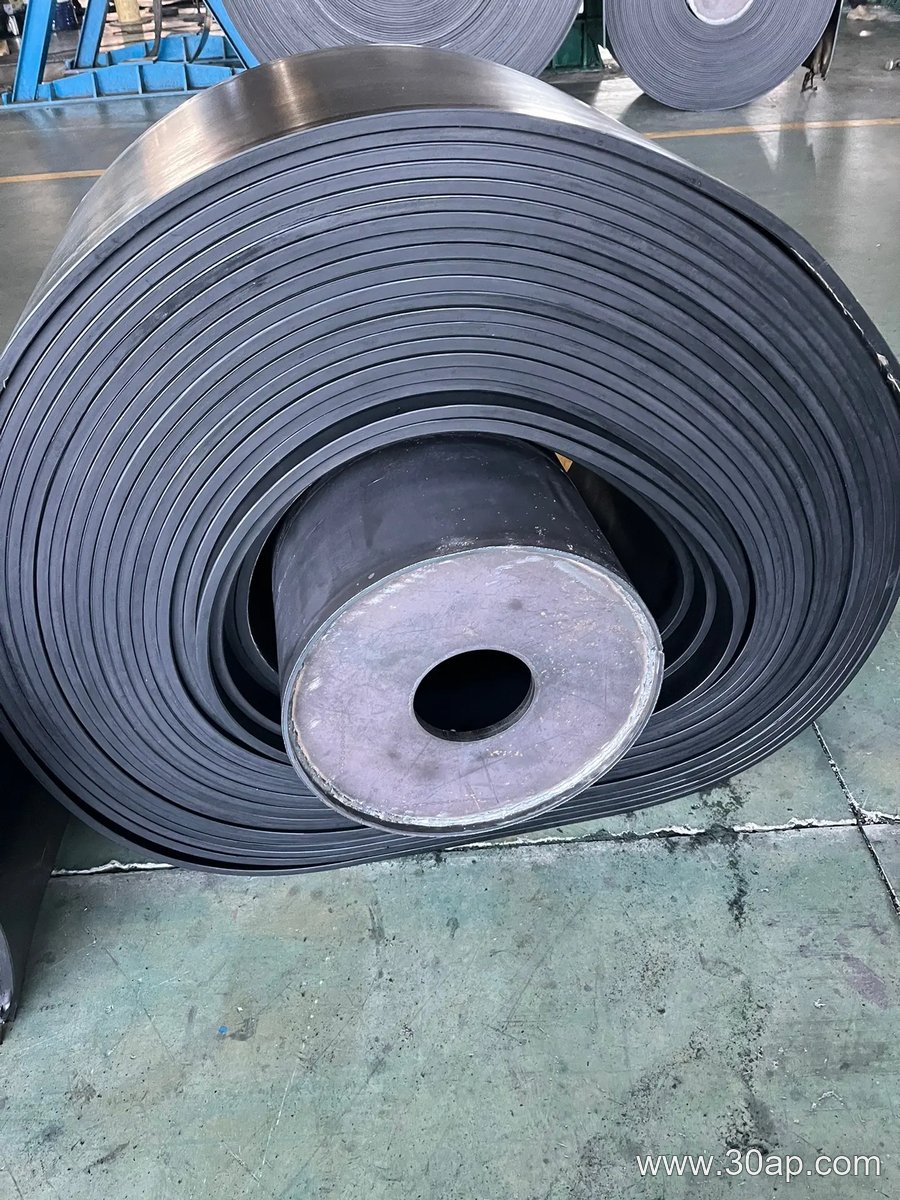
For wet outdoor service, specify a conveyor belt with a rubber cover that resists hydrolysis and maintains grip. Add lagging and scrapers. A conveyor belt with a rough top or cleated pattern can help on inclines. The trade-off is higher wear and cleaning difficulty.
Practical Checks
- Confirm cover grade for wet conditions.
- Verify pulley lagging compatibility.
- Test splice integrity after saturation.
Hypothetical example: a 1,000 mm wide conveyor belt on a 12° incline in steady rain. Without lagging, slip occurs; with a hydrolysis-resistant cover and grooved lagging, the belt maintains grip.
Why the Bearing Housing Fit Matters on a Dusty Quarry Idler Roller
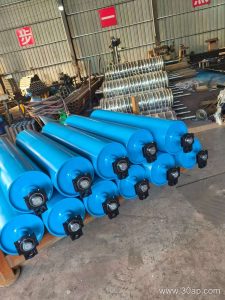
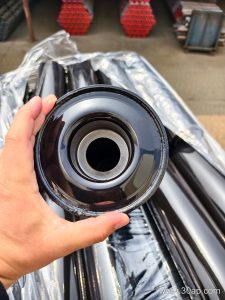
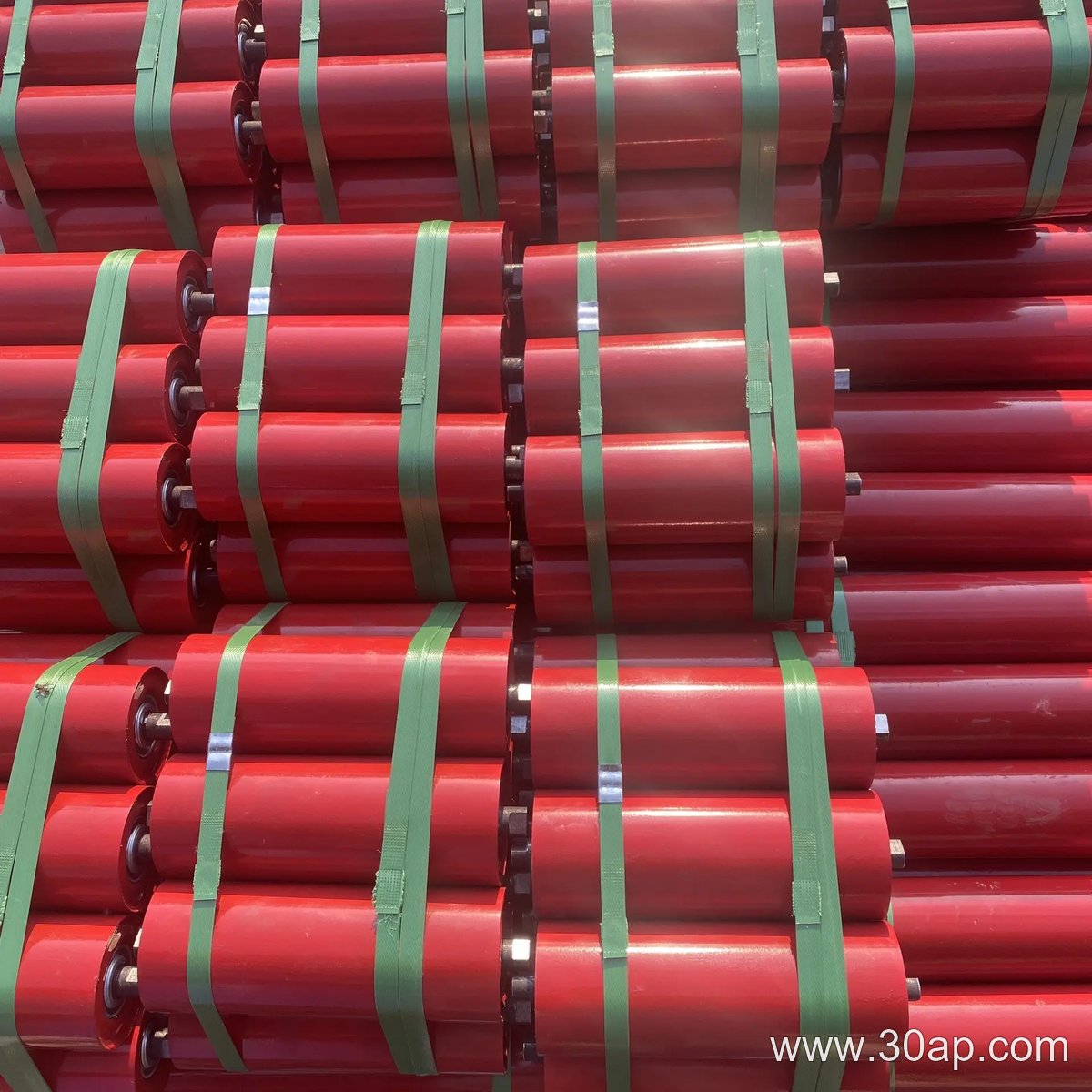
A quarry conveyor exposes every idler roller to fine grit that works into the smallest gaps. The decisive term is the housing fit, meaning the clearance between the bearing outer race and the idler roller end bore. A press fit closes that path. A loose fit leaves a migrating dust channel.
How Fit Choice Changes the Engineering Decision
An interference fit holds the bearing square and blocks dust, but demands tighter bore tolerances and press tooling. A slip fit eases field replacement yet relies on seals alone. For a dusty quarry, specify interference and pair it with a labyrinth seal. Verify bore tolerance, bearing OD, and seal type before ordering an idler roller.
Corrosion Resistance for a Wet Outdoor Conveyor Pulley
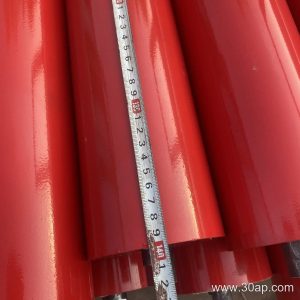
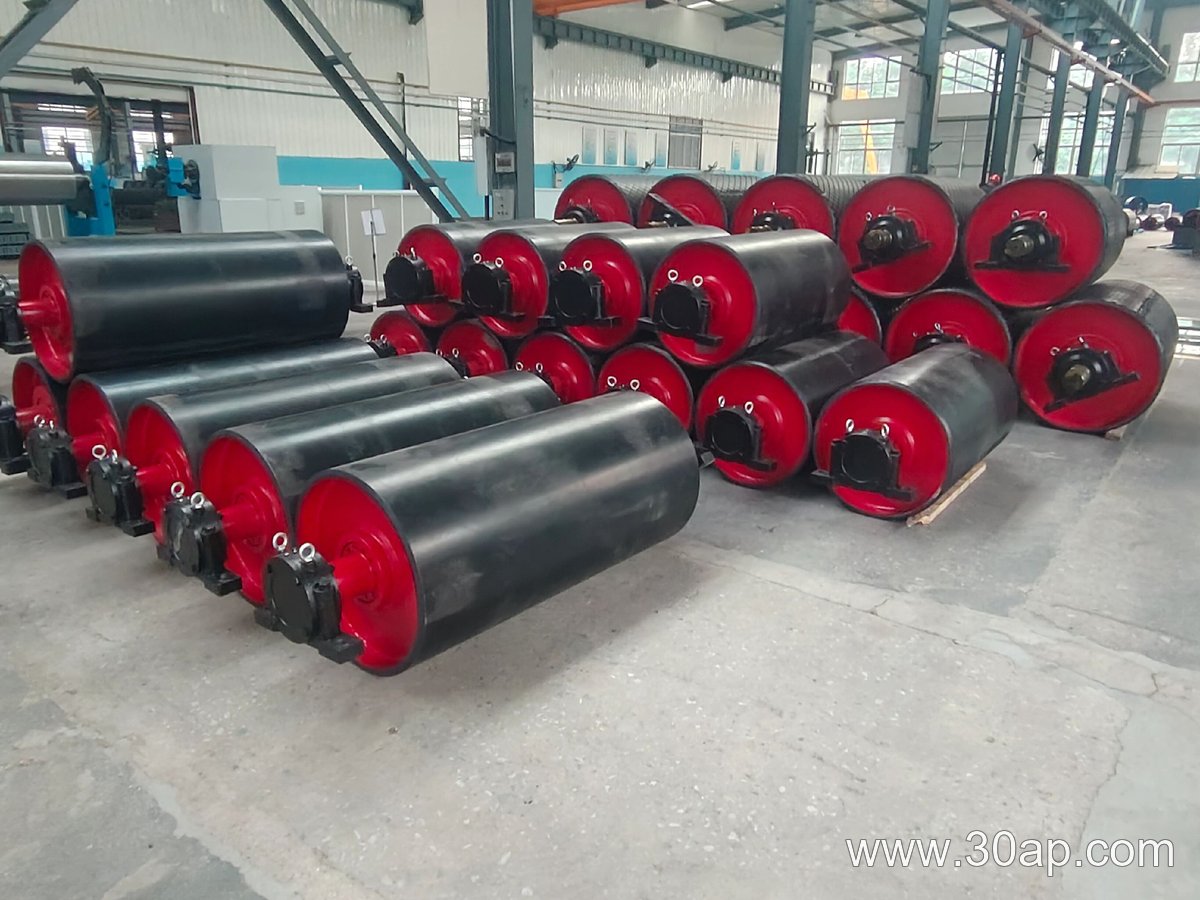
A wet outdoor conveyor pulley faces constant moisture, temperature swings, and abrasive slurry. Corrosion resistance determines whether the shell and end discs survive years of service or fail early at welds.
Material and Coating Choices
Stainless steel shells resist rust but cost more and can gall against certain lagging. Carbon steel with a thick epoxy or zinc-rich primer offers a practical balance. For the shaft, consider 316 stainless or a nitrided carbon steel when chlorides are present.
Lagging and Drainage
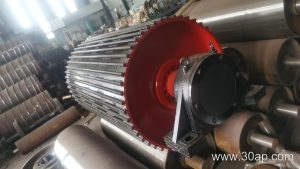
Rubber lagging protects the shell from water and abrasion while maintaining grip. Ensure the pulley includes drain holes to prevent internal water accumulation. Sealed bearings and labyrinth seals keep moisture out of the hub.
Checks for Specifying a Corrosion-Resistant Conveyor Pulley
- Verify coating thickness and surface preparation standard.
- Confirm lagging bond strength after immersion testing.
- Review weld details for crevice corrosion risk.
- Select fasteners and locking elements in compatible alloys.
By matching materials and protective finishes to the wet environment, a conveyor pulley can deliver reliable traction without premature corrosion.
Matching a Conveyor Bracket to Cement Plant Conditions
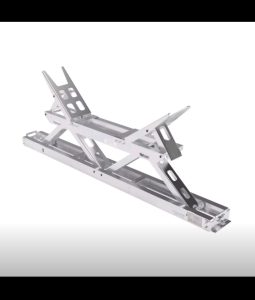
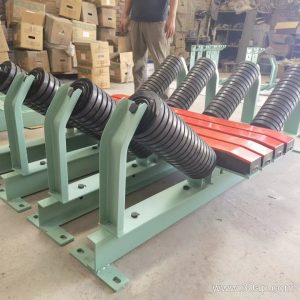
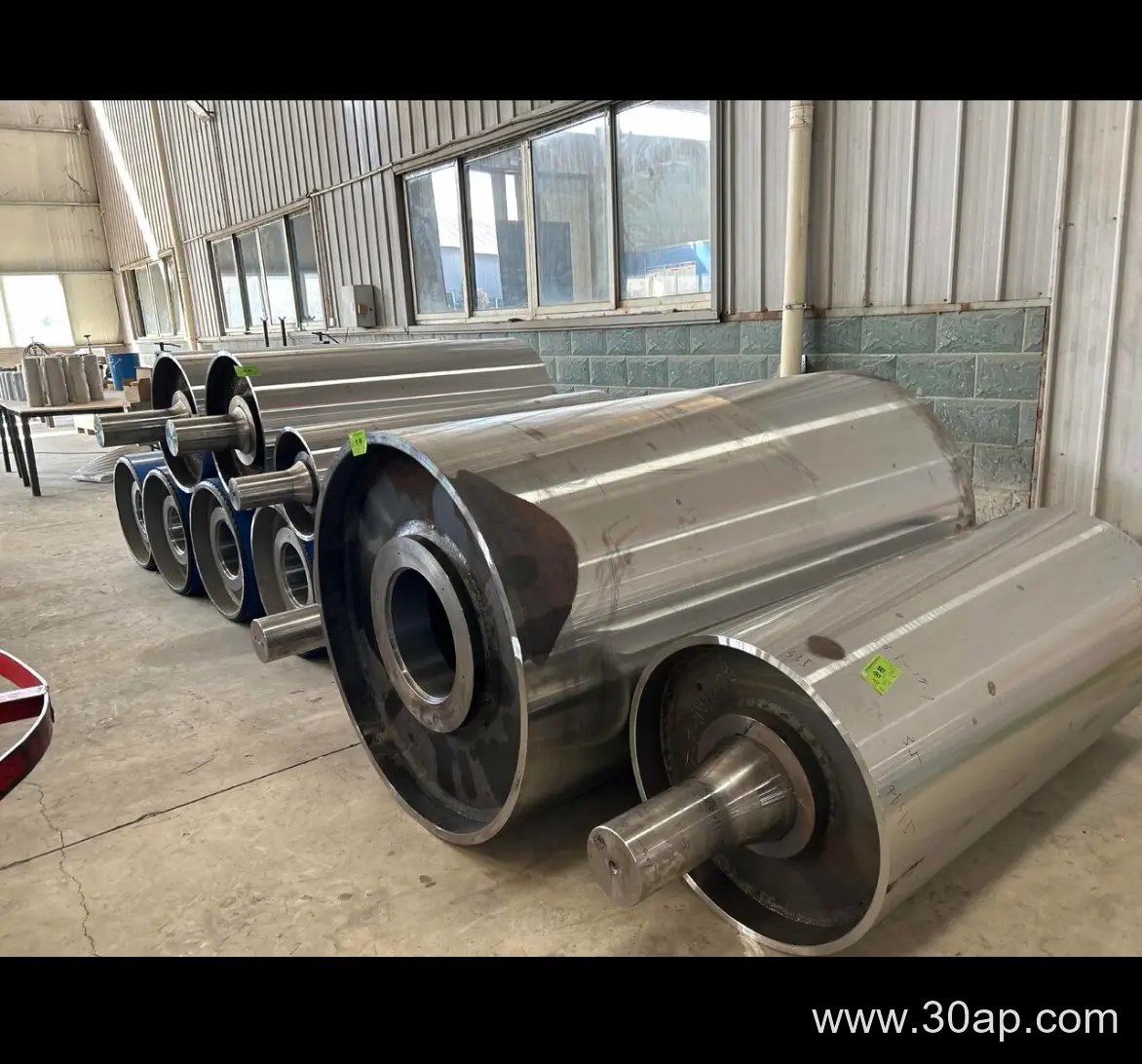
A conveyor bracket on a clinker or raw-mill line faces heat, abrasive dust, and steady vibration. Before choosing a type, list the material, belt speed, temperature at the idler seat, and whether washdown or outdoor rain reaches the bracket.
Decision Path by Condition
- Material: Carbon steel suits most dry cement duties; consider a coated or stainless grade only where moisture or corrosive dust is present.
- Speed: Higher belt speeds raise dynamic load, so verify the bracket’s rated load and bolt pattern rather than copying a neighboring line.
- Temperature: Near hot clinker, confirm the bracket material and any elastomer parts can tolerate the expected seat temperature.
- Operating conditions: Dust build-up, washdown, and reversing belts each favor different bracket geometry and mounting details.
What to Confirm Before Ordering
Ask for a drawing that fixes hole spacing, material grade, load rating, and finish. In a cement plant, a conveyor bracket that ignores dust shedding or thermal movement may loosen or deform long before its structural limit. Treat any project values as hypothetical until verified against the actual conveyor design.