What a Power Plant Conveyor Belt Has to Do
In a power station, coal arrives by rail, truck, or ship and must move reliably from the receiving yard to the boiler, while ash and limestone travel in the opposite direction. The Power Plant Conveyor Belt is the working surface of that chain, carrying fuel and residue across long inclined routes, transfer towers, and crusher houses. Because these belts run for many hours a day and often in enclosed galleries, the rubber compound and the carcass must match both the load and the fire-safety rules of the site.
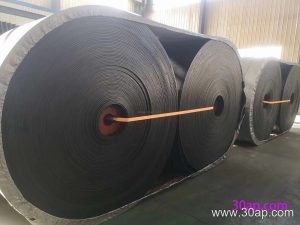
A power plant belt is not a single product. It is a family of rubber belts built around a fabric or steel cord carcass, covered with rubber on both faces, and often finished with special edges, ribs, or profiles. The right choice depends on material size, moisture, temperature, and the layout of the conveyor.
Construction and Main Types
The carcass carries the tension. Fabric-core belts use woven plies, with EP (polyester-cotton) and NN (nylon-nylon) being the common choices. Steel cord belts use brass-plated wires for very long, high-tension routes. Cover rubber protects the carcass from abrasion, heat, oil, and impact, and its thickness is usually written as top plus bottom, for example 6+2 mm.
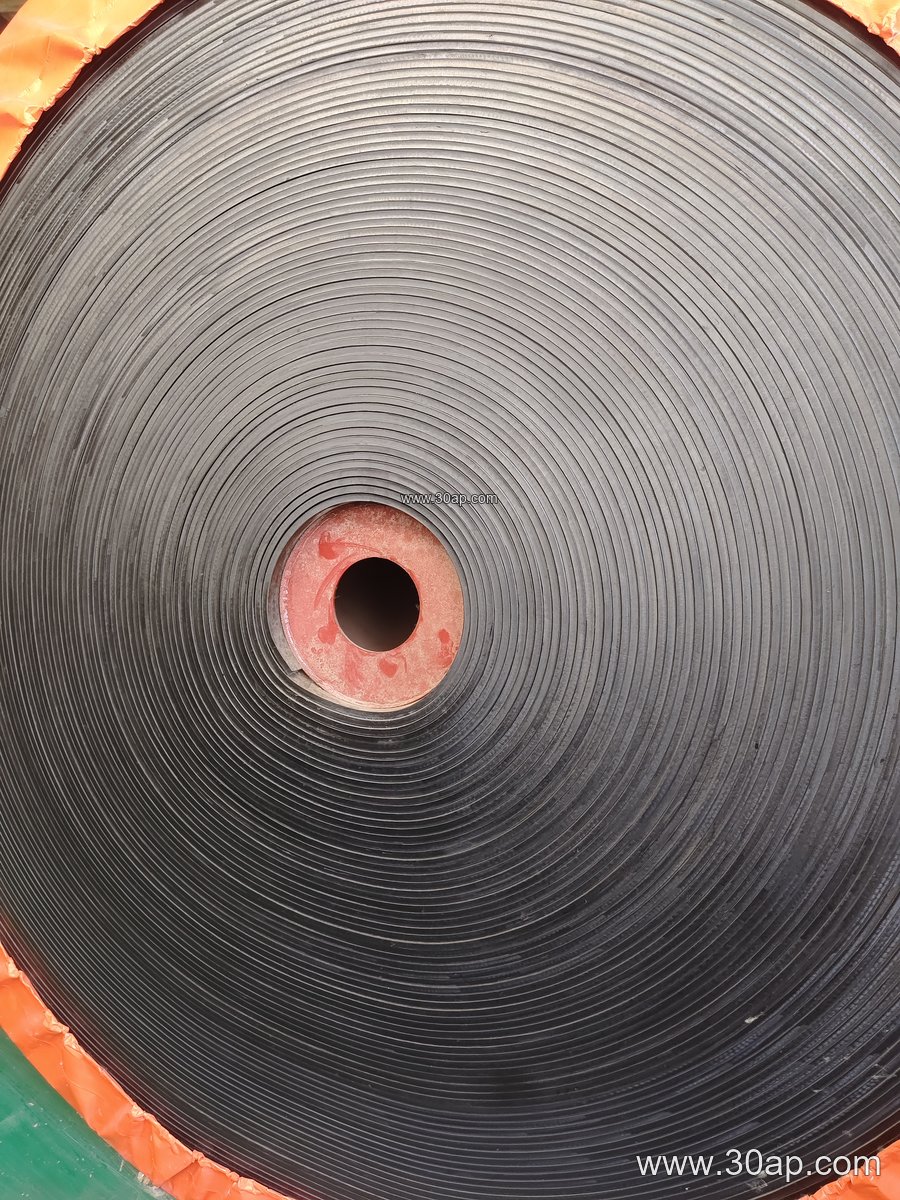
- EP Conveyor Belt — general coal and limestone duty, good elongation and troughability.
- NN Conveyor Belt — nylon carcass, useful where impact and flexing are heavy.
- Steel Cord Conveyor Belt — long overland and main trunk lines with high tension.
- Flame Retardant Conveyor Belt and Fire Resistant Conveyor Belt — required in enclosed coal handling galleries.
- Heat Resistant Conveyor Belt — for ash, clinker, and hot return material.
- Oil Resistant Conveyor Belt — where lubricants or oily fuel are present.
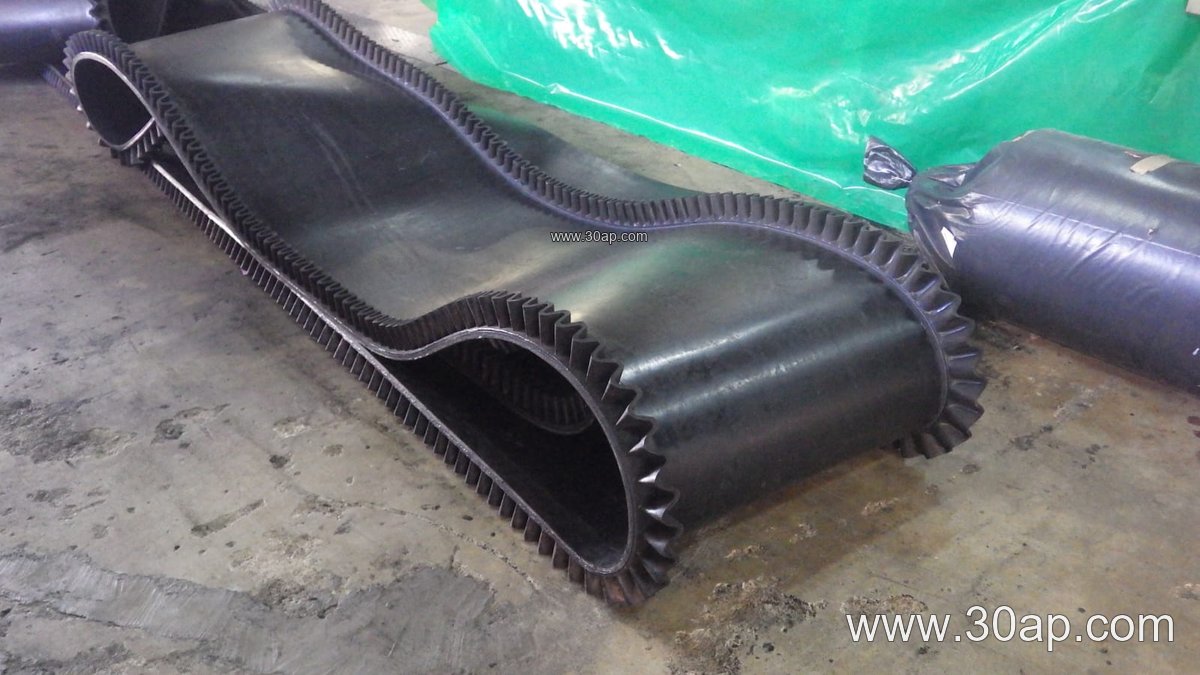
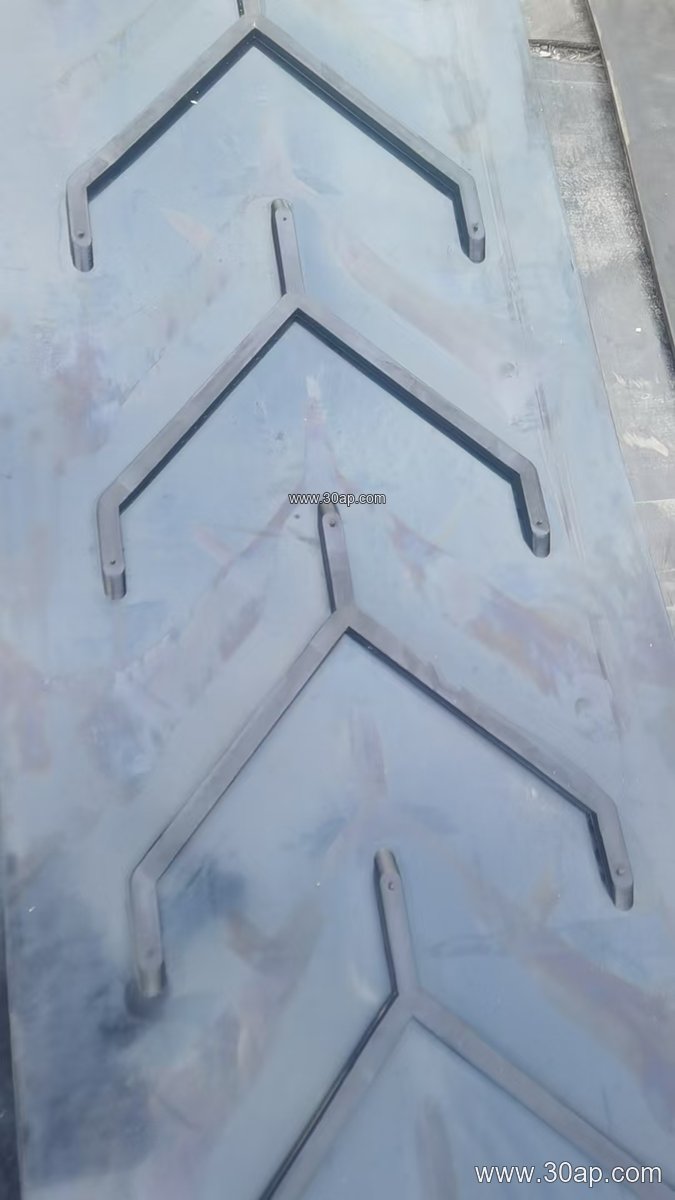
- Chevron, skirted, and corrugated sidewall forms for steep inclines and confined spaces.
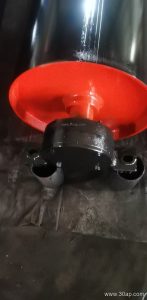
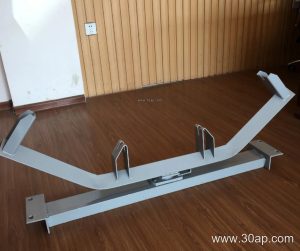
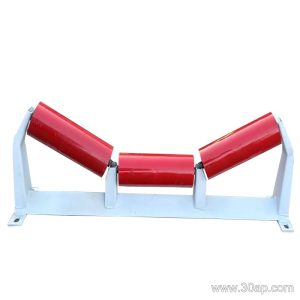
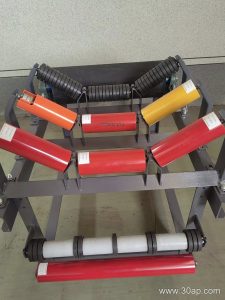
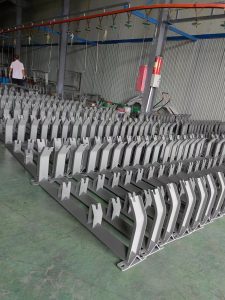
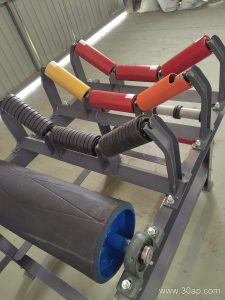
On the mechanical side, the belt runs on idler roller sets and turns around conveyor pulley assemblies held by a conveyor bracket. Drive, tail, and bend pulleys each do a different job and are not interchangeable.
Typical Specifications
Below are reference ranges that appear in plant specifications. They are common values, not fixed combinations, and final figures are confirmed by design.
| Parameter | Common reference values |
|---|---|
| Fabric carcass grade | EP200, EP315, EP400, EP500, EP630, EP800, EP1000, EP1250 |
| Steel cord grade | ST1000, ST1250, ST1600, ST2000, ST2500 |
| Belt width | B500, B650, B800, B1000, B1200, B1400, B1600, B1800, B2000 |
| Cover thickness | 3+1.5, 4+2, 5+2, 6+2, 8+3 mm |
| Fabric plies | 2 to 6 layers, depending on tension |
A 1200 mm wide EP belt with 6+2 mm covers is a typical coal line size, while a 2000 mm width may appear on high-capacity main conveyors. Width and pulley diameter are matched by tension and shaft load calculations, not by a single rule.
Where These Belts Are Used
Coal yards, boiler feed lines, bottom ash and fly ash systems, limestone preparation, and gypsum handling all rely on this equipment. The same belt technology appears in Mining Conveyor Belt service, in cement plants, and in port ship-loading terminals. In a power station the environment adds heat, dust, and fire risk, so antistatic and flame-retardant grades are often specified for enclosed routes, while abrasion-resistant covers handle coal with high ash content.
Buyer Checklist
- Confirm the material: coal, ash, limestone, or mixed fuel, plus lump size and moisture.
- State the conveyor length, incline, capacity, and trough angle so tension can be calculated.
- Ask for the fire-safety grade required by the plant and the local authority.
- Check cover thickness against abrasion and impact, and consider a thicker top cover at transfer points.
- Review splice method, edge condition, and whether an endless belt is preferred for critical lines.
- Keep spare belt, idlers, and pulley lagging in the maintenance store to reduce downtime.
Maintenance matters as much as selection. Align idlers, keep pulleys clean, and watch for edge damage and cover wear. A belt that is correctly matched to the duty, and inspected regularly, will keep fuel and ash moving through the plant with fewer stoppages.