Why the Right Conveyor Bracket Matters More Than You Think
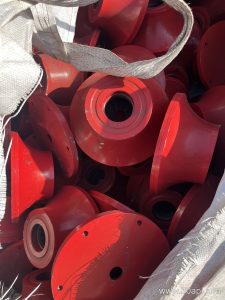
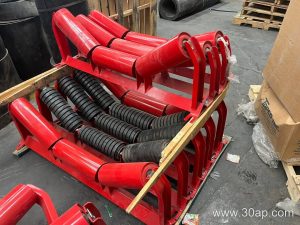
A conveyor bracket is not a mere accessory; it is the structural interface that transfers dynamic loads from your belt or roller path to the frame. A poorly selected bracket causes misalignment, vibration, and premature wear on idlers and belts.
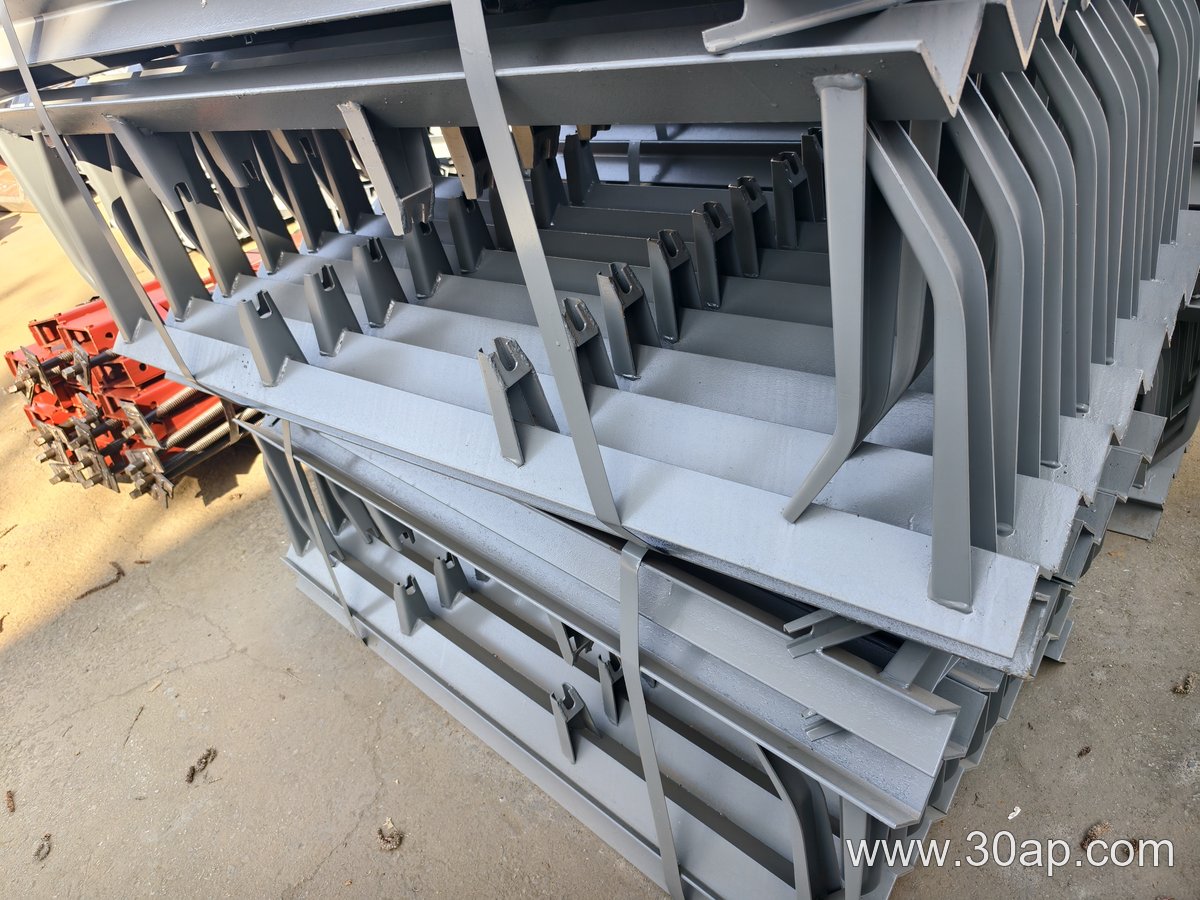
Key Selection Criteria for Conveyor Brackets
- Material: Choose galvanized steel for corrosive environments or stainless steel for food-grade washdowns. Aluminum suits light-duty portable conveyors.
- Load Rating: Always match the bracket’s static and dynamic capacity to your peak tonnage per hour, not just average flow.
- Adjustability: Slotted or multi-position brackets allow fine-tuning of trough angles and idler spacing, reducing belt edge stress.
- Mounting Compatibility: Verify bolt hole patterns and frame channel width (C-channel, I-beam, or pipe) before ordering.
Purchasing Advice for Maintenance Teams
Buy brackets with pre-drilled ear holes for easy future sensor or skirtboard attachment. For high-speed lines, request brackets with rubber isolation pads to dampen impact. Always keep a spare set of the most common sizes; delivery lead times often exceed your downtime budget. Inspect weld quality and coating thickness on arrival—thin paint hides rust risk.
The Backbone of Material Handling: Conveyor Belts
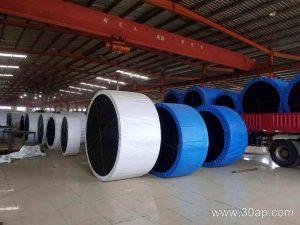
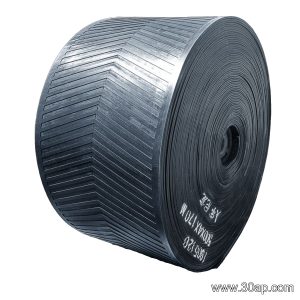
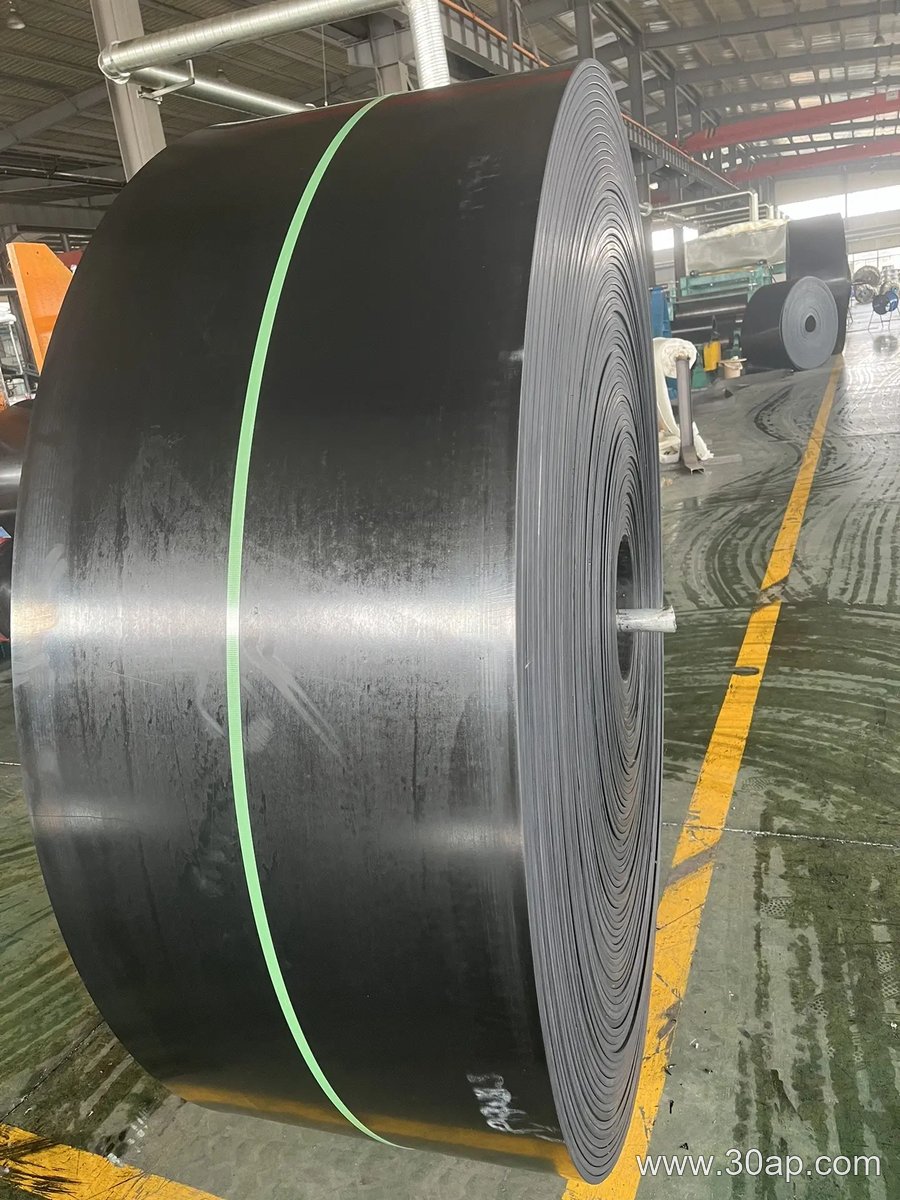
A conveyor belt is more than a moving surface; it is the circulatory system of modern production. From mining aggregates to packaging consumer goods, selecting the correct belt determines throughput, safety, and total cost of ownership. Neglecting belt specs leads to unplanned downtime and premature wear.
Key Performance Factors
- Material composition: Rubber for abrasion, PVC for food-grade, and steel cord for heavy loads.
- Tensile strength: Match belt carcass to peak load and start-up torque.
- Operating environment: Heat, oil, or chemical exposure demands specialized covers.
Selection & Purchasing Advice
Always measure belt width, length, and splice type before ordering. Request a dynamic test report from the supplier, and verify pulley diameter compatibility. For inclined transfers, choose a chevron or rough-top profile. Buying a conveyor belt is not a commodity purchase—prioritize lifecycle cost over upfront price, and stock at least one spare belt to avoid extended stoppages.
Understanding Idler Roller Fundamentals
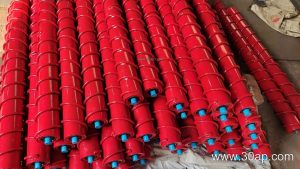
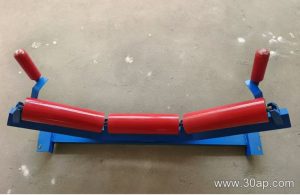
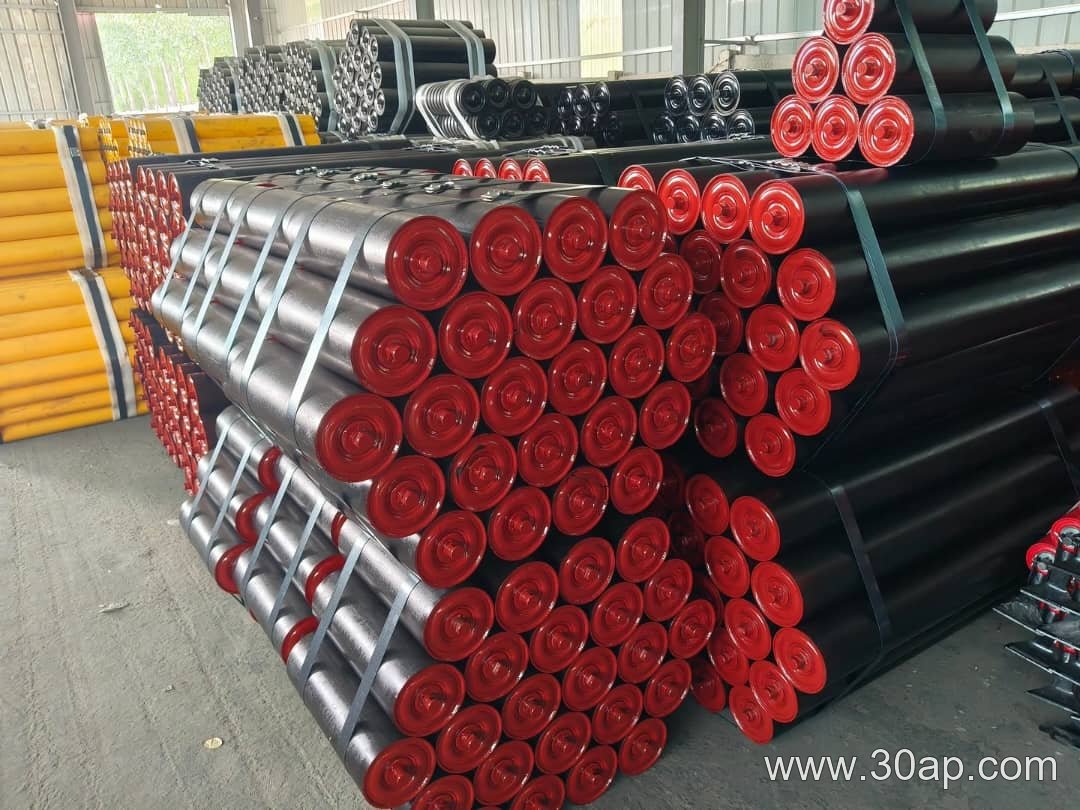
The idler roller is the backbone of any belt conveyor system, supporting the belt and material load while minimizing friction and wear. Choosing the right idler roller directly impacts operational uptime, energy consumption, and belt lifespan. For bulk handling industries, a poorly selected idler can lead to belt misalignment, premature component failure, and costly downtime.
Core Specifications to Evaluate
- Roller diameter and wall thickness – match to belt speed and load density; larger diameters reduce belt sag but increase cost.
- Bearing type and sealing – use labyrinth seals for dusty environments or contact seals for wet conditions.
- Shell material – steel for heavy loads, HDPE for corrosive or food-grade applications, and rubber-coated for high-grip or noise reduction.
Selection and Purchasing Advice
First, calculate the theoretical load per roller based on belt width, speed, and material bulk density. Then, verify the idler roller’s rated load capacity against dynamic impact at loading zones. Always request sample testing for your specific material–abrasive products in particular. When purchasing, prioritize suppliers that offer interchangeable frames and standard CEMA or DIN dimensions, ensuring easy replacement. Also, consider total cost of ownership: a slightly pricier idler with superior seals and precision bearings often outlasts cheaper alternatives by 2–3 times.
Finally, specify idler spacing based on belt sag limits (typically 1–2% of span). For long conveyors, use impact idlers at loading points and transition idlers at pulleys. Always keep spare idlers in stock to avoid production halts.
Why the Conveyor Pulley Is the Heart of Your Belt System
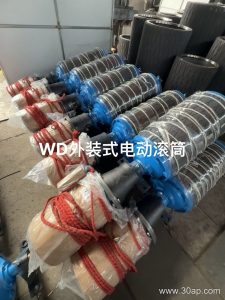
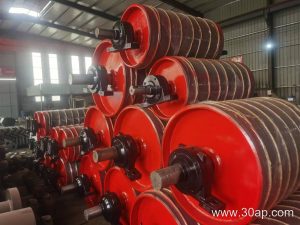
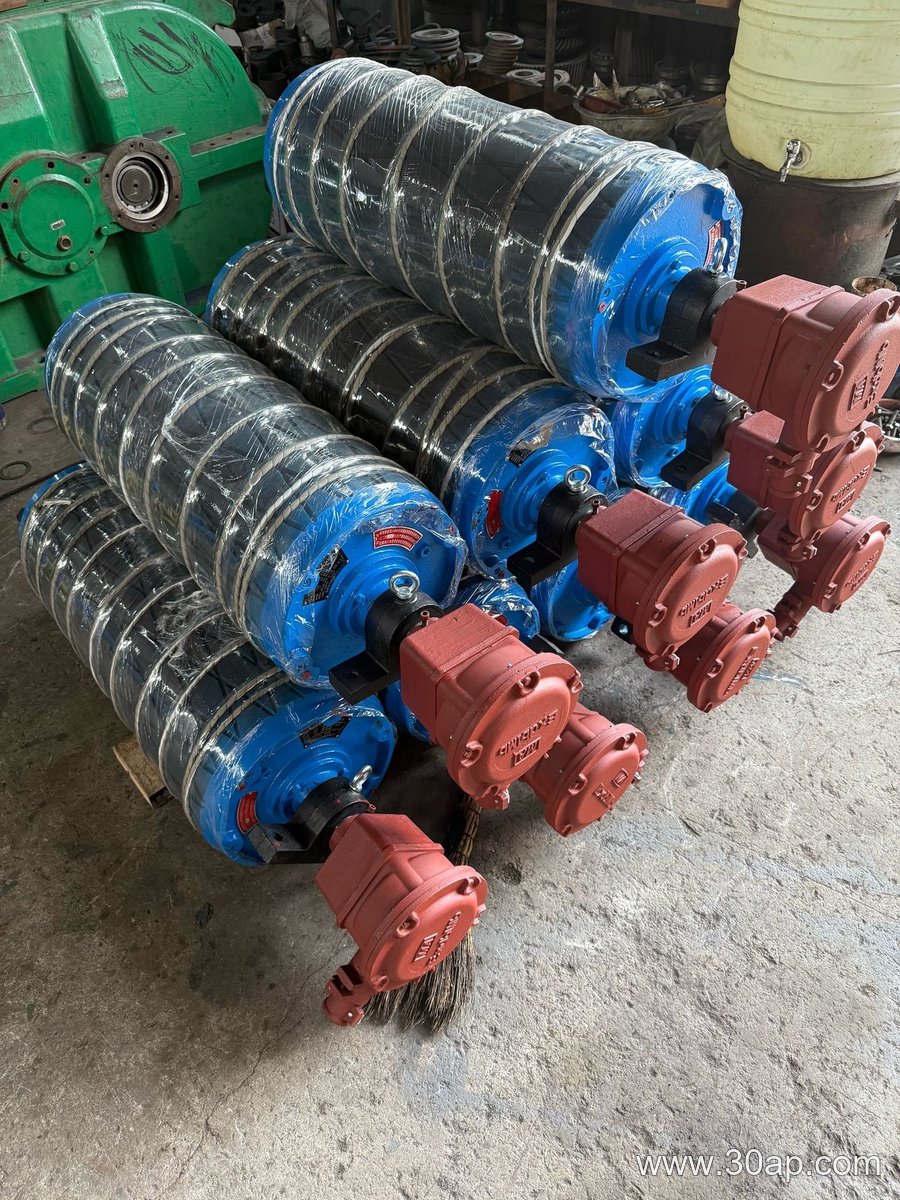
The conveyor pulley is the primary drive and tension component in any bulk material handling line. It transfers torque from the motor to the belt, maintains belt alignment, and determines overall system efficiency.
Critical Types and Their Roles
- Drive pulley – located at the head; delivers traction and must be sized for peak load.
- Bend and tail pulleys – redirect the belt; select for low radial load and easy replacement.
- Snub and take-up pulleys – increase wrap angle or adjust tension; prioritise corrosion resistance.
Practical Selection and Purchasing Advice
Specify shaft diameter based on maximum bending moment, not just belt width. Choose lagging (ceramic, rubber, or grooved) based on friction needs and moisture. Verify crown or flat profile for tracking. Always request shell thickness and weld inspection certificates from the supplier.
Maintenance and Lifespan Tips
- Check pulley alignment monthly with a laser; misalignment causes belt drift and edge wear.
- Inspect lagging for cuts or delamination every 500 operating hours.
- Grease bearings per OEM schedule, and replace if radial run-out exceeds 0.8 mm.
- Keep spare pulleys for critical conveyors to minimise unplanned downtime.