What a Coal Conveyor Belt Is
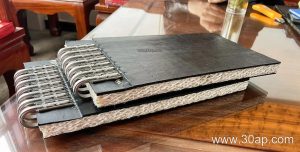
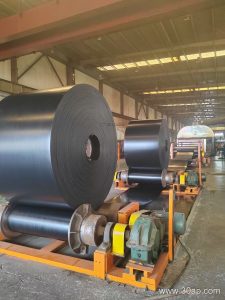
A coal conveyor belt is the load-bearing component of a belt conveyor system that moves raw coal, washed coal, or blended fuel from one point to another in mines, coal preparation plants, power stations, and port terminals. In practice, the same product is often called a coal mining conveyor belt or simply a mining conveyor belt when the duty is heavy and continuous. It is not a single rubber sheet but a composite structure: a fabric or steel cord carcass for strength, top and bottom rubber covers for protection, and often special additives for flame resistance or anti-static performance.
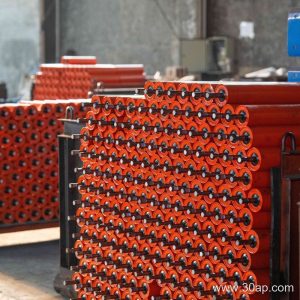
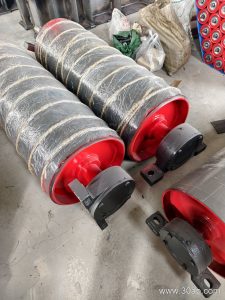
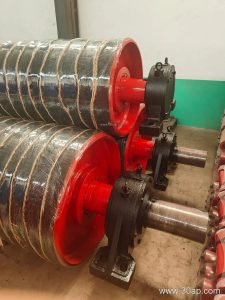
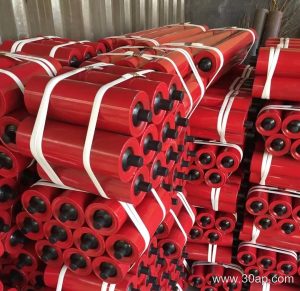
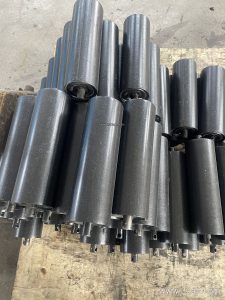
The belt works together with conveyor pulleys, idler rollers, and conveyor brackets, but the belt itself is the wearing element that carries the material. Drive pulleys transmit motion, tail pulleys return the belt, and bend pulleys change its path; none of these can replace the belt, and the belt cannot replace them.
Construction and Common Material Types
Most coal handling lines use either fabric core or steel cord reinforcement. Fabric core belts are built with multiple plies of EP (polyester-cotton) or NN (nylon) fabric. Steel cord belts use parallel steel wires for very high tension and long center distances. The cover compound is selected for the environment: abrasion resistant grades for run-of-mine coal, flame retardant and anti-static grades for underground coal mining, and heat resistant grades where coal or ash is warm.
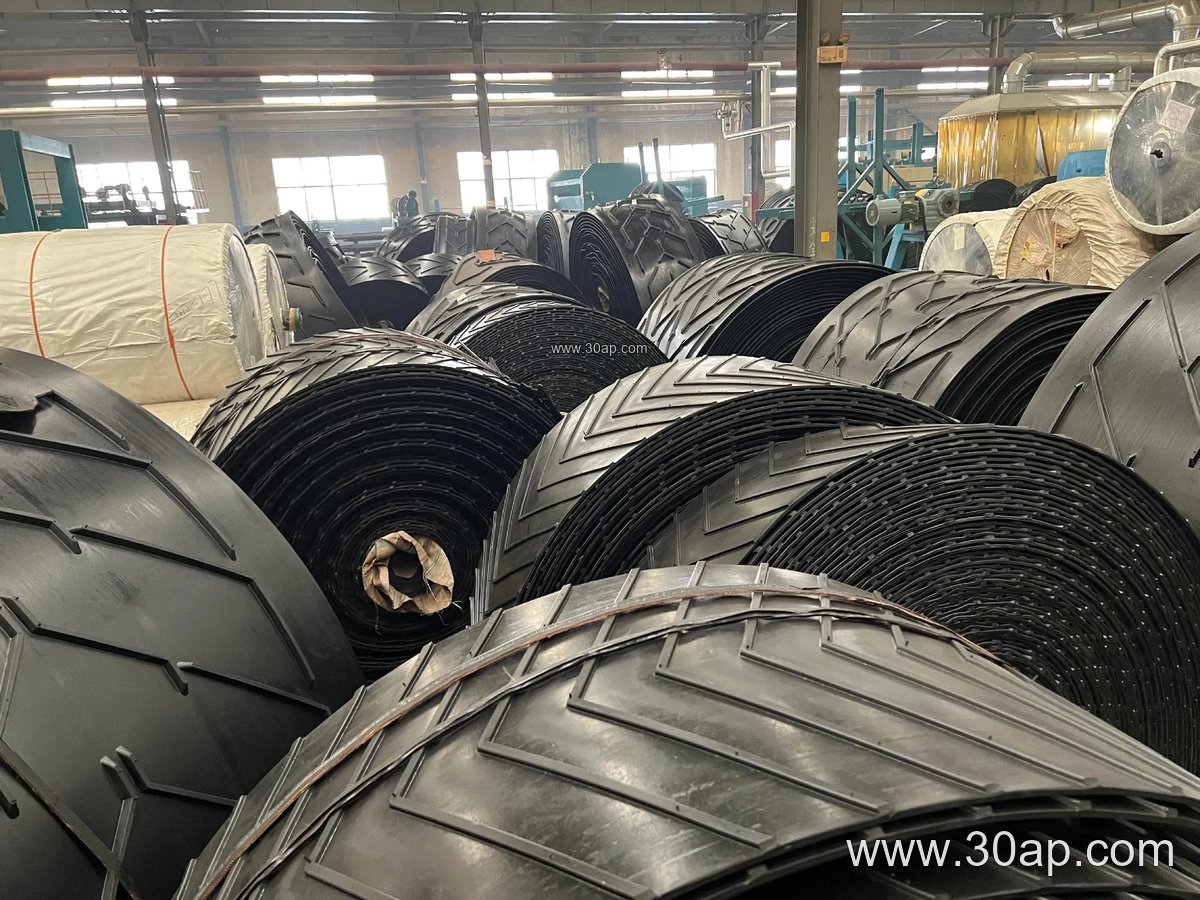
Common constructions include:
- EP conveyor belt and NN conveyor belt with 2 to 6 plies for general coal haulage.
- Steel cord conveyor belt for high-capacity main lines and long overland conveyors.
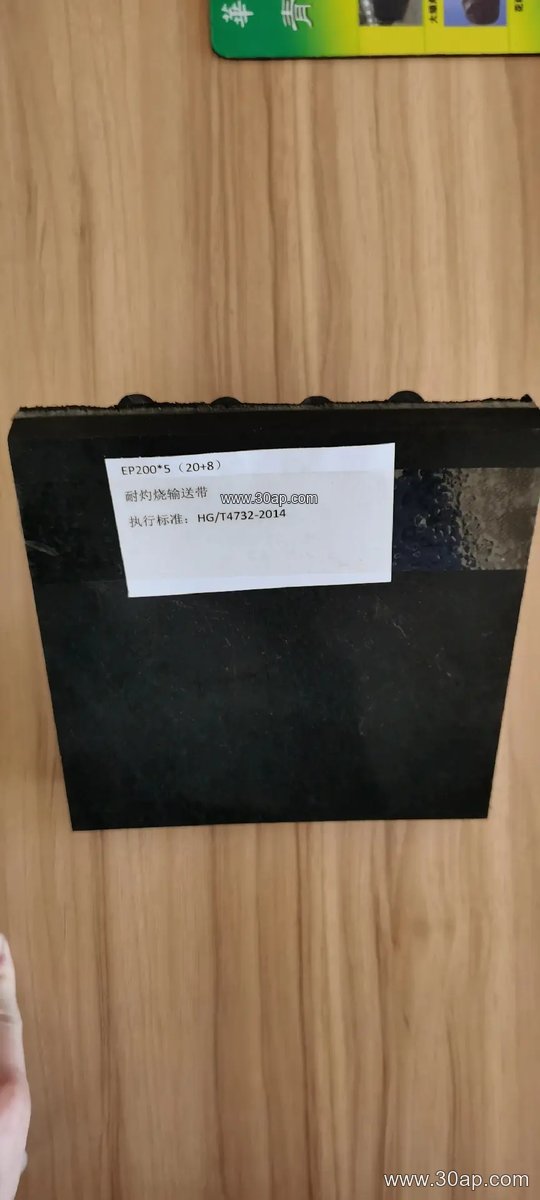
- Flame retardant conveyor belt and anti-static conveyor belt for underground coal mining and enclosed galleries.
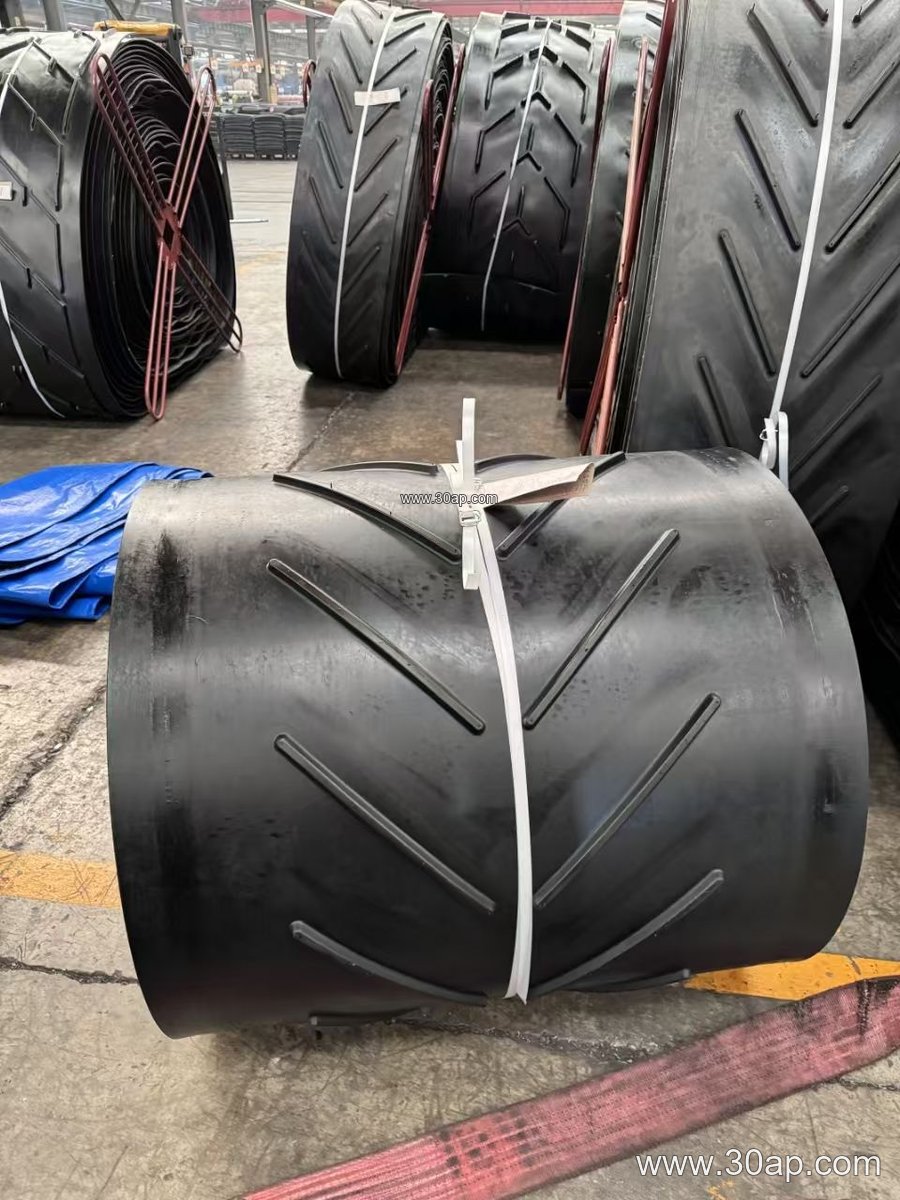
- Chevron conveyor belt or corrugated sidewall conveyor belt where the coal path is steep and material must be held on the belt.
Cover thickness is usually written as top plus bottom, for example 4+2 mm or 6+2 mm. These are reference figures, not universal specifications; the final construction is determined by the conveyor design and the coal characteristics.
Typical Specifications and Belt Widths
Coal conveyor belts are ordered by strength class, width, cover thickness, and special properties. The table below shows common reference values for selection discussion. A single belt width does not dictate a single pulley diameter, and shaft sizes are determined by the full conveyor design rather than by belt width alone.
| Parameter | Common Reference Range | Notes |
|---|---|---|
| Fabric strength class | EP200, EP315, EP400, EP500, EP630, EP800, EP1000, EP1250, EP1600, EP2000 | Higher classes for longer or more heavily loaded lines |
| Steel cord strength class | ST1000, ST1250, ST1600, ST2000, ST2500, ST3150 | Used for high tension and long distance |
| Belt width | B500, B650, B800, B1000, B1200, B1400, B1600, B1800, B2000 | Width chosen by capacity and lump size |
| Cover thickness | 3+1.5, 4+2, 5+2, 6+2, 8+3 mm | Top cover thicker for abrasion and impact |
| Number of plies | 2 to 6 | Fabric core only |
For underground coal mining, PVG conveyor belt and PVC conveyor belt grades are often specified because they combine flame resistance with anti-static behavior. For surface coal yards, a heavy-duty abrasion resistant conveyor belt may be sufficient. Buyers should confirm the actual class and cover grade with the belt manufacturer rather than assume that a given width or strength class fits every conveyor.
Where Coal Conveyor Belts Are Used
Coal conveyor belts appear in underground coal mining conveyor systems, coal preparation plants, power plant coal yards, cement plants that burn coal, and port ship loading lines. In a coal mining conveyor belt system, the belt usually runs on idler rollers supported by conveyor brackets, with conveyor pulleys at the head and tail. The same belt family is also used in quarry conveyor belts, aggregate conveyor belts, and bulk material conveyor belts where coal is mixed with stone or other cargo. Industries such as iron ore, copper ore, and gold mining use similar belt constructions, but the coal duty places extra emphasis on flame retardant and anti-static properties.
Selection and Maintenance Notes for Buyers
Start with the coal specification: lump size, moisture, temperature, and whether the environment is underground or open. Then match the belt class and cover compound. For example, a 1200mm wide EP1000 conveyor belt may suit a medium-capacity main line, while a 1800mm wide steel cord belt may be needed for a high-tonnage overland conveyor. These examples are not fixed pairings; they illustrate how width, strength, and carcass type are considered together.
Check that the belt is compatible with the existing pulley diameters and idler roller spacing. A belt that is too stiff for small pulleys can crack; a belt that is too soft for sharp coal may wear quickly. During operation, inspect the belt edges, cover wear, and splice condition. Keep the conveyor aligned and the idler rollers turning freely. Replace worn conveyor brackets before they misalign the belt. For fire safety in coal handling, use flame retardant and anti-static grades where required by the site risk assessment. Always request the manufacturer’s current data sheet for the exact product rather than relying on general reference values.