What an Underground Conveyor Belt Is
An underground conveyor belt is the load-carrying element of a belt conveyor installed in mines, tunnels and other enclosed or confined workings. It runs continuously between a drive pulley and a tail pulley, supported by idler rollers mounted on conveyor brackets, and moves crushed ore, coal, rock or other bulk material along the route. Because the belt is often the only continuous link between the mining face and the surface or the transfer point, its construction and condition directly affect how reliably the whole haulage system performs.
The product is also described as an underground mining conveyor belt or an underground coal mining conveyor belt when it is specified for those environments. These are accurate equivalents for the same article, not different products.
How the Belt Is Built
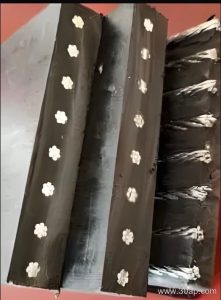
Most underground belts are fabric-core or steel-cord constructions. A fabric core conveyor belt uses multiple plies of woven fabric, commonly EP (polyester warp, polyamide weft) or NN (nylon/nylon), bonded in rubber. A steel cord conveyor belt replaces the fabric plies with a single layer of steel cords for long runs and heavy loads. The top and bottom covers protect the core from impact, abrasion, water and chemical attack.
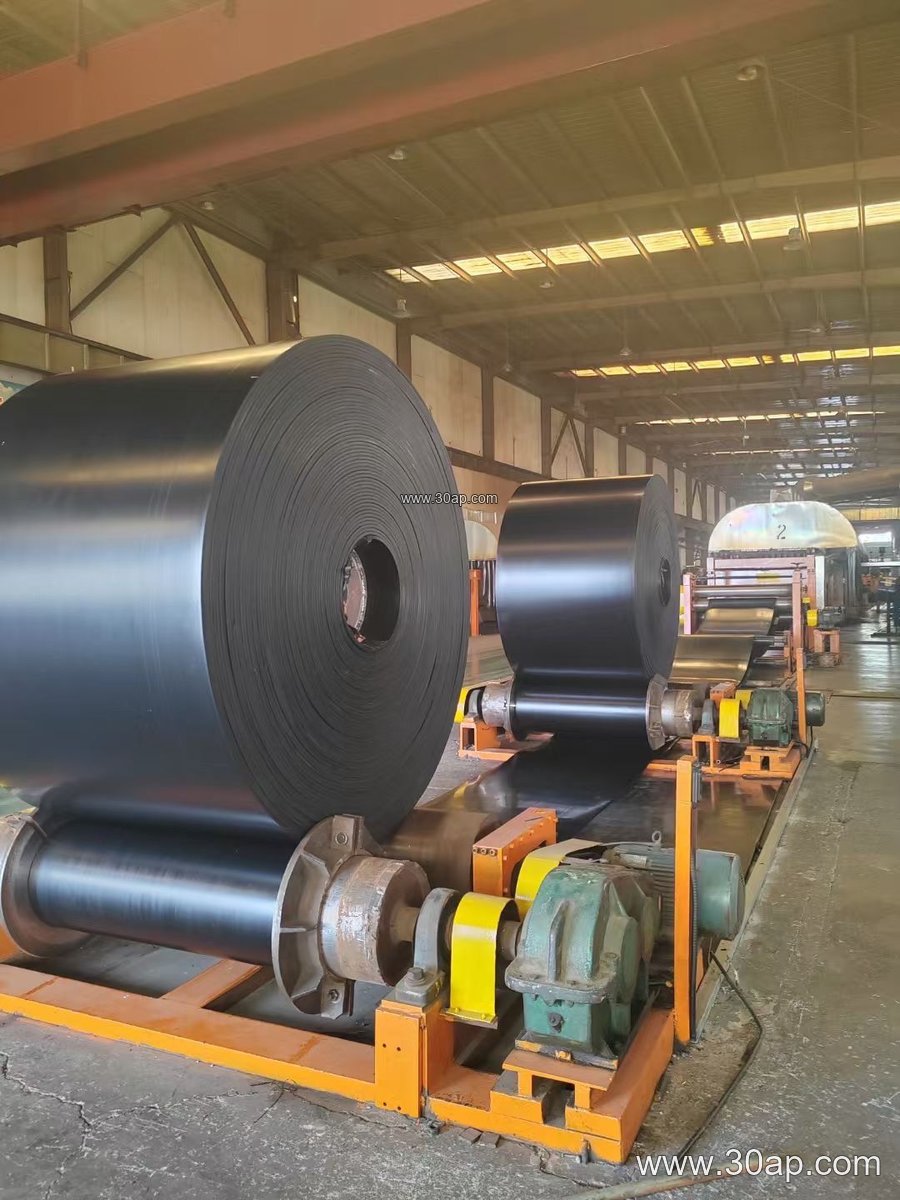
Cover thickness is usually stated as a pair, for example 4+2 mm or 6+2 mm, meaning top cover plus bottom cover. Core plies commonly range from 2 to 6 layers in fabric belts, depending on the duty. Belt width is often given in millimetres, such as 800mm, 1000mm, 1200mm or 1400mm, and must match the conveyor frame design.
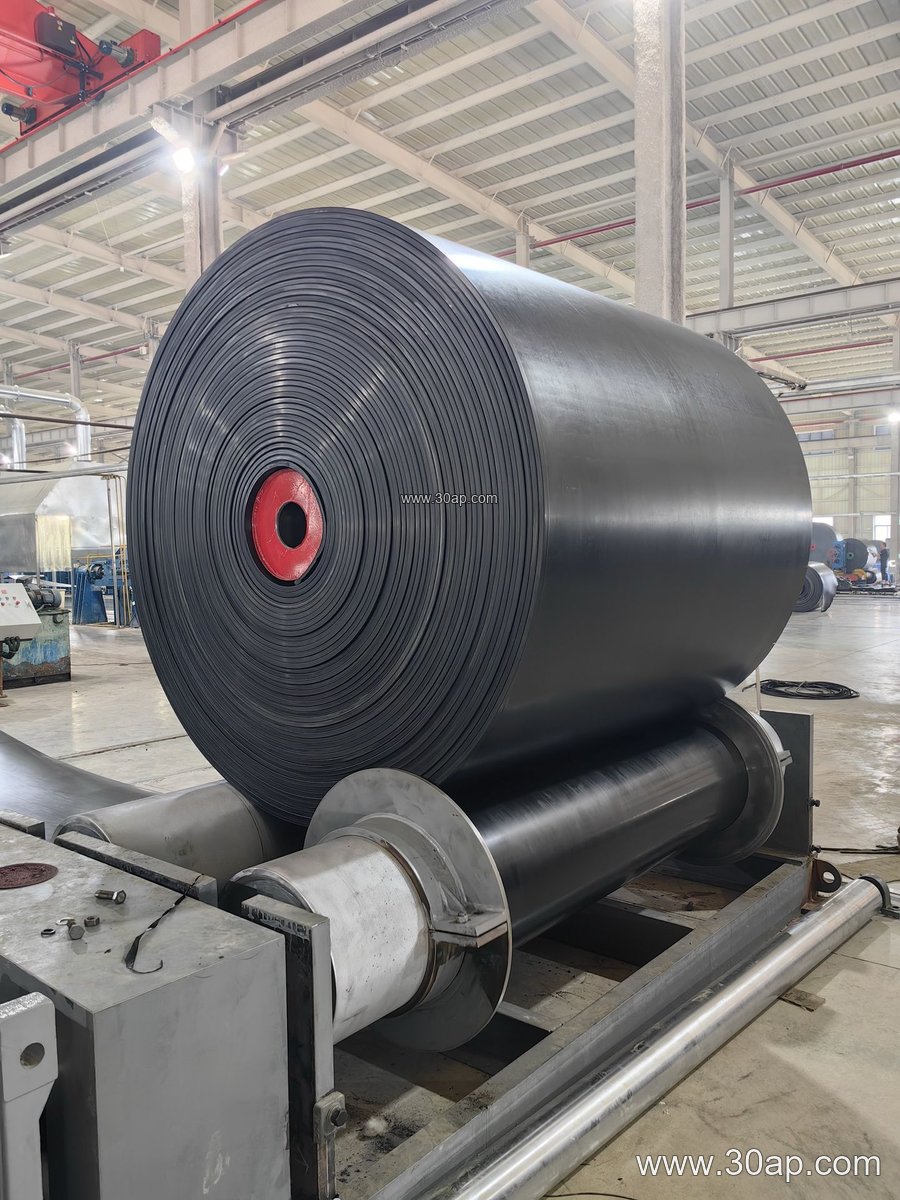
Fire safety is a central concern underground. A flame retardant conveyor belt or fire resistant conveyor belt is typically specified for coal mining and other enclosed workings. PVC and PVG belts are also common in these duties, with PVG800S being one example of a grade used where flame resistance and surface quality matter. Anti-static construction is often requested alongside flame resistance.
Typical Structures and Surface Forms
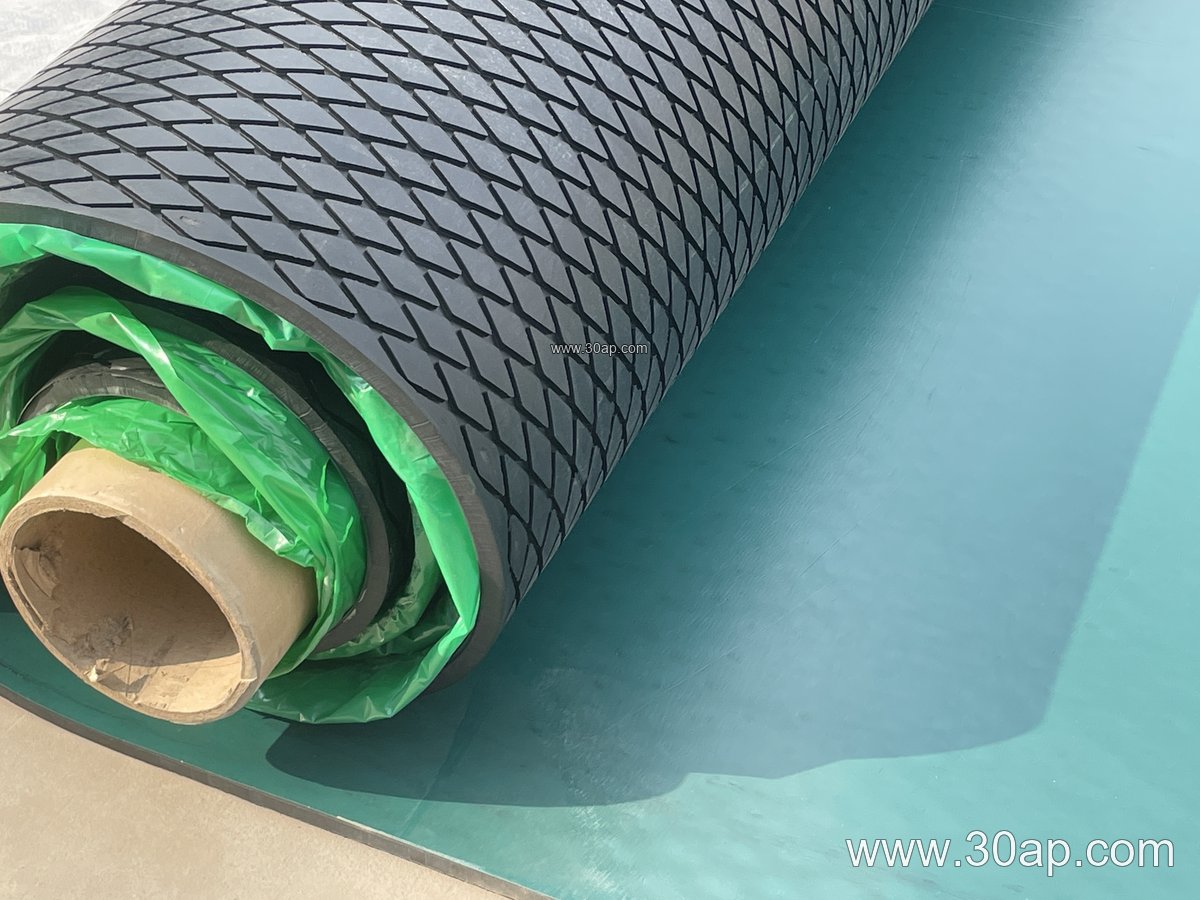
The basic flat belt is the starting point, but underground routes often need more. A chevron conveyor belt uses raised ribs to hold material on inclines. A corrugated sidewall belt, sometimes with a skirted conveyor belt design, contains material on steep or confined sections. A pipe conveyor belt folds into a tube to enclose the load and follow curved routes. An endless conveyor belt is spliced into a closed loop before installation, which reduces joint work in tight spaces.
The table below shows common reference values. They are examples, not a fixed specification for every project.
Reference Data for Underground Belt Selection
| Property | Common reference values |
|---|---|
| Core type | EP fabric, NN fabric, steel cord, PVC, PVG |
| Fabric strength grades | EP200, EP400, EP630, EP800, EP1000, EP1250 |
| Steel cord grades | ST1000, ST1600, ST2000, ST2500 |
| Belt width | B500, B650, B800, B1000, B1200, B1400, B1600 |
| Cover thickness | 3+1.5, 4+2, 5+2, 6+2, 8+3 mm |
| Fabric plies | 2 to 6 layers, by design |
| Special grades | Heat resistant, oil resistant, abrasion resistant, cold resistant, anti-static |
Where It Is Used
Underground installations appear in coal mines, metal mines and tunneling projects, and the same belt technology carries over to surface duties in cement plants, power plants, quarries and aggregate operations. A heavy-duty mining conveyor belt may run from a crusher to a transfer house, while an abrasion resistant conveyor belt is chosen for sharp rock and ore. In iron ore, copper ore and gold mining, belts must handle wet, dense and sometimes hot material. A heat resistant conveyor belt is used where material temperature is elevated, and an oil resistant conveyor belt where lubricants or oily loads are present.
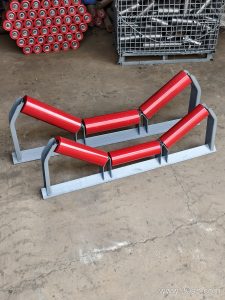
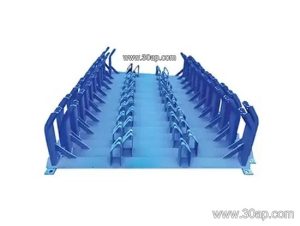
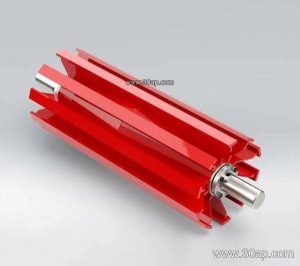
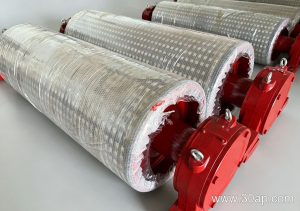
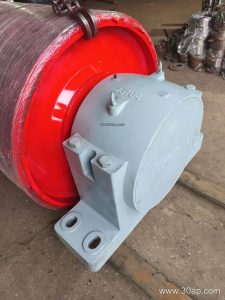
The belt does not work alone. Idler rollers set the trough shape and support the load, the conveyor pulley at each end provides drive and tension, and conveyor brackets hold the idlers in alignment. Poor alignment of any of these parts shortens belt life quickly.
What a Buyer Should Check
- Confirm the required core type and strength grade against the actual load and incline, not against a general rule.
- Match belt width to the conveyor frame and to the material size; a wider belt is not automatically better.
- State the fire and anti-static requirements for underground use clearly in the inquiry.
- Specify cover thickness and grade for the real conditions: abrasion, heat, oil or cold.
- Ask how the belt will be spliced and whether an endless belt is preferred for the installation.
- Check pulley diameters and idler spacing with the belt supplier, since these are design decisions rather than fixed pairings.
For buyers sourcing in volume, it helps to compare a fabric core option such as an EP conveyor belt with a steel cord alternative on the same duty. The right answer depends on run length, tonnage, incline and the space available underground. A careful review of these points before ordering reduces downtime and keeps the haulage system running.