What a Tail Pulley Assembly Does on a Conveyor
At the discharge end of many belt conveyors, the tail pulley assembly turns the returning belt back toward the head. It is a complete unit, not just a bare shell: the pulley body, shaft, bearings, bearing housings, and mounting brackets work together to keep the belt tracking and tensioned. In a quarry, a cement plant, or a coal handling system, this assembly is often the last point where the belt is redirected before it carries material again.
People sometimes call it the tail drum or return pulley, but it should not be confused with a drive pulley or a bend pulley. A drive pulley transmits power; a bend pulley changes belt direction without driving. The tail pulley assembly mostly guides and supports the belt, and in some layouts it also helps maintain tension.
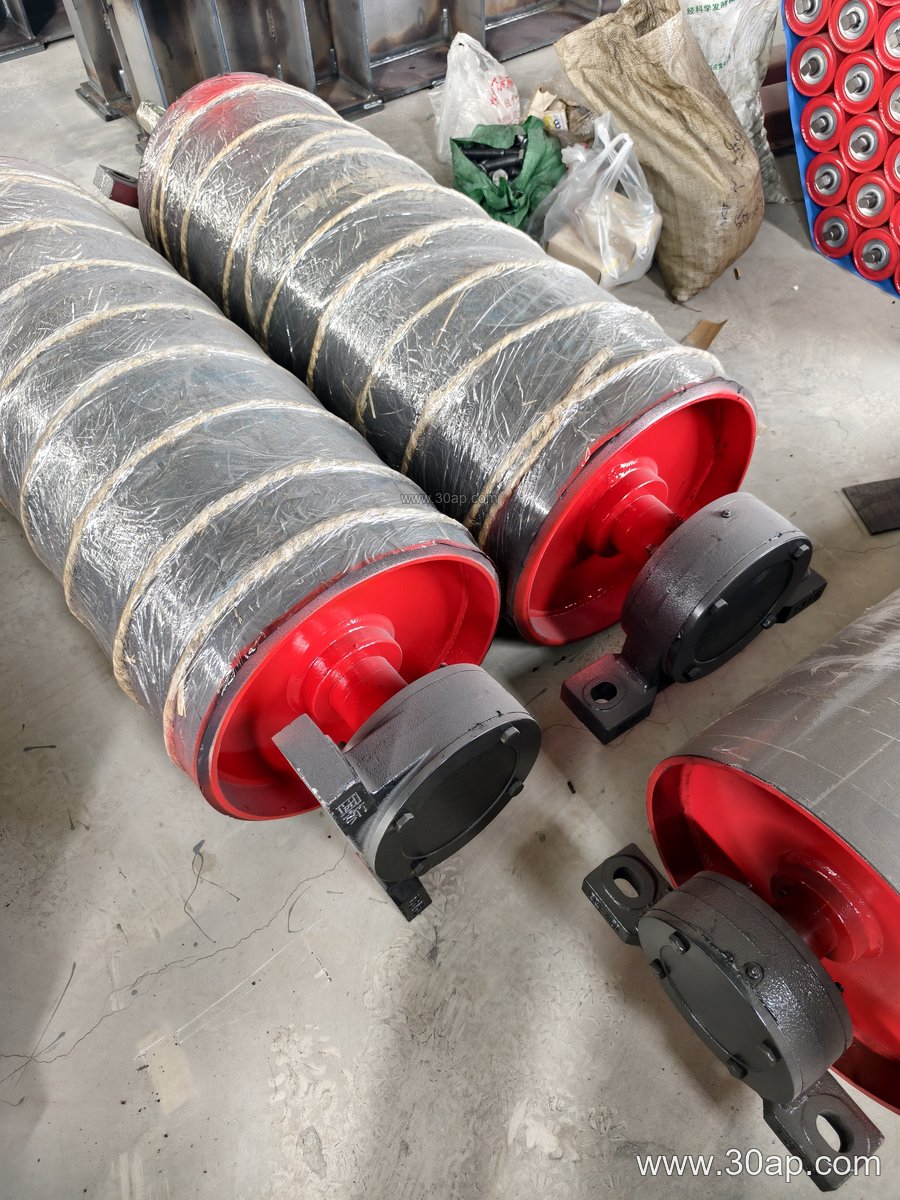
How the Assembly Is Built
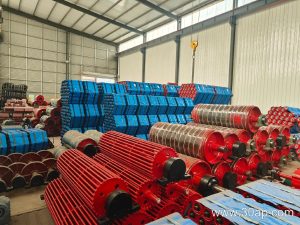
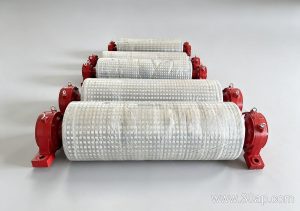
A typical unit combines a cylindrical shell, a through shaft, and two bearing blocks. The shell can be smooth or covered with rubber lagging. The shaft diameter is selected by torque and load, not simply by belt width. Common shaft sizes include Ø50, Ø60, Ø70, Ø80, Ø90, Ø100, Ø120, Ø140, Ø160, Ø180, and Ø200 mm, but the final value depends on the conveyor design.
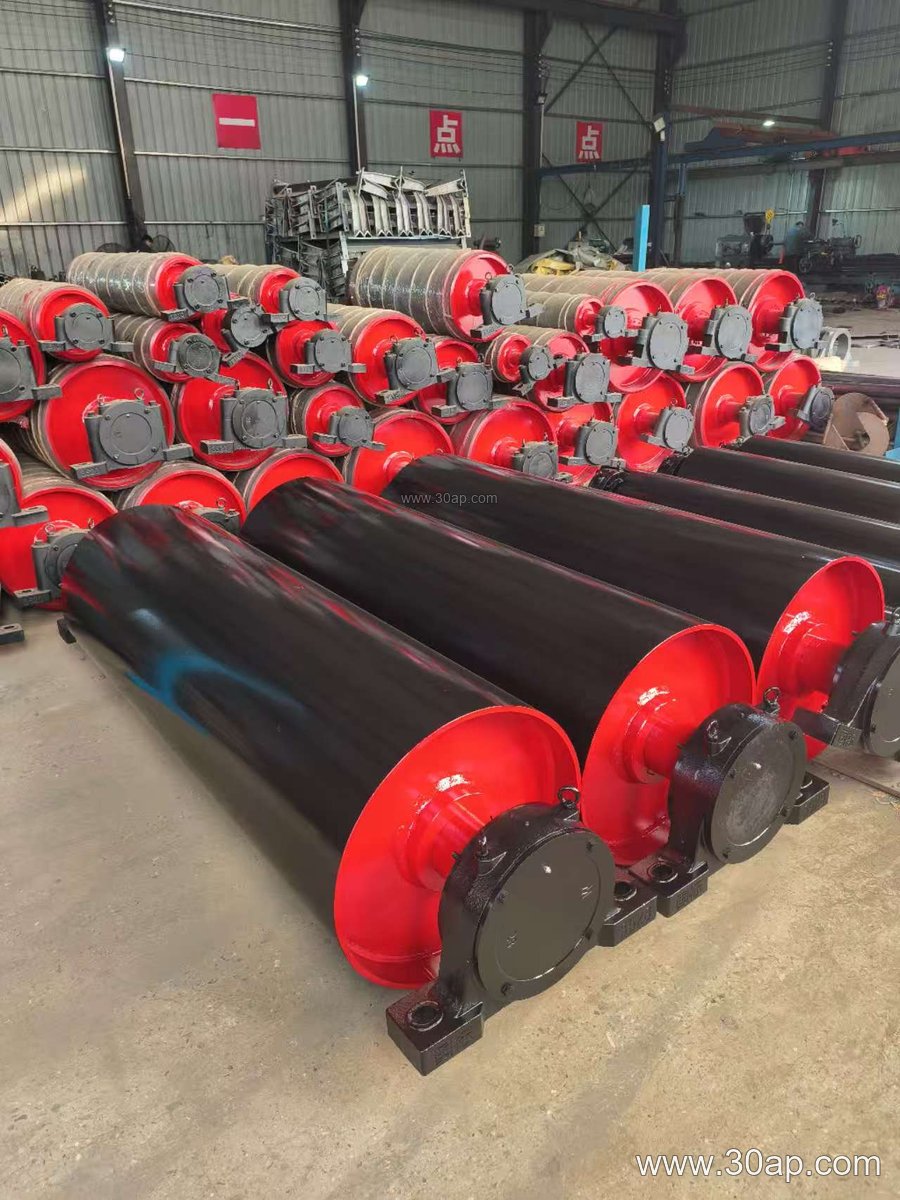
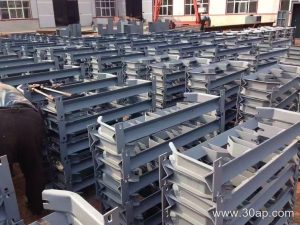
Bearings may be pillow block or flanged types, and the mounting brackets must match the conveyor frame. The pulley face width is usually wider than the belt. For example, a B800 belt often runs on a pulley face of about 950 mm, while a B1200 belt may use a face around 1400 mm. These are reference examples, not fixed rules.
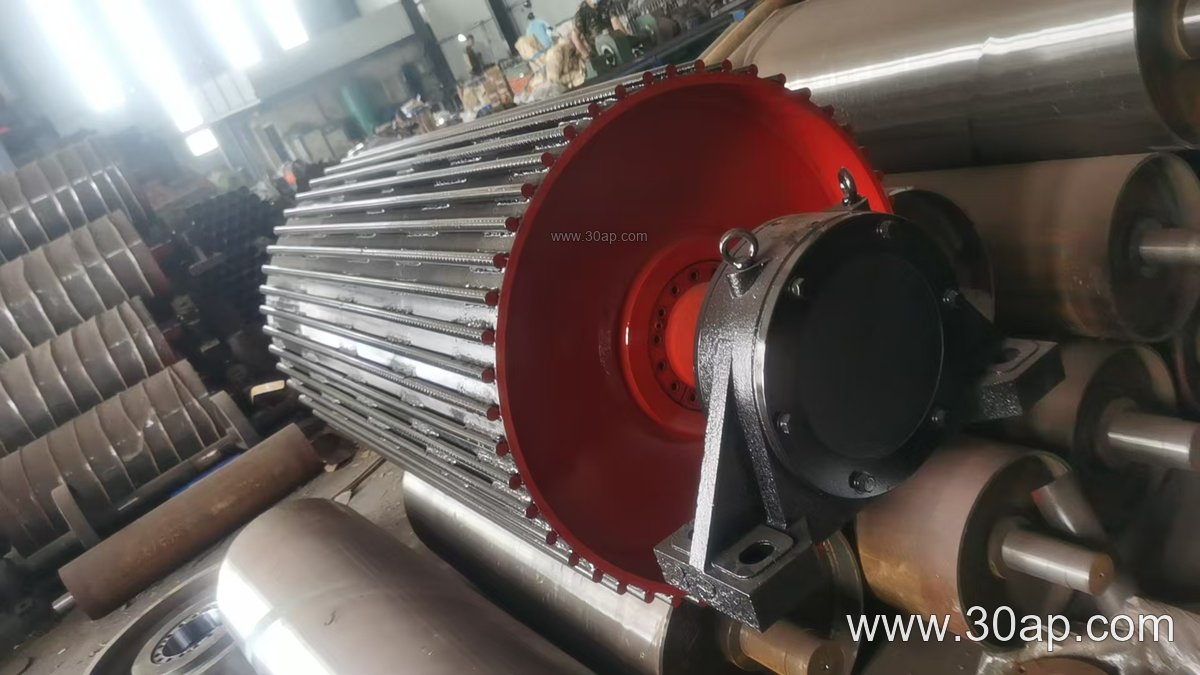
Common Sizes and Surface Options
Tail pulley assemblies are made in many diameters and widths. The table below shows typical reference combinations. Do not treat any single row as a universal match for a given belt width.
| Belt Width | Typical Pulley Face | Common Diameter Range | Typical Lagging |
|---|---|---|---|
| B500 | About 600 mm | Ø200 to Ø400 | Plain, 8–12 mm rubber |
| B650 | About 750 mm | Ø250 to Ø500 | Plain, 10–15 mm rubber |
| B800 | About 950 mm | Ø315 to Ø630 | Diamond or plain, 10–15 mm |
| B1000 | About 1150 mm | Ø400 to Ø800 | Diamond or herringbone, 12–20 mm |
| B1200 | About 1400 mm | Ø500 to Ø1000 | Rubber lagging, 12–20 mm |
| B1400 | About 1600 mm | Ø630 to Ø1250 | Rubber or ceramic, 15–20 mm |
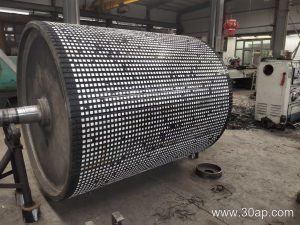
Surface forms include smooth, cast rubber, cold bonded rubber, hot vulcanized rubber, diamond, herringbone, ceramic, and plain. The choice depends on material buildup, belt slip risk, and whether the pulley is in a dusty or wet area. A limestone mine may prefer a herringbone pattern to shed fines, while a clean aggregate line might use a plain surface.
Where It Fits in Different Industries
In an iron ore concentrator, the tail pulley assembly may sit under a chute where dust and fines are present. In a power plant coal yard, it often works with a conveyor belt that carries coal from stockpile to boiler. The assembly must handle the belt path and any material that drops back. In a sand and gravel plant, it may be part of a portable conveyor with a simple bracket system. The same unit appears in fertilizer handling, grain silos, and tunnel muck removal, though the materials and environmental conditions differ.
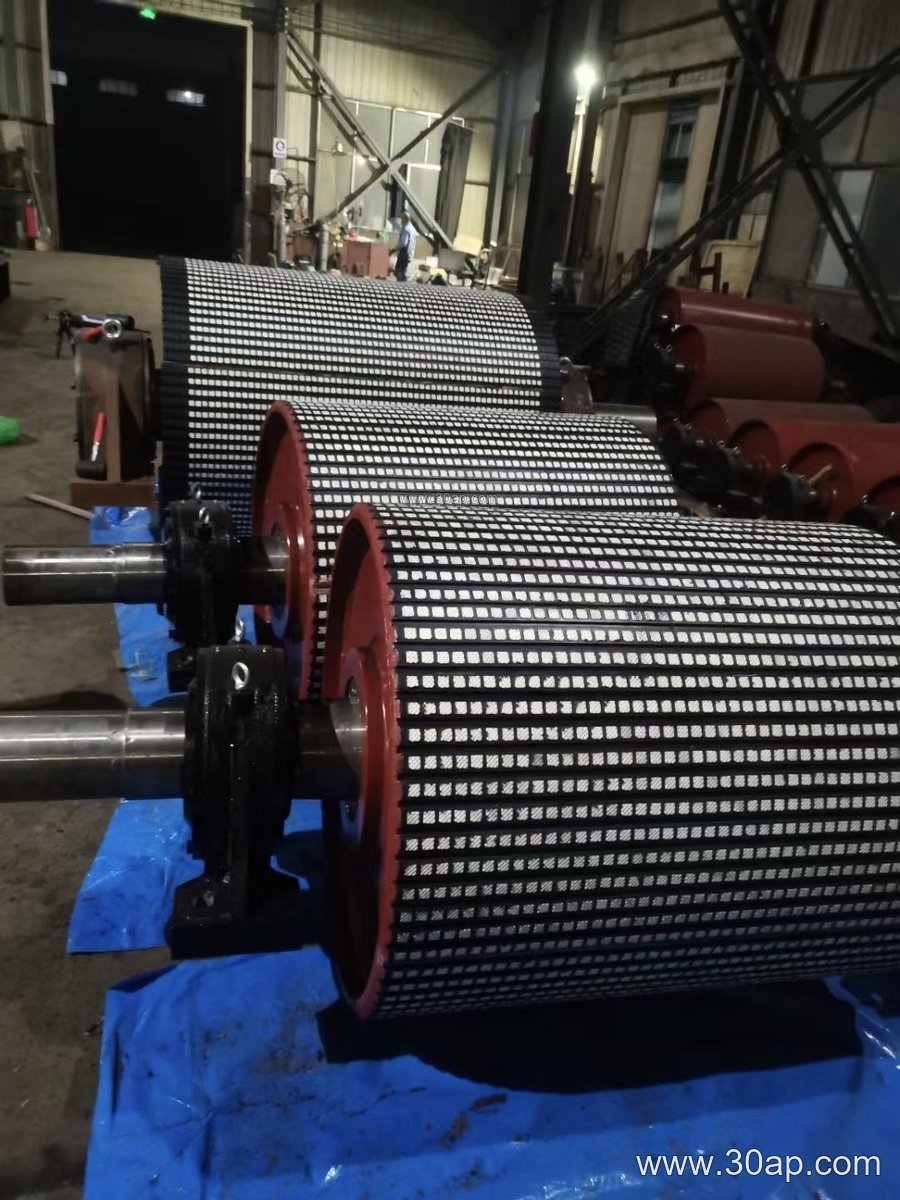
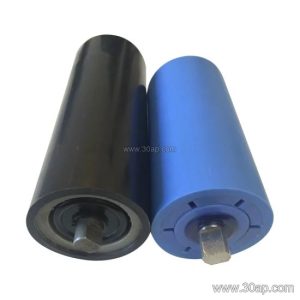
It works alongside idler rollers, conveyor brackets, and the main conveyor pulley. The tail pulley does not drive the belt, so its main job is to keep the belt aligned and reduce wear at the return end.
What Buyers Should Check Before Ordering
- Belt width and pulley face width must match the conveyor frame.
- Shaft diameter and bearing type should follow the calculated load and torque.
- Lagging type and thickness should suit the material and moisture level.
- Mounting bracket dimensions must align with the existing structure.
- Confirm whether the assembly is for a tail, bend, or tension position, because these are not interchangeable.
Ask for a dimensional drawing and material specification. A tail pulley assembly that fits one conveyor may not fit another, even if the belt width is the same. The goal is a smooth return path, reliable tracking, and long service life in the specific site conditions.