What an NN100 Conveyor Belt Is
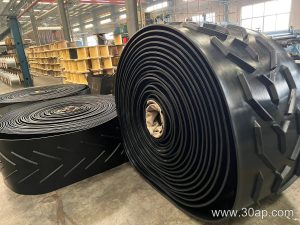
An NN100 Conveyor Belt is a fabric-core rubber belt built on nylon (NN) warp and weft cords. In the naming convention used by belt makers, the number refers to the nominal tensile strength of the carcass per unit width, expressed in newtons per millimetre. NN100 therefore sits at the lighter end of the nylon belt family, above general-purpose cotton or low-strength constructions but below the heavier NN200, NN300 and NN400 grades that carry more demanding loads.
The product is also described as a nylon fabric core belt, an NN Fabric Core Conveyor Belt, or simply an NN belt. These are equivalent names for the same item, not different products. The nylon carcass gives the belt good flexibility, strong resistance to fatigue, and reliable splice strength, which is why it appears in a wide range of bulk material handling lines.
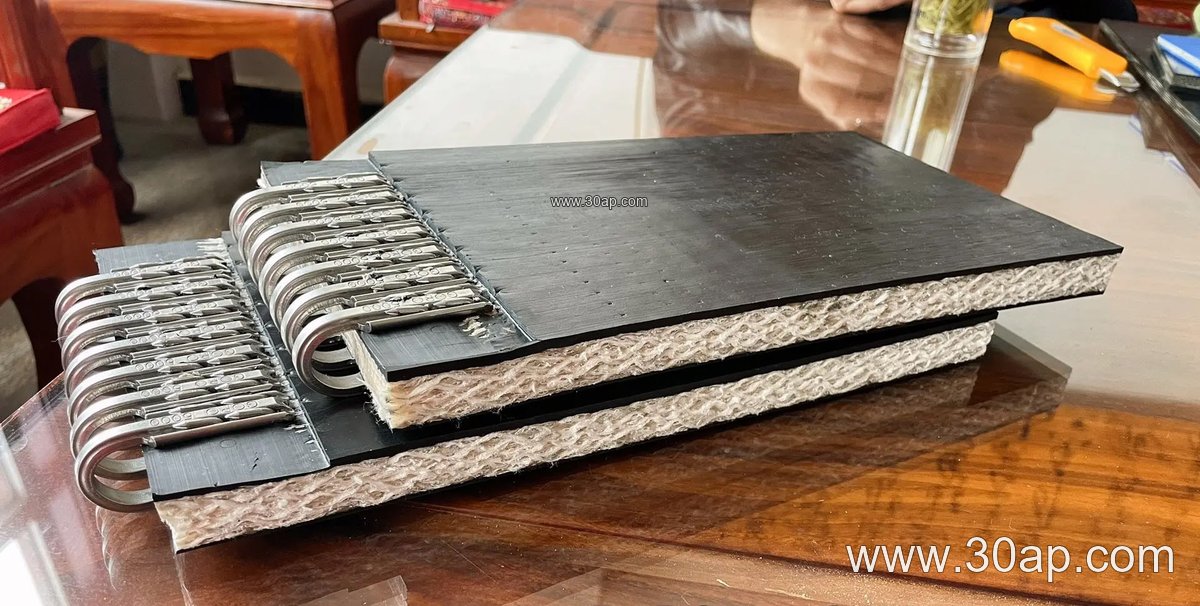
Construction and Typical Parameters
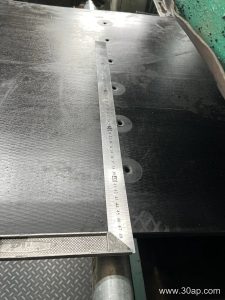
The belt is usually made of two to six plies of nylon fabric bonded with rubber, covered on both faces by abrasion-resistant rubber. Cover thickness is quoted as a top-plus-bottom pair, for example 3+1.5 mm, 4+2 mm, 5+2 mm, 6+2 mm or 8+3 mm. The carcass carries the tension, while the covers protect it from wear, impact and moisture.
Buyers should treat the values below as common reference figures, not fixed universal specifications. Actual data is confirmed by the manufacturer for each order.
- Nominal carcass strength: NN100, with NN200, NN300 and NN400 available as heavier alternatives in the same family.
- Common belt widths: B500, B650, B800, B1000, B1200, B1400, B1600, B1800 and B2000 mm.
- Cover combinations: 3+1.5, 4+2, 5+2, 6+2 and 8+3 mm.
- Carcass plies: typically 2 to 6, selected by the designer.
Belt width and pulley diameter are matched through the conveyor design, not by a single fixed rule. A 800mm belt may run on different pulley sizes depending on speed, load and take-up arrangement, and no shaft diameter should be assumed from width alone.
Where It Fits in a Conveyor
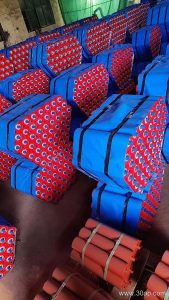
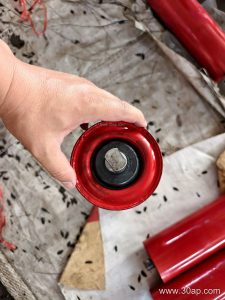
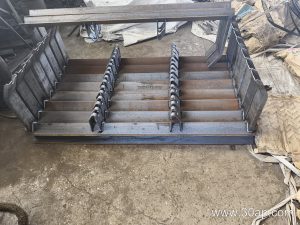
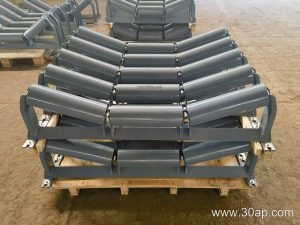
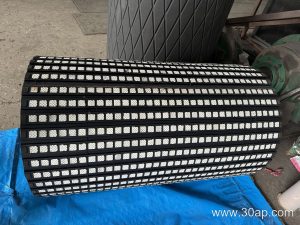
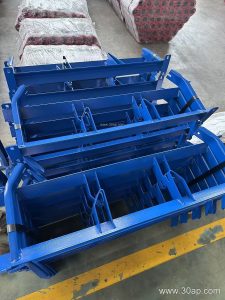
The belt runs over a head or drive pulley, a tail pulley and one or more bend pulleys, supported along the carry side by idler roller sets and returned on the return side. Each pulley has its own job and they are not interchangeable: the drive pulley transmits torque, the tail pulley forms the loading end, and bend pulleys redirect the belt path. Supporting hardware such as the conveyor pulley, idler roller and conveyor bracket should be specified together with the belt so that the whole line works as a system.
Typical duty for NN100 includes sand and gravel lines, cement plant transfer points, power plant coal handling, light ore transport in mining operations and general bulk material conveying. For heavier main haulage, a High Strength Conveyor Belt such as NN200 or a steel cord construction may be a better match; the comparison is useful, but it does not replace the NN100 belt where the duty fits.
Choosing the Right Variant
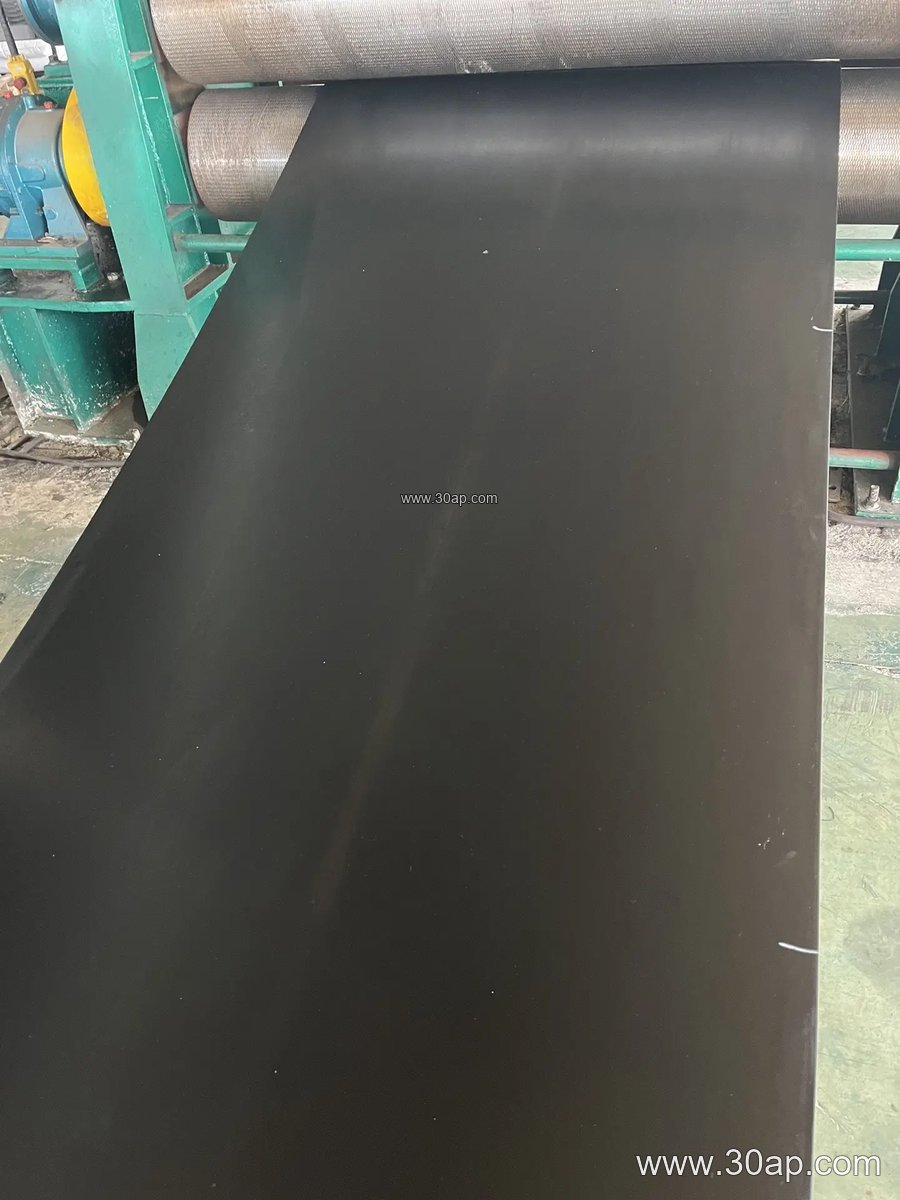
The base NN100 carcass can be supplied with covers and additives suited to the environment. In coal mines and underground workings, a Flame Retardant Conveyor Belt and anti-static construction is often requested. Hot clinker or sinter handling calls for a heat resistant cover; oily scrap and recycled material favor an oil resistant grade; cold climates point to a cold resistant compound; and abrasive stone or ore benefits from a high abrasion resistant cover.
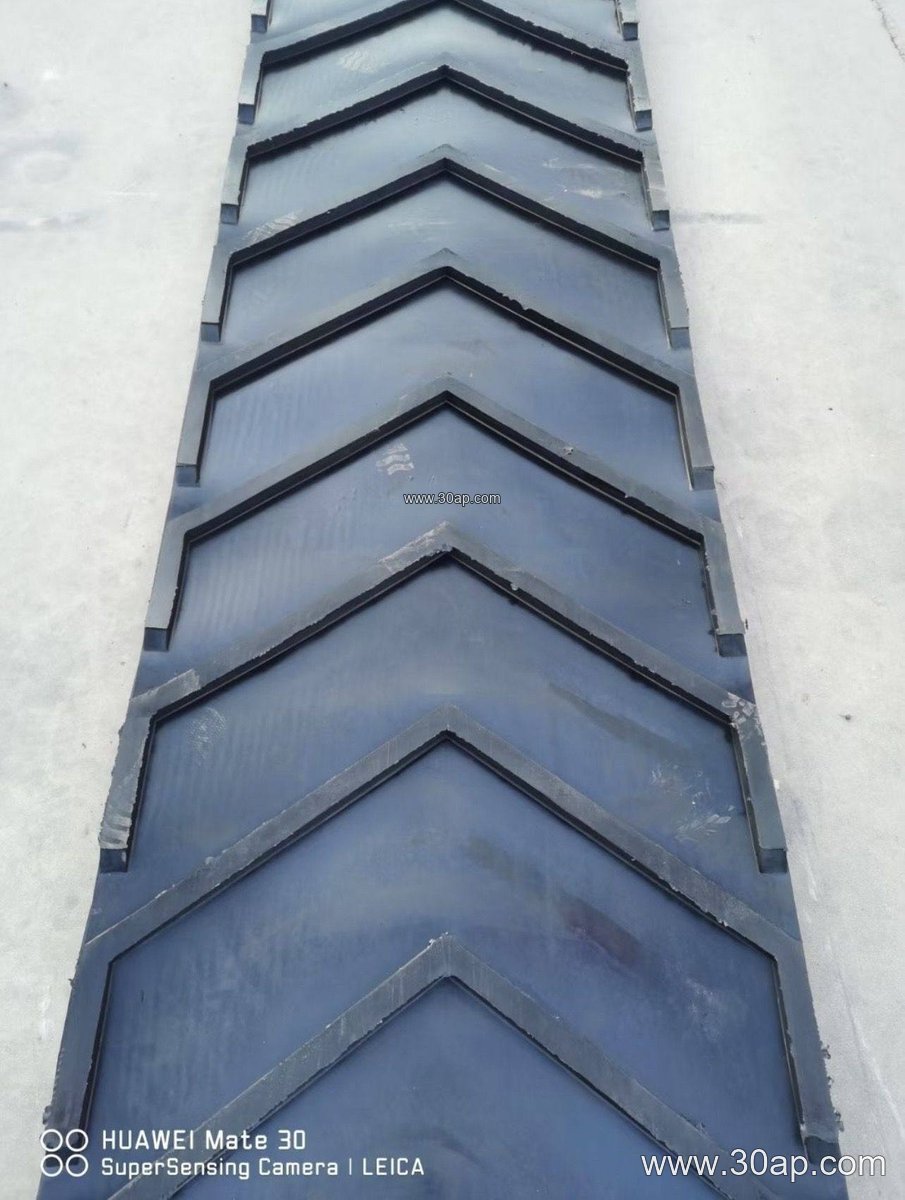
Where the conveyor has an inclined section, a chevron or patterned top cover can help hold material, and where spillage is a concern, corrugated sidewall or skirted designs may be considered as separate belt types rather than modifications of the flat NN100 belt.
Buyer Checklist
- Confirm the required tensile grade from the conveyor design, and check whether NN100 is sufficient or a heavier NN grade is needed.
- State belt width, cover thickness and number of plies clearly in the enquiry.
- Describe the material, lump size, temperature and any oil, chemical or fire risk.
- Provide drive pulley, tail pulley and bend pulley diameters so the belt can be checked for flex fatigue.
- Ask about splice method and edge condition, since these affect belt life in mining, quarry and cement service.
- Confirm that the quoted figures are verified for the specific order rather than assumed from a catalogue.
A correctly specified NN Conveyor Belt of the NN100 grade gives plants a flexible, repairable and cost-effective option for medium-duty conveying. Matching it to the pulley layout, idler roller spacing and loading conditions is what turns a good belt into a reliable conveyor line.